Anastasiopolis
Anastasiopolis-Peritheorion is a significant archaeological site located in northern Greece, within the Rhodope regional unit of Western Thrace, southeast of the village of Amaxades. This site preserves the remains of an ancient fortified city that played a strategic role from the 5th to the 9th centuries. It stands as a testament to the region's historical importance as a coastal hub and a key waypoint along the Via Egnatia, the major Roman road connecting the Adriatic Sea to Byzantium (modern Istanbul).
Historical background and significance
The ancient city known as Anastasiopolis was likely established during the Late Roman period, named in honor of the Byzantine Emperor Anastasius I (reigned 491–518 AD). The city functioned as a fortified port on the Aegean Sea, facilitating maritime trade and military movements. Over time, the site also became known as Peritheorion, a name that appears in Byzantine sources from the 9th century. Scholars debate whether Anastasiopolis and Peritheorion represent two distinct settlements or a single city that underwent a renaming or administrative transformation.
Located along the Via Egnatia, Anastasiopolis-Peritheorion was a critical station on this vital east-west route. The road connected the western provinces of the Roman Empire with Constantinople, enhancing the city's strategic and economic importance. The city's fortifications were likely strengthened in response to increasing threats during the early medieval period, including Slavic and Bulgarian incursions.
Architectural features and fortifications
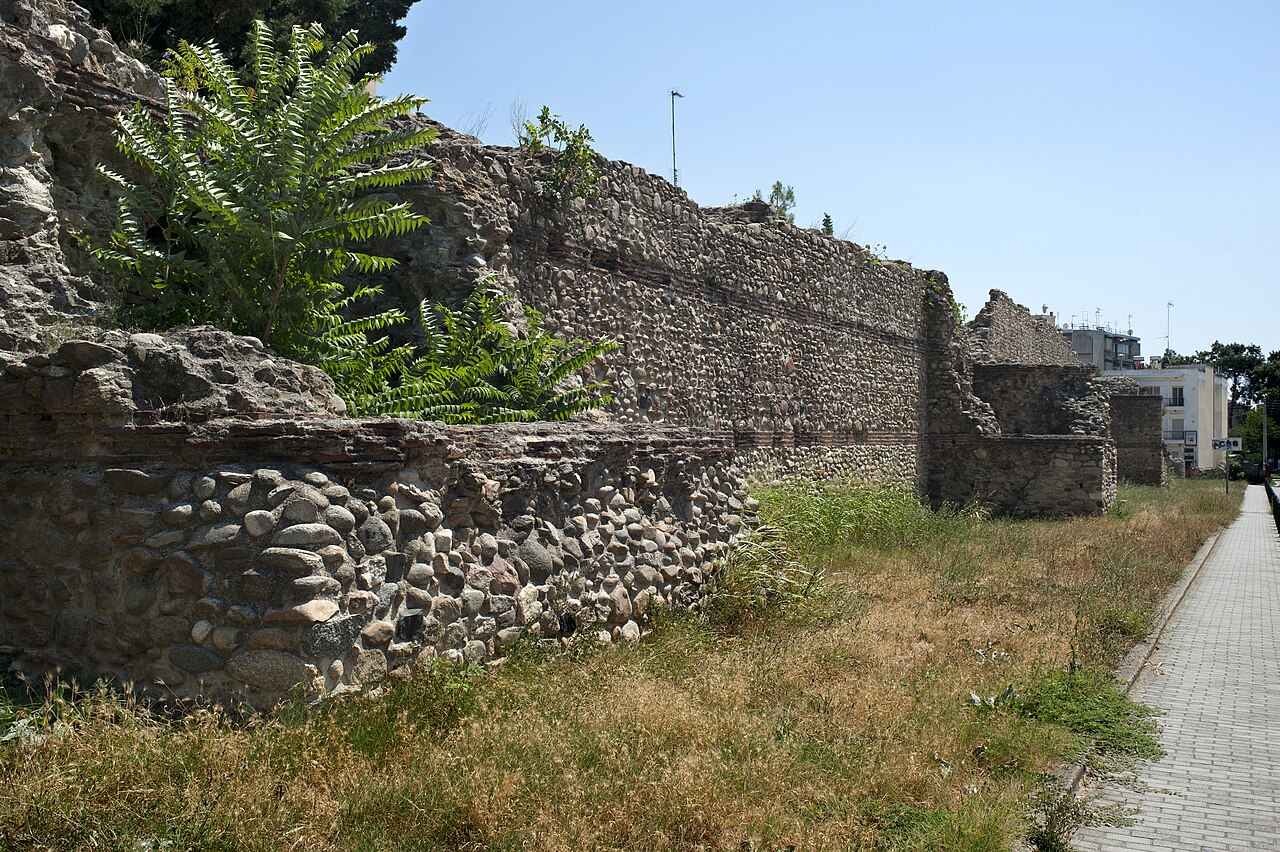
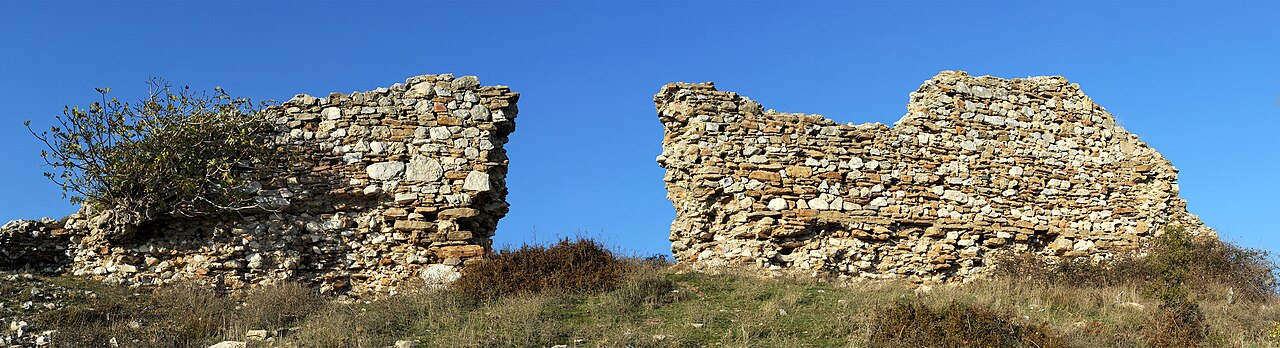
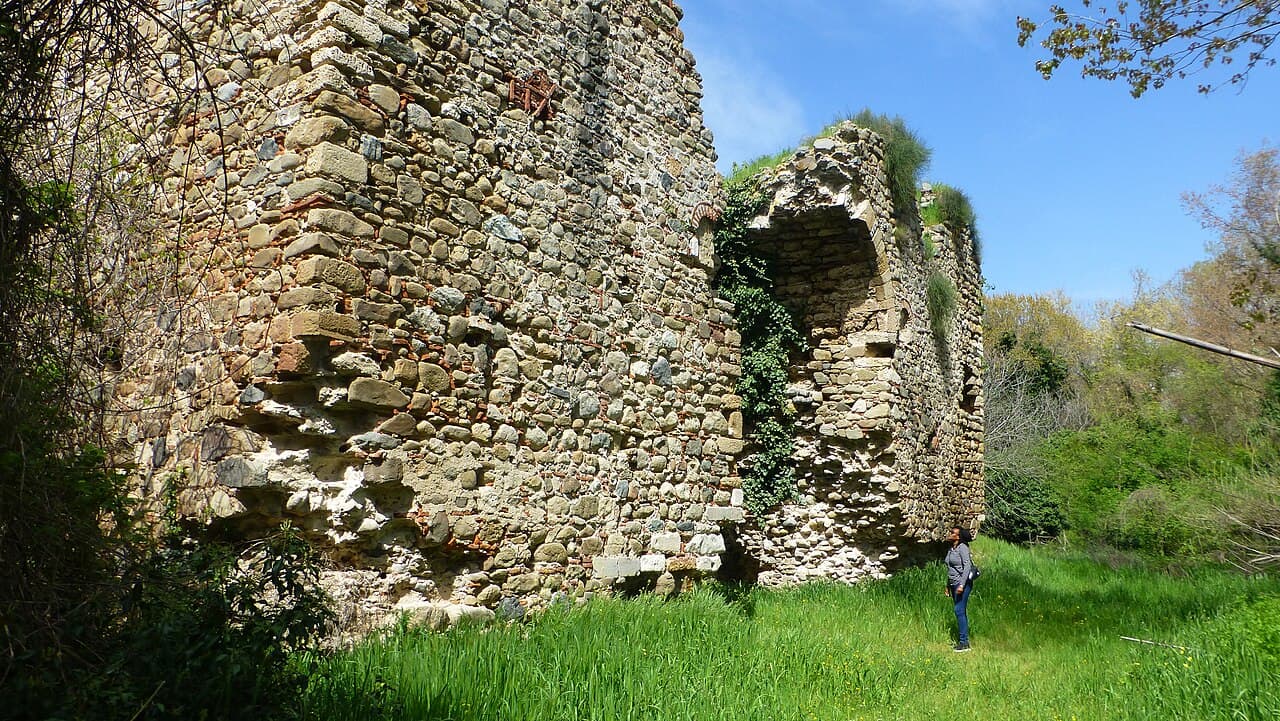
The remains visible today primarily consist of the fortification walls that once enclosed the city. These walls date from different phases, with the earliest sections attributed to the 5th century and later additions and repairs extending into the 9th century. The walls are constructed from local stone and brick, featuring typical Byzantine defensive elements such as battlements and towers positioned at intervals to provide vantage points for surveillance and defense.
The fortifications likely included a main gate controlling access to the city, as well as smaller posterns and watchtowers. The layout suggests a well-planned defensive system designed to protect the harbor and the urban area from seaborne and land-based attacks.
Archaeological research and preservation
Archaeological investigations at Anastasiopolis-Peritheorion have uncovered fragments of the city walls, foundations of buildings, and artifacts that attest to the city's occupation and function. The site remains partially excavated, with ongoing research aiming to clarify the city's historical phases and its relationship to the broader Byzantine frontier system.
Due to its condition as ruins, the site is an important cultural heritage location that provides insights into Byzantine urbanism and military architecture in the northern Aegean region. Preservation efforts focus on stabilizing the existing walls and protecting the site from natural and human-induced deterioration.
Geographical context and accessibility
Situated in the coastal plains of Western Thrace, Anastasiopolis-Peritheorion overlooks the Aegean Sea, offering a strategic maritime position. Its proximity to the modern village of Amaxades allows for potential visitor access, although the site is not a major tourist destination and facilities are limited.
The location along the ancient Via Egnatia highlights the city's historical role as a crossroads between Europe and Asia, linking various cultures and trade networks over centuries.
Frequently asked questions (FAQ)
- What is the historical significance of Anastasiopolis-Peritheorion?
- Anastasiopolis-Peritheorion was an important fortified city and port on the Aegean Sea, serving as a key station on the Via Egnatia during the Late Roman and Byzantine periods.
- Can I visit the ruins of Anastasiopolis-Peritheorion?
- Yes, the archaeological site is accessible near the village of Amaxades in Western Thrace, Greece, though visitor facilities are limited and it is not a major tourist attraction.
- What remains can be seen at the site?
- Visitors can observe the remains of fortification walls dating from the 5th to 9th centuries, including sections of battlements and defensive towers.
- Why are the city names Anastasiopolis and Peritheorion both used?
- Historical records suggest either two separate settlements or a single city renamed over time; the exact relationship remains uncertain due to limited evidence.
- How does Anastasiopolis-Peritheorion relate to the Via Egnatia?
- The city was a strategic station along the Via Egnatia, the major Roman road connecting the Adriatic coast to Byzantium, facilitating trade and military movement.
Photo gallery

Information
Loading map...
Visitor reviews
No reviews yet. Been here? Write the first review and help other travelers!
Write the first reviewVisited this castle? Share your experience
Your review helps other travelers and adds first-hand knowledge to our encyclopedia.