Frourio Nymfaia
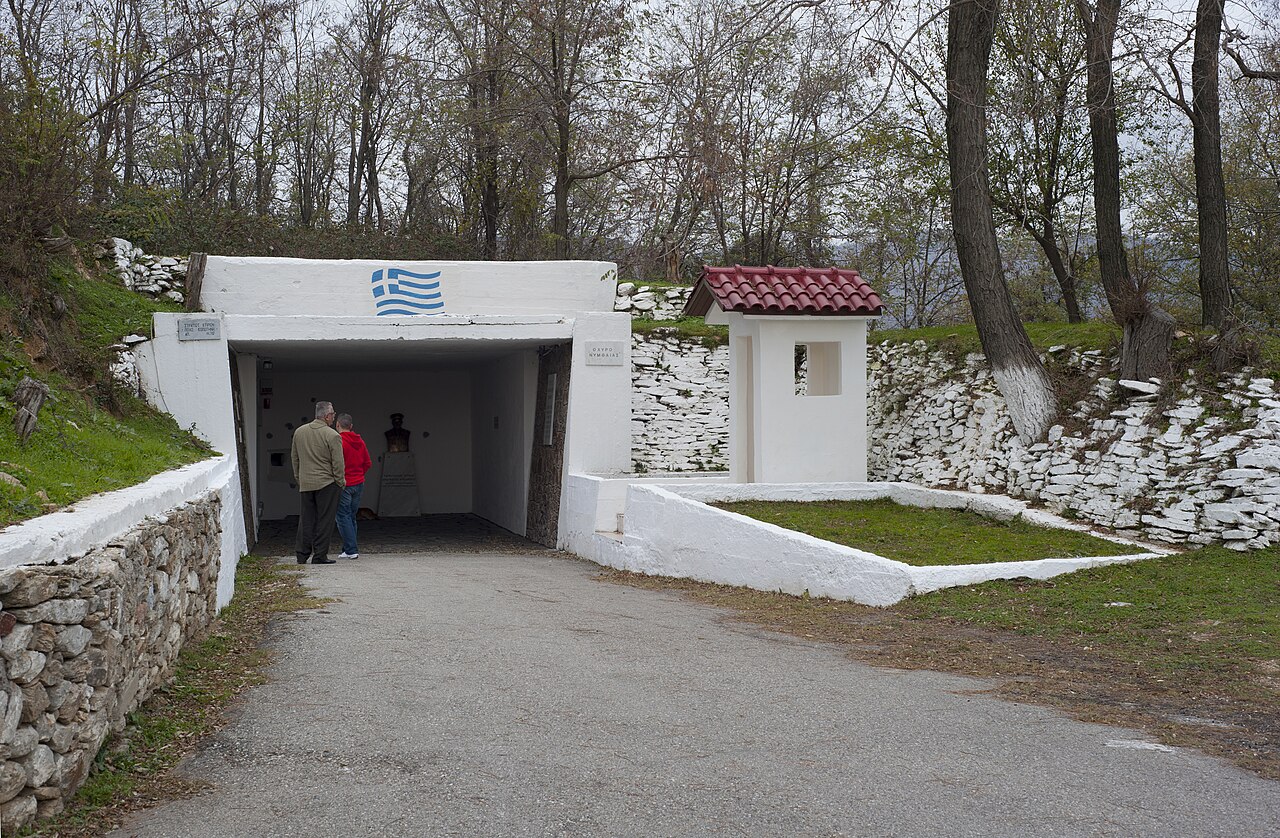
Frourio Nymfaia represents a significant example of a medieval fortress located in Greece, now preserved as archaeological ruins. Though the exact city of its location remains uncertain, this site offers valuable insights into the defensive architecture and historical military strategies of the region during the medieval period.
Historical context and significance
The fortress known as Frourio Nymfaia was likely constructed during the Middle Ages, a time when fortifications played a crucial role in protecting settlements and controlling strategic routes. Castles and fortified sites such as this one were essential for defense against invasions and local conflicts. The remains of Frourio Nymfaia contribute to understanding the broader historical landscape of medieval Greece, where various powers including Byzantine, Frankish, and Ottoman influences intersected.
Architectural features and layout
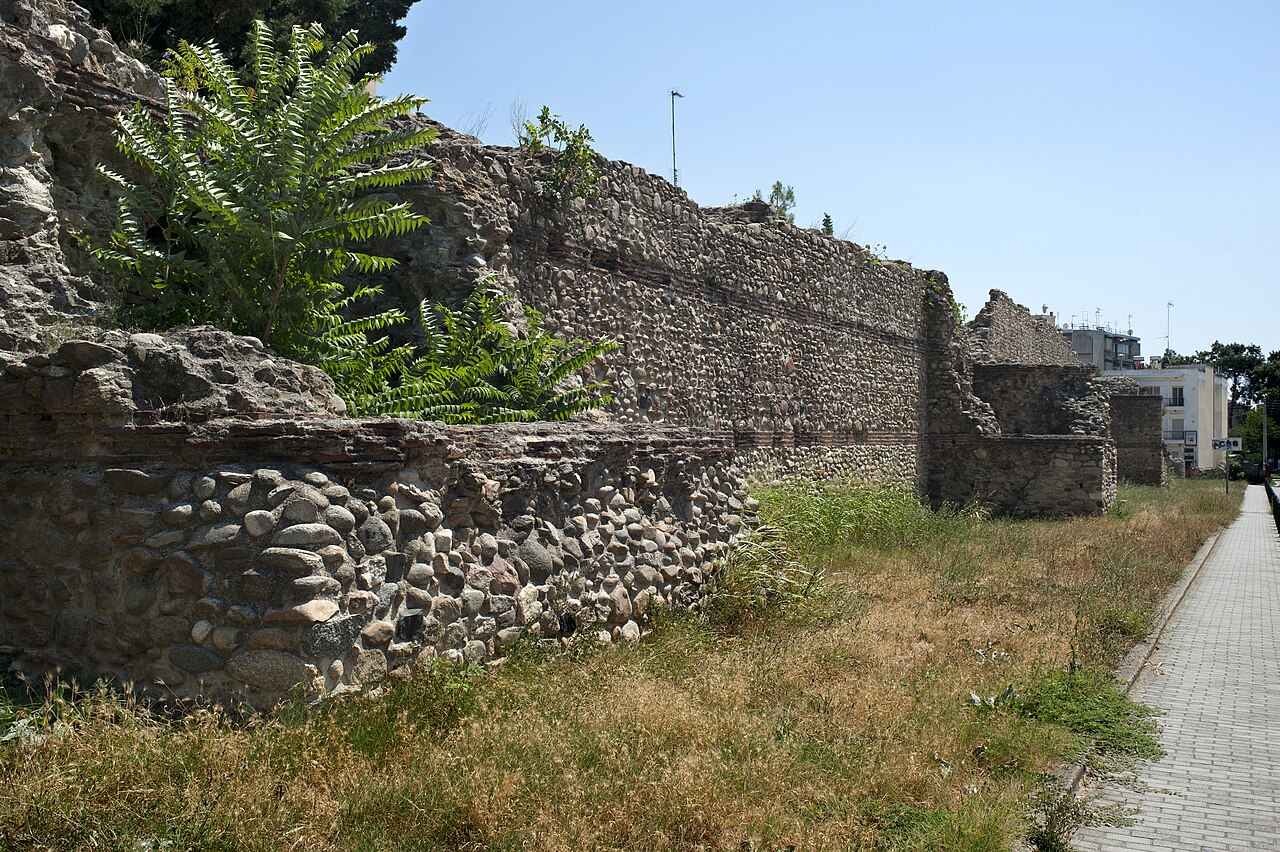
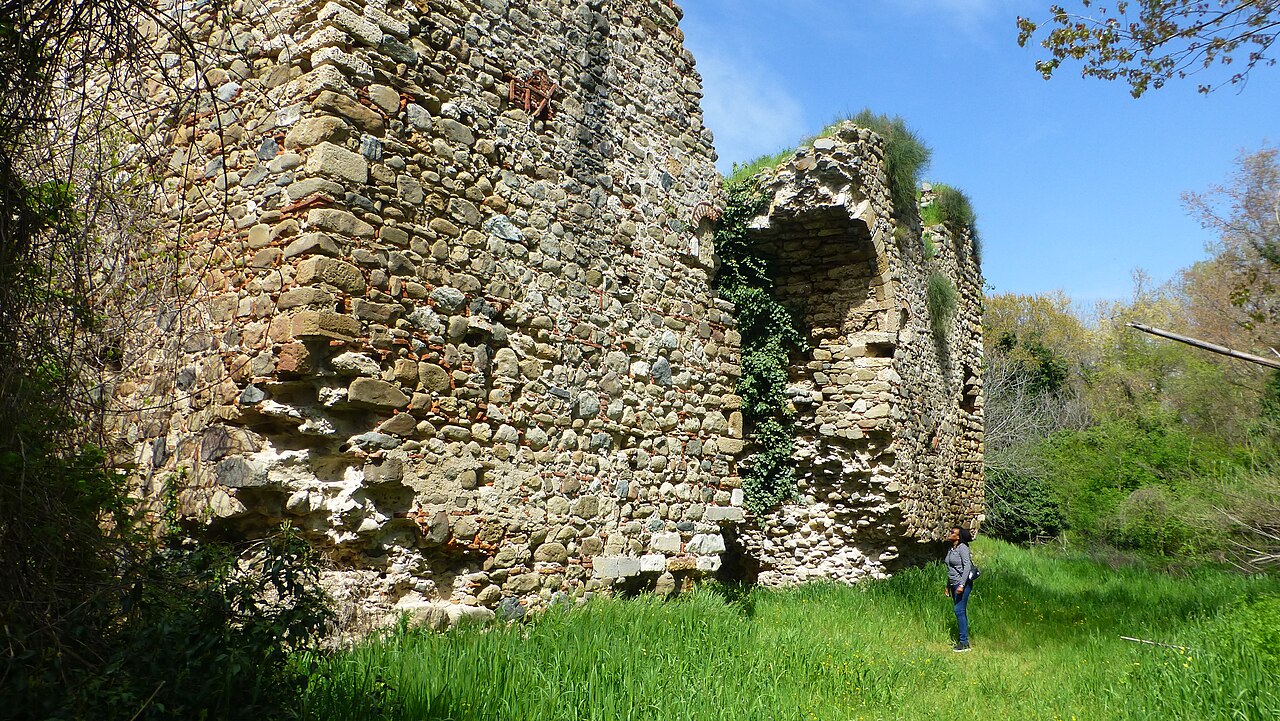
As an archaeological ruin, Frourio Nymfaia preserves remnants of its original stone walls and defensive structures. The fortress likely included typical medieval features such as thick curtain walls, towers for surveillance and defense, and possibly a gatehouse controlling access. The layout would have been designed to maximize defense, with elevated positions and limited entry points.
Defensive walls and towers
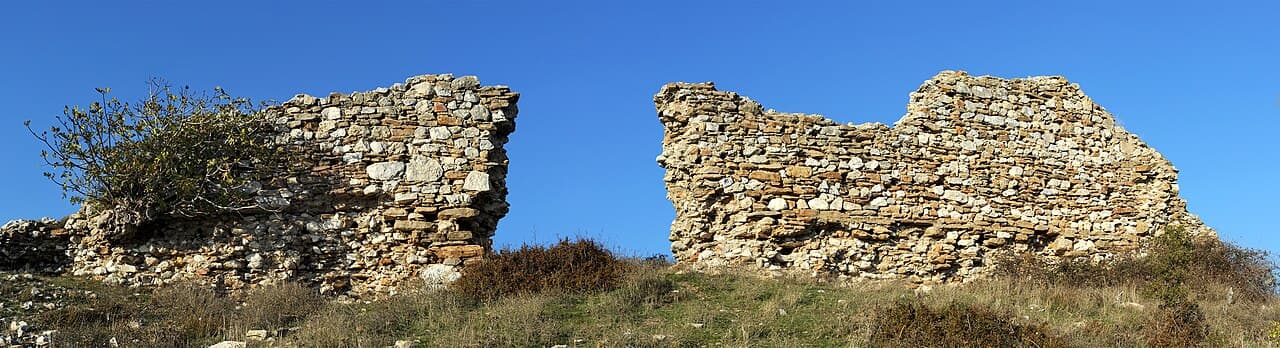
The surviving walls of Frourio Nymfaia show evidence of robust construction techniques characteristic of medieval fortifications. These walls would have been constructed to withstand sieges and attacks, incorporating battlements and arrow slits for archers. Towers, positioned at strategic intervals, provided vantage points for defenders to monitor the surrounding area and repel attackers.
Interior structures and courtyards
Within the fortress, there may have been courtyards serving as gathering and operational spaces for troops. Although much of the internal buildings have not survived intact, archaeological studies suggest the presence of living quarters, storage rooms, and possibly a chapel or small church, which were common in medieval castles.
Current condition and archaeological importance
Today, Frourio Nymfaia exists primarily as ruins, with many of its original structures reduced to foundations and partial walls. These remains are valuable for archaeological research, providing material evidence of medieval military architecture and settlement patterns in Greece. Preservation efforts focus on stabilizing the ruins and facilitating study and public access.
Visiting Frourio Nymfaia
As an archaeological site, Frourio Nymfaia may be accessible to visitors interested in medieval history and architecture. Visitors can explore the ruins to observe the layout and construction techniques of a medieval fortress firsthand. Information panels or guided tours, if available, would enhance understanding of the site's historical context and architectural significance.
Frourio Nymfaia in the broader context of Greek medieval fortifications
This fortress is part of a network of medieval castles and fortifications across Greece that illustrate the region's turbulent history. These sites reflect the strategic importance of controlling trade routes, defending against invasions, and asserting political power during the medieval period. Frourio Nymfaia adds to this narrative by offering a glimpse into local defensive architecture and historical military presence.
Frequently asked questions (FAQ)
- What is Frourio Nymfaia and where is it located?
- Frourio Nymfaia is an archaeological site of a medieval fortress located in Greece. The exact city or town is not clearly identified, but it represents an important example of medieval defensive architecture in the region.
- Can visitors access the ruins of Frourio Nymfaia?
- Visitors may be able to access the ruins of Frourio Nymfaia, depending on local management and preservation efforts. It is advisable to check with regional tourism or archaeological authorities for current visiting conditions.
- What architectural features can be seen at Frourio Nymfaia?
- At Frourio Nymfaia, visitors can observe remains of stone defensive walls, towers, and foundations of internal structures such as courtyards and possibly living quarters, typical of a late medieval fortress.
- Why are medieval fortresses like Frourio Nymfaia important to study?
- Medieval fortresses like Frourio Nymfaia provide valuable insights into historical military strategies, architectural techniques, and the socio-political landscape of their time, contributing to our understanding of regional history.
Photo gallery

Information
Loading map...
Visitor reviews
No reviews yet. Been here? Write the first review and help other travelers!
Write the first reviewVisited this castle? Share your experience
Your review helps other travelers and adds first-hand knowledge to our encyclopedia.