Ottoman Fort (Great Farasan Island)
The Ottoman fort on Great Farasan Island is a significant example of bastioned fortress architecture located on the largest island of the Farasan archipelago in the Red Sea, off the southwestern coast of Saudi Arabia. This fort was constructed during the Ottoman period, reflecting the empire's strategic interest in controlling maritime routes and coastal defenses along the Red Sea. The fort's design incorporates characteristic bastions which were used to provide overlapping fields of fire, enhancing its defensive capabilities against naval attacks.
Historical context and strategic importance
The Farasan Islands have long been a critical point for maritime navigation and trade in the Red Sea region. The Ottoman Empire, which controlled large parts of the Arabian Peninsula and surrounding waters from the 16th century until the early 20th century, established the fort to secure their dominion over this vital maritime corridor. The fort's location on Great Farasan Island allowed the Ottomans to monitor and control sea traffic, protect against potential Portuguese and later European incursions, and maintain a military presence to safeguard their interests in the Red Sea and the pilgrimage routes to Mecca.
Architectural features and design
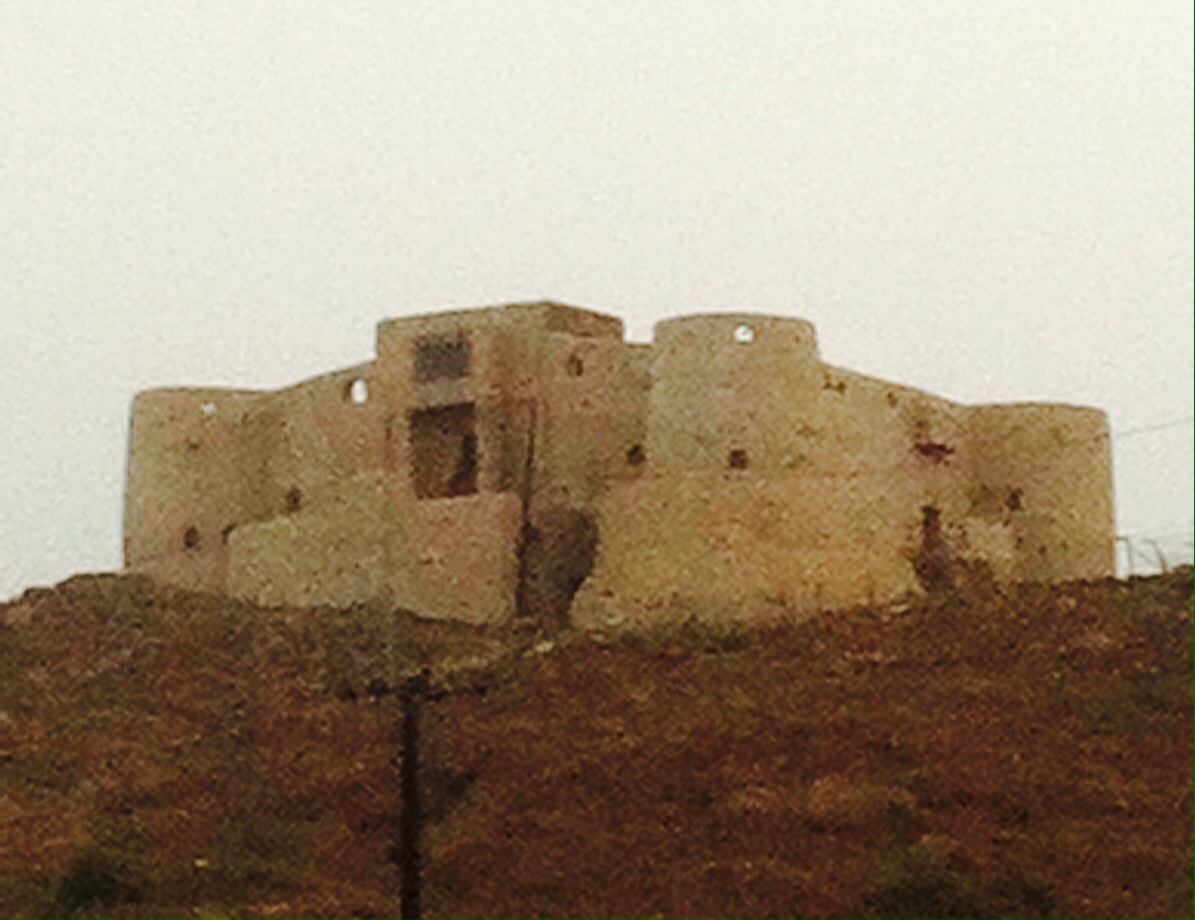
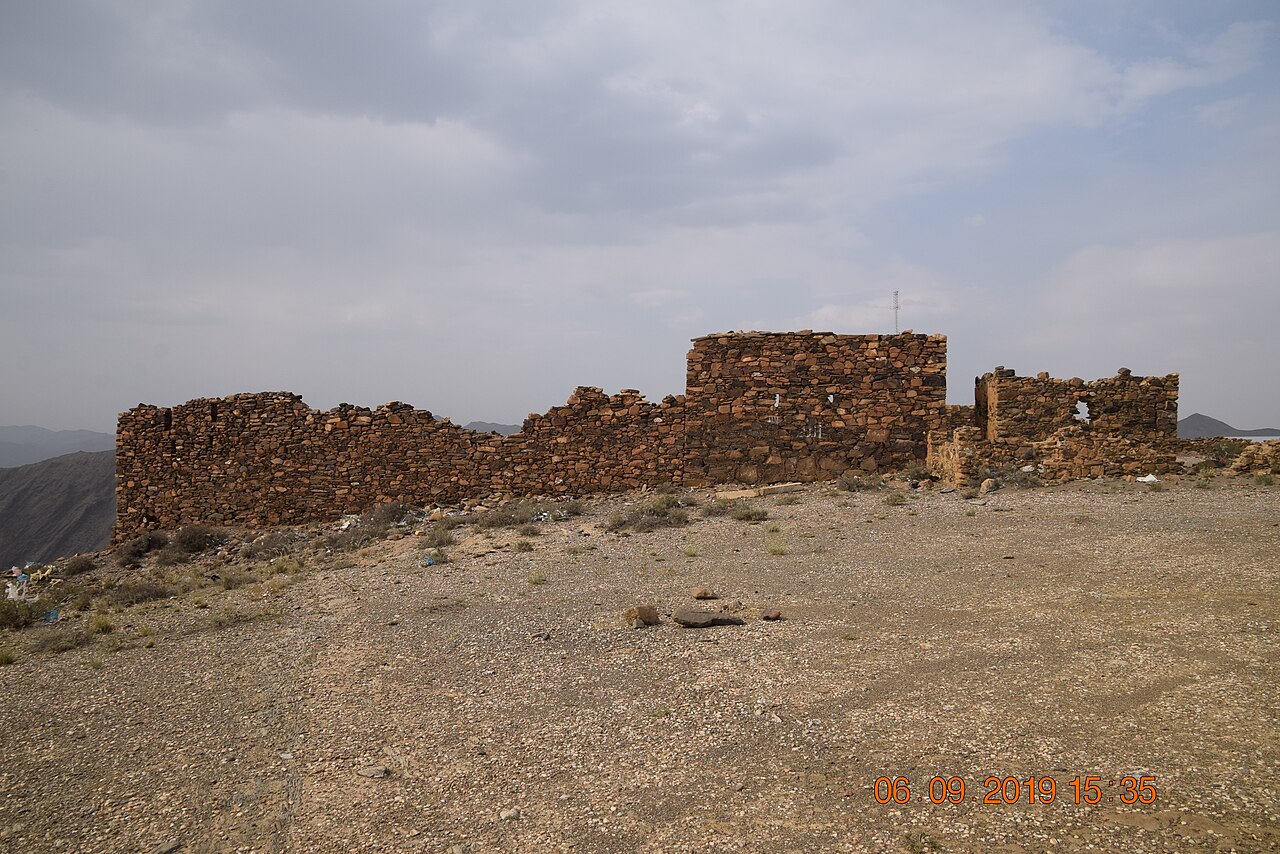
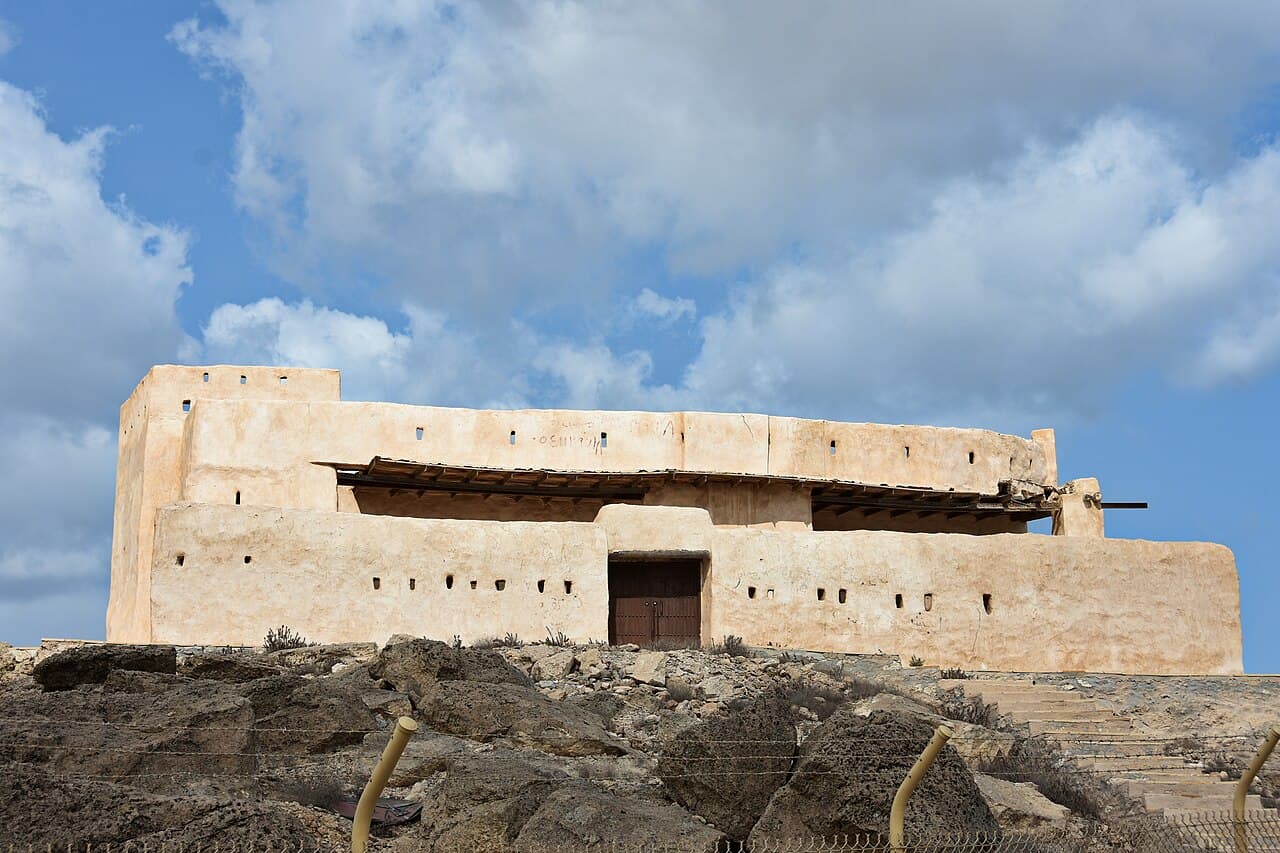
The fort exemplifies the bastioned fortress style typical of Ottoman coastal military architecture. It features robust stone walls with angular bastions protruding at the corners, designed to eliminate blind spots and provide a broad range of cannon fire. These bastions are strategically placed to cover approaches from sea and land, reflecting the military engineering principles of the time.
The structure likely includes a central courtyard, surrounded by various chambers used for garrison quarters, storage, and command facilities. The walls are thick and built from local stone, providing resilience against artillery bombardment and harsh coastal weather conditions.
Defensive elements such as gun embrasures, ramparts, and possibly a moat or natural defensive barriers would have been integrated into the fort's design to enhance its protection. The fort's entrance would have been fortified with heavy gates and possibly a guardhouse to control access.
Preservation and current condition
Today, the Ottoman fort on Great Farasan Island stands as a partially preserved historical monument. While some sections of the walls and bastions remain intact, other parts have suffered from natural erosion and lack of maintenance. Its remote location has helped protect it from significant modern development, but also poses challenges for conservation efforts.
The fort is an important cultural heritage site that offers insight into the Ottoman military architecture and their strategic maritime presence in the Red Sea. It attracts historians, archaeologists, and visitors interested in the military history of the region and Ottoman architectural legacy.
Significance in Ottoman maritime defense
This fortress is part of a broader network of coastal fortifications established by the Ottoman Empire to secure their Red Sea territories. These forts played a crucial role in controlling piracy, protecting trade routes, and asserting Ottoman sovereignty against rival powers. The bastioned design reflects the adaptation of European military architectural concepts by the Ottomans, combining traditional Islamic fortification elements with modern artillery defense techniques.
Architectural influences and innovations
The use of bastions in this fort demonstrates the Ottoman Empire's engagement with contemporary military engineering trends of the 16th and 17th centuries. The angular bastions allowed defenders to cover adjacent walls with gunfire, a significant advancement over earlier medieval fortifications that relied on round towers. This design minimized dead zones and improved the fort's ability to withstand sieges and artillery attacks.
Role in regional geopolitics
During its operational period, the fort on Great Farasan Island helped the Ottomans maintain control over the Red Sea, a vital link between the Mediterranean and the Indian Ocean. Control of this area was essential for the security of pilgrimage routes to the Islamic holy cities and for the protection of trade networks that connected the Ottoman Empire with East Africa, the Arabian Peninsula, and beyond.
Visiting the fort today
While the fort is not widely developed as a tourist site, it attracts visitors interested in history and archaeology. Due to its remote island location, access is typically by boat from the Saudi mainland. Visitors can explore the remaining walls and bastions, gaining an appreciation for the fortress's strategic design and historical significance.
Efforts to preserve and study the fort continue, highlighting its value as a cultural landmark within Saudi Arabia's heritage. It provides a tangible connection to the Ottoman era and the broader history of coastal defense in the Red Sea region.
Frequently asked questions (FAQ)
- How do I get to the Ottoman fort on Great Farasan Island?
- The fort is located on Great Farasan Island, accessible by boat from the Saudi Arabian mainland, typically from the port city of Jizan. Visitors should arrange transportation in advance due to the island's remote location.
- What is the historical significance of the Ottoman fort on Great Farasan Island?
- The fort served as a strategic bastioned fortress during the Ottoman period to control maritime routes in the Red Sea and protect pilgrimage and trade routes.
- Is the Ottoman fort on Great Farasan Island open to visitors?
- Yes, the fort is accessible to visitors, although it is not heavily developed for tourism. Visitors can explore the partially preserved walls and bastions, but facilities may be limited.
- What architectural features define the Ottoman fort on Great Farasan Island?
- The fort features characteristic bastions, thick stone walls, gun embrasures, and a central courtyard typical of Ottoman coastal military architecture from the post-Renaissance period.
- When was the Ottoman fort on Great Farasan Island built?
- The fort was constructed during the Ottoman period, likely between the 16th and 19th centuries, reflecting post-Renaissance military architectural styles.
Photo gallery

Information
Loading map...
Visitor reviews
No reviews yet. Been here? Write the first review and help other travelers!
Write the first reviewVisited this castle? Share your experience
Your review helps other travelers and adds first-hand knowledge to our encyclopedia.