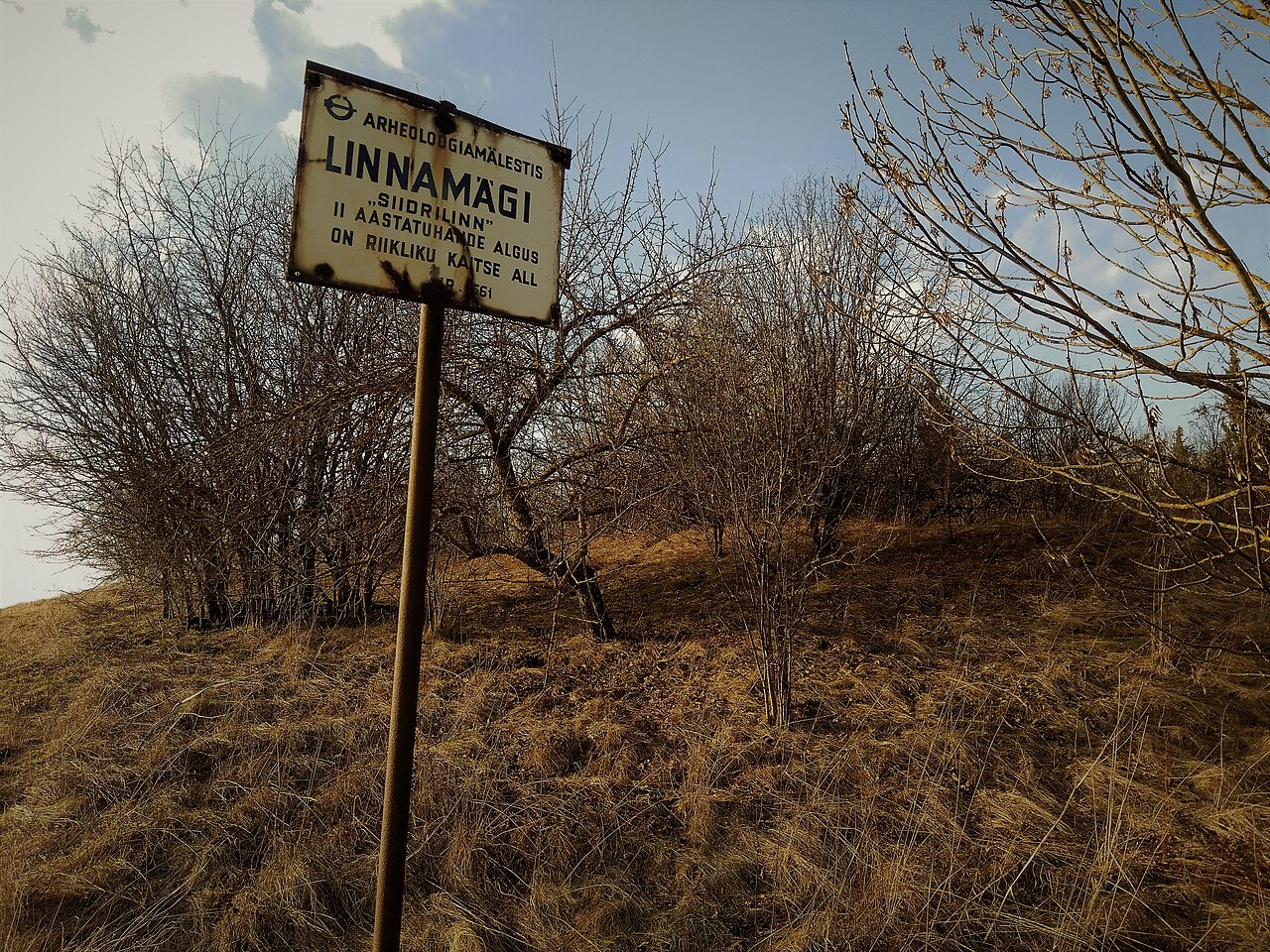
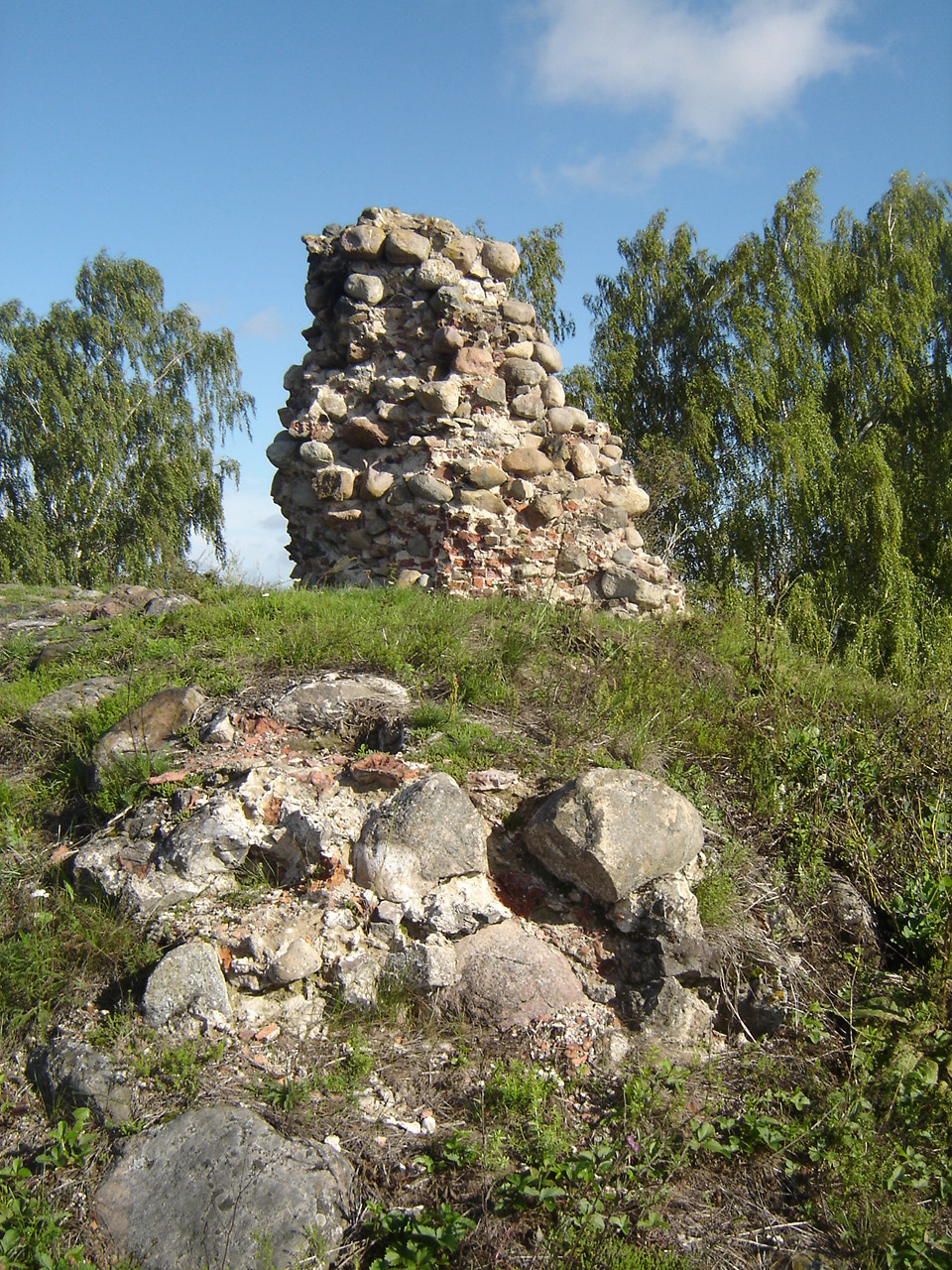
Otepää castle ruins are located on a prominent hill in Otepää, Estonia, marking the site of one of the region's earliest known fortified settlements. Archaeological evidence suggests that this hill was a strategic stronghold even before the Common Era, possibly serving as a fortified settlement in ancient times. The location's importance grew significantly during the High Medieval period, particularly in the 13th century, when it became a key defensive and administrative center.
The origins and early fortifications
The earliest fortifications on the Otepää castle hill likely began as wooden structures, typical of early medieval strongholds in the Baltic region. By the 11th and 12th centuries, the site underwent significant expansion due to its position at the crossroads of important trade routes. This strategic location facilitated the growth of a settlement around the stronghold, attracting craftsmen and merchants who contributed to the local economy and culture.
The bishop's castle and its significance
In the early 13th century, Herman I, bishop of Tartu, established a stone stronghold on the hill, which became the administrative center of the diocese. This castle was notably the first known brick building in Estonia, marking a significant architectural advancement in the region. The use of brick indicated a move towards more permanent and fire-resistant construction methods compared to earlier wooden fortifications.
Architectural features
The castle featured typical medieval defensive elements, including sturdy walls and towers designed to withstand sieges. The elevated position on the hill provided natural defense advantages, allowing defenders to monitor and control the surrounding area effectively. The castle complex included residential quarters, a chapel, and storage facilities, reflecting its dual role as both a military fortress and a religious-administrative center.
The surrounding settlement and economy
The settlement that developed around the bishop's castle was mainly inhabited by craftsmen and merchants. This community played a vital role in supporting the castle's functions and contributed to the regional economy. The presence of trade routes facilitated the exchange of goods, ideas, and cultural influences, making Otepää an important hub in medieval Estonia.
Decline and current state
Over the centuries, the castle experienced various phases of destruction and reconstruction, common to many medieval fortifications in the Baltic region. Today, only ruins remain, but they continue to provide valuable insights into the medieval history and architecture of Estonia. The site is a protected archaeological monument and attracts visitors interested in history, archaeology, and medieval architecture.
Archaeological significance
Excavations at the site have revealed artifacts and structural remains that shed light on the castle's construction techniques, daily life, and the broader historical context of the region. These findings contribute to understanding the transition from wooden to brick fortifications and the role of ecclesiastical authorities in medieval Estonia.
Visiting Otepää castle ruins
The ruins are accessible to the public and offer a glimpse into Estonia's medieval past. Visitors can explore the hilltop site, enjoy panoramic views of the surrounding landscape, and learn about the castle's history through informational displays. The site is especially popular during the warmer months when outdoor exploration is most comfortable.
Nearby attractions
Otepää is also known for its natural beauty and outdoor activities, including hiking and skiing. The castle ruins complement these attractions by providing a cultural and historical dimension to the visit.
Frequently asked questions (FAQ)
- What is the historical significance of Otepää castle ruins?
- Otepää castle ruins mark the site of the first known brick building in Estonia and served as a medieval bishop's stronghold and administrative center.
- Can I visit the Otepää castle ruins year-round?
- Yes, the ruins are accessible to the public year-round, but the best time to visit is during the warmer months for more comfortable outdoor exploration.
- Are there guided tours available at Otepää castle ruins?
- While there are no permanent guided tours, informational displays at the site provide historical context, and local tourist offices may offer occasional guided visits.
- What architectural features are notable at Otepää castle ruins?
- The ruins reveal early use of brick in Estonia, with remnants of defensive walls and structures typical of a medieval bishop's castle on a hilltop.
- Is Otepää castle accessible for visitors with mobility issues?
- Due to the hilltop location and uneven terrain, access may be challenging for visitors with mobility issues. It is advisable to check local resources for accessibility information.
Information
Loading map...
Visitor reviews
No reviews yet. Been here? Write the first review and help other travelers!
Write the first reviewVisited this castle? Share your experience
Your review helps other travelers and adds first-hand knowledge to our encyclopedia.