Osowiec Fortress
Osowiec Fortress (Polish: Twierdza Osowiec; Russian: Крепость Осовец, romanized: Krepost' Osovets) is a significant 19th-century bastioned fortress constructed by the Russian Empire in what is now north-eastern Poland. Built between 1882 and 1892, it was designed as a strategic military stronghold to protect the western borders of Russia against the German Empire. The fortress occupies a crucial geographic position near the Biebrza River, approximately 50 kilometers from the border with the German province of East Prussia. This location was selected due to the presence of marshlands and bogs, which naturally fortified the site by making enemy advances difficult and controlling a vital crossing point in the region.
Strategic importance and construction
The fortress was part of a broader defensive system along Russia's western frontier, aimed at countering threats from Germany. Its position near the Belostok–Lyck–Königsberg rail line further enhanced its strategic value, as this rail route was essential for troop movements and logistics. The fortress was constructed in the bastioned fortress style, characterized by angular bastions designed to provide overlapping fields of fire and resist artillery bombardment.
Between 1889 and 1893, the military engineer Nestor Buinitsky played a crucial role in the fortress's development, overseeing modernization efforts to adapt the defenses to advances in heavy siege artillery. These upgrades included reinforced walls and improved artillery placements to withstand more powerful attacks.
Architectural features and defensive design
Osowiec Fortress exhibits typical features of late 19th-century military architecture. The fortress complex included multiple bastions, ramparts, and moats integrated with the natural marshy terrain. The marshlands surrounding the fortress formed a natural barrier, complicating enemy siege operations and limiting the directions from which an assault could be launched.
The fortress's layout was designed to maximize defensive capabilities, with interconnected fortified walls and artillery positions that allowed defenders to cover all approaches. The use of the marshes as a defensive feature was a strategic advantage, as it hindered the movement of heavy siege equipment and infantry formations.
Role in World War I
Osowiec Fortress became famous for its role during the early stages of World War I. From September 1914 until August 1915, the fortress was the site of intense fighting on the Eastern Front. The Russian garrison stationed there successfully resisted multiple German assaults despite being heavily outnumbered and under constant artillery bombardment.
The fortress's defenders earned a reputation for resilience, notably during the German gas attack in 1915, which failed to capture the fortress but caused significant casualties. The difficult terrain and strong fortifications contributed to the fortress holding out for several months before the Russian Army eventually withdrew in August 1915 due to broader strategic considerations.
Interwar period and World War II
After World War I and the re-establishment of Polish independence, Osowiec Fortress came under the control of the Polish Army. During the interwar years, the fortress was maintained as a military installation, though its strategic importance diminished with changes in military technology and tactics.
In the 1939 German invasion of Poland, the fortress was bypassed by advancing German forces and did not see significant combat. This marked a shift from its earlier prominence as a defensive stronghold.
Preservation and current status
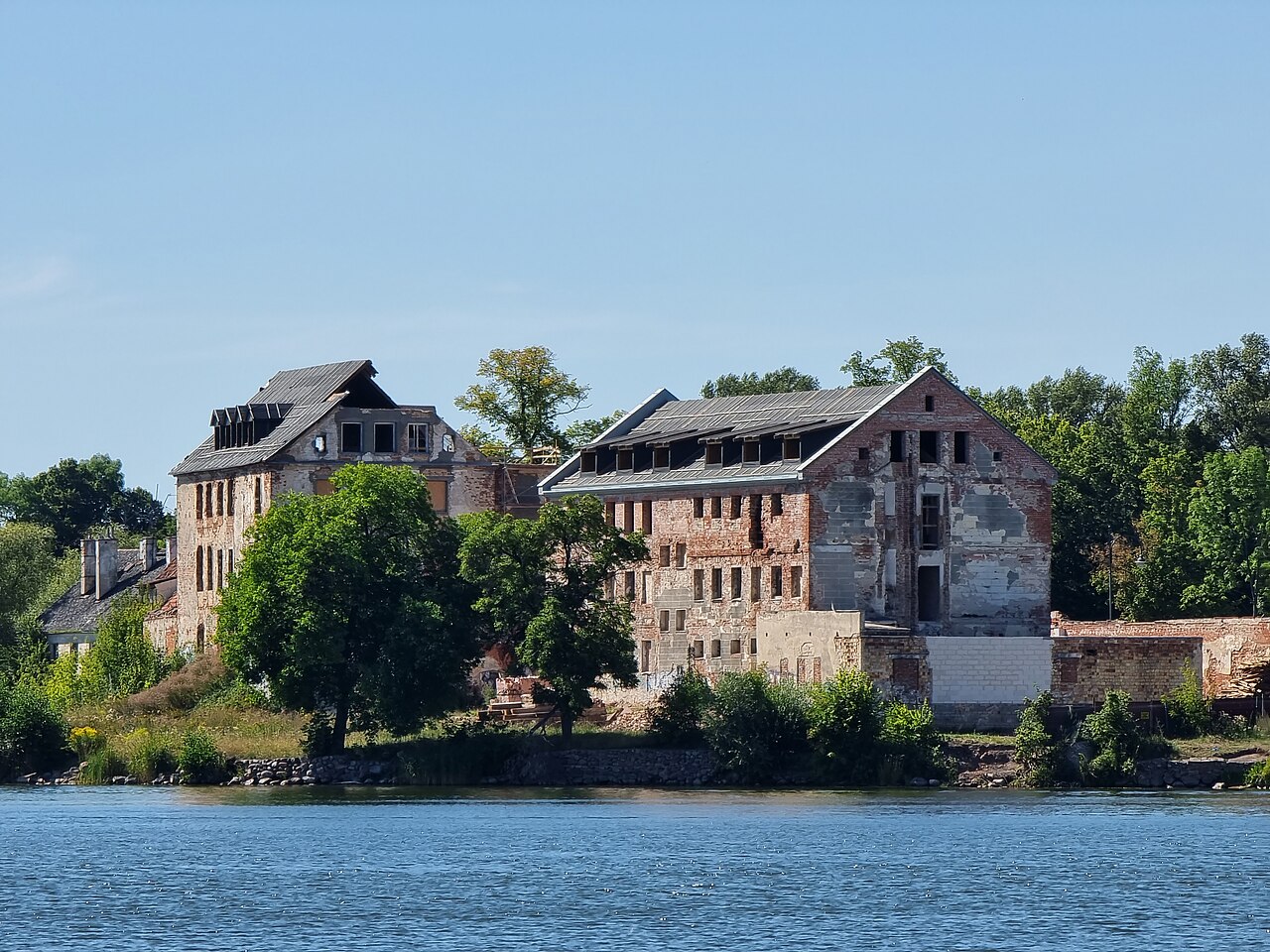
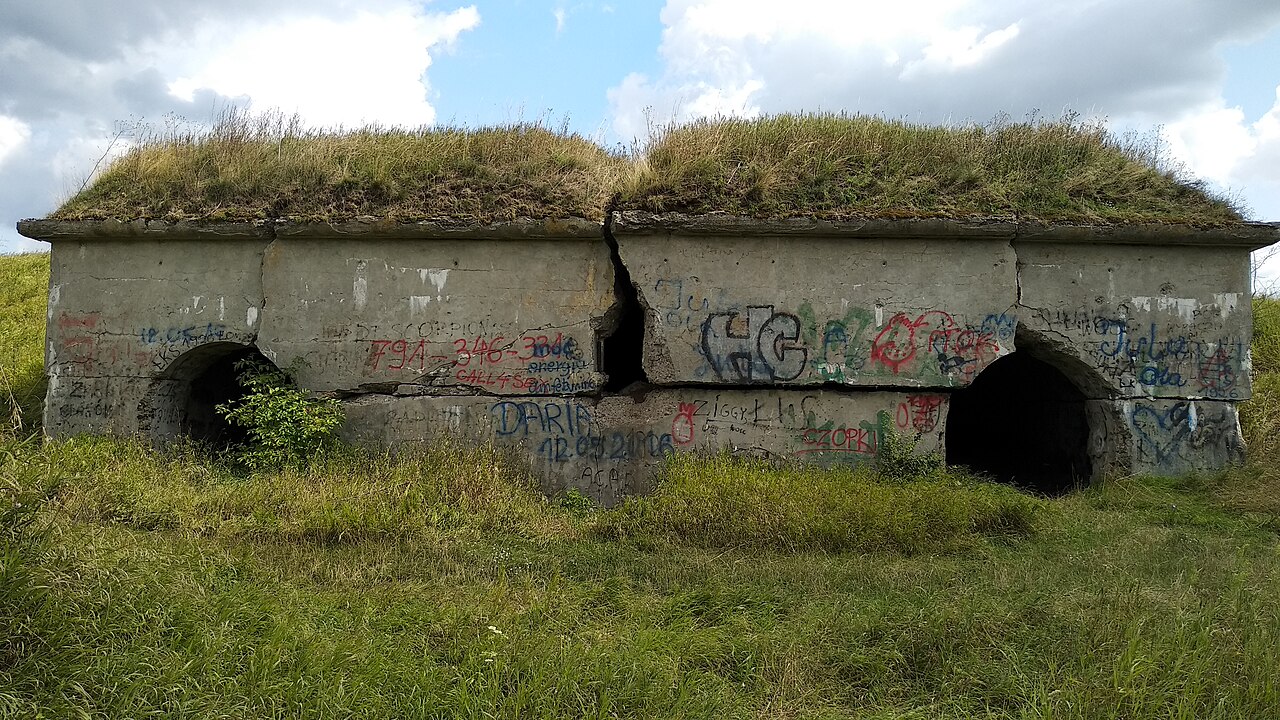
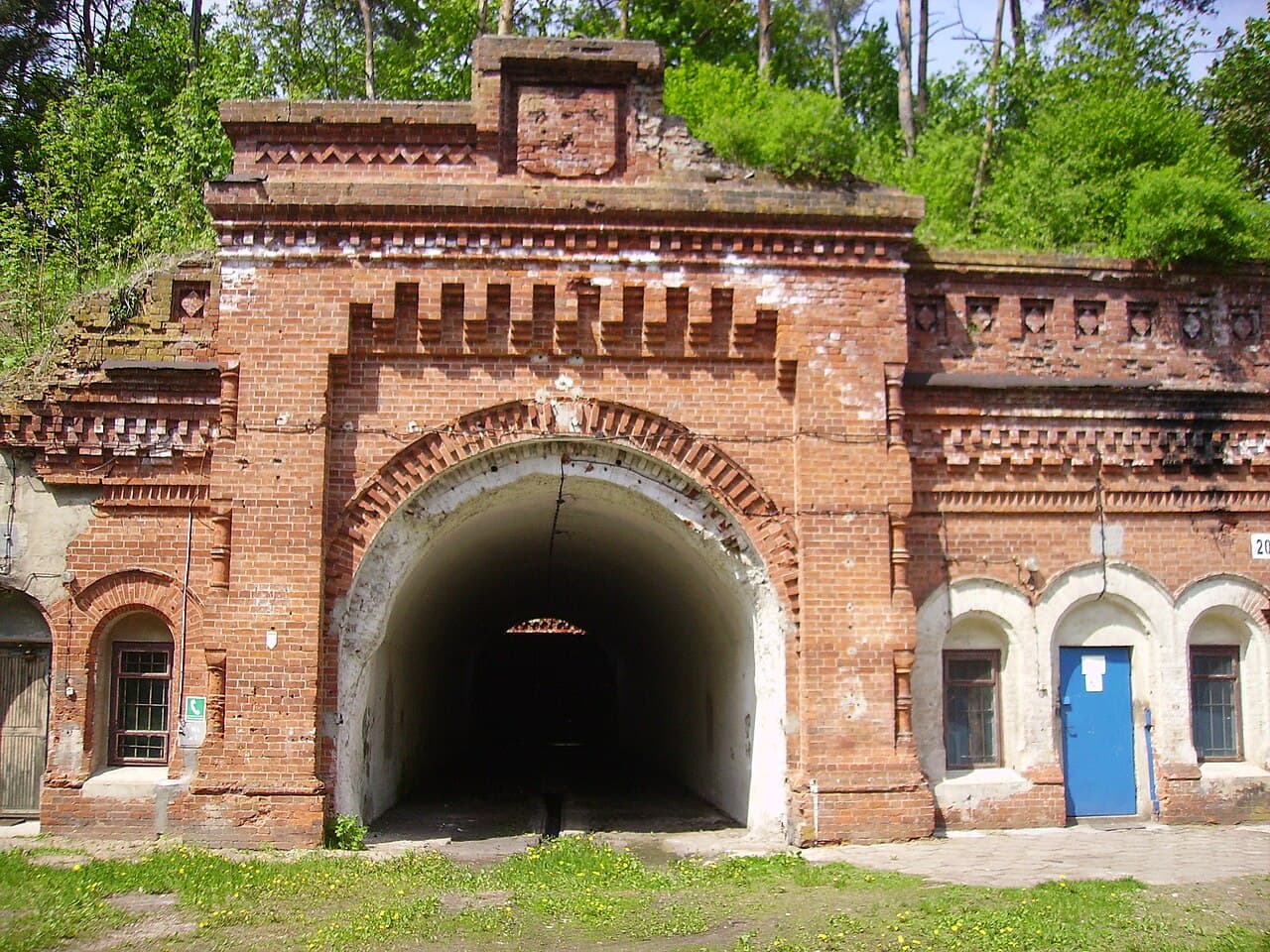
Today, parts of Osowiec Fortress are accessible to visitors, particularly those sections within the boundaries of Biebrza National Park. The park's visitor center is located in the small settlement of Osowiec-Twierdza, which lies within the fortress grounds. Visitors can explore remnants of the fortress's walls, bastions, and other defensive structures, gaining insight into its historical and architectural significance.
Other areas of the fortress remain under the control of the Polish Army, and access is restricted for security reasons. Preservation efforts have focused on maintaining the structural integrity of the accessible sections while respecting the natural environment of the surrounding marshlands.
Architectural and historical significance
Osowiec Fortress is an important example of 19th-century bastioned fortress architecture adapted to challenging natural terrain. Its design reflects military engineering principles of the period, emphasizing layered defenses and integration with natural obstacles. The fortress's role in World War I highlights its strategic value and the resilience of its defenders under siege conditions.
As a cultural heritage site, the fortress offers valuable insights into the military history of Eastern Europe and the evolution of fortification design in response to changing warfare technologies. Its preservation within a national park setting also provides a unique combination of historical and environmental tourism opportunities.
Frequently asked questions (FAQ)
- What is the best time to visit Osowiec Fortress?
- The best time to visit Osowiec Fortress is during late spring to early autumn when the weather is mild and the surrounding Biebrza National Park is most accessible.
- How do I get to Osowiec Fortress?
- Osowiec Fortress is located near the village of Osowiec-Twierdza in north-eastern Poland. It is accessible by car and local roads from nearby towns in Podlaskie Voivodeship.
- Can I explore the entire fortress?
- Only parts of Osowiec Fortress are open to the public, especially those within Biebrza National Park. Some areas remain under Polish Army control and are restricted.
- What historical events took place at Osowiec Fortress?
- Osowiec Fortress was a key defensive site during World War I, notably resisting German attacks from 1914 to 1915. It also served as a military base in the interwar period and was bypassed during the 1939 German invasion.
- Are there guided tours available at Osowiec Fortress?
- Guided tours may be available through Biebrza National Park visitor services, providing historical context and details about the fortress's architecture and wartime role.
Photo gallery

Information
Loading map...
Visitor reviews
No reviews yet. Been here? Write the first review and help other travelers!
Write the first reviewVisited this castle? Share your experience
Your review helps other travelers and adds first-hand knowledge to our encyclopedia.