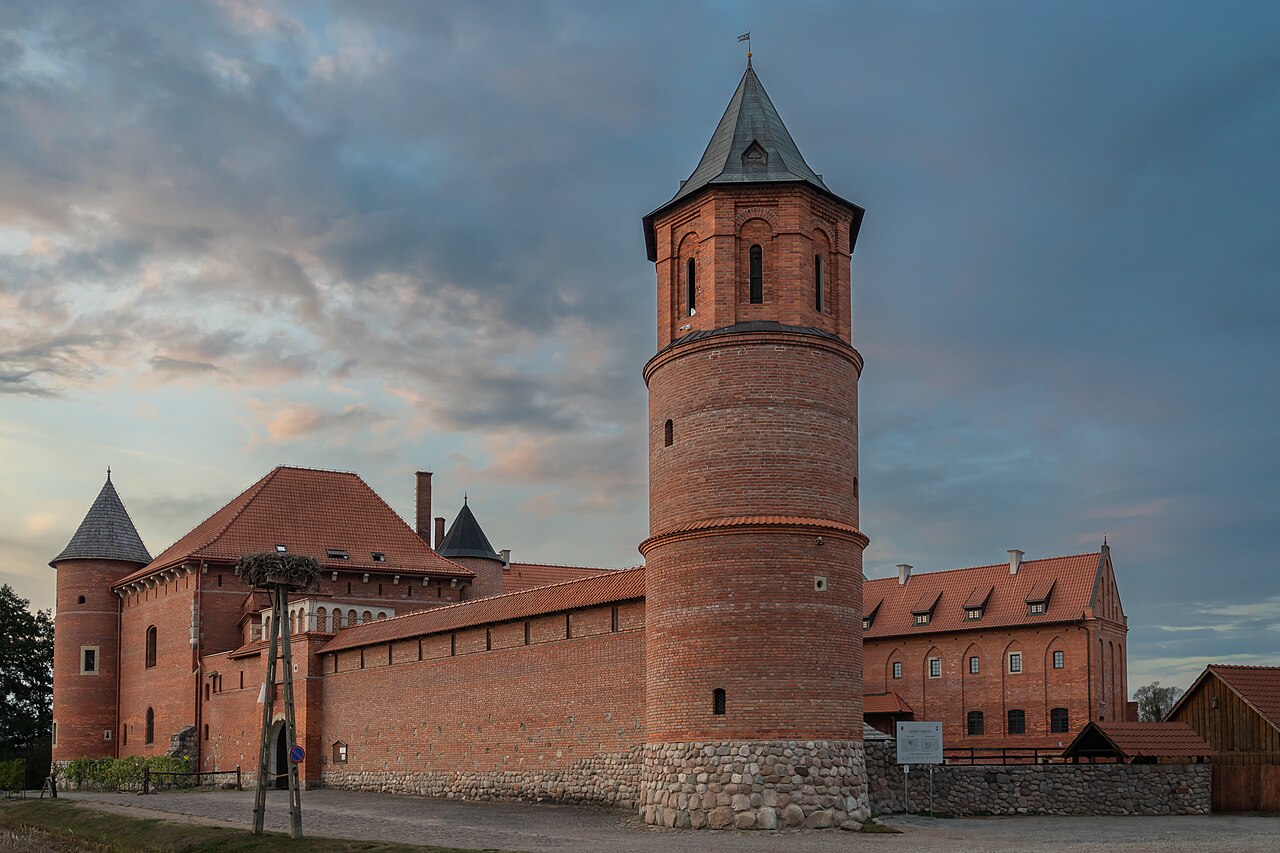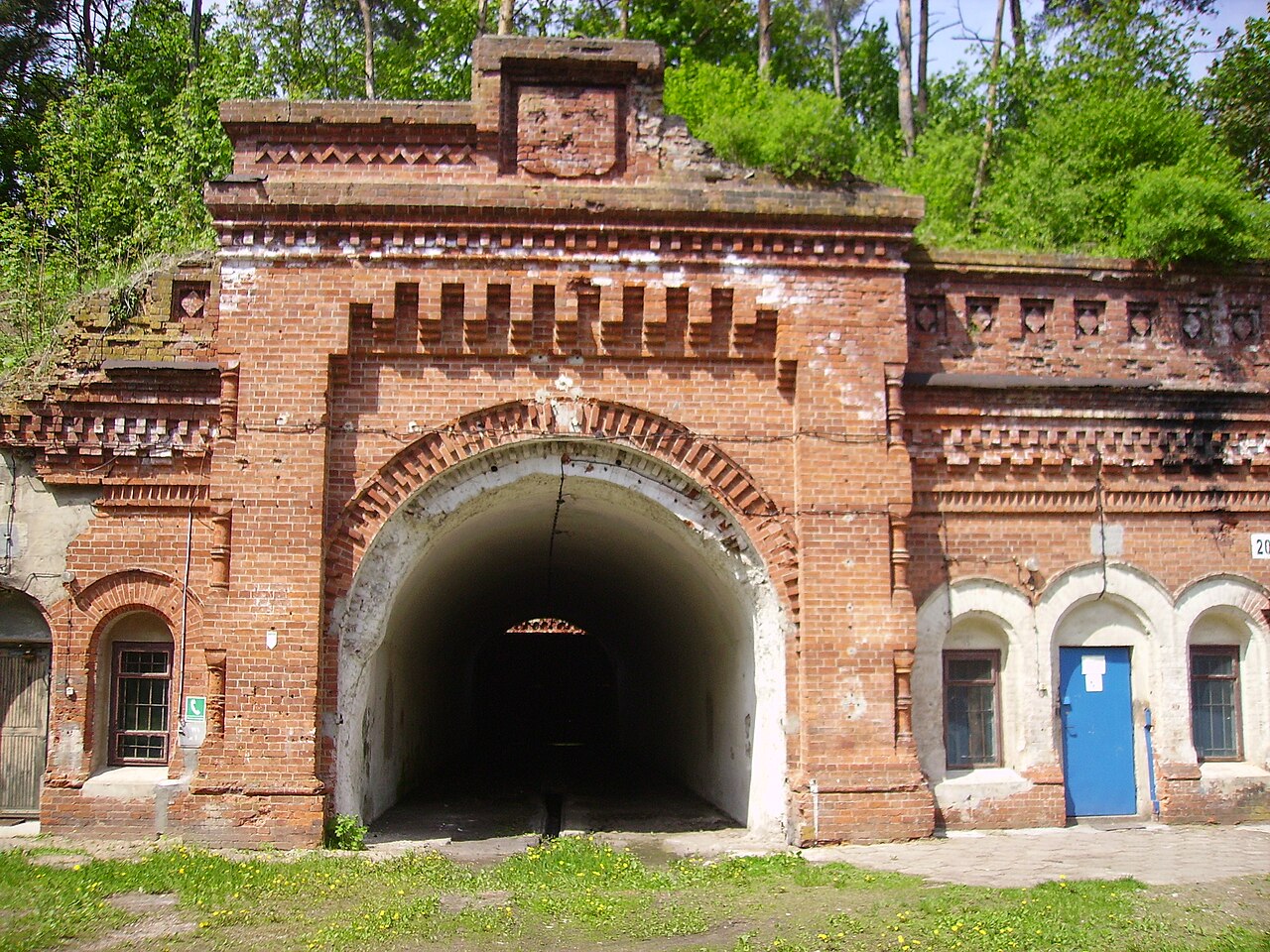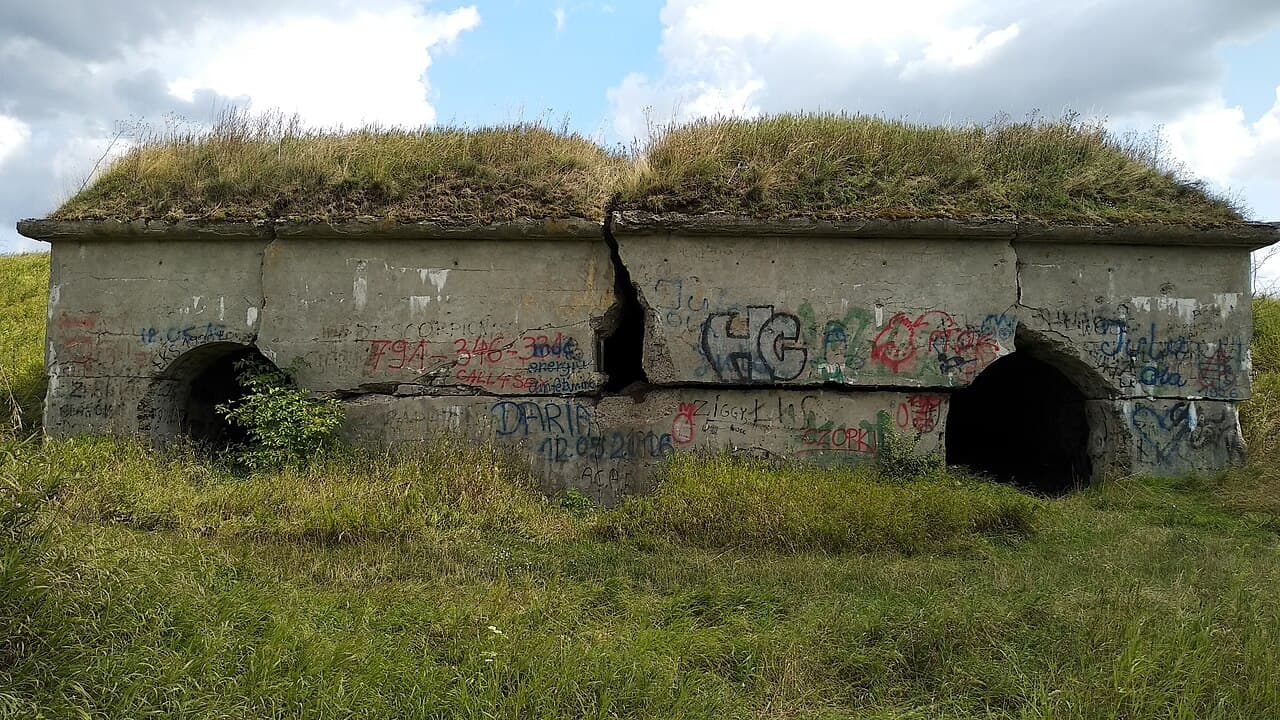
Fort III Piątnica is a significant example of a bastioned fortress located in Poland. It was constructed as part of a larger system of fortifications designed to strengthen military defense in the region. The fortress exemplifies the strategic military architecture of its time, featuring robust bastions, defensive walls, and other fortification elements intended to resist artillery attacks and provide overlapping fields of fire.
Historical context and construction
The construction of Fort III Piątnica took place during a period when modern military engineering emphasized the use of bastions to improve defensive capabilities. Bastioned fortresses became prominent from the 16th century onward, evolving through the Early Modern period, though specific construction dates for Fort III Piątnica align with late 19th or early 20th-century military expansions in Poland. The fortress was part of a network designed to protect key strategic points and served as a military stronghold during various conflicts.
Architectural features
The fortress is characterized by its distinctive bastions, which are angular projections from the main walls allowing defenders to cover adjacent walls with gunfire, eliminating blind spots. The walls are typically thick and constructed from durable materials to withstand artillery bombardment. Fort III Piątnica includes multiple defensive layers, such as moats or ditches surrounding the bastions, and fortified gates controlling access. The layout follows the principles of star forts, optimizing defense and troop movement within the complex.
Defensive structures
The bastions are connected by curtain walls, forming a polygonal shape that maximizes defensive coverage. Inside, there are casemates and barracks designed to house troops and munitions safely. The fortress also features underground passages and storage areas, typical of bastioned fortresses, to facilitate communication and supply during sieges.
Military significance
Fort III Piątnica played a role in regional defense strategies, particularly during times of heightened military tension in Poland. Its design reflects the adaptation of traditional fortress concepts to the challenges posed by modern artillery and warfare tactics. The fortress was likely involved in military operations or served as a deterrent against enemy advances.
Current condition and preservation
Today, Fort III Piątnica is recognized for its historical and architectural value. The fortress is in a state that can be described as partially preserved, with many of its bastions and walls still intact, though some areas may have suffered from neglect or damage over time. Efforts to maintain and restore the site contribute to preserving this example of military architecture for educational and cultural purposes.
Visiting Fort III Piątnica
The fortress attracts visitors interested in military history and fortress architecture. While specific visitor information such as opening hours and ticket prices may vary, the site offers a tangible connection to Poland's military past. Visitors can explore the remaining structures and gain insight into the design and function of bastioned fortresses.
Frequently asked questions (FAQ)
- How do I get to Fort III Piątnica?
- Fort III Piątnica is located in Piątnica, Poland, and is easily accessible by car or public transportation. If you're traveling by train, the nearest station is in Łomża, from where you can take a taxi or local bus to reach the castle.
- What is the historical significance of Fort III Piątnica?
- Fort III Piątnica is a prominent historical landmark that dates back to the 19th century, originally built as part of the Prussian fortifications. It played a crucial role in military history during various conflicts, particularly in World War I and II, serving as a defensive stronghold.
- When was Fort III Piątnica constructed?
- Construction of Fort III Piątnica began in 1877 and was completed in 1882. It was designed as a part of a series of fortifications to protect the region and has since become a symbol of the area's military heritage.
- Can I visit Fort III Piątnica year-round?
- Yes, Fort III Piątnica is open to visitors throughout the year, although specific tours may be limited during the winter months. It's best to check the official website or local tourism information for any seasonal changes in opening hours.
- Why is Fort III Piątnica considered an architectural marvel?
- Fort III Piątnica features unique architectural elements typical of 19th-century military fortifications, including earthworks, brick structures, and a strategic layout. Its design reflects the military engineering practices of its time, making it a fascinating site for architecture enthusiasts.
- Is it possible to take guided tours of Fort III Piątnica?
- Yes, guided tours are available at Fort III Piątnica, providing visitors with in-depth knowledge of its history and architecture. These tours are typically conducted by knowledgeable guides who can share interesting anecdotes and facts about the fort's significance.
- What are the ticket prices for visiting Fort III Piątnica?
- Tickets for visiting Fort III Piątnica are reasonably priced, with discounts available for students and seniors. It's advisable to check the official website for the most current pricing and any special offers that may be available.
- What are the opening hours for Fort III Piątnica?
- Fort III Piątnica generally opens to the public from 10 AM to 5 PM during the summer months, while winter hours may vary. Visitors should verify the opening times before planning their visit, as they can be subject to change.
- Are there any nearby attractions to visit after Fort III Piątnica?
- Yes, after visiting Fort III Piątnica, you can explore nearby attractions such as the picturesque town of Łomża, which boasts beautiful parks and historical sites. The region also offers scenic nature walks and other historical forts that are worth a visit.
Photo gallery

Information
Loading map...
Visitor reviews
No reviews yet. Been here? Write the first review and help other travelers!
Write the first reviewVisited this castle? Share your experience
Your review helps other travelers and adds first-hand knowledge to our encyclopedia.