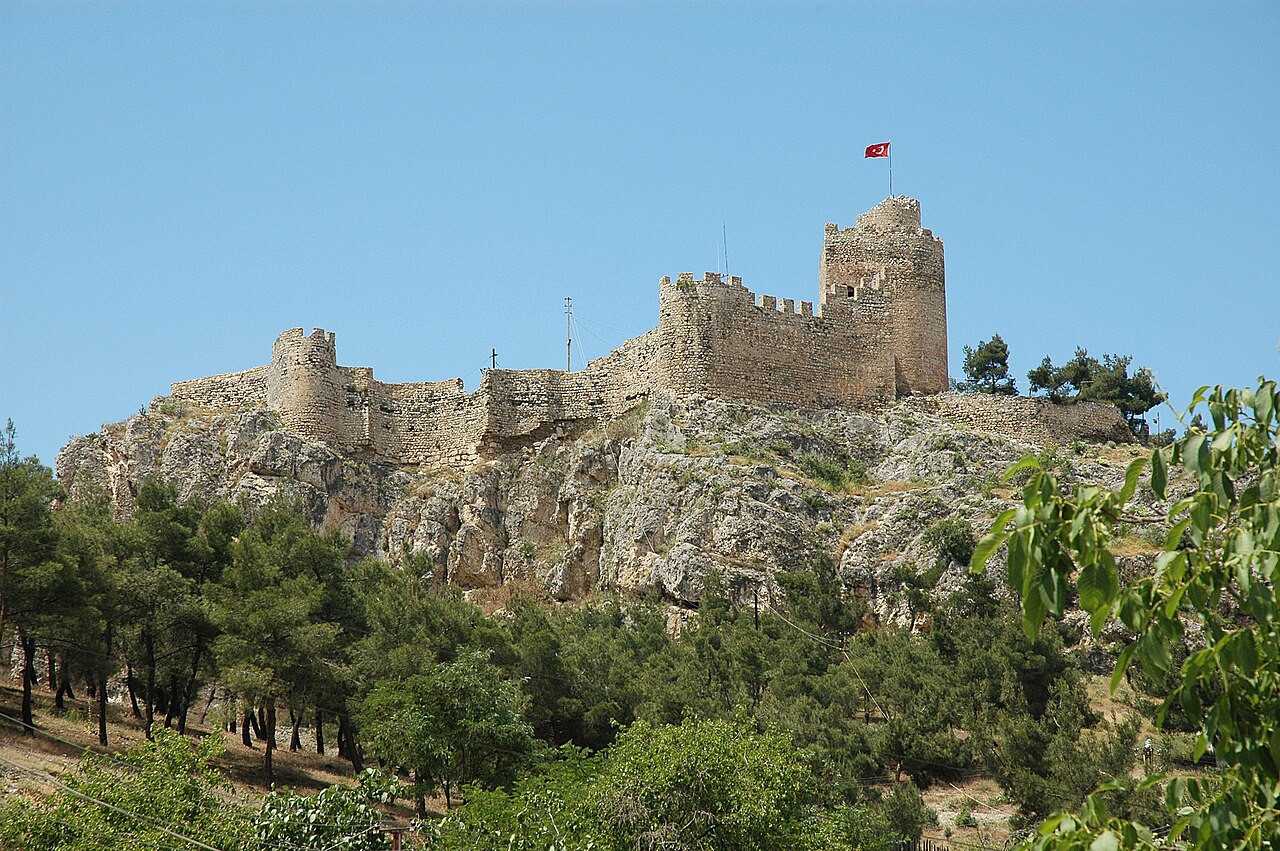
Osmancık Castle
Osmancık Castle, also known locally as Osmancık Kalesi or Kandiber Kalesi, is a historic fortress located in the town center of Osmancık, within the Çorum province of Turkey. The castle occupies a strategic position on an elongated rocky hill adjacent to the Kızılırmak River, the longest river entirely within Turkey. Its commanding vantage point provides extensive views over the surrounding landscape and the nearby Koyunbaba Bridge, a significant Ottoman-era stone arch bridge constructed in the 1480s.
Historical background and origins
The precise origins of Osmancık Castle remain uncertain, with various theories suggesting different builders and periods. While some architectural features hint at a Seljuk origin, other elements suggest it may have been initially constructed or significantly developed during the Byzantine Empire era. There are also claims linking the site to the ancient Hittites, though no definitive archaeological evidence supports this. The most plausible scenario is that the castle was primarily a Byzantine medieval fortress built on the site of an earlier structure, which was later rebuilt or modified by the Seljuks following their expansion into Anatolia.
During the Islamic period, the castle held strategic importance as it was situated along the Istanbul-Amasya trade route, facilitating control over commerce and military movements in the region. Despite its significance, detailed historical records about the castle's role in specific events or sieges are scarce.
Architectural features and layout
Osmancık Castle is classified as a hill castle due to its location on a rocky elevation. The fortress's elongated shape follows the natural contours of the hill, maximizing defensive advantages. Although much of the original structure has deteriorated over time, some remnants of the walls and towers remain visible, providing insight into its military architecture.
The castle's proximity to the Kızılırmak River was both strategic and practical. Historical accounts mention a network of tunnels descending from the castle down to the riverbank, likely used for water access or as secret escape routes during sieges. These tunnels, however, have not been extensively explored or preserved.
Within the castle walls, there was a residential neighborhood up until the mid-19th century, indicating that the fortress was not only a military installation but also a lived-in community. This residential area would have included houses, storage facilities, and possibly small workshops.
Later history and restoration efforts
Following the medieval period, the castle's military importance declined, especially after the construction of the nearby Koyunbaba Bridge by the Ottoman Empire in the late 15th century, which enhanced regional connectivity. Over the centuries, the fortress gradually fell into ruin, with many architectural details lost due to natural decay and human activity.
Between 2015 and 2019, significant efforts were made to consolidate the remaining structures and partially restore the site. These restoration works aimed to stabilize the ruins and transform the castle's interior into a public park, making it accessible and enjoyable for visitors. Today, Osmancık Castle is freely accessible during daytime hours, offering a combination of historical ambiance and scenic views.
Visiting Osmancık Castle
Visitors to Osmancık Castle can explore the castle grounds and appreciate its strategic location overlooking the Kızılırmak River and the historic Koyunbaba Bridge. While few detailed architectural elements remain, the site provides a tangible connection to the region's medieval past and the various cultures that influenced its development.
The castle's elevated position offers excellent photographic opportunities and a peaceful environment for walking and relaxation. Due to the limited preservation of structural details, visitors interested in castle architecture should focus on the site's historical context and landscape setting.
Significance and cultural heritage
Osmancık Castle represents a layered historical narrative reflecting the diverse civilizations that have occupied Anatolia. Its uncertain origins and architectural features embody the complex interactions between the Byzantine Empire, the Seljuks, and later Ottoman influences. As a heritage site, it contributes to understanding the military and trade networks that shaped the region.
Despite its modest remains, the castle continues to be a focal point for local identity and tourism in Osmancık, highlighting the importance of preserving and interpreting historical sites even when physical evidence is limited.
Frequently asked questions (FAQ)
- How do I get to Osmancık Castle?
- Osmancık Castle is located in the town center of Osmancık in Çorum province, Turkey. It is accessible by local roads and can be reached by car or public transport from nearby cities.
- What is the historical significance of Osmancık Castle?
- Osmancık Castle served as a strategic fortress on the Istanbul-Amasya trade route during the medieval period. It reflects the influence of Byzantine and Seljuk architecture and regional military history.
- Can I explore the tunnels beneath Osmancık Castle?
- There are reportedly tunnels descending from the castle to the Kızılırmak River, but they are not open to the public or fully explored due to safety concerns.
- Is there an entrance fee to visit Osmancık Castle?
- No, Osmancık Castle is freely accessible during daytime hours with no entrance fee.
- What can I expect to see at Osmancık Castle?
- Visitors can explore the castle ruins, enjoy panoramic views of the Kızılırmak River and the historic Koyunbaba Bridge, and walk through the public park established within the castle grounds.
Information
Opening hours
Daytime, freely accessible
Ticket prices
Free
Current owner
Municipality
Loading map...
Visitor reviews
No reviews yet. Been here? Write the first review and help other travelers!
Write the first reviewVisited this castle? Share your experience
Your review helps other travelers and adds first-hand knowledge to our encyclopedia.