Orša Castle
Orša Castle stands as a significant medieval fortress located in the city of Orsha, Belarus. Constructed during the late 14th to early 15th century by the Grand Duchy of Lithuania, it was strategically positioned to defend key waterways and regional borders. This hill castle played a vital role in the military and political landscape of Eastern Europe for several centuries, witnessing numerous conflicts and changes in control.
Early construction and architectural features
Construction of Orša Castle began between 1398 and 1407, under the direct patronage of Grand Duke Vytautas. The project involved local craftsmen and a master mason from Królewiec (modern-day Königsberg), reflecting a blend of regional building traditions and advanced masonry techniques of the period. Although originally planned as a fully stone fortress, economic and political challenges led to a hybrid structure combining stone walls with wooden defensive elements.
The castle's foundation was laid on a lime-based bed approximately one meter thick, composed of medium-sized stones mixed with clay, sand, and broken bricks. The walls exhibited a distinctive striped masonry style, alternating layers of rough stone with rows of large bricks arranged in a Baltic pattern. This technique not only enhanced structural integrity but also gave the fortress a unique aesthetic characteristic of late medieval Baltic architecture.
The defensive perimeter extended roughly 354 meters and was anchored by five towers, each serving specialized roles. The main entrance faced west, accessed via a bridge over a moat fed by the Orshytsa River. This bridge included a drawbridge section operated by chains, allowing controlled access during sieges. The gatehouse was a two-story wooden structure on a brick foundation, equipped with a complex locking mechanism and armed with large bronze and iron cannons to repel attackers.
Strategic importance and military history
Throughout the 15th and early 16th centuries, Orša Castle was a critical stronghold in the region, enduring multiple military engagements. It was occupied by Muscovite forces in 1500 and survived sieges in 1507 and 1519. After its recapture by Lithuanian forces in 1503, the castle played a defensive role near the 1514 battle where Muscovite troops were defeated in the surrounding area.
By the early 17th century, under the rule of King Sigismund III of the Polish-Lithuanian Commonwealth, the fortress was completed in stone, reaching walls up to eight meters high on vulnerable sides and about 5.3 meters where natural river defenses existed. Wooden fortifications extended beyond the stone walls, creating a layered defensive system that combined durability with flexibility.
The mid-17th century Russo-Polish War (1654–1667) brought repeated occupations and damage. Russian forces seized the castle in 1654, briefly lost it to forces led by the Radziwiłł family, and then regained control until the war's end. The castle sustained significant damage during these conflicts and was eventually abandoned as a military fortification.
Architectural layout and defensive mechanisms
The fortress's five towers fulfilled distinct defensive and logistical functions. One tower on the Dnieper River bank housed a cannon and was adjacent to a wooden water storage structure supplying fresh river water. Another tower served as an armory, or zeikhgauz, storing a substantial arsenal including hand cannons (hakovnytsas), arquebuses, small iron cannons, cannonballs, lead, and gunpowder.
The battlement gallery, locally known as an oblanok, was supported by projecting wooden beams along the walls. This gallery allowed defenders to position cannons and other firearms for effective coverage of the fortress perimeter. A large alarm bell hung near the entrance to warn of approaching threats.
Inside the stone walls, a wooden enclosure divided into 101 plots, called gorodnya, provided temporary shelter and storage for residents, including nobility, townsfolk, and peasants from the surrounding district during times of conflict.
Decline and archaeological significance
Following the destruction incurred during the mid-17th century wars and later conflicts such as the Great Northern War, Orša Castle fell into disuse and ruin. It was not restored as a military fortress and gradually deteriorated. Archaeological excavations in 2003 uncovered the castle's foundational lime base and confirmed historical descriptions of its construction techniques and materials.
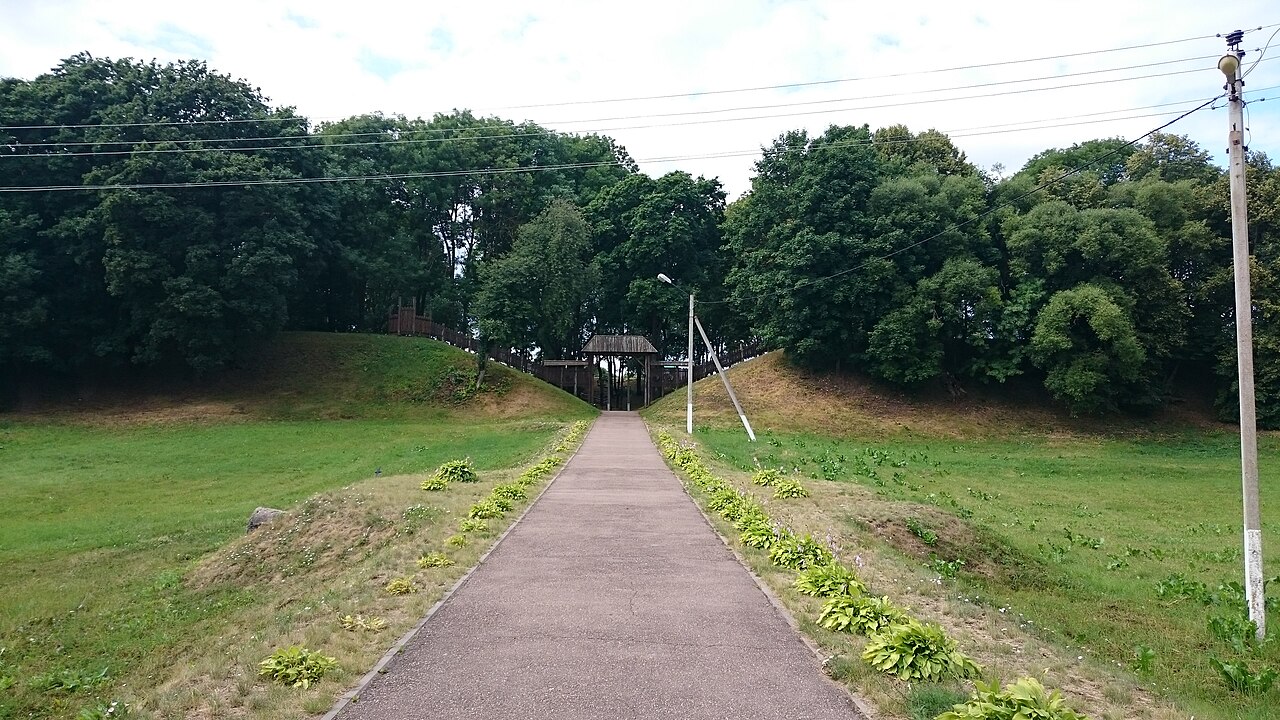
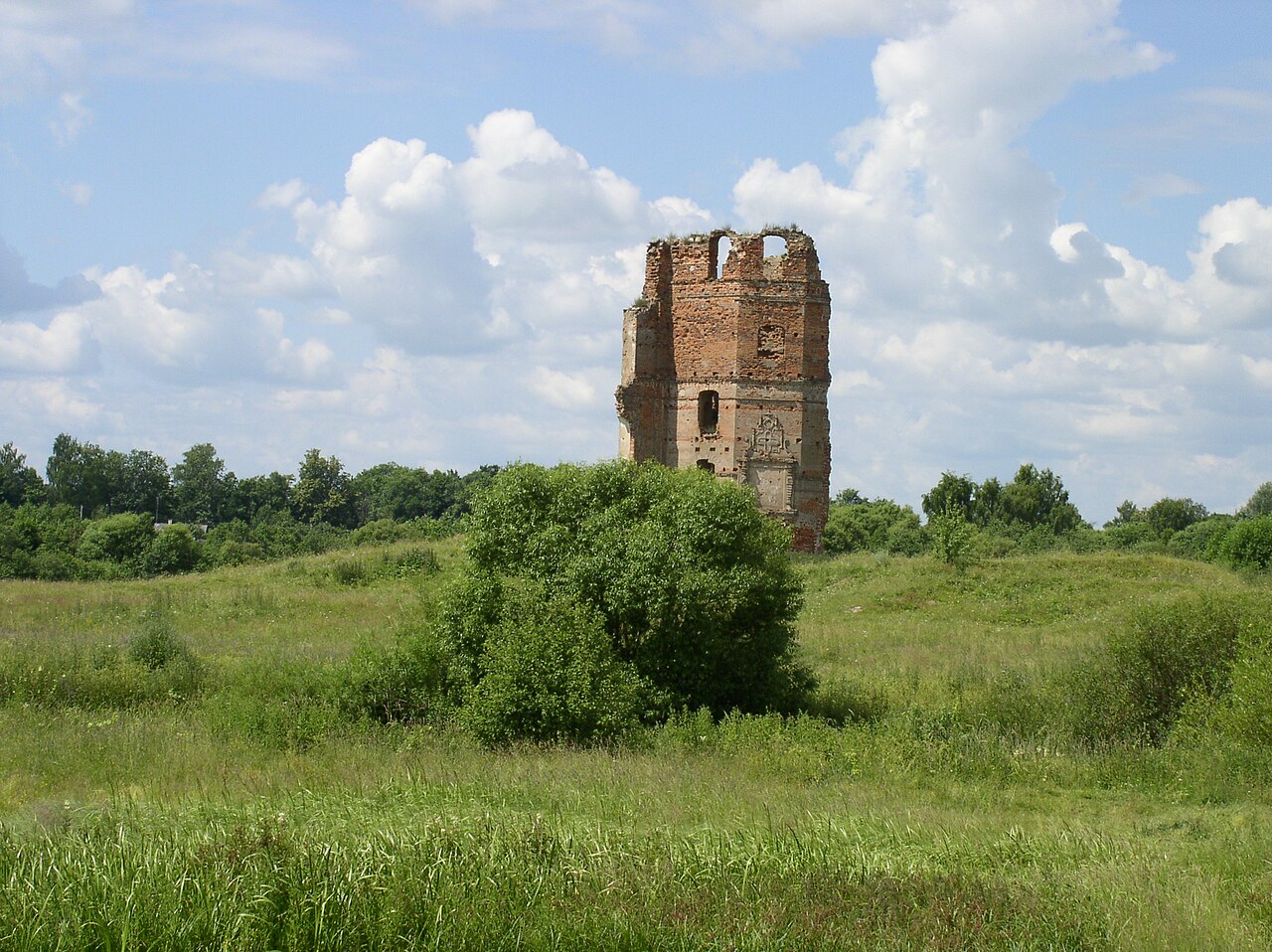
Today, the remains of Orša Castle offer valuable insights into medieval defensive architecture in Eastern Europe, showcasing a rare example of a fortress that combined stone and wooden structures in a strategic hilltop location. The castle's history reflects the turbulent political and military struggles of the region, as well as the communal efforts of local inhabitants who maintained and defended the fortress over centuries.
Cultural heritage and visitor information
While the castle now exists primarily as archaeological ruins, it remains a culturally significant monument in Belarus. Its distinctive striped masonry and surviving defensive features attract historians, architects, and visitors interested in medieval fortifications. The site illustrates the evolution of military architecture and regional defense strategies from the late medieval period through the early modern era.
Visitors to Orsha can explore the castle's remains and learn about its historical context through local museums and guided tours. The castle's location near the Dnieper River adds to its scenic and strategic importance, offering a tangible connection to the past conflicts that shaped Eastern European history.
Frequently asked questions (FAQ)
- When was Orša Castle built?
- Orša Castle was constructed between 1398 and 1407 during the late medieval period under the Grand Duchy of Lithuania.
- What architectural style characterizes Orša Castle?
- The castle features a distinctive striped masonry combining rough stone and large bricks in a Baltic pattern, typical of late medieval Baltic defensive architecture.
- Can visitors explore Orša Castle today?
- Today, Orša Castle exists primarily as archaeological ruins, but visitors can explore the site and learn about its history through local museums and guided tours.
- What was the strategic importance of Orša Castle?
- Orša Castle was a key defensive fortress controlling important waterways and regional borders, playing a significant role in conflicts between Lithuania, Poland, and Muscovy.
- How did the castle's defenses function?
- The castle combined stone walls up to eight meters high with wooden fortifications, towers armed with cannons, a drawbridge over a moat, and a battlement gallery for positioning firearms.
Information
Loading map...
Visitor reviews
No reviews yet. Been here? Write the first review and help other travelers!
Write the first reviewVisited this castle? Share your experience
Your review helps other travelers and adds first-hand knowledge to our encyclopedia.