Orbeliani Castle
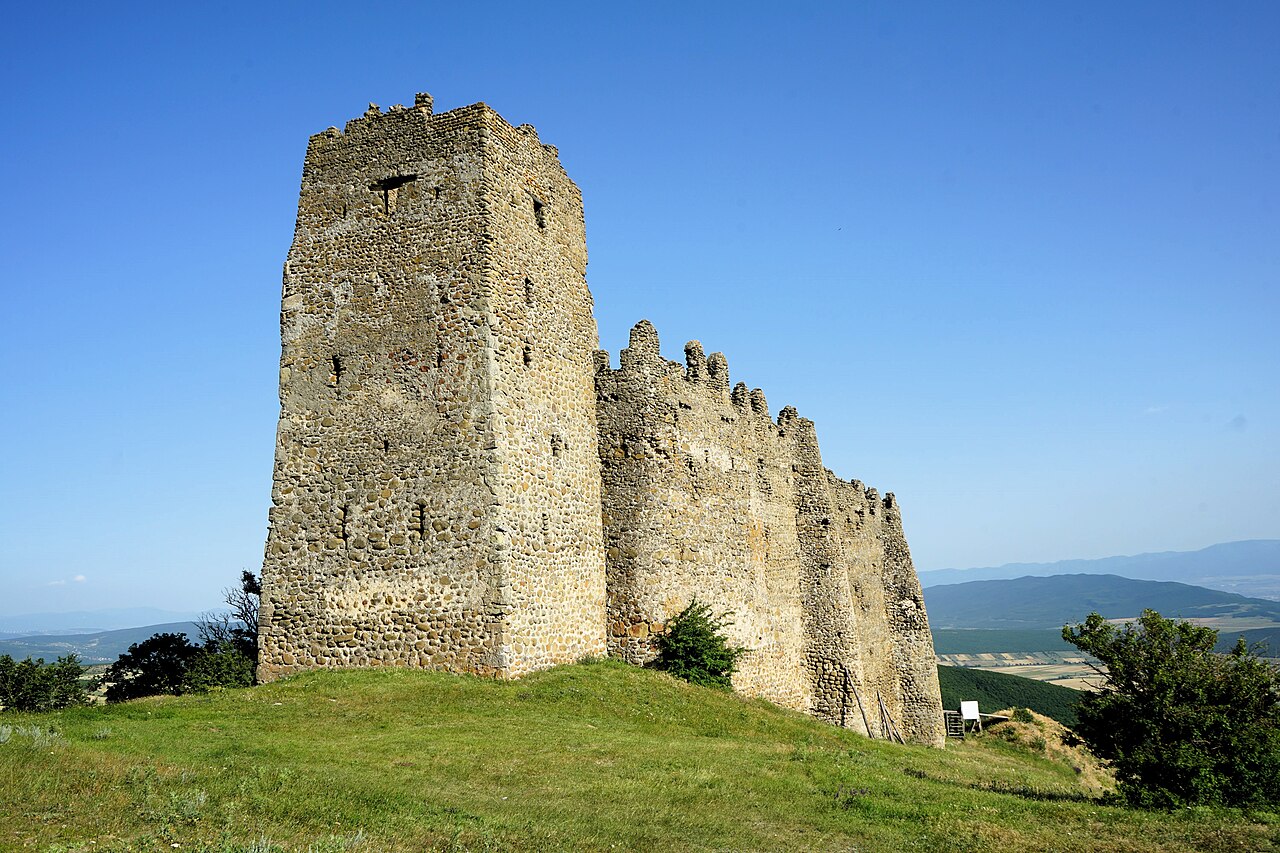
Orbeliani Castle, also known locally as Jambakur-Orbeliani Palace, is a significant historical fortress located in the village of Lamiskana within the Kaspi municipality, part of the Shida Kartli region in Georgia. This castle stands prominently on the edge of a mountain slope, commanding expansive views over the Ksani River valley. Its strategic position highlights its historical role in regional defense and governance during the 18th and 19th centuries.
Historical background and ownership
The castle was originally constructed in the 18th century by the Dukes of Ksani or a member of their family, reflecting the architectural and military needs of the post-Renaissance period in Georgia. The Dukes of Ksani were influential nobles whose power extended across the region, and Orbeliani Castle served as a fortified residence and administrative center.
In the early 19th century, a significant addition was made to the castle complex when Prince Ivane Orbeliani commissioned the construction of a palace on the southern curtain wall. This palace introduced residential and representational functions to the fortress, blending defensive architecture with noble living quarters.
By the mid-19th century, the castle was owned by Count Alexander Orbeliani and his wife Mariam Jambakur-Orbeliani. Both were prominent figures in Georgian social activism and literary circles, contributing to the cultural life of the country during a period of national awakening. Their stewardship of the castle marks an important chapter in its history, linking it to Georgian intellectual and social movements of the time.
Architectural features and layout
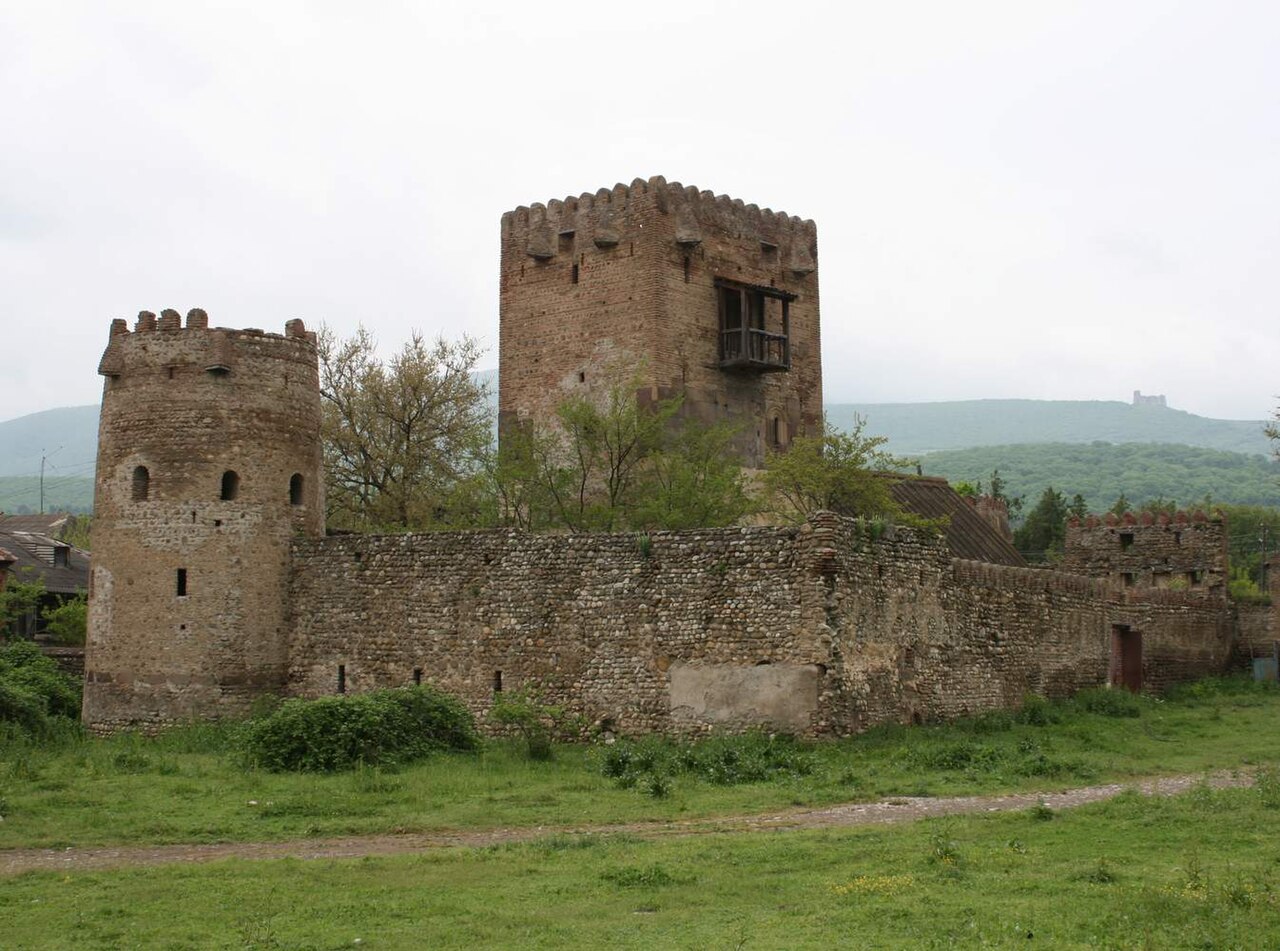
Orbeliani Castle is characterized by a rectangular ground plan fortified with round corner towers that enhance its defensive capabilities. The choice of round towers was typical in fortifications of the period, as they better deflected projectiles and provided wider fields of fire compared to square towers.
The castle's position on a mountain slope not only provided natural defense but also offered commanding views for surveillance of the surrounding landscape, particularly the Ksani River valley. This vantage point was crucial for early warning against potential invaders and for control over the region.
Attached to the northwest corner tower is the St. Giorgi Orthodox Church, a small but significant religious structure that served the spiritual needs of the castle's inhabitants. The integration of a church within the castle complex reflects the importance of Orthodox Christianity in Georgian noble life and the customary inclusion of places of worship within such estates.
The two-storey palace built in the 19th century features wooden balconies on all sides, which are notable architectural elements providing both aesthetic appeal and functional outdoor space. These balconies also exemplify local building traditions and craftsmanship, adding a residential elegance to the otherwise military structure.
Current status and museum use
Today, Orbeliani Castle functions as a museum open to the public during designated hours. The museum offers visitors a glimpse into the castle's historical and cultural significance, although the exhibits are primarily accompanied by texts in Georgian, and the staff communicates mainly in the local language. This limits accessibility for international tourists but preserves the castle's authentic Georgian heritage.
The museum's interior is relatively sparse, focusing on the preservation of the castle's architectural integrity rather than extensive displays. Visitors often appreciate the castle's wooden balconies and the overall atmosphere of the fortress, which combines military robustness with noble residential features.
Architectural and cultural significance
Orbeliani Castle exemplifies the fusion of defensive and residential architecture typical of Georgian noble estates in the post-Renaissance era. Its construction and later modifications reflect the evolving needs of Georgian aristocracy, balancing security with comfort and social representation.
The castle's association with the Orbeliani family, particularly Count Alexander and Mariam Jambakur-Orbeliani, ties it to important cultural and social developments in 19th-century Georgia. Their engagement in literary and social activism situates the castle not only as a military stronghold but also as a center of intellectual life.
Architecturally, the castle's rectangular layout with round towers, the presence of a dedicated church, and the wooden balconies of the palace section illustrate regional building practices and the integration of various functions within a single complex.
Visiting information and practical details
Visitors to Orbeliani Castle can explore its historical structures and enjoy panoramic views of the Ksani River valley. While the museum lacks multilingual support, it offers a unique opportunity to experience Georgian heritage in an authentic setting.
The castle's location in Lamiskana village within the Shida Kartli region makes it accessible for travelers interested in Georgian history and architecture. The site is best visited during daylight hours when the surrounding landscape and architectural details are most visible.
Frequently asked questions (FAQ)
- What is the historical significance of Orbeliani Castle?
- Orbeliani Castle, located in the picturesque Lamiskana region of Georgia, dates back to the 17th century and has played a crucial role in the region's history. It served as a stronghold for local nobility and has witnessed numerous historical events that shaped the area. Today, it stands as a testament to Georgian architectural heritage and cultural identity.
- When was Orbeliani Castle built?
- Orbeliani Castle was constructed in the late 17th century, during a period of significant political change in Georgia. Its architecture reflects the styles of that era, combining defensive features with aesthetic elements typical of Georgian castles. The castle has undergone several restorations to preserve its historical integrity.
- Can I visit Orbeliani Castle?
- Yes, Orbeliani Castle is open to visitors. It offers a unique opportunity to explore its stunning architecture and learn about its rich history. Guided tours are available to enhance your experience and provide in-depth information about the castle's significance.
- What are the opening hours of Orbeliani Castle?
- Orbeliani Castle is typically open to visitors from 10 AM to 6 PM, though hours may vary seasonally. It is advisable to check ahead for any special events or closures that may affect visiting hours. Planning your visit during weekdays could help you avoid larger crowds.
- How much are the ticket prices for Orbeliani Castle?
- The ticket prices for Orbeliani Castle are quite affordable, usually ranging from 5 to 10 GEL for adults. Discounts may be available for students, seniors, and children, making it accessible for families and educational groups. It's a small price to pay for a glimpse into Georgia's rich history!
- Is it possible to access Orbeliani Castle with a wheelchair?
- Unfortunately, Orbeliani Castle has limited accessibility for visitors with mobility challenges. The castle's historic structure includes uneven pathways and stairs that may pose difficulties. However, the management is working on improving accessibility features for future visitors.
- When is the best time to visit Orbeliani Castle?
- The best time to visit Orbeliani Castle is during the spring and fall months when the weather is mild and pleasant. This allows for a more enjoyable exploration of the castle grounds and surrounding landscapes. Additionally, these seasons typically see fewer tourists, providing a more intimate experience.
- What nearby attractions can I visit while in Lamiskana?
- While visiting Orbeliani Castle, you can explore several nearby attractions such as the scenic Lamiskana village and local vineyards. The region is known for its stunning natural landscapes and rich cultural heritage, making it an excellent destination for a day trip. Don't miss out on sampling local dishes and wines that the area is famous for!
Information
Loading map...
Visitor reviews
No reviews yet. Been here? Write the first review and help other travelers!
Write the first reviewVisited this castle? Share your experience
Your review helps other travelers and adds first-hand knowledge to our encyclopedia.