Kvemo Chala Towers
The Kvemo Chala Towers are prominent historical structures located in the village of Kvemo Chala, within the Kaspi municipality of the Shida Kartli region in Georgia. These towers, alongside the nearby Amilakhvari Castle, represent significant remnants of Georgian noble architecture from the 18th century. Together, these fortifications formed a strategic defensive complex that played a role in the region's turbulent history.
Historical context and the Amilakhvari family
The towers and castle were constructed by the Amilakhvari family, a notable Georgian noble lineage with considerable influence in the area. The Amilakhvari Castle itself dates back to the late 17th century, specifically the 1670s and 1680s, predating the towers by about a century. The castle was part of a larger complex, now mostly lost, that served as a fortified residence and military stronghold.
During the 18th century, Georgia faced numerous conflicts involving the Ottoman Empire and Persian forces under Nader Shah. Prince Givi Amilakhvari was a key figure in these struggles, and the fortifications reflect the need for enhanced defense mechanisms. The towers and the castle were interconnected visually and strategically, including intervisibility with Skhvilo Castle located in the hills to the east, allowing for communication and coordinated defense.
Architectural features of the Kvemo Chala towers
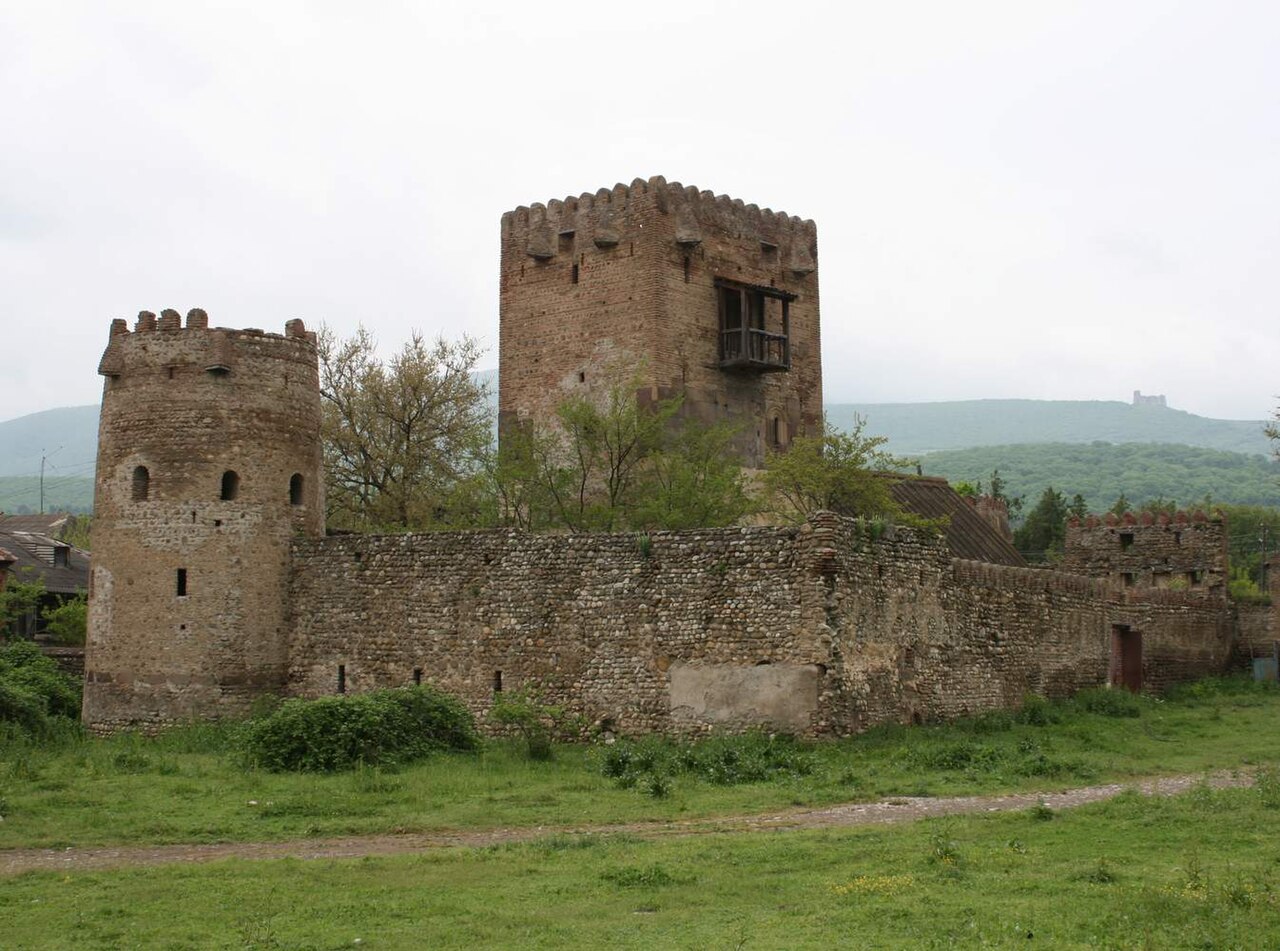
The Kvemo Chala Towers are the remains of two smaller castles, each with distinctive characteristics. The northern tower has undergone restoration and now forms part of a structure resembling a residence. This tower's restoration has preserved its exterior and some interior elements, making it accessible to visitors.
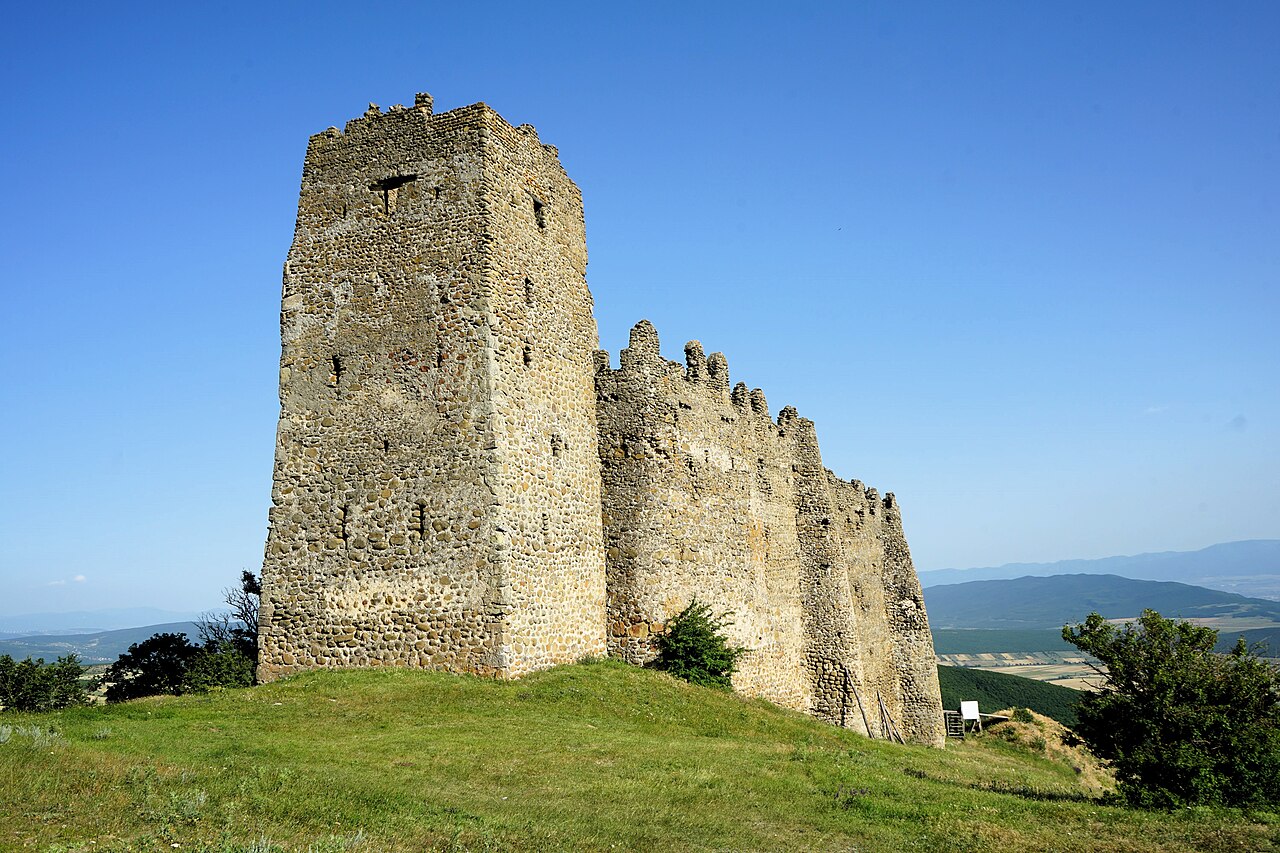
The southern tower, known as the Amindino Amilakhvari Tower, is larger but remains in a more ruined state. Its interior is currently inaccessible due to safety concerns. Adjacent to this tower is a small church, which is believed to be contemporary with the tower, suggesting a combined religious and defensive function.
Both towers exemplify post-Renaissance Georgian fortification architecture, reflecting adaptations to the military needs of the time. Their robust masonry, narrow windows for archers, and elevated positions underscore their defensive purposes. The towers' proximity to the main Amilakhvari Castle created a fortified network enhancing the security of the noble family and their holdings.
Amilakhvari castle: structure and defensive elements
The Amilakhvari Castle is a rectangular fortress featuring several key components. It includes a now-ruined castle hall on the western side, a church with an adjoining keep, and two round corner towers that provided vantage points for defense. Originally, the tower next to the church was intended to be a bell tower but was converted into a keep during the mid-18th century due to escalating threats.
This transformation highlights the castle's adaptability to changing political and military circumstances. The keep served as a last line of defense and a symbol of the Amilakhvari family's status. The castle's design integrates both residential and military functions, typical of Georgian noble fortifications of the period.
Intervisibility and strategic location
The defensive complex of Kvemo Chala, including the towers and Amilakhvari Castle, was strategically positioned to maintain visual contact with Skhvilo Castle on the nearby hills. This intervisibility was crucial for early warning and communication across the region, especially during times of conflict.
The location in the Shida Kartli region placed these fortifications in a contested area historically prone to invasions and skirmishes. The combination of natural terrain and constructed defenses enhanced the overall security of the noble estates.
Current condition and visitor information
Today, the northern Kvemo Chala Tower has been restored and is accessible to visitors, offering insight into the living conditions and defensive architecture of the period. The Amindino Amilakhvari Tower remains in a partially ruined state, with only its exterior visible to the public. The adjacent small church adds to the cultural and historical interest of the site.
The Amilakhvari Castle itself is freely accessible and presents a well-preserved example of Georgian feudal architecture. Visitors can explore the castle's exterior, including its towers and church, though some interior areas are in ruins.
These sites collectively provide a valuable glimpse into the military and residential architecture of Georgian nobility in the post-Renaissance period. The combination of restored and ruined structures allows for a comprehensive understanding of the region's history and architectural evolution.
Architectural significance and style
The Kvemo Chala Towers and Amilakhvari Castle are representative of post-Renaissance Georgian military architecture. Their design incorporates elements suited to the defensive needs of the 17th and 18th centuries, including thick stone walls, narrow arrow slits, and elevated vantage points.
The castle's mixed use of rectangular and round towers reflects a blend of traditional Georgian fortification styles with adaptations influenced by regional conflicts. The presence of a church within the castle complex also underscores the integration of religious and secular functions in noble residences.
Restoration efforts
The restoration of the northern tower demonstrates contemporary efforts to preserve Georgian cultural heritage. By maintaining the structural integrity and some interior features, the restoration allows for educational and tourism opportunities while safeguarding the site's historical value.
Visiting tips and nearby attractions
The Kvemo Chala Towers and Amilakhvari Castle are located close to each other in the village of Kvemo Chala, making them convenient to visit together. Visitors are encouraged to explore the exterior of both towers and the castle grounds.
Nearby, the Skhvilo Castle offers additional historical interest and can be reached by a hike into the surrounding hills. The region's rich history and scenic landscapes provide a rewarding experience for those interested in Georgian medieval and post-medieval architecture.
Frequently asked questions (FAQ)
- What is the historical significance of the Kvemo Chala Towers?
- The Kvemo Chala Towers were part of a defensive network owned by the Amilakhvari noble family in the 18th century, reflecting Georgian post-Renaissance military architecture.
- Can visitors enter the Amindino Amilakhvari Tower?
- No, the Amindino Amilakhvari Tower is in a ruined state and its interior is not accessible to visitors for safety reasons.
- Is there intervisibility between Kvemo Chala Towers and other nearby fortifications?
- Yes, the towers and Amilakhvari Castle have intervisibility with Skhvilo Castle in the hills east of the village, allowing for strategic communication.
- Are the Kvemo Chala Towers and Amilakhvari Castle open to the public?
- The northern Kvemo Chala Tower and Amilakhvari Castle are accessible to visitors, while the southern tower can only be viewed from the outside.
- What architectural features are notable in the Kvemo Chala Towers?
- The towers feature thick stone walls, narrow arrow slits, and elevated positions typical of Georgian defensive structures from the 18th century.
Information
Loading map...
Visitor reviews
No reviews yet. Been here? Write the first review and help other travelers!
Write the first reviewVisited this castle? Share your experience
Your review helps other travelers and adds first-hand knowledge to our encyclopedia.