Oponice Castle Ruins
Oponice Castle, perched strategically on the western ridge of the Tribeč Mountains above the village of Oponice in Slovakia, is a remarkable example of a High Medieval hill castle with a layered history spanning several centuries. Built in the second half of the 13th century, it was originally constructed by Peter from the Csák clan, a powerful noble family of the region. The castle was first documented in 1300 as 'Oponh', marking its early significance in guarding the central Nitra area under the dominion of Matúš Čák of Trenčín, one of the most influential lords of medieval Slovakia.
The castle's importance continued through the centuries, transitioning ownership to various noble families, most notably the Apponyi dynasty from 1392 onward, founded by Nicholas Ewres. The Apponyis were instrumental in expanding and strengthening the castle, especially during the turbulent times of Ottoman incursions into Central Europe. Their stewardship lasted until the death of the last family member, Henrich Apponyi, in 1935, preserving the castle's aristocratic legacy despite its physical decline.
Historical significance and ownership
The castle initially served as a defensive stronghold for the Csák clan, guarding their extensive territories. After the death of Matúš Čák in 1321, the castle's control shifted to the royal exchequer before becoming hereditary property of Nicholas Ewres in 1392. The Apponyi family maintained the castle for centuries, overseeing its development and use as both a noble residence and military fortress.
In 1430, the castle endured a significant assault by Hussite forces, reflecting the religious and political upheavals of the time. Although damaged, it was promptly repaired, demonstrating its resilience and strategic value. The 16th and early 17th centuries saw the castle playing a critical role in regional defense against the advancing Ottoman Turks. However, internal disputes within the Apponyi family, especially a land conflict beginning in 1612, led to the castle's gradual abandonment.
The castle suffered a devastating fire in 1645, accelerating its decline. Subsequently, it was intermittently used by the Kurucs, Hungarian insurgents opposing Habsburg rule, until imperial forces captured and demolished it in the early 18th century. Despite this, the Apponyi family preserved the castle's memory and some architectural elements until the early 20th century.
Architectural features and layout
Defensive structures
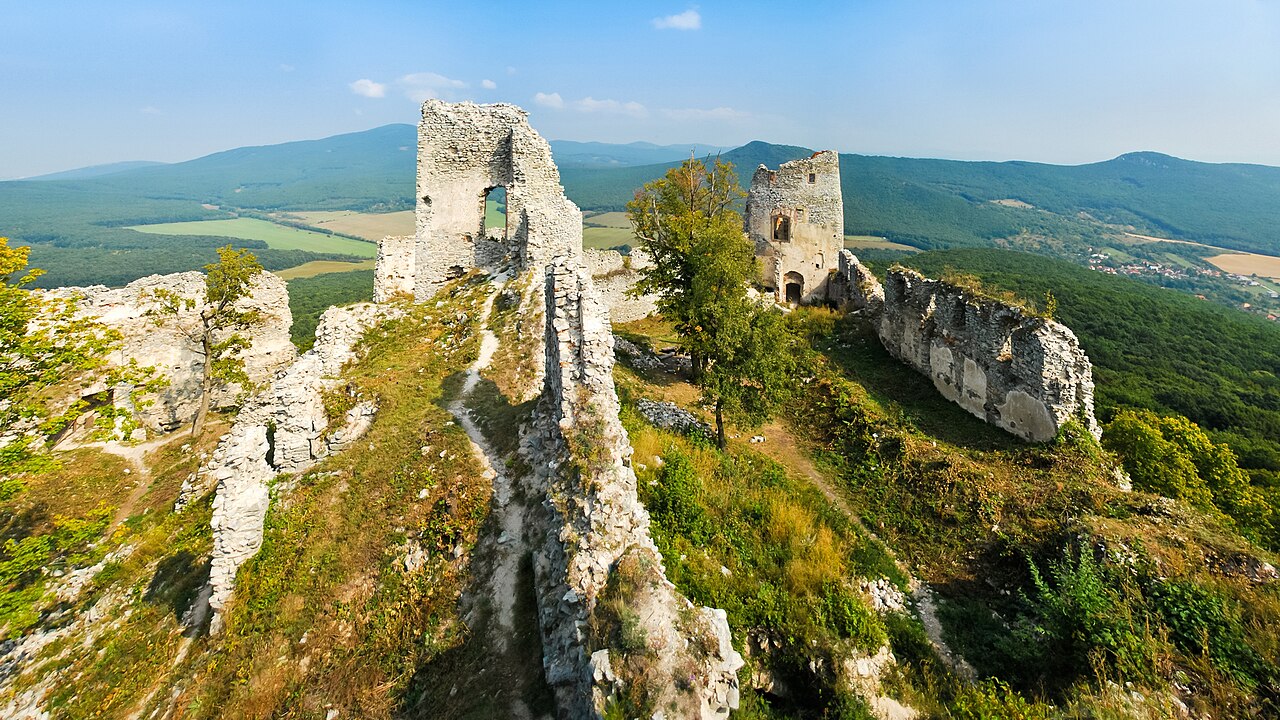
Oponice Castle is a classic example of a hill castle, utilizing its elevated position for defense. The ruins reveal the outline of a fortified perimeter wall enclosing the core castle area, resembling a parkán—a fortified courtyard surrounded by protective walls. The western side of the castle retains a well-preserved corner bastion, a crucial defensive feature designed to cover vulnerable angles and repel attackers.
Residential and economic buildings
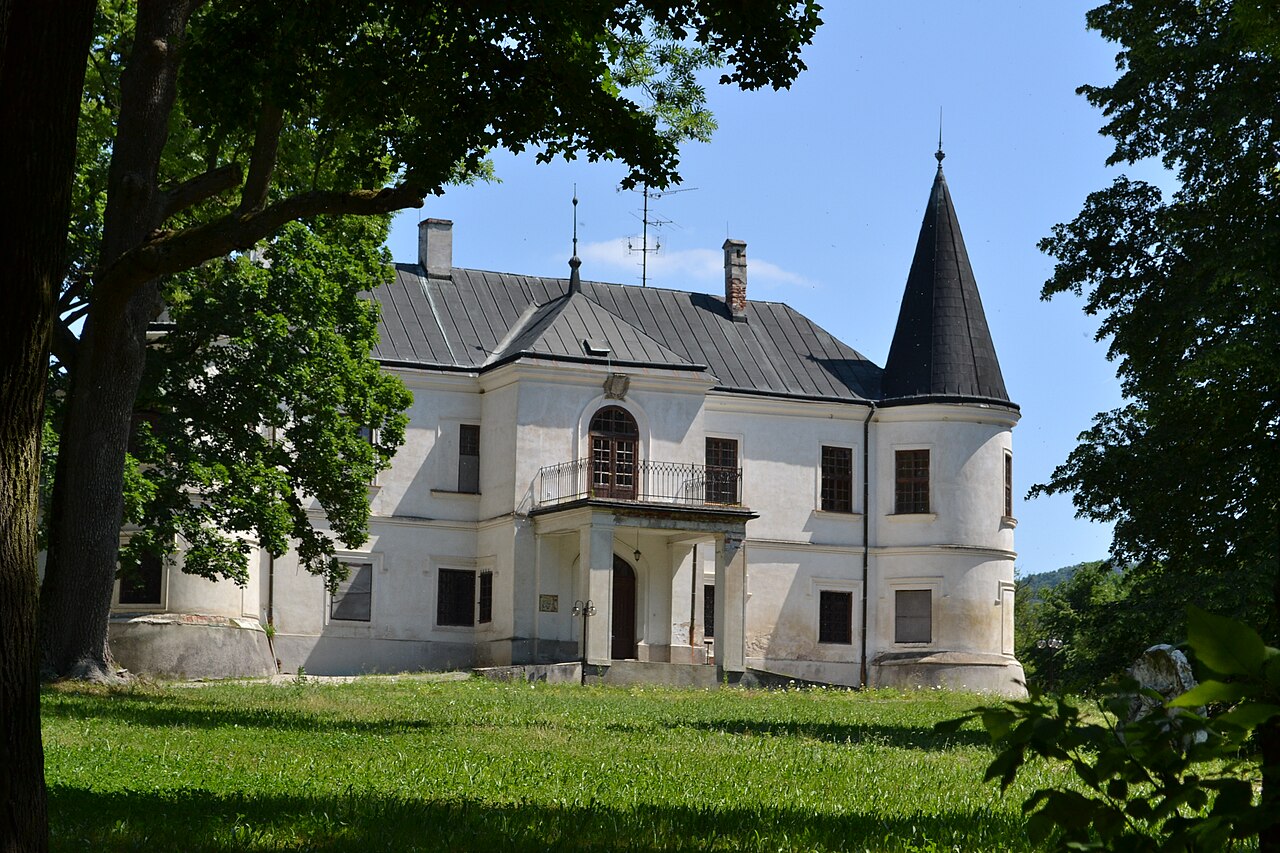
Within the defensive walls lie the foundations and partial walls of various structures that once housed the castle's inhabitants and supported its economic functions. The most notable surviving building is the Apponyi palace, a Renaissance-style residence dating to the 16th century. This palace represents the last significant architectural addition to the castle complex, reflecting the transition from purely military fortification to noble residence.
The original tallest tower of the castle, which once dominated the small complex, has not survived, but the remaining ruins provide insight into the castle's layout, including a central courtyard surrounded by living quarters and service buildings.
Decline and current state
The castle's decline began with internal family disputes and was hastened by the fire of 1645, after which the Apponyi family relocated to the village below. The castle was then intermittently used by insurgent forces but was ultimately demolished by imperial troops in the early 18th century to prevent its military use.
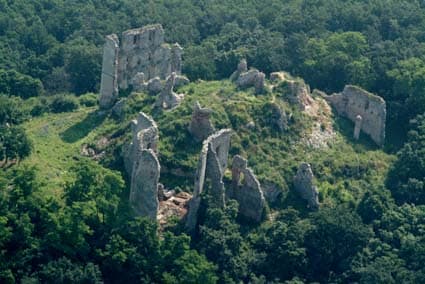
Today, Oponice Castle stands as partially preserved ruins, offering visitors a glimpse into medieval defensive architecture and noble life. The site is accessible by marked hiking trails starting near the manor house in Oponice village, inviting exploration of the remaining walls, bastions, and building fragments.
Cultural and historical legacy
Oponice Castle remains a symbol of the region's medieval heritage and the enduring legacy of the noble families who shaped its history. Its strategic location, architectural features, and historical significance make it an important cultural monument in Slovakia. The castle's story reflects broader themes of feudal power, military conflict, and aristocratic life in Central Europe from the High Middle Ages through the Renaissance and early modern periods.
Visitors to the ruins can appreciate not only the castle's military and residential architecture but also the historical narratives embedded within its stones, from the Csák clan's dominance to the Apponyi family's long stewardship and the turbulent times of Ottoman threats and Habsburg conflicts.
Frequently asked questions (FAQ)
- What is the historical significance of Oponice Castle Ruins?
- Oponice Castle Ruins are remnants of a medieval fortress that played a crucial role in the defense of the region during its time. The castle was built in the 13th century and showcases the strategic importance of fortifications in Slovakia's history.
- When was Oponice Castle built?
- Oponice Castle was constructed in the early 13th century, with its origins dating back to 1245. Over the centuries, it underwent several renovations and expansions, reflecting various architectural styles and historical periods.
- Can I visit Oponice Castle Ruins?
- Yes, Oponice Castle Ruins are open to the public for exploration. Visitors can wander through the remnants of the castle and enjoy the stunning views of the surrounding countryside.
- What are the opening hours for Oponice Castle Ruins?
- The opening hours for Oponice Castle Ruins vary by season. Typically, they are open from 9 AM to 6 PM during the summer months, but it is advisable to check local listings for the exact hours before your visit.
- Is it possible to access Oponice Castle by public transport?
- Yes, Oponice is accessible via public transport, including buses from nearby towns. However, the final approach to the castle involves a short hike, so comfortable footwear is recommended.
- What is the best time to visit Oponice Castle Ruins?
- The best time to visit Oponice Castle Ruins is during the spring and early autumn when the weather is pleasant, and the surrounding landscape is vibrant. This timing also avoids the peak tourist season, allowing for a more tranquil experience.
- Are there any nearby attractions to visit?
- Yes, there are several attractions near Oponice Castle, including the picturesque village of Oponice itself and the nearby town of Nitra, known for its historical sites and vibrant culture. Exploring these areas can enhance your visit to the castle.
- What are the ticket prices for visiting Oponice Castle Ruins?
- Entry to Oponice Castle Ruins is typically free, making it an affordable option for visitors. However, special guided tours or events may have associated fees, so it's best to check in advance.
Photo gallery

Information
Website
Visit websiteSources & official resources
Verify the information above using these authoritative references.
Loading map...
Visitor reviews
No reviews yet. Been here? Write the first review and help other travelers!
Write the first reviewVisited this castle? Share your experience
Your review helps other travelers and adds first-hand knowledge to our encyclopedia.