Olsztyn
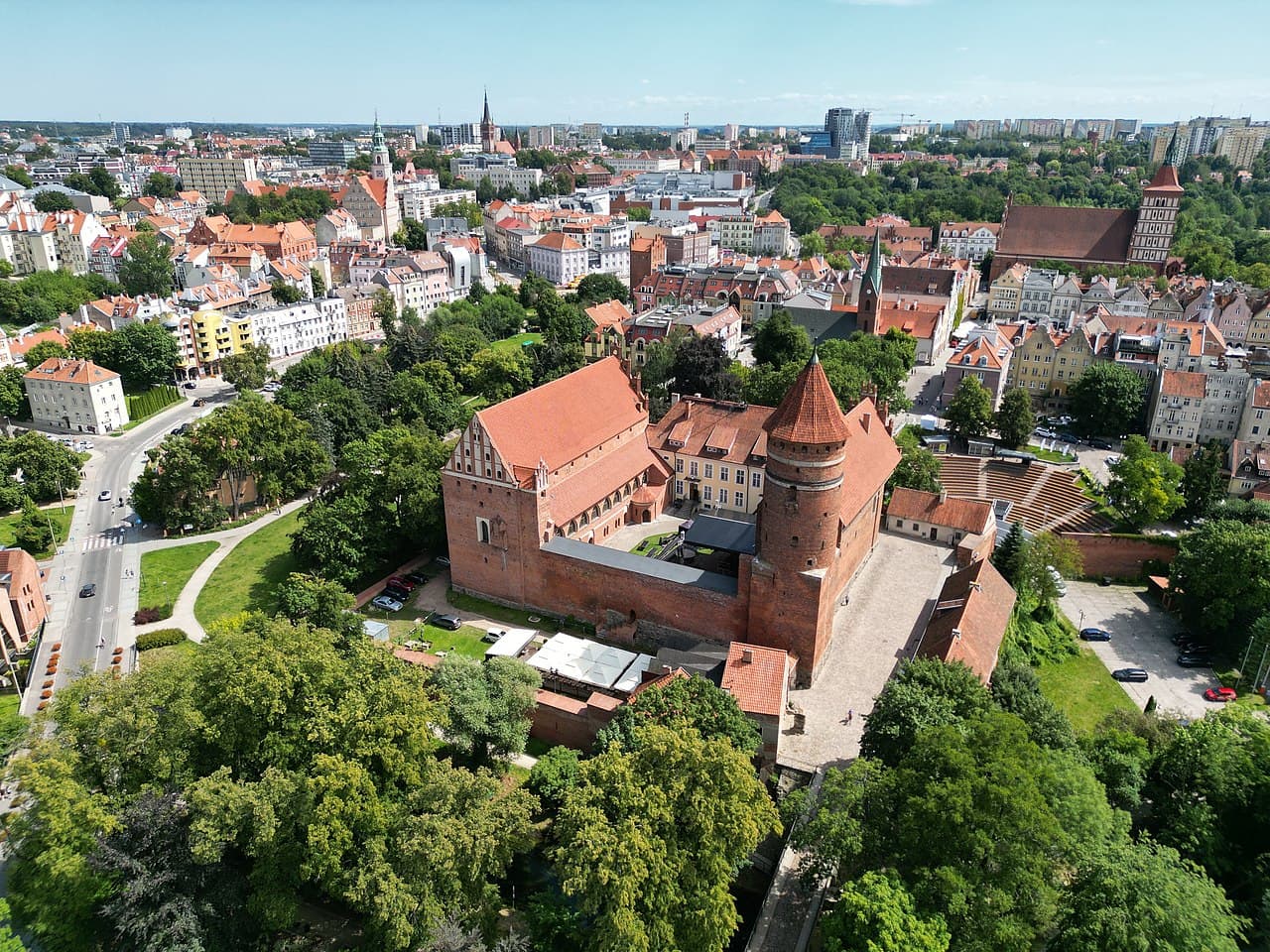
Olsztyn Castle stands as a remarkable example of a 14th-century bastioned fortress in Poland, renowned for its Brick Gothic architecture and its historical association with the famous astronomer Nicolaus Copernicus. Situated on a strategic high promontory by the Łyna River, the castle was originally constructed by the Warmian Cathedral Chapter between 1346 and 1353 to serve as a fortified residence and administrative center. The site was chosen for its natural defensive advantages, with a high river bend providing protection and a wide moat enhancing its fortifications.
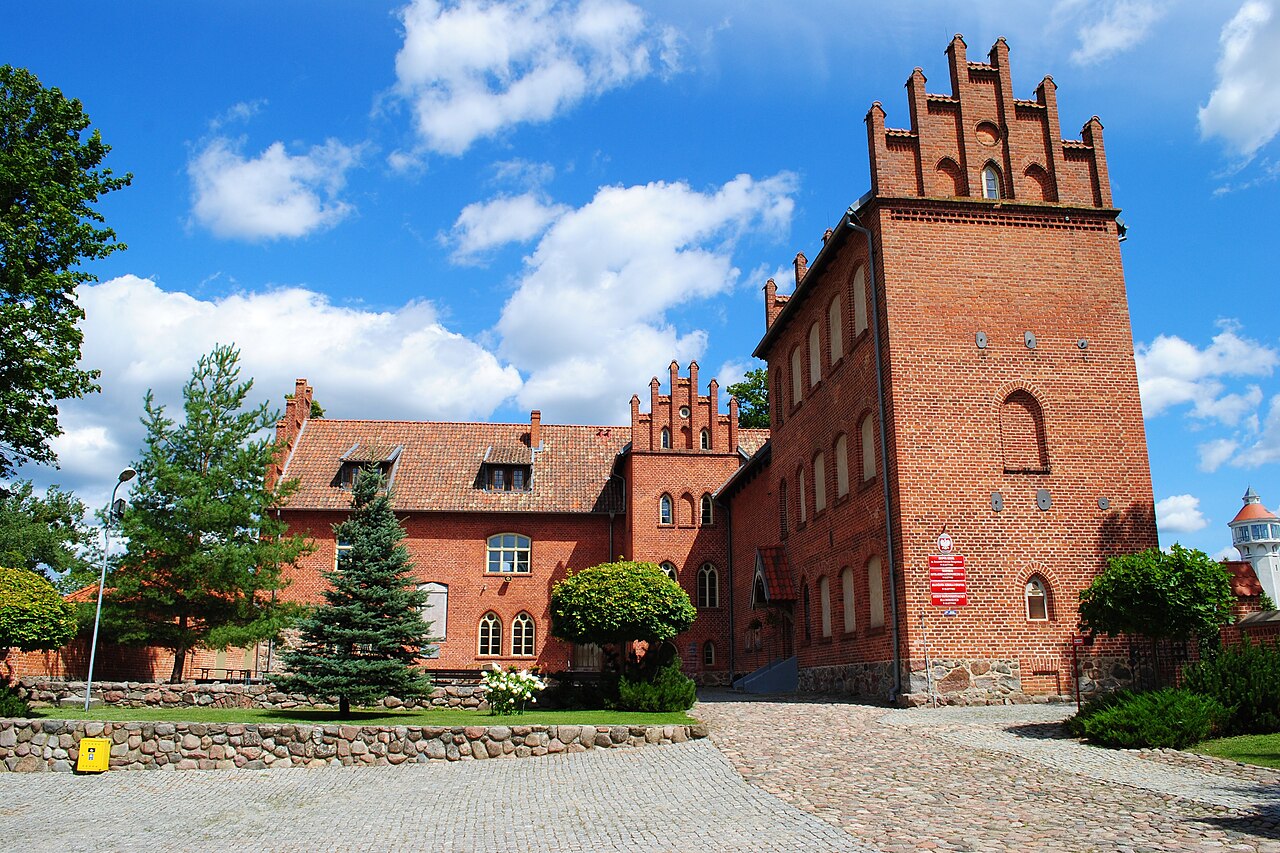
The castle’s rectangular plan measures approximately 55 by 40 meters and initially featured a single main wing on the north-east side, with thick defensive walls and a robust square tower at the south-west corner. Over the centuries, it was expanded with a second wing, additional fortifications including bastions adapted for firearms, and a prominent cylindrical tower rising to nearly 29 meters. The castle was integrated with the town’s defensive walls in the 15th century, reflecting its military and administrative importance.
Medieval origins and architectural evolution
The origins of Olsztyn Castle trace back to earlier wooden fortifications on the site dating from the 11th century, but the extant stone castle was built in the mid-14th century under the auspices of the Warmian Chapter. The initial construction phase included the main north-east wing and partial walls, followed by the completion of the enclosure and the addition of the south-west wing and the formidable square tower.
By the late 14th century, the castle’s walls were raised to about 11 meters, and the square tower was capped with a cylindrical superstructure. The north-east wing housed the most representative rooms, including the chapel, refectory, and the administrator’s residence, featuring two basement levels and a ground floor used for service functions. The upper floors served as storage and defensive spaces, connected by a two-story cloister with characteristic stepped gables.
The south-west wing contained the kitchen, pantry, bakehouse, and brewery, with higher floors also used for storage. Defensive wooden machicolations were installed on the outer walls, linked to the corner tower, allowing defenders to repel attackers with boiling liquids or stones.
15th-century fortifications and military history
During the 15th century, the castle’s defenses were significantly enhanced to meet the challenges of gunpowder warfare. An outer curtain wall with bastions was constructed, and the main tower was raised to six stories, reaching a height of 29 meters. The castle’s fortifications were connected to the town walls, and the main gate was relocated to the east, reinforced by a gate tower.
Olsztyn Castle played an active role in regional conflicts, including the Polish-Teutonic Wars. It was occupied briefly by the forces of King Władysław Jagiełło in 1410, seized during the "Hunger War" in 1414, and changed hands multiple times during the Thirteen Years’ War (1454–1466). In 1455, mercenaries loyal to the Teutonic Order captured the castle by subterfuge, imprisoning the Warmian canons and looting the fortress, including its chapel.
Nicolaus copernicus and the castle’s renaissance
One of the most illustrious figures associated with Olsztyn Castle is Nicolaus Copernicus, who served as the administrator of the Warmian Chapter’s estates from 1516 to 1521. Copernicus was responsible for preparing the castle’s defenses against the Teutonic siege of 1521. His efforts successfully repelled the attackers, marking a significant episode in the castle’s military history.
During Copernicus’s tenure, the castle underwent important architectural improvements. The wooden ceilings in the north-east wing were replaced with elegant crystal vaults, and the castle chapel was relocated to the south-west wing, consecrated as the Chapel of Saint Anne in 1580. The castle also saw the construction of a new bastion on the northern corner of the outer walls, designed to accommodate artillery.
Copernicus lived in a large chamber with windows overlooking the Łyna River, the castle mill, and the courtyard. The room featured two windows facing the river and one overlooking the courtyard, with doors leading to the wall walk and the chancery. This chamber, along with the refectory, is notable for its exquisite vaulting and historical significance.
Cultural and administrative significance
Following Copernicus’s era, the castle became the residence of Warmian bishops who were also prominent intellectuals and writers, such as Johannes Dantiscus and Marcin Kromer. The castle served not only as a military stronghold but also as a center of religious and cultural life in Warmia. The consecration of the Chapel of Saint Anne added a spiritual dimension to the fortress.
Decline and transformation in the modern era
In the 17th century, during the Polish-Swedish wars, the castle was occupied and plundered by Brandenburg troops. This event likely contributed to the relocation of the chapter’s administration to Frombork in 1685, leaving only a burgrave to manage the castle.
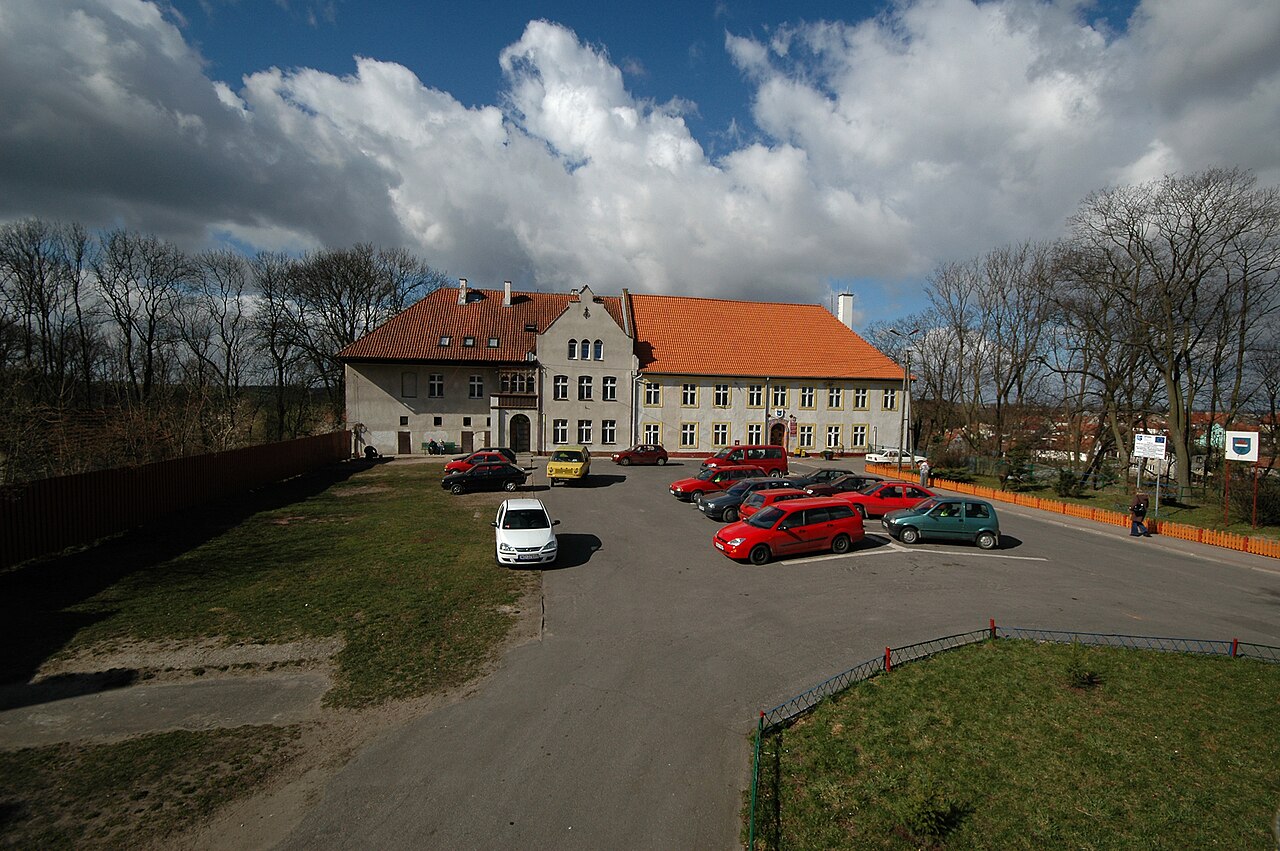
In the mid-18th century, parts of the eastern wall facing the town were demolished and replaced by a Baroque palace wing with a gate passage. After the First Partition of Poland in 1772, the castle came under Prussian control and was repurposed for various secular uses, including serving as a prison and housing the local evangelical parish.
During the 19th and early 20th centuries, the castle underwent several renovations. Fires in 1821 and 1827 necessitated repairs completed by 1871. In the early 20th century, the north-east and eastern wings were extensively rebuilt to serve as the residence of the president of the East Prussian regency. The south-west wing was adapted to house the Museum of the Region during the interwar period.
Museum and cultural venue today
Since 1945, Olsztyn Castle has housed the Museum of Warmia and Mazury, showcasing archaeological, ethnographic, and artistic collections. The castle is a vibrant cultural center, hosting concerts, exhibitions, lectures, and special events such as "Thursdays with Copernicus" and chamber music concerts by the local ensemble Pro Musica Antiqua.
Visitors can explore the castle’s well-preserved medieval interiors, including the vaulted chambers in the north-east wing and the Chapel of Saint Anne with its original star-shaped vaulting. The corner watchtower offers panoramic views of Olsztyn, while exhibitions feature Copernicus’s astronomical table from 1517 and other artifacts linking the site to its illustrious past.
The castle’s unique integration of natural rock formations and medieval masonry makes it an outstanding example of a bastioned fortress adapted to its environment. Despite numerous modifications over the centuries, it retains many Gothic architectural elements and continues to be a symbol of Warmian heritage and history.
Architectural highlights
- Rectangular layout with two main wings enclosing a courtyard
- Thick defensive walls raised to 11-12 meters in height
- Square and cylindrical towers with multiple stories, including a 29-meter tall main tower
- Crystal vaulting in the refectory and administrator’s chamber
- Chapel of Saint Anne with star-shaped vaulting, consecrated in 1580
- Wooden machicolations on outer walls for defensive measures
- Integration with town fortifications and bastioned outer walls
- Baroque palace wing built in the 18th century replacing part of the eastern wall
- Extensive 20th-century renovations adapting the castle for administrative and museum functions
Historical significance and legacy
Olsztyn Castle is not only a military and administrative monument but also a cultural landmark linked to the life and work of Nicolaus Copernicus. Its role in the Polish-Teutonic conflicts and later in the regional governance of Warmia underscores its strategic importance. The castle’s preservation and adaptive reuse as a museum ensure that its rich history remains accessible to the public.
Today, it stands as a testament to the architectural ingenuity of the High Medieval period and the evolving defensive technologies that shaped its bastioned design. The castle’s blend of natural rock formations and human craftsmanship exemplifies the medieval approach to fortification in the region.
Frequently asked questions (FAQ)
- How do I get to Olsztyn Castle?
- Olsztyn Castle is located in the city center of Olsztyn, Poland. It is easily accessible by car, public transport, or on foot from the town square.
- What are the opening hours of Olsztyn Castle?
- The castle museum is typically open daily from 10:00 AM to 6:00 PM, but it is advisable to check the official website for seasonal variations and special closures.
- What is the historical significance of Olsztyn Castle?
- Olsztyn Castle played a crucial role in the Polish-Teutonic Wars and was the residence of Nicolaus Copernicus, who defended it during the 1521 siege.
- Can I visit Nicolaus Copernicus's living quarters in the castle?
- Yes, visitors can explore the north-east wing where Copernicus lived, including his living chamber with views of the Łyna River and the castle courtyard.
- Are there any special events held at Olsztyn Castle?
- The castle hosts cultural events such as concerts, exhibitions, and educational workshops, including the popular "Thursdays with Copernicus" series.
Photo gallery

Information
Sources & official resources
Verify the information above using these authoritative references.
Loading map...
Visitor reviews
No reviews yet. Been here? Write the first review and help other travelers!
Write the first reviewVisited this castle? Share your experience
Your review helps other travelers and adds first-hand knowledge to our encyclopedia.