Barczewo
Barczewo castle stands as a significant example of a late medieval hill castle in Poland, with origins dating back to the early 14th century. Located in the town of Barczewo, this fortress was initially established as a wooden-earth defensive structure at the confluence of the Pisa River and Lake Wadąg in 1329. This early fortification was destroyed during a Lithuanian raid in 1345, prompting the creation of a new settlement on an artificially constructed island in the Pisa River, reflecting strategic defensive planning of the period.
Historical context and foundation
The founding of Barczewo town in 1364 by Bishop Jan I Stryprock under the Chełmno Law marked the formal establishment of the settlement that would host the castle. The castle itself was likely built concurrently with the town's defensive walls, positioned in the north-eastern corner of the fortifications. This placement was typical for hill castles designed to oversee and protect the surrounding area and control river access.
Architectural layout and features
The castle had an irregular quadrilateral plan, a common design in medieval fortifications adapting to the terrain. It comprised two main wings: a residential wing and an economic wing, both enclosed by a curtain wall. A tower was probably located at the south-western corner, serving as a lookout and defensive stronghold. The castle's construction utilized local materials and incorporated Gothic architectural elements, evident in the surviving vaulted cellars and fragments of walls.
Role in military conflicts
Barczewo castle witnessed multiple military engagements throughout its history. In 1414, during the so-called "Hunger War," it was destroyed by Polish-Lithuanian forces. Later, during the Thirteen Years' War (1454–1466), the castle was initially seized by the Prussian Confederation but was recaptured in 1455 by Teutonic mercenaries under Jerzy von Schlieben. It remained under Teutonic control until the war's conclusion. The castle also played a defensive role in the last Polish-Teutonic war (1519–1521), withstanding an artillery siege in January 1521 when Teutonic forces attempted to capture it but ultimately failed.
Administrative significance and decline
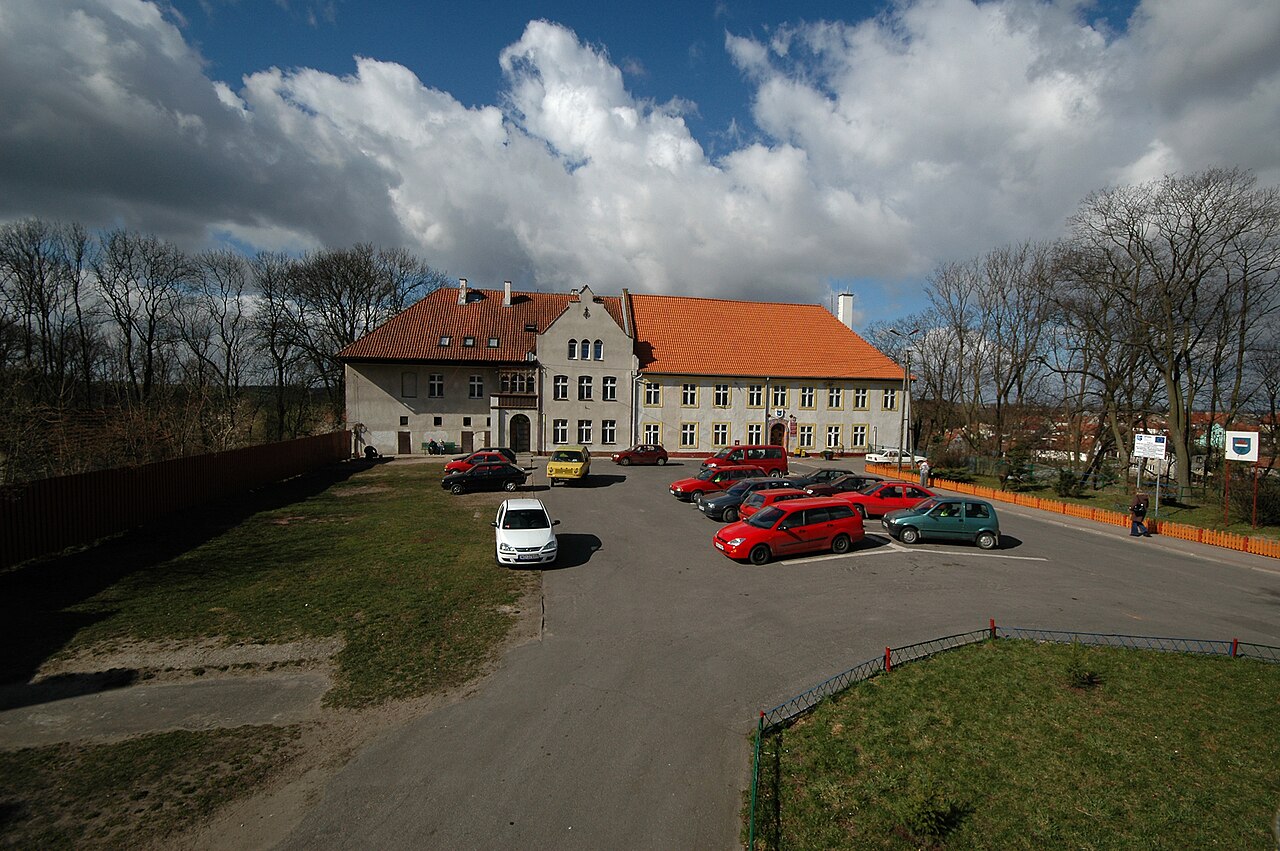
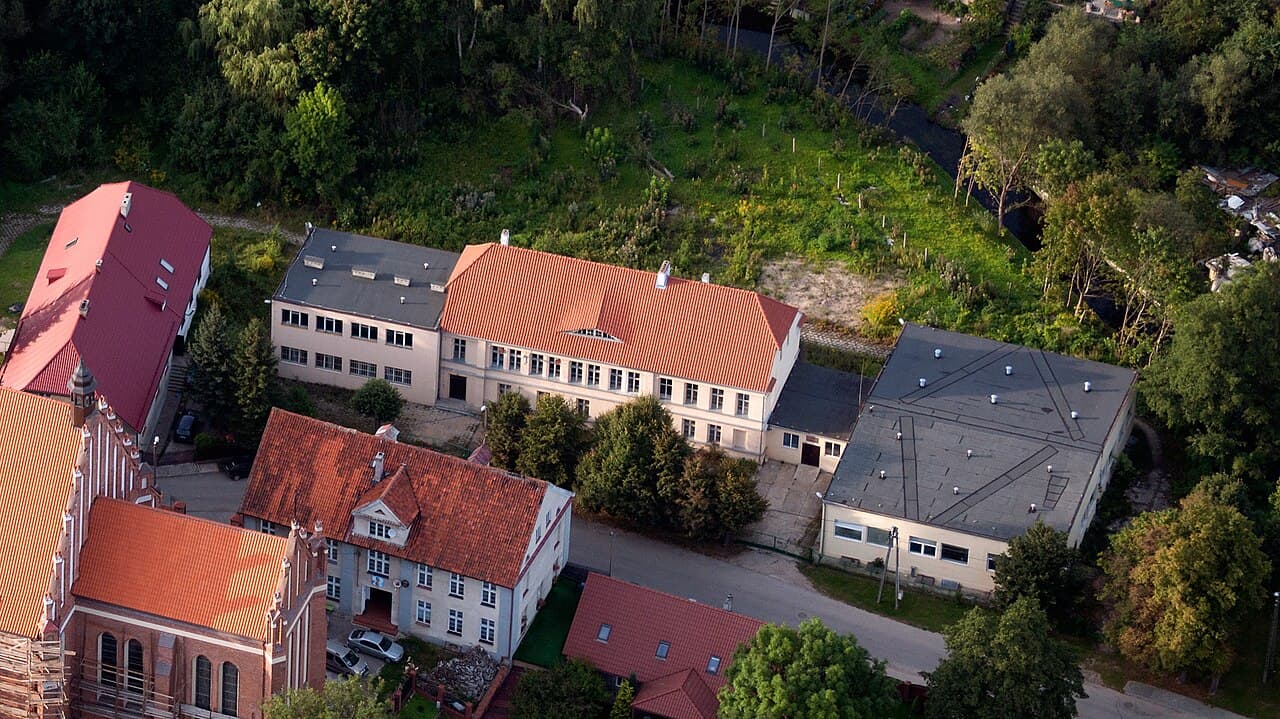
Until the partitions of Poland, Barczewo castle served as the residence of the administrator of the bishop's estates, reflecting its importance in ecclesiastical and regional governance. However, a devastating fire in 1798 severely damaged the structure, leading to partial demolition due to the extent of destruction. The best-preserved residential wing was repurposed in 1826 as a school, a testament to the adaptive reuse of historical buildings.
Preservation and current state
Today, the castle remains well-preserved though heavily modified. The surviving building conceals Gothic fragments of walls and vaulted cellars, offering valuable insights into medieval construction techniques and architectural styles. The castle's location on a hill and its historical significance contribute to its status as a cultural heritage site in Poland.
Architectural and cultural significance
Barczewo castle exemplifies the characteristics of hill castles from the late medieval period in the region, combining military, residential, and administrative functions. Its integration with the town's defensive walls and strategic positioning on an artificial island highlight medieval defensive ingenuity. The castle's survival through turbulent historical periods and its transformation over centuries reflect the layered history of Polish fortifications.
Visiting Barczewo castle
Visitors to Barczewo can explore the castle's remnants and appreciate its historical context within the town. The site offers a glimpse into medieval architecture and the complex history of the region's conflicts and governance. Its well-preserved condition allows for educational opportunities and cultural tourism, contributing to the local heritage landscape.
Frequently asked questions (FAQ)
- When was Barczewo castle originally built?
- Barczewo castle was originally established in 1329 as a wooden-earth defensive structure at the confluence of the Pisa River and Lake Wadąg.
- What architectural style characterizes Barczewo castle?
- The castle features Gothic architectural elements, particularly visible in the vaulted cellars and surviving wall fragments.
- What role did Barczewo castle play in regional conflicts?
- Barczewo castle was involved in several military conflicts, including the Hunger War in 1414, the Thirteen Years' War, and the Polish-Teutonic war of 1519-1521.
- Is Barczewo castle open to visitors today?
- The castle is well-preserved and accessible for visitors interested in medieval architecture and Polish history, although specific visiting hours should be checked locally.
- What remains of Barczewo castle can be seen today?
- Today, visitors can see the heavily modified residential wing containing Gothic wall fragments and vaulted cellars that reveal the castle's medieval origins.
Photo gallery

Information
Loading map...
Visitor reviews
No reviews yet. Been here? Write the first review and help other travelers!
Write the first reviewVisited this castle? Share your experience
Your review helps other travelers and adds first-hand knowledge to our encyclopedia.