Ollantaytambo
Ollantaytambo is a remarkable Inca archaeological site and town situated in southern Peru, approximately 72 km northwest of the city of Cusco. Nestled at an altitude of 2,792 meters (9,160 feet) in the district of Ollantaytambo, within the Urubamba province of the Cusco region, it occupies a strategic position in the Sacred Valley of the Incas. This site is renowned for its extensive Inca ruins, which include a complex of terraces, temples, and fortifications that reflect the advanced engineering and architectural skills of the Inca civilization.
The historical significance of Ollantaytambo
Ollantaytambo was established as a royal estate by Emperor Pachacuti in the mid-15th century, serving both as a ceremonial center and a stronghold. Pachacuti, one of the most influential rulers of the Inca Empire, chose this location for its natural defensive advantages and fertile lands. The site functioned as a living town during the Inca period, with a carefully planned urban layout that accommodated the needs of its inhabitants and the royal family.
During the Spanish conquest of Peru, Ollantaytambo played a critical role as a bastioned fortress and the last major stronghold of Manco Inca Yupanqui, the leader of the Inca resistance against Spanish forces. The fortress's strategic position and formidable construction allowed the Incas to repel Spanish attacks successfully for a time, making it a symbol of Inca resilience and military ingenuity.
Architectural features and fortifications
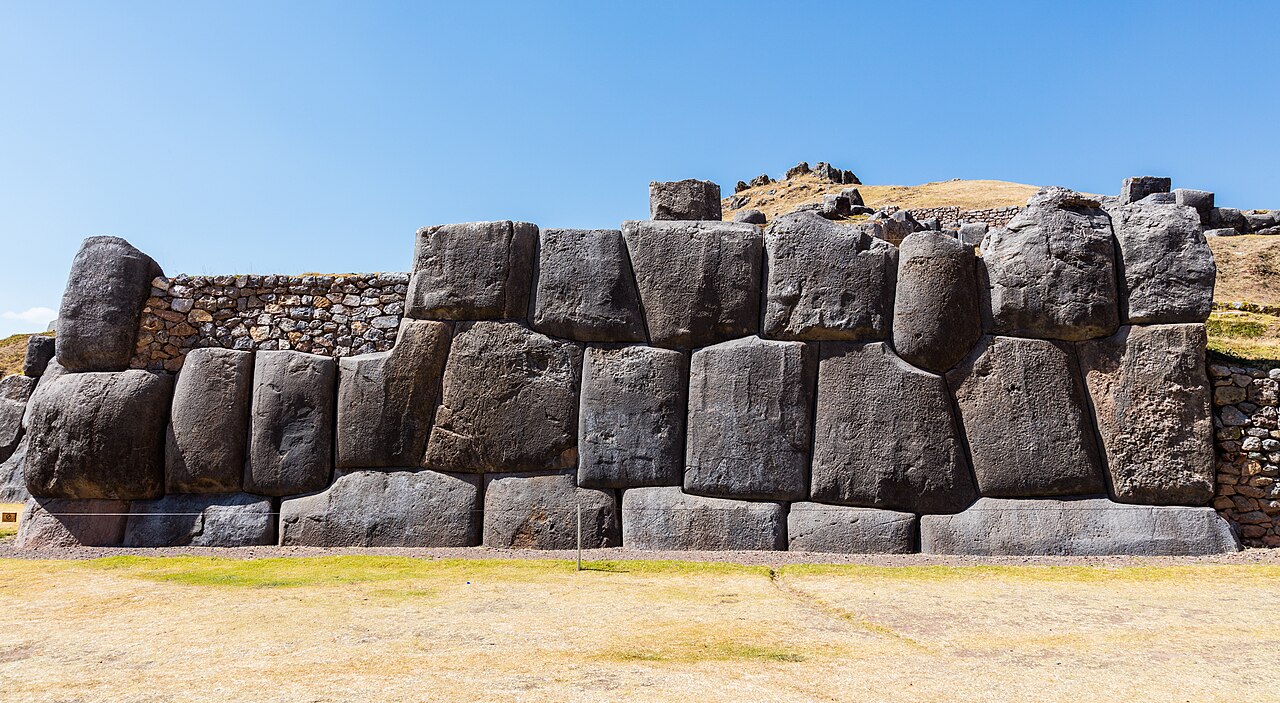
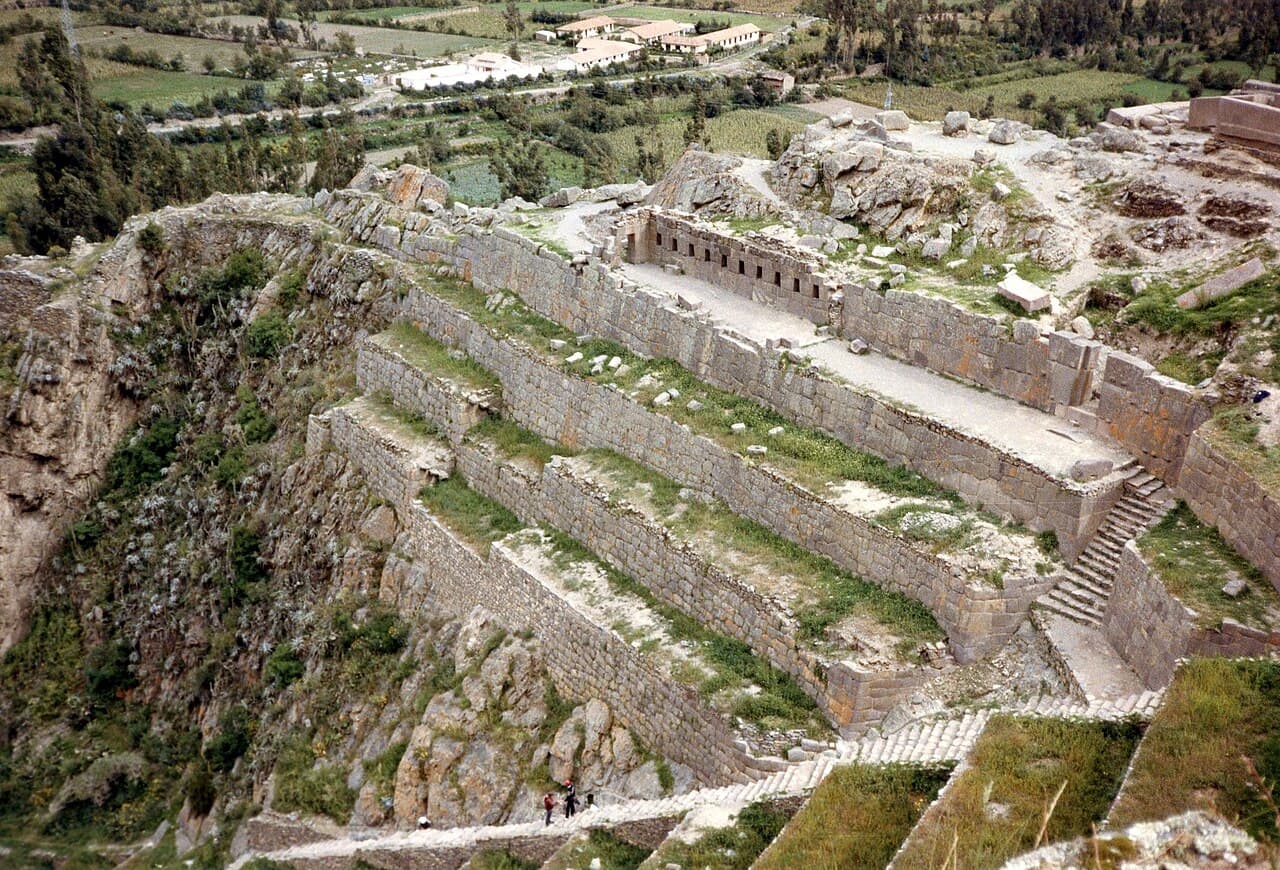
The site is classified as a bastioned fortress due to its extensive defensive walls and terraces designed to protect against invaders. The fortress is built on a steep hillside, incorporating natural rock formations into its design to enhance its defensive capabilities. Massive stone terraces ascend the slope, supported by precisely cut stone walls that have withstood centuries of weathering.
One of the most striking features of Ollantaytambo is its terraced agricultural fields, which not only served practical farming purposes but also helped stabilize the hillside and prevent erosion. The terraces are connected by a network of stairways and narrow passages, facilitating movement and defense.
The site includes several important structures such as the Temple of the Sun, characterized by large, finely carved granite blocks, and the ceremonial center with its trapezoidal doors and niches typical of Inca architecture. The fortress also features a complex water management system, including canals and fountains, demonstrating the Incas' advanced hydraulic engineering.
Urban planning and residential areas
The town of Ollantaytambo itself is laid out with narrow cobbled streets and stone houses that continue to be inhabited today. The urban design reflects Inca principles of harmony with the landscape, with buildings aligned to astronomical events and natural features. The residential areas include storage facilities known as qollqas, used for preserving food supplies, which were essential for sustaining the population during sieges.
Ollantaytambo’s role in Inca culture and legacy
As a royal estate, Ollantaytambo was not only a military fortress but also a cultural and religious center. It hosted various ceremonies and festivals linked to Inca cosmology and agricultural cycles. The site’s alignment with surrounding mountains and rivers reflects the Inca worldview, which emphasized the sacredness of nature and the integration of human activity with the environment.
Today, Ollantaytambo is one of the most important tourist destinations in Peru, attracting visitors interested in Inca history, architecture, and trekking. It serves as a gateway for the famous Inca Trail, a multi-day trek leading to Machu Picchu, further enhancing its significance as a cultural and historical landmark.
Preservation and current status
The site is well preserved and maintained as an archaeological monument, with ongoing efforts to protect its structures and terraces from natural and human-induced damage. Its status as a living town adds a unique dimension to its preservation, blending heritage conservation with contemporary life.
Visitors can explore the fortress, terraces, temples, and residential areas, gaining insight into the sophisticated urban and military planning of the Inca civilization. The combination of natural beauty and historical depth makes Ollantaytambo a compelling destination for scholars, tourists, and cultural enthusiasts alike.
Frequently asked questions (FAQ)
- How do I get to Ollantaytambo from Cusco?
- Ollantaytambo is accessible by road from Cusco, approximately a 1.5 to 2-hour drive northwest. Regular buses and private taxis operate between Cusco and Ollantaytambo, making it convenient for visitors.
- What is the best time to visit Ollantaytambo?
- The best time to visit Ollantaytambo is during the dry season from May to September when the weather is more stable and ideal for exploring the ruins and trekking the Inca Trail.
- Can I hike the Inca Trail starting from Ollantaytambo?
- Yes, Ollantaytambo serves as a common starting point for the four-day, three-night Inca Trail trek to Machu Picchu. Permits are required and should be booked in advance due to limited availability.
- What are the main architectural features of Ollantaytambo?
- Ollantaytambo features extensive terraces, a bastioned fortress layout, finely carved stone temples such as the Temple of the Sun, and advanced water management systems including canals and fountains.
- Is Ollantaytambo a living town today?
- Yes, Ollantaytambo remains inhabited, with many residents living in traditional stone houses that date back to Inca times, blending historical preservation with modern life.
Photo gallery

Information
Loading map...
Visitor reviews
No reviews yet. Been here? Write the first review and help other travelers!
Write the first reviewVisited this castle? Share your experience
Your review helps other travelers and adds first-hand knowledge to our encyclopedia.