Old Gorhambury House
Old Gorhambury House is located west of the city of St Albans in the county of Hertfordshire, England. Though not a traditional castle, it is a significant example of a Tudor manor house with rich historical associations and architectural interest. The site offers insight into Elizabethan architecture and the lifestyle of prominent figures of the 16th and 17th centuries.
Origins and early history
The first building on the site was a medieval manor owned by the St Albans Abbey. It was the residence of the Gorham family before the Dissolution of the Monasteries under Henry VIII. After the Dissolution, the manor was acquired by Sir Nicholas Bacon, who was the Lord Keeper of the Great Seal and a key councillor to Queen Elizabeth I.
Elizabethan reconstruction and significance
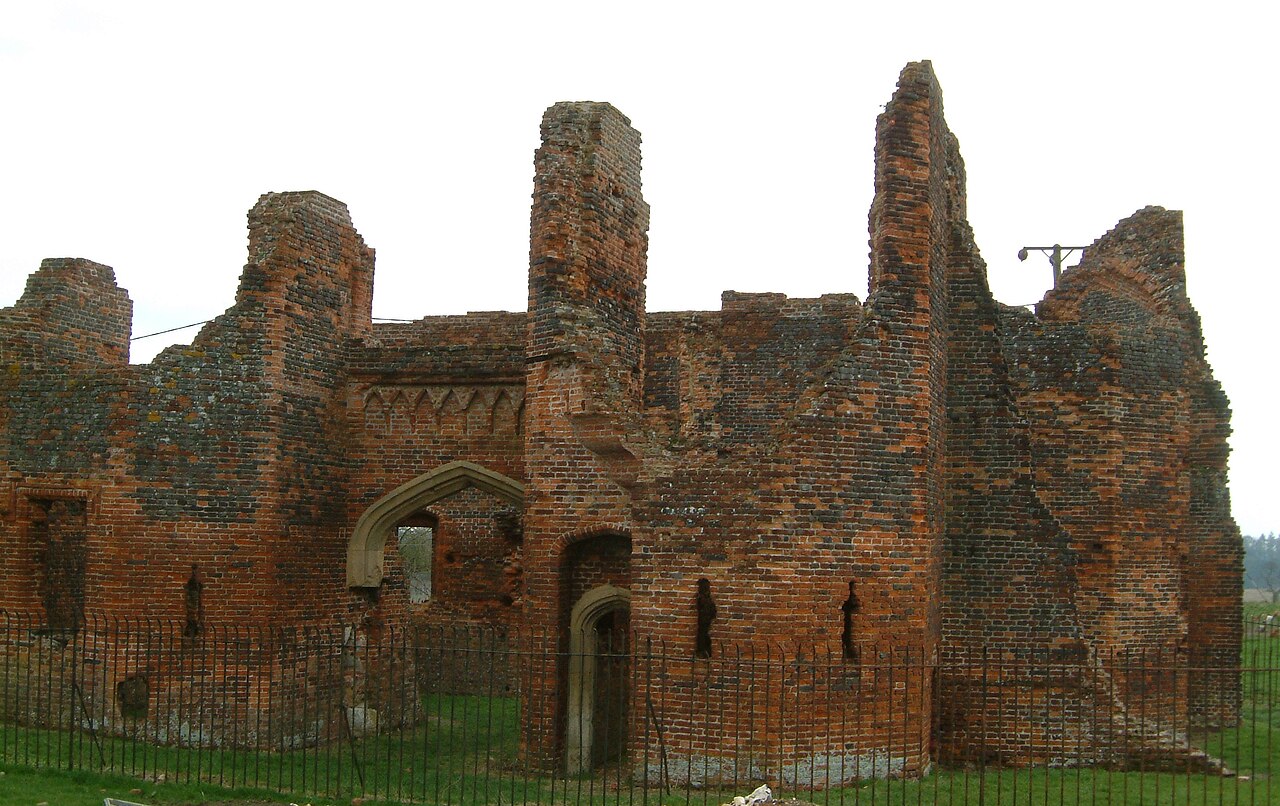
In the 1560s, Sir Nicholas Bacon undertook a major rebuilding project, spending five years replacing the old manor with the house whose ruins stand today. This construction is a fine example of Tudor architecture, featuring elements typical of the period such as ornate brickwork and large windows.
The house gained royal attention when Queen Elizabeth I visited in 1572. She reportedly remarked, "My Lord, what a little house have you gotten," to which Bacon famously replied, "Madam, my house is well, but it is you that have made me too great for my house." To enhance the house's grandeur for her second visit in 1577, Sir Nicholas added a galleried extension.
Queen Elizabeth stayed at Gorhambury on at least four occasions, underscoring the house's importance as a noble residence during her reign.
Later developments and extensions
The estate passed to Sir Nicholas's son, Sir Francis Bacon, a renowned philosopher, statesman, and Chancellor to King James I. Sir Francis extended the house further and designed a water garden featuring a Roman-style banqueting house as its centerpiece. This garden reflected Renaissance influences and the era's taste for classical antiquity.
In the 1670s, the house underwent extensive repairs under Sir Harbottle Grimston. However, by the 18th century, the manor had fallen into disrepair and was eventually replaced in 1784 by the new Gorhambury House located nearby.
Architectural remains and current status
Today, the most prominent remains of Old Gorhambury House include the ornate porch, parts of the hall, and the chapel. Archaeological evidence suggests that further foundations survive below ground in the fields to the east and south of the visible ruins.
While not a castle in the traditional sense, Old Gorhambury House shares architectural features with fortified manor houses of its time. Its Tudor brickwork and layout provide valuable insight into the domestic architecture of the Elizabethan gentry.
The site is owned by English Heritage and is freely accessible to the public, offering visitors a chance to explore a piece of Tudor history in the Hertfordshire countryside.
Historical context and cultural importance
Old Gorhambury House exemplifies the transition from medieval fortified manors to more comfortable and decorative Tudor residences. Its association with figures such as Sir Nicholas Bacon and Sir Francis Bacon connects the site to important political and intellectual developments in Elizabethan and early Stuart England.
The visits by Queen Elizabeth I highlight the house's role in courtly politics and the social networks of the period. The architectural enhancements made to impress the queen demonstrate the importance of royal favor in the status of noble households.
Visiting information and accessibility
Visitors to Old Gorhambury House can explore the ruins and surrounding grounds at their leisure. The site is open year-round, with no admission charge, making it an accessible destination for those interested in Tudor architecture and English history.
Nearby attractions include the newer Gorhambury House and the historic city of St Albans, known for its Roman and medieval heritage.
Frequently asked questions (FAQ)
- How do I get to Old Gorhambury House?
- Old Gorhambury House is located west of St Albans in Hertfordshire. It is accessible by car and local bus services from St Albans city center.
- What remains can I see at Old Gorhambury House?
- Visitors can see the ornate porch, parts of the hall, and the chapel ruins. Some foundations remain underground in surrounding fields.
- When was Old Gorhambury House built?
- The current ruins date from the 1560s when Sir Nicholas Bacon rebuilt the manor in Tudor style.
- Can I visit Old Gorhambury House for free?
- Yes, the site is owned by English Heritage and is freely accessible to the public year-round.
- Why is Old Gorhambury House historically important?
- It was the home of Sir Nicholas Bacon and Sir Francis Bacon, key figures in Elizabethan and early Stuart England, and hosted Queen Elizabeth I multiple times.
Information
Ticket prices
Free
Current owner
English Heritage
Loading map...
Visitor reviews
No reviews yet. Been here? Write the first review and help other travelers!
Write the first reviewVisited this castle? Share your experience
Your review helps other travelers and adds first-hand knowledge to our encyclopedia.