Old Fort of Zanzibar
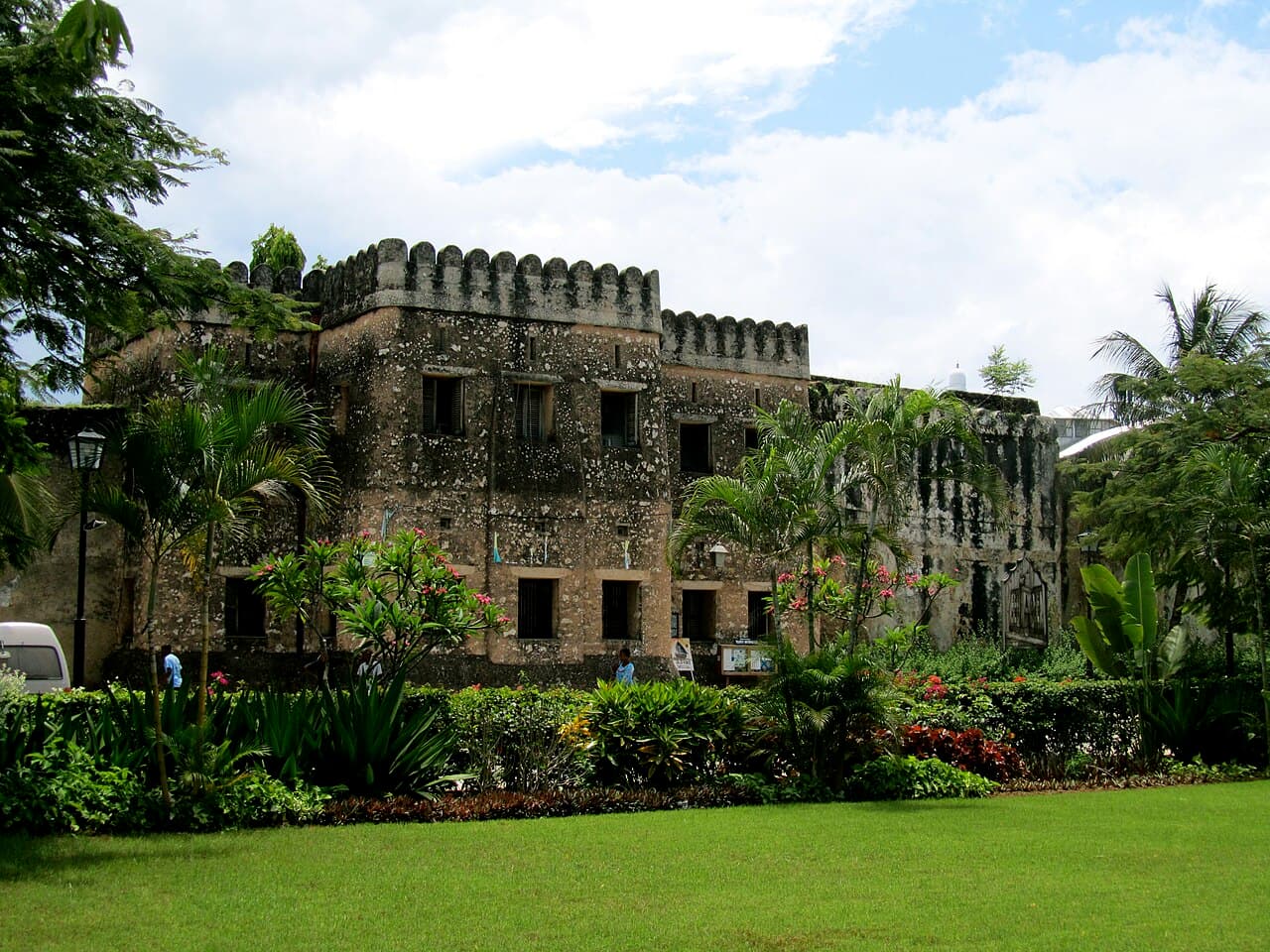
The Old Fort of Zanzibar, also known as the Arab Fort, stands as the oldest surviving building in Stone Town, the historic heart of Zanzibar City, Tanzania. Constructed in the 17th century, this bastioned fortress was originally built by the Omani Arabs to defend the island against Portuguese incursions and local uprisings. Strategically positioned on the main seafront, the fort faces the Forodhani Gardens and lies adjacent to the House of Wonders (Beit-al-Ajaib), the former Sultan's palace, making it a central feature of Stone Town's waterfront and architectural heritage.
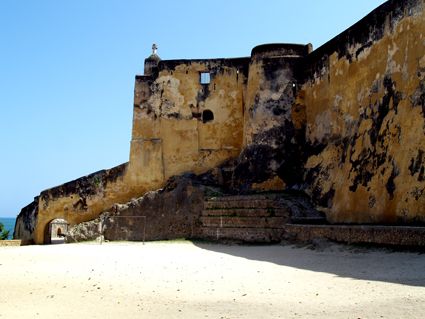
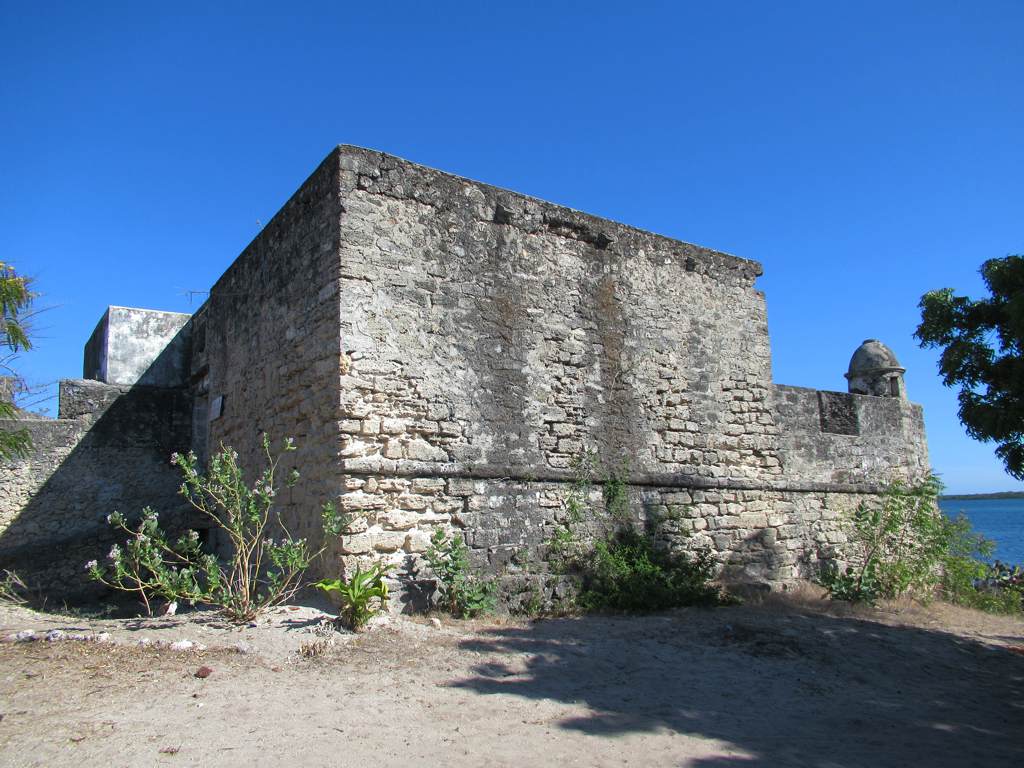
The fort's robust stone walls and bastions reflect its military purpose, designed to withstand cannon fire and provide a stronghold for the Omani rulers who controlled Zanzibar during the Renaissance period. Its layout includes a large open courtyard, surrounded by high walls pierced with gun ports and topped with battlements, typical of bastioned fortresses of the era. The fort's construction utilized coral stone and lime mortar, materials commonly used in Swahili coastal architecture, blending defensive functionality with local building traditions.
Historical context and significance
The Old Fort was constructed after the Omanis expelled the Portuguese from Zanzibar in the late 17th century, marking a shift in regional power. It served as a military garrison and defensive stronghold during the period when Zanzibar was a key center for trade, particularly in spices and slaves. The fort's presence symbolized Omani authority and control over the island and its lucrative trade routes.
Throughout the 18th and 19th centuries, the fort was used not only for defense but also as a prison and a place for public executions. Its walls witnessed significant historical events linked to the island's colonial and sultanate past. The fort's proximity to the House of Wonders, built later in the 19th century, underscores its role within the political and social landscape of Zanzibar under Omani rule.
Architectural features and layout
Bastions and walls
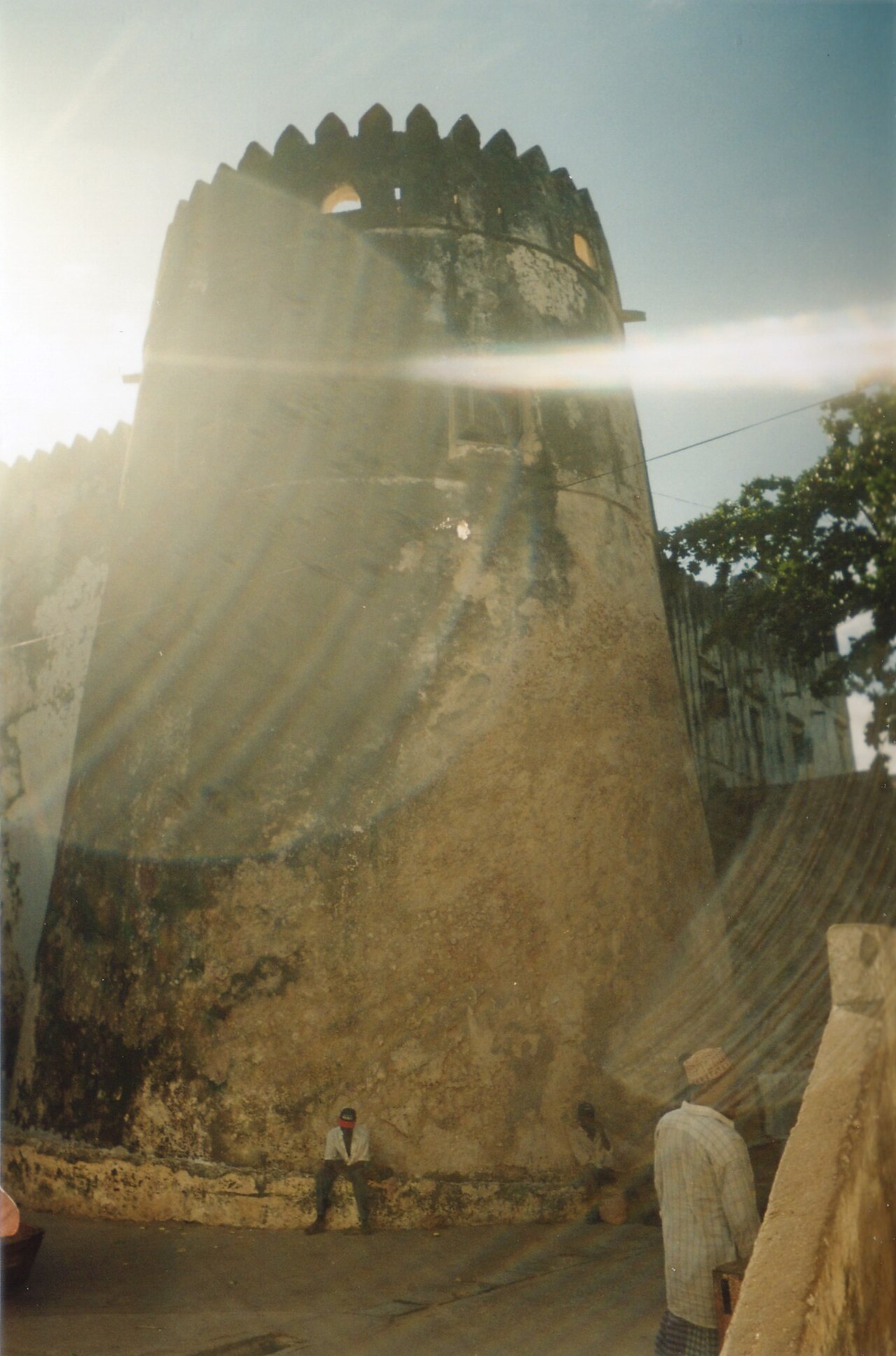
The fort is characterized by its massive bastions at the corners, which allowed defenders to cover all approaches with cannon fire. These bastions are rounded and project outward from the main walls, a design typical of Renaissance military architecture adapted for coastal defense. The walls are thick and constructed from coral rag stone, providing resilience against artillery.
Gate and courtyard
The main entrance is a heavy wooden gate reinforced with iron studs, leading into a spacious central courtyard. This courtyard was historically used for military drills, storage of arms, and as a gathering place for troops. Surrounding the courtyard are various rooms that served as barracks, armories, and administrative offices during the fort's active use.
Adaptations and later uses
After its military function declined, the fort was repurposed for cultural and social events. Today, it houses an open-air amphitheater used for performances and festivals, blending its historical ambiance with contemporary cultural life. This adaptive reuse has helped preserve the structure and maintain its relevance as a key tourist attraction.
Location and cultural importance
Situated in Stone Town, a UNESCO World Heritage Site, the Old Fort of Zanzibar is integral to the town's historic fabric. Stone Town's narrow winding streets and unique architecture reflect a fusion of Arab, Persian, Indian, and European influences, with the fort standing as a prominent symbol of the island's Omani period.
The fort's location on the seafront underscores Zanzibar's historical role as a maritime hub in the Indian Ocean trade network. It faces the Forodhani Gardens, a popular public space that hosts nightly food markets, linking the fort to the vibrant social life of Stone Town.
Visiting the old fort
Visitors to the Old Fort can explore its imposing walls, bastions, and courtyard, gaining insight into Zanzibar's military and colonial history. The fort often hosts cultural events, including traditional music and dance performances, enhancing the visitor experience. Its proximity to other landmarks like the House of Wonders and the Forodhani Gardens makes it a central stop on any tour of Stone Town.
The fort is accessible year-round, with no strict visiting hours, and entry is typically free, encouraging both tourists and locals to engage with this historic site. Guided tours are available, providing detailed explanations of the fort's history and architecture.
Frequently asked questions (FAQ)
- What is the historical significance of the Old Fort of Zanzibar?
- The Old Fort of Zanzibar, built in the late 17th century, is the oldest structure in Stone Town and serves as a testament to the island's rich history of cultural exchange. Originally constructed to defend against Portuguese attacks, it has also been used as a court, prison, and now a cultural center. Its architecture reflects a blend of Arab, Persian, Indian, and European influences, showcasing the diverse heritage of Zanzibar.
- When is the best time to visit the Old Fort of Zanzibar?
- The best time to visit the Old Fort is during the dry season, which runs from June to October. This period offers pleasant weather and clearer skies, making it ideal for exploring the fort and its surroundings. Additionally, visiting during local festivals, such as the Zanzibar International Film Festival, can enhance your experience.
- Can I take guided tours at the Old Fort of Zanzibar?
- Yes, guided tours are available at the Old Fort, providing visitors with deeper insights into its history and architecture. Knowledgeable guides will lead you through the fort's various sections, sharing fascinating stories and historical context. It is recommended to book a tour in advance to ensure availability.
- What are the opening hours of the Old Fort of Zanzibar?
- The Old Fort is open daily from 9:00 AM to 6:00 PM, allowing ample time for exploration. However, it is advisable to check for any seasonal changes in opening hours or special events that may affect access. Visiting earlier in the day can help you avoid crowds and enjoy a more peaceful experience.
- Is it possible to visit nearby attractions after touring the Old Fort?
- Absolutely! The Old Fort is centrally located in Stone Town, making it easy to access several nearby attractions such as the House of Wonders, the Old Dispensary, and the Freddie Mercury Museum. You can comfortably explore these sites on foot, enriching your visit to the historical heart of Zanzibar.
- What are the ticket prices for entering the Old Fort of Zanzibar?
- As of the latest information, the entry fee for the Old Fort is quite affordable, typically around $2 for adults and $1 for children. This nominal fee helps maintain the fort and supports cultural programs. Check for any updates on pricing or special discounts for groups or students before your visit.
- How do I access the Old Fort of Zanzibar if I have mobility issues?
- The Old Fort has made efforts to be accessible to visitors with mobility challenges, although some areas may still pose difficulties due to uneven surfaces. It is recommended to contact the fort management in advance to inquire about specific accommodations or assistance available. Additionally, nearby attractions may also offer accessibility options to enhance your visit.
Photo gallery

Information
Current owner
Zanzibar government
Loading map...
Visitor reviews
No reviews yet. Been here? Write the first review and help other travelers!
Write the first reviewVisited this castle? Share your experience
Your review helps other travelers and adds first-hand knowledge to our encyclopedia.