Fortim de São José do Ibo
Fortim de São José do Ibo is a historic 18th-century fortification located on Ibo Island in the Cabo Delgado Province of Mozambique. It is one of the three forts constructed by the Portuguese colonial administration on the island during the post-Renaissance period, serving as a strategic military and trading post in the Indian Ocean region.
The strategic role of Fortim de São José do Ibo
Built in the 18th century, Fortim de São José do Ibo was part of a network of fortifications designed to protect Portuguese interests against rival European powers and local resistance. The fort's location on Ibo Island allowed control over maritime routes and the surrounding waters of the Mozambique Channel. It functioned as a defensive stronghold to safeguard the island’s harbor and the nearby settlements.
Architectural features and design
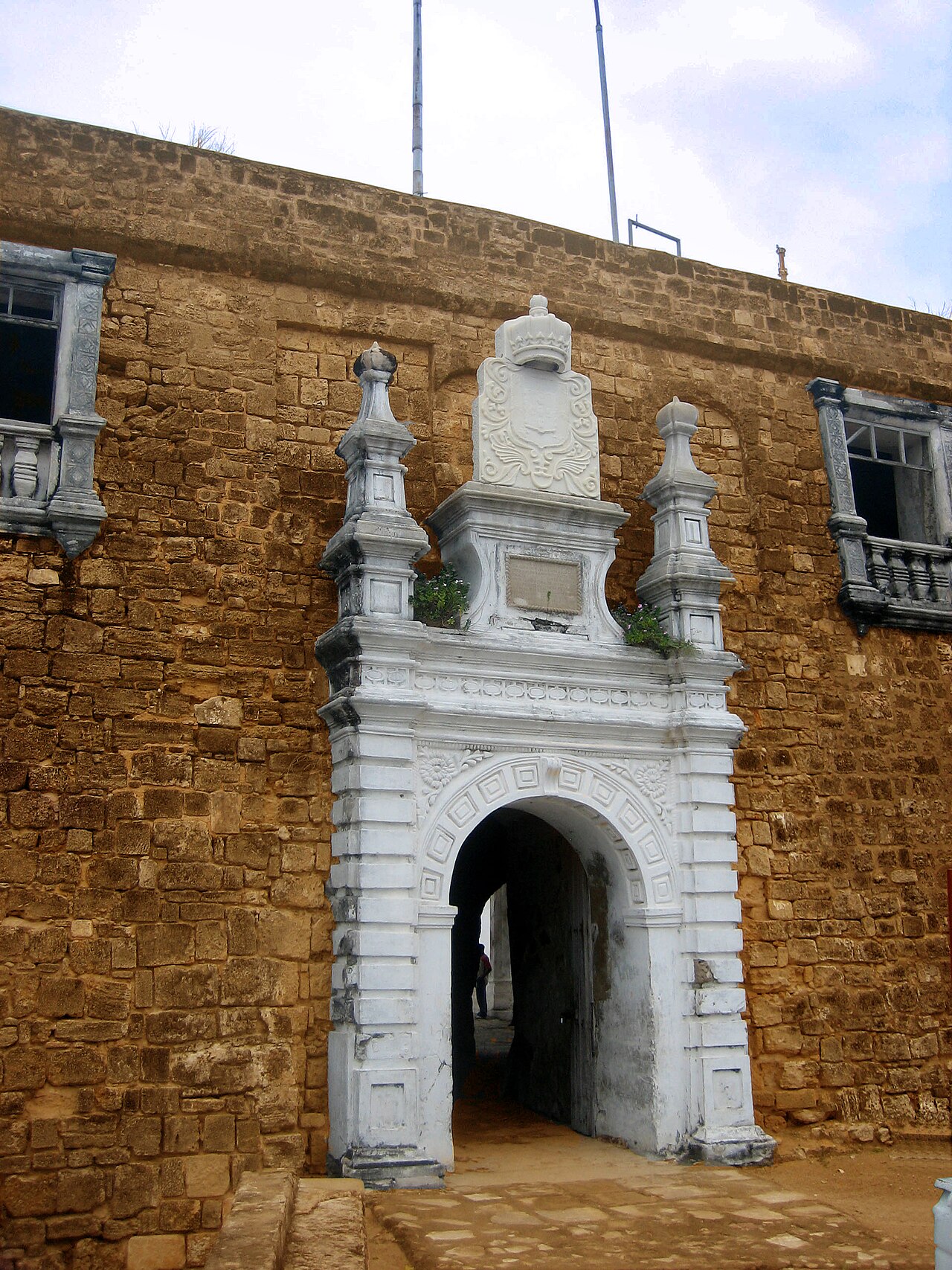
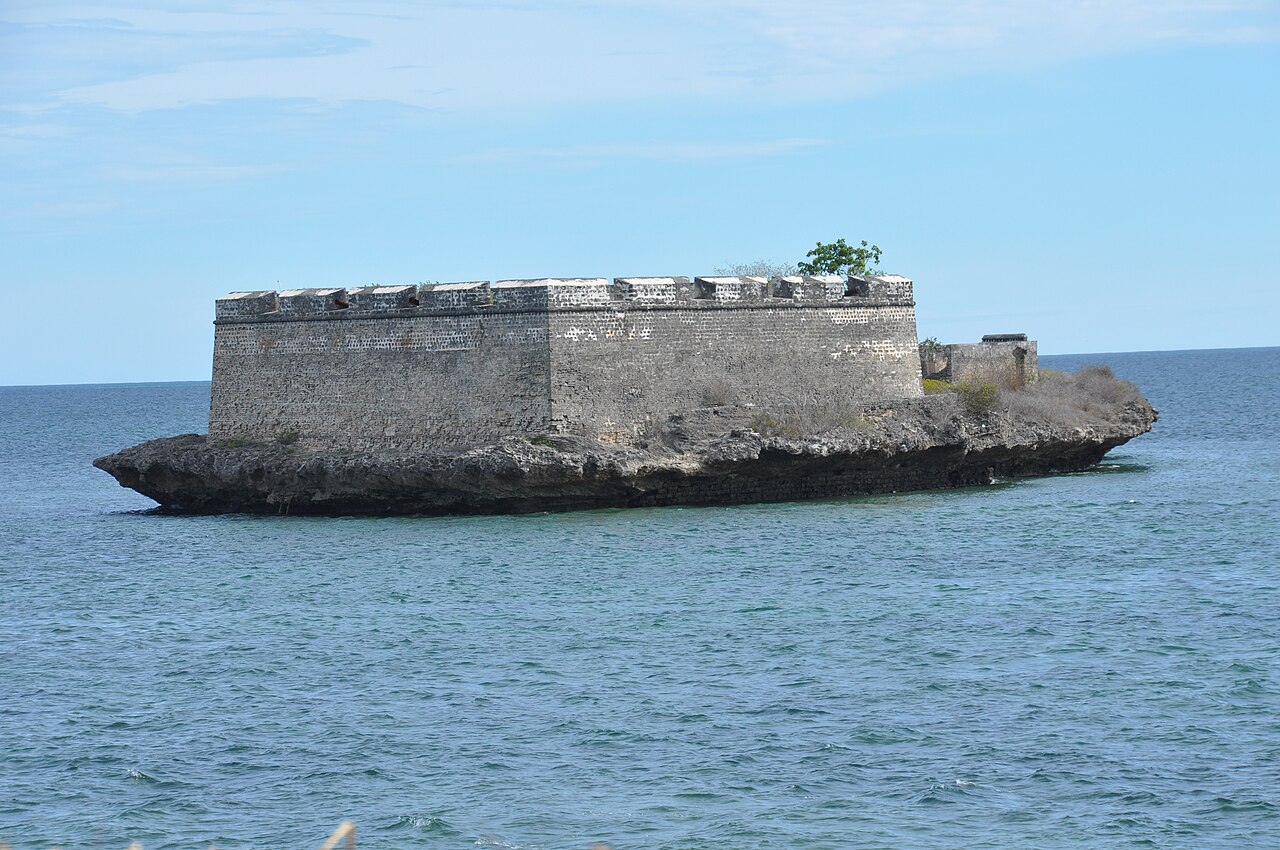
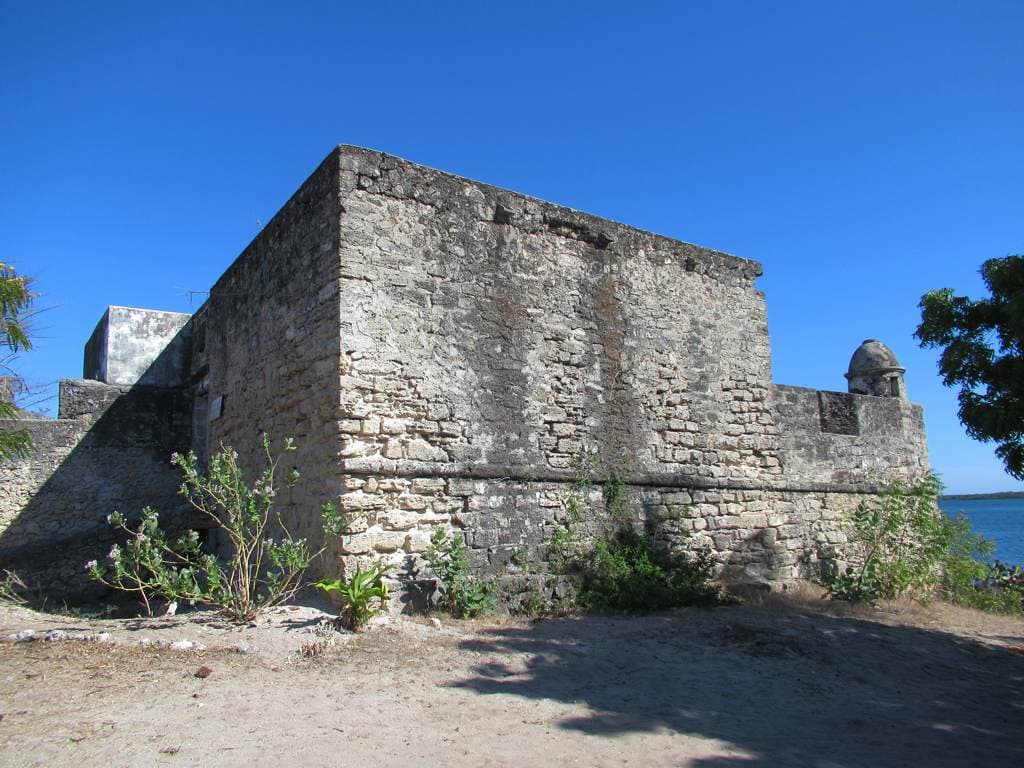
The fort is classified as a hill castle, situated on elevated terrain to maximize its defensive capabilities. Its design reflects typical post-Renaissance military architecture, featuring thick stone walls and bastions adapted to withstand artillery attacks. The fort's layout includes ramparts, battlements, and gun emplacements strategically positioned to cover approaches by sea and land.
Though relatively modest in scale compared to larger coastal fortresses, Fortim de São José do Ibo incorporates essential elements such as a central courtyard, guardhouses, and storage facilities for ammunition and supplies. The use of local stone materials and Portuguese construction techniques is evident in the masonry work.
Historical context and significance
The fort was constructed during a period when the Portuguese empire sought to consolidate its control over East African coastal territories. Ibo Island was an important center for trade, including ivory and slaves, and the fort helped enforce Portuguese dominance in the region. It also served as a base for naval operations and a refuge during conflicts.
Throughout its history, Fortim de São José do Ibo witnessed various episodes of conflict, including skirmishes with local groups and threats from competing colonial powers. Its presence contributed to the broader network of Portuguese forts along the Mozambican coast, which collectively aimed to secure maritime trade routes and colonial administration.
Current condition and preservation efforts
Today, Fortim de São José do Ibo remains a partially preserved structure. While some sections of the walls and bastions are intact, others have suffered from erosion and neglect over the centuries. Efforts to conserve and restore the fort have been intermittent, reflecting challenges in funding and local infrastructure.
The fort is accessible to visitors interested in Mozambique’s colonial history and military architecture. It offers insights into the Portuguese colonial era and the strategic importance of Ibo Island in the Indian Ocean trade networks.
Visiting Fortim de São José do Ibo
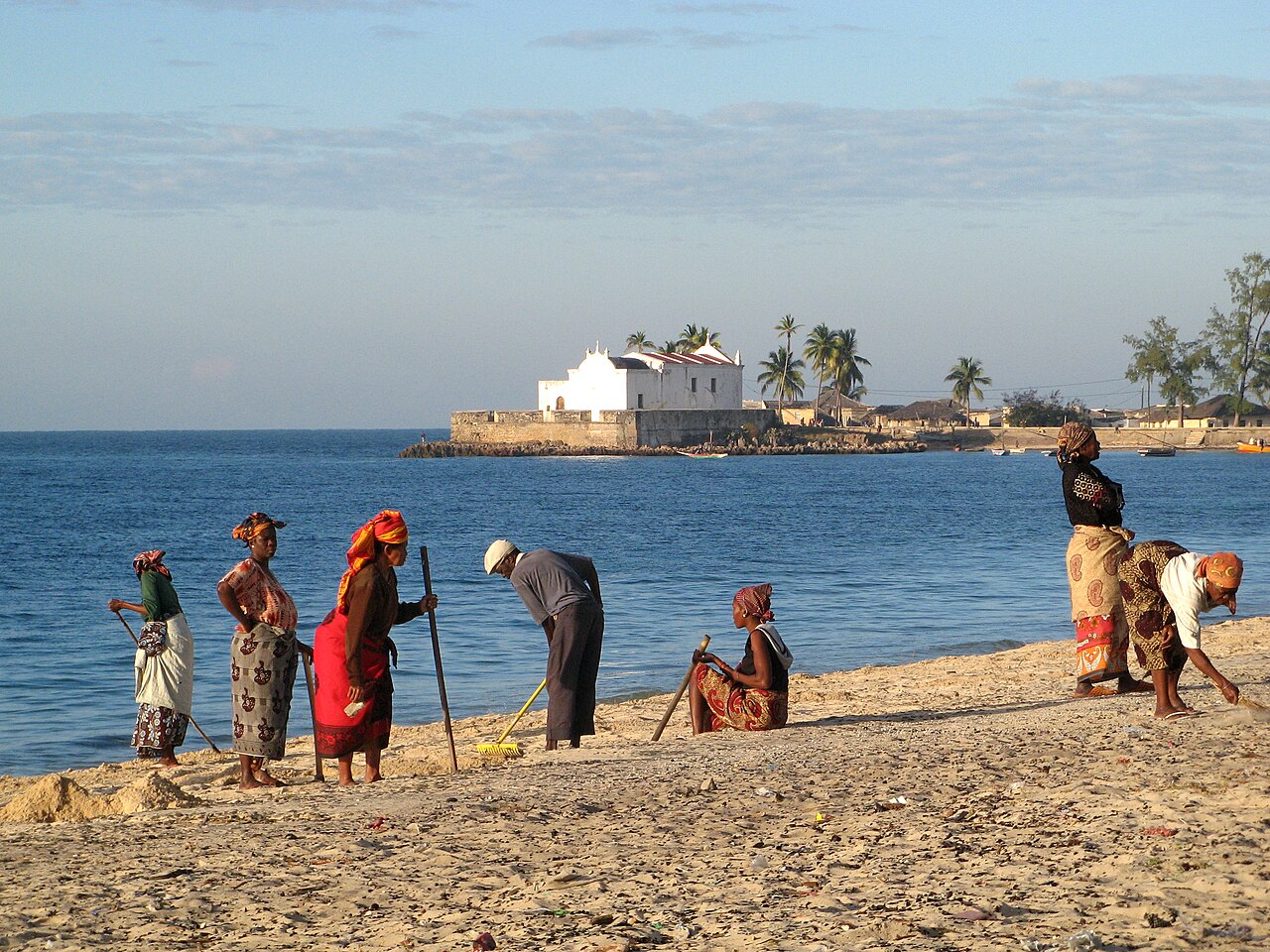
Visitors to Fortim de São José do Ibo can explore its remaining structures and enjoy panoramic views of the surrounding sea and island landscape. The site provides a tangible connection to Mozambique’s complex history of trade, colonization, and cultural exchange.
While facilities may be limited, guided tours and local information help contextualize the fort’s role and significance. The best time to visit is during the dry season when weather conditions are favorable for outdoor exploration.
Frequently asked questions (FAQ)
- What is Fortim de São José do Ibo?
- Fortim de São José do Ibo is an 18th-century Portuguese fort located on Ibo Island, Mozambique, built to protect colonial interests.
- Can I visit Fortim de São José do Ibo?
- Yes, the fort is accessible to visitors interested in Mozambique's history and military architecture, though facilities are limited.
- When was Fortim de São José do Ibo built?
- The fort was constructed in the 18th century during the post-Renaissance period by the Portuguese.
- Why was Fortim de São José do Ibo built?
- It was built to defend Portuguese trading interests and control maritime routes around Ibo Island in the Mozambique Channel.
- What condition is Fortim de São José do Ibo in today?
- The fort is partially preserved, with some walls and bastions intact, though parts have suffered erosion and neglect.
Photo gallery

Information
Loading map...
Visitor reviews
No reviews yet. Been here? Write the first review and help other travelers!
Write the first reviewVisited this castle? Share your experience
Your review helps other travelers and adds first-hand knowledge to our encyclopedia.