Fort Jesus Museum
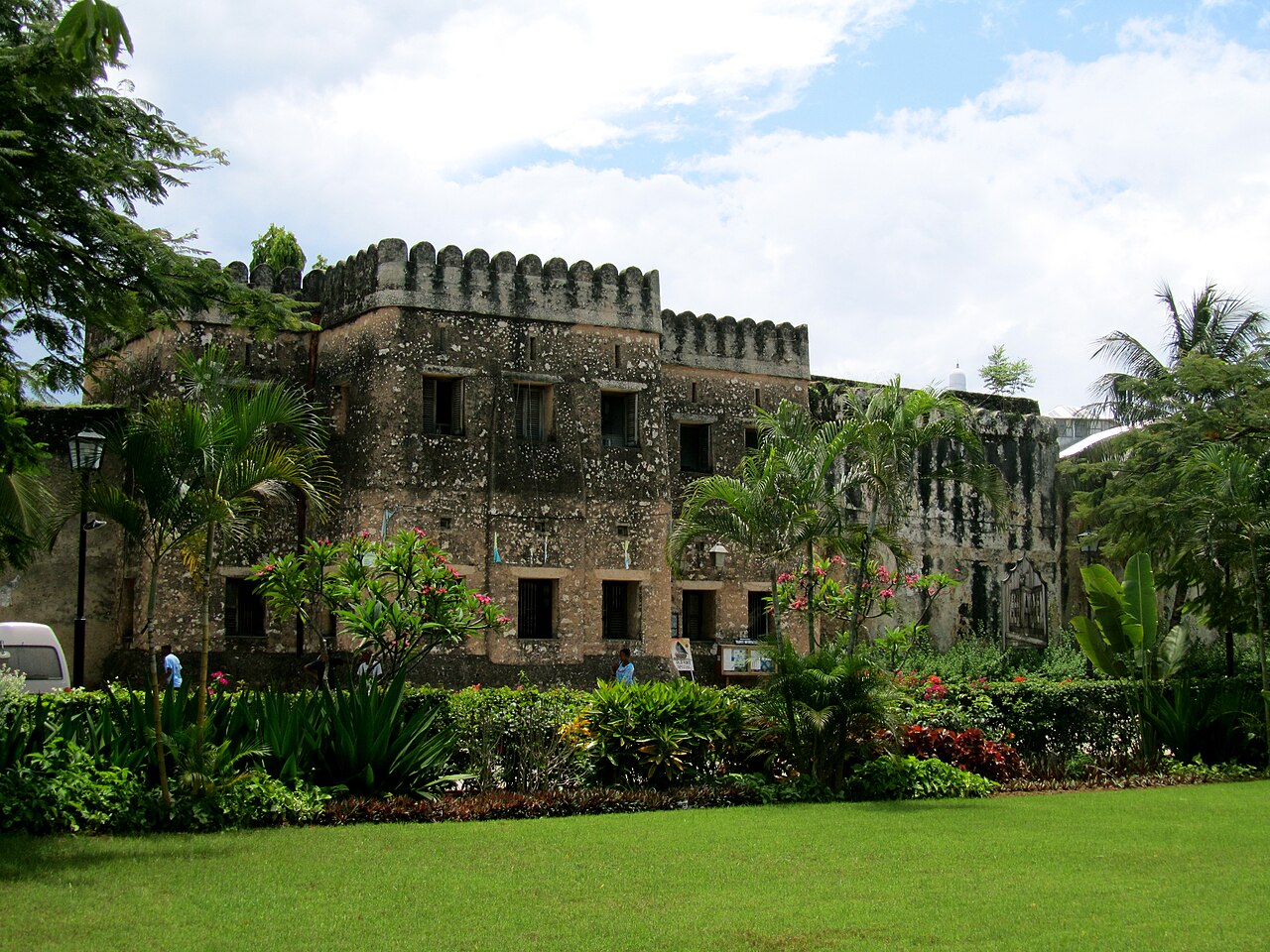
Fort Jesus Museum, located on Mombasa Island in Kenya, is a prominent example of Renaissance military architecture on the East African coast. Constructed between 1593 and 1596, this bastioned fortress was designed by the Italian architect Giovanni Battista Cairati under the orders of King Felipe II of Spain, who was also the ruler of Portugal and the Algarves. The fort was strategically built to guard the Old Port of Mombasa, a key point for controlling the vital Indian Ocean trade routes.
Architectural design and construction
The design of Fort Jesus reflects the influence of Italian Renaissance military engineering, inspired notably by architect Pietro Cataneo. The fort's layout is distinctive, shaped roughly like a man when viewed from above, with a square plan and four bulwarks at each corner providing defensive strength. This design is a hallmark of the bastioned fortress style, which was developed to withstand cannon fire and improve defensive capabilities against siege warfare.
Giovanni Battista Cairati, responsible for the fort's design, worked with master builder Gaspar Rodrigues during construction. Although the architectural plans followed European Renaissance principles, the actual masonry techniques, building materials, and labor were largely provided by the local Swahili people, blending European design with indigenous craftsmanship.
Historical significance and military role
Fort Jesus stands as the only Portuguese fortification maintained along the Swahili coast, symbolizing the first successful attempt by a Western power to assert control over the Indian Ocean trade. Its strategic location allowed the Portuguese to dominate maritime trade routes and protect their commercial interests in East Africa during the late 16th and early 17th centuries.
The fort endured several sieges and battles, reflecting the turbulent history of the region. It changed hands multiple times among the Portuguese, Omani Arabs, and local forces, each leaving their mark on the fort's structure and history. The fort's robust design helped it withstand prolonged sieges and attacks, making it a key military asset in the region.
Architectural features and layout
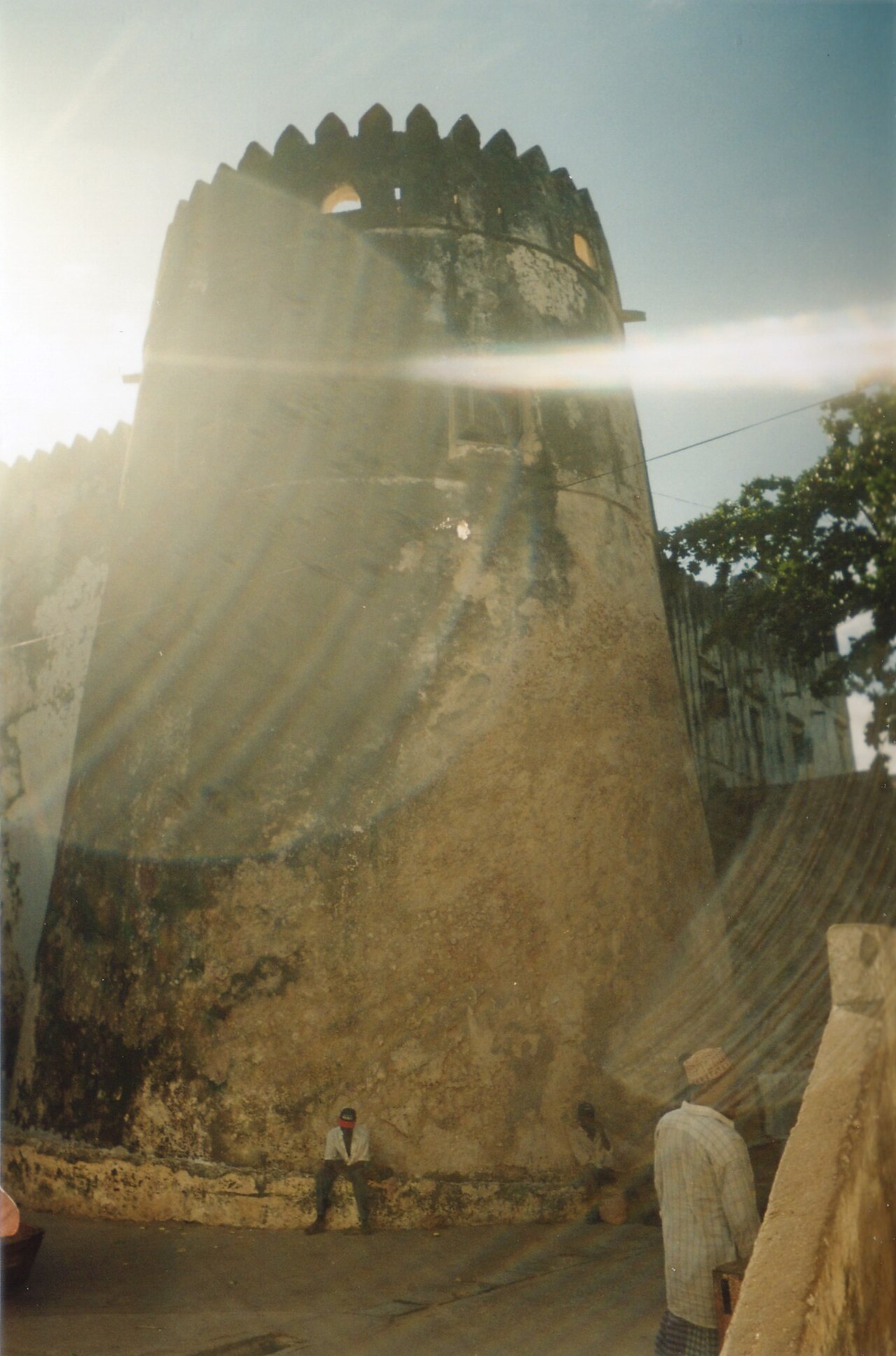
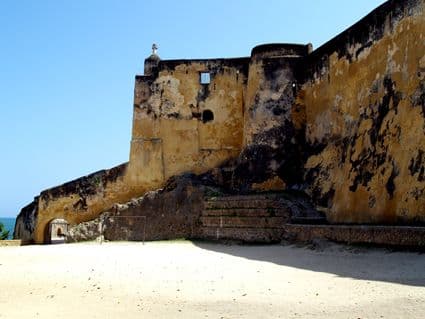
The fort's square plan with bulwarks at each corner allowed for overlapping fields of fire, a defensive innovation of the Renaissance period. The walls are thick and angled to deflect cannonballs, and the bastions provided platforms for artillery. Inside, the fort contains various chambers, including armories, barracks, storerooms, and a chapel, arranged around a central courtyard.
The entrance is fortified with a gatehouse and defensive structures designed to repel attackers. The fort's location on a promontory overlooking the sea gave it a commanding view of the harbor and surrounding area, enhancing its defensive capabilities.
Cultural heritage and modern use
Today, Fort Jesus is a museum and a UNESCO World Heritage Site, recognized for its architectural and historical importance. It attracts visitors interested in the history of Portuguese colonialism, East African trade networks, and military architecture. The museum houses artifacts recovered from the fort and surrounding areas, providing insights into the cultural exchanges between Europe, Africa, and Asia.
The preservation of Fort Jesus allows for continued study and appreciation of the fusion of European Renaissance design with local building traditions. It remains a symbol of Mombasa's rich history and its role as a crossroads of maritime trade and cultural interaction.
Frequently asked questions (FAQ)
- What is Fort Jesus Museum?
- Fort Jesus Museum is a historical fort located in Mombasa, Kenya, built by the Portuguese between 1593 and 1596. It is renowned for its unique Renaissance architecture and serves as a museum showcasing the rich history and cultural heritage of the coastal region. The fort is a UNESCO World Heritage Site, highlighting its significance in the history of trade and military strategy in East Africa.
- When was Fort Jesus built?
- Fort Jesus was constructed between 1593 and 1596 by the Portuguese to protect their trade route to India. The fort has stood the test of time, witnessing numerous battles and changes in control over the centuries. Its strategic location on Mombasa Island has made it an important military stronghold throughout its history.
- What are the opening hours of Fort Jesus Museum?
- Fort Jesus Museum is open daily from 8:00 AM to 5:30 PM, allowing visitors ample time to explore its rich history and exhibits. It is advisable to check for any changes in hours during public holidays or special events. Arriving early can help you avoid crowds and fully enjoy the museum's offerings.
- Can I take guided tours at Fort Jesus Museum?
- Yes, guided tours are available at Fort Jesus Museum, providing visitors with in-depth knowledge about the fort's history and architecture. Professional guides are on hand to share fascinating stories and insights, enhancing your overall experience. It is recommended to book a tour in advance, especially during peak tourist seasons.
- Is Fort Jesus accessible for visitors with disabilities?
- Fort Jesus Museum is committed to providing accessibility to all visitors. While some areas may have limited access due to the fort's historical architecture, efforts have been made to accommodate individuals with mobility challenges. It’s best to contact the museum in advance to inquire about specific accessibility options.
- What is the ticket price for entering Fort Jesus Museum?
- The ticket price for Fort Jesus Museum is generally affordable, with discounts available for students and children. As of the latest information, adult tickets are priced around 1,200 Kenyan Shillings, while children and students can enter for a reduced fee. It’s advisable to check the current rates before your visit, as prices may change.
- When is the best time to visit Fort Jesus Museum?
- The best time to visit Fort Jesus Museum is during the dry season, which runs from June to October. The weather is typically pleasant, making it ideal for exploring the fort and its surroundings. Visiting during weekdays can also help you avoid larger crowds, allowing for a more enjoyable experience.
- What are some nearby attractions to Fort Jesus Museum?
- Nearby attractions include the Old Port of Mombasa, the vibrant Old Town with its rich Swahili culture, and the Akamba Wood Carvers. Visitors can also explore the Mombasa Marine National Park for some beautiful beach scenery and marine activities. Combining these sites with a visit to Fort Jesus offers a comprehensive view of Mombasa's historical and cultural landscape.
Photo gallery

Information
Loading map...
Visitor reviews
No reviews yet. Been here? Write the first review and help other travelers!
Write the first reviewVisited this castle? Share your experience
Your review helps other travelers and adds first-hand knowledge to our encyclopedia.