Lamu Fort
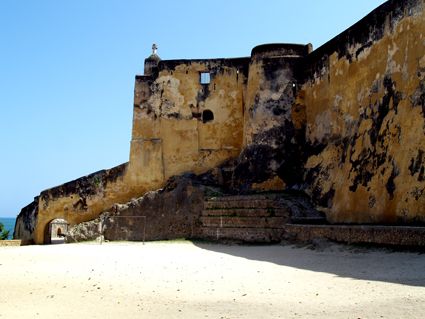
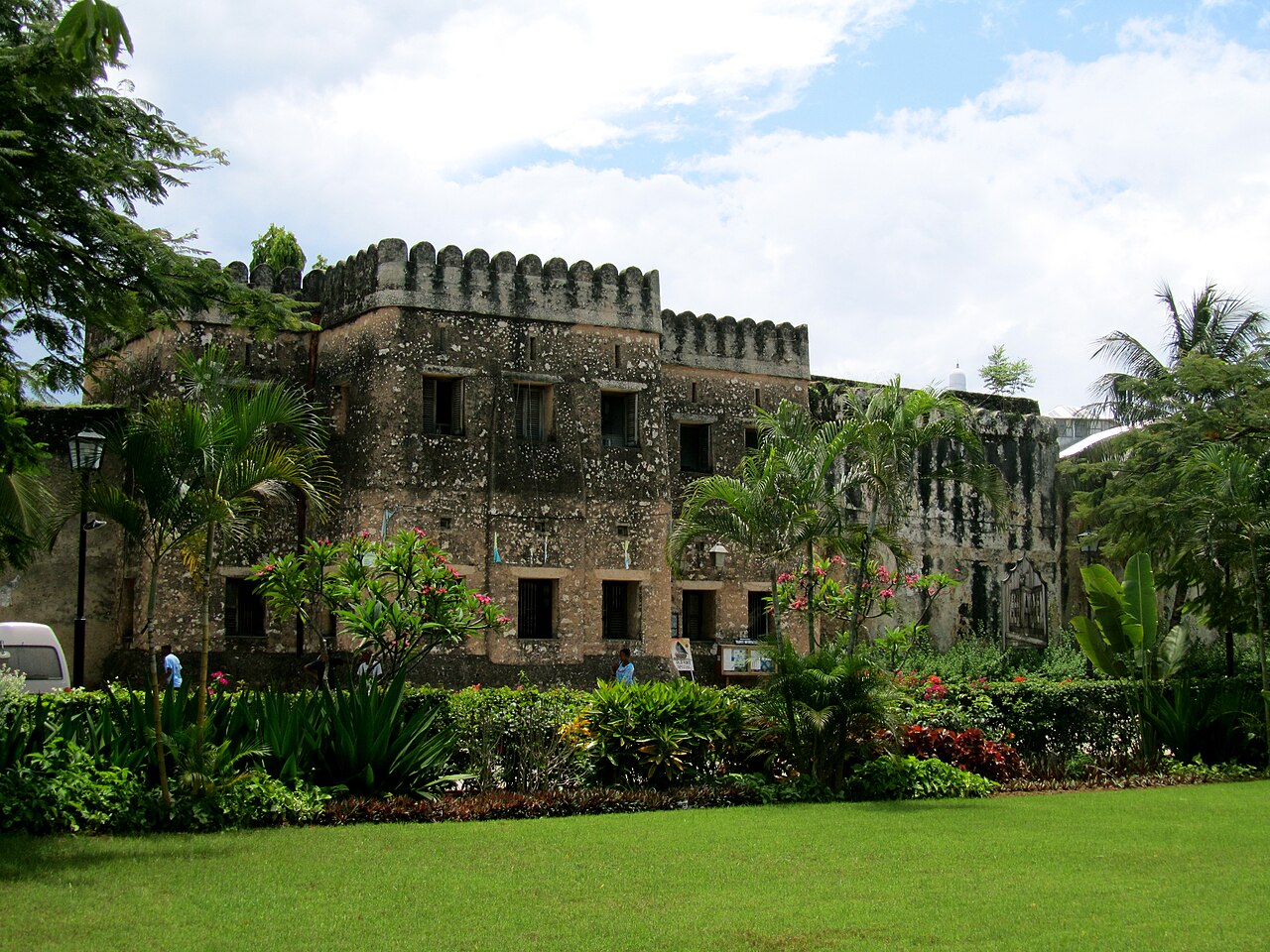
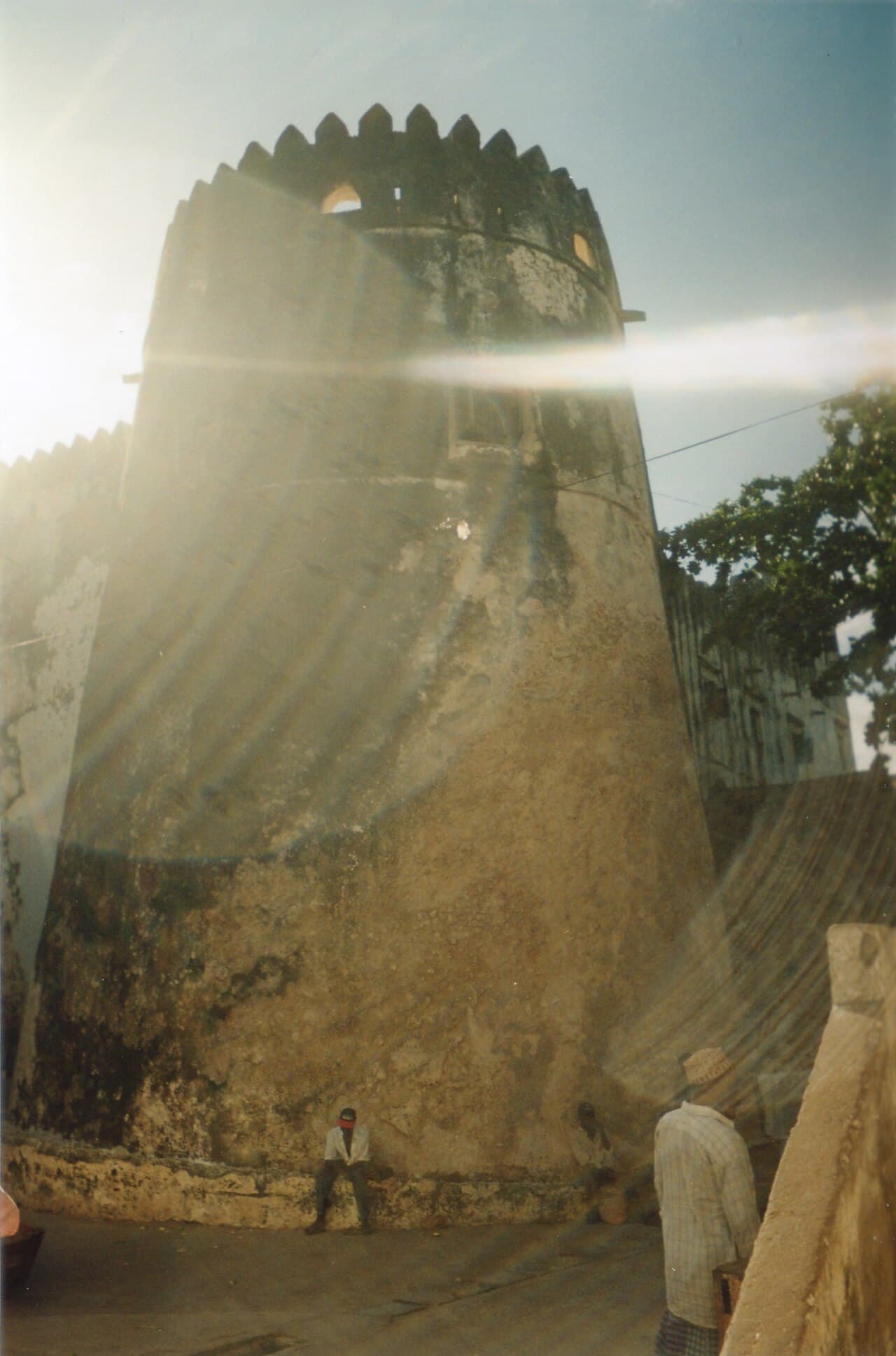
Lamu Fort (Swahili: Ngome ya Lamu) stands as a prominent bastioned fortress in the historic town of Lamu, located on the northeastern coast of Kenya. Constructed between 1813 and 1821 with the assistance of the Omani Sultanate, this fortification played a crucial role in the consolidation of Omani control over the East African coast during the early 19th century.
The fort was originally built on the waterfront, strategically positioned to oversee and control maritime activities in the region. Over time, sedimentation and urban expansion have shifted the shoreline, and today the fort lies approximately 70 metres inland from the main jetty, occupying a central location within the town of Lamu. Its commanding presence and robust construction reflect the military architectural principles of the period, adapted to the coastal environment.
Historical context and construction
The early 19th century marked a period of intense rivalry along the East African coast, with the Omani Sultanate seeking to strengthen its influence against Portuguese and local powers. Lamu Fort was built as a defensive stronghold to secure Omani interests and protect the town, which was a key trading hub at the time. The fort's construction was a significant undertaking, involving local materials such as coral stone and mangrove timber, which were typical of Swahili coastal architecture.
The fort's design incorporates bastions at its corners, enabling defenders to cover all approaches with overlapping fields of fire. This bastioned layout reflects the influence of European military engineering, adapted to the local context. The walls are thick and solid, designed to withstand attacks and provide a secure refuge for the garrison stationed there.
Architectural features
Lamu Fort is characterized by its massive stone walls and bastioned corners, which form a roughly square enclosure. The fort includes a central courtyard, surrounded by various chambers that served as barracks, storage rooms, and administrative offices. The thick walls feature narrow gun ports and embrasures for muskets and small cannons.
The entrance gate is fortified and was designed to be defensible against assault. Inside, the fort's layout is functional, prioritizing defense and military utility over decorative elements. The use of coral stone not only provided strength but also helped the structure blend with the surrounding Swahili townscape.
Role during colonial and post-colonial periods
Following the decline of Omani power in the region and changes in trade patterns, Lamu Fort lost much of its military significance. During the British colonial period in Kenya, the fort was repurposed as a prison, reflecting its secure and imposing construction. This use continued after Kenya gained independence in 1963.
In recent decades, the fort has undergone restoration and adaptation for cultural and educational purposes. It now houses an environmental museum and a library, serving as a center for community events and cultural activities. The fort is a key heritage site in Lamu, contributing to the town's status as a UNESCO World Heritage Site.
Significance and preservation
Lamu Fort is an important example of early 19th-century military architecture on the East African coast, illustrating the intersection of Omani and Swahili influences. Its preservation provides insight into the region's colonial history, trade networks, and architectural traditions.
The fort continues to be a focal point for visitors interested in the history and culture of Lamu, offering a tangible connection to the town's strategic past and its evolving role in Kenya's heritage landscape.
Frequently asked questions (FAQ)
- What is the historical significance of Lamu Fort?
- Lamu Fort, built in the 18th century, is a key historical site that showcases the rich Swahili culture and the influence of trade in the Indian Ocean. It served as a defensive stronghold and a symbol of the sultanate's power, playing a crucial role in the maritime history of the region.
- When was Lamu Fort constructed?
- Lamu Fort was constructed between 181 fort and 1821, during a time when Lamu was an important trading port. The fort reflects the architectural style of the period, blending local Swahili elements with influences from Arab and Persian designs.
- What are the opening hours of Lamu Fort?
- Lamu Fort is typically open to visitors from 8:00 AM to 5:00 PM daily. However, it is advisable to check with local authorities for any changes in hours, especially during public holidays or special events.
- Can I visit Lamu Fort without a guided tour?
- Yes, visitors can explore Lamu Fort on their own, although a guided tour can enhance the experience by providing deeper insights into its history and architecture. Audio guides may also be available for those who prefer a self-guided experience.
- Is it accessible for people with disabilities?
- Lamu Fort has limited accessibility due to its historic architecture and narrow passageways. While efforts have been made to accommodate all visitors, those with mobility challenges may find it difficult to navigate the fort's uneven surfaces and stairs.
- What is the best time to visit Lamu Fort?
- The best time to visit Lamu Fort is during the cooler months from June to October, when the weather is more pleasant for outdoor exploration. Additionally, visiting during local festivals can offer a unique cultural experience.
- Are there any nearby attractions to visit after Lamu Fort?
- Yes, after visiting Lamu Fort, you can explore other attractions such as the Lamu Museum, the Old Town, and the beautiful Lamu beaches. These sites reflect the unique culture and history of Lamu, making for a well-rounded visit.
- What are the ticket prices for Lamu Fort?
- The entry fee for Lamu Fort is quite affordable, usually around 200 Kenyan Shillings for locals and slightly higher for international tourists. It is best to check the latest prices before your visit, as they may vary based on special exhibitions or events.
Photo gallery

Information
Loading map...
Visitor reviews
No reviews yet. Been here? Write the first review and help other travelers!
Write the first reviewVisited this castle? Share your experience
Your review helps other travelers and adds first-hand knowledge to our encyclopedia.