Okopy Castle
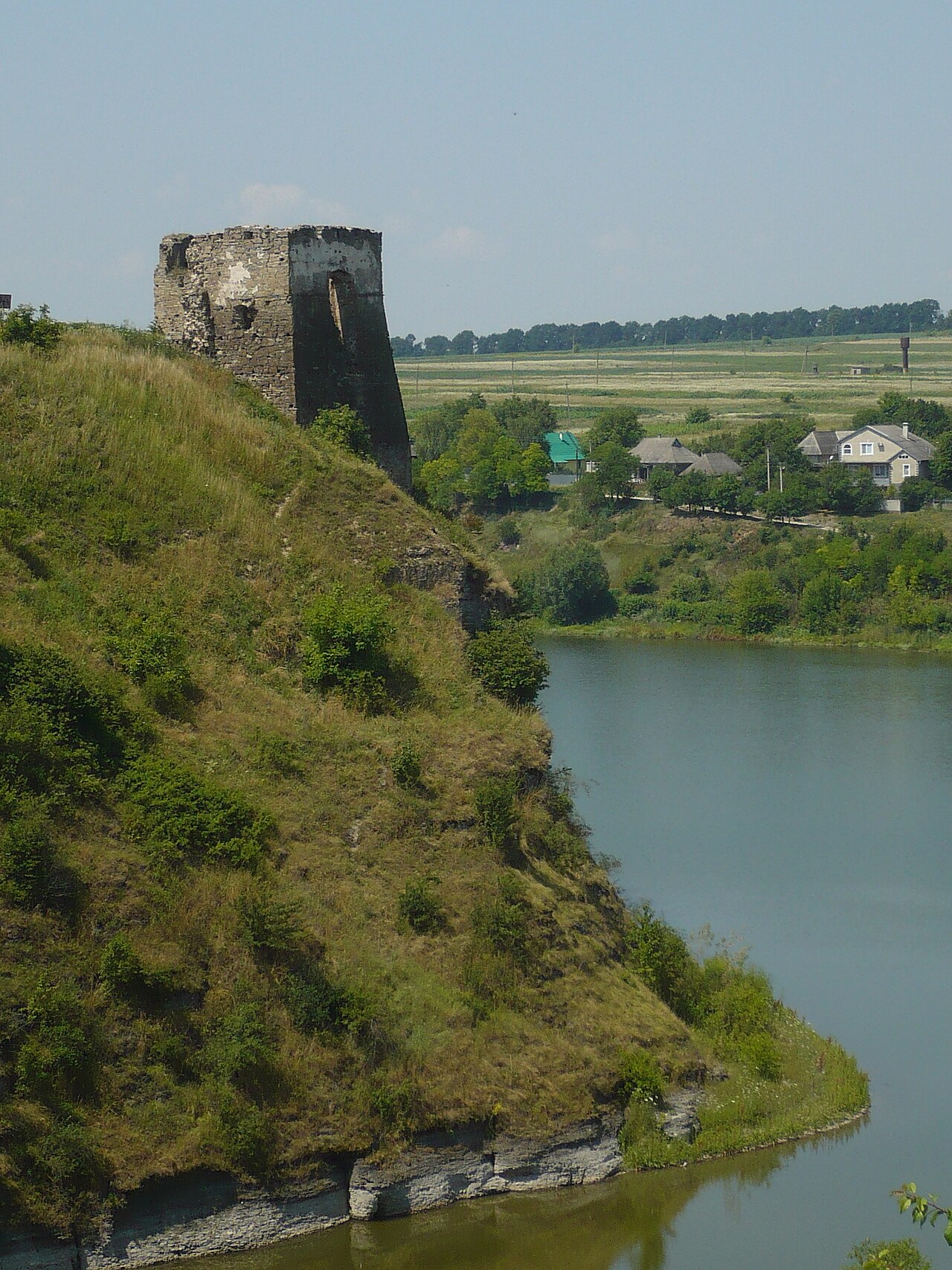
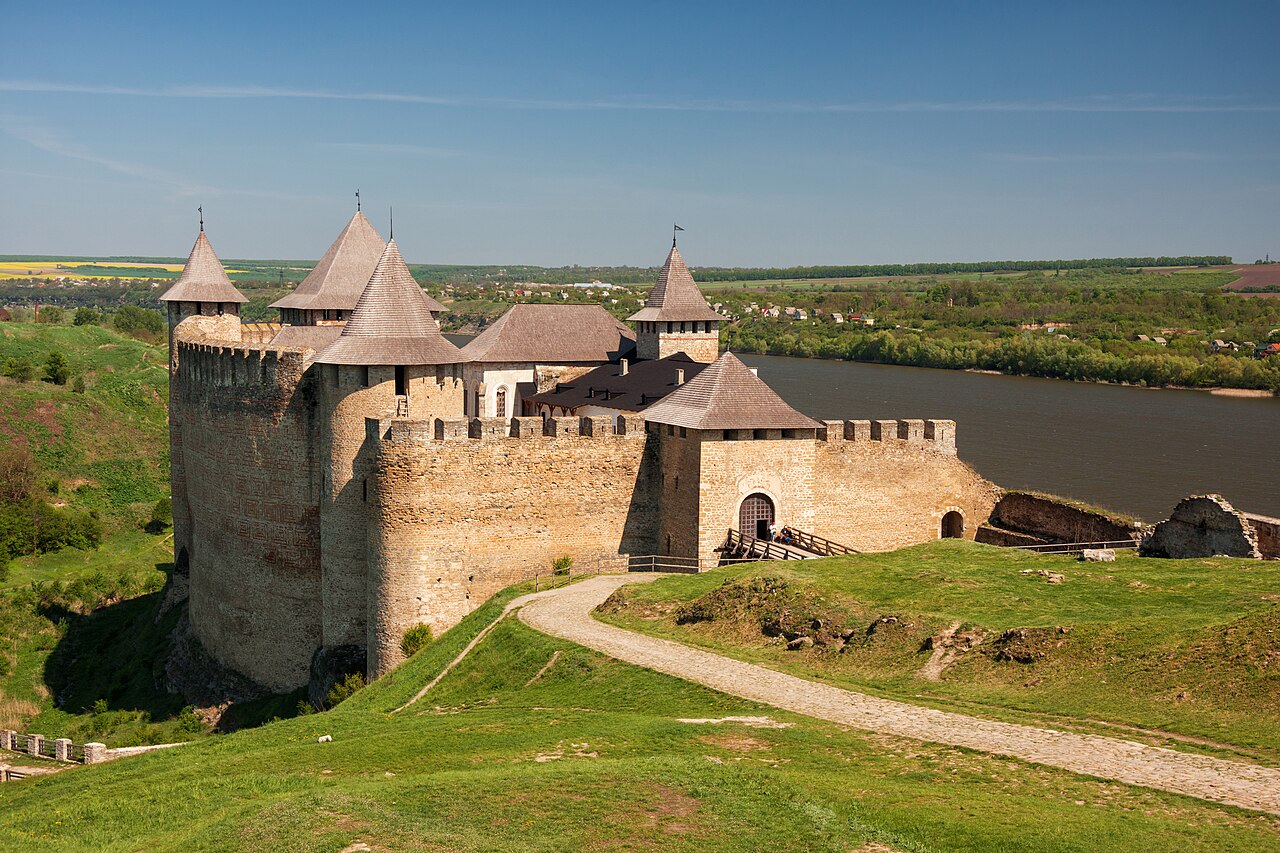
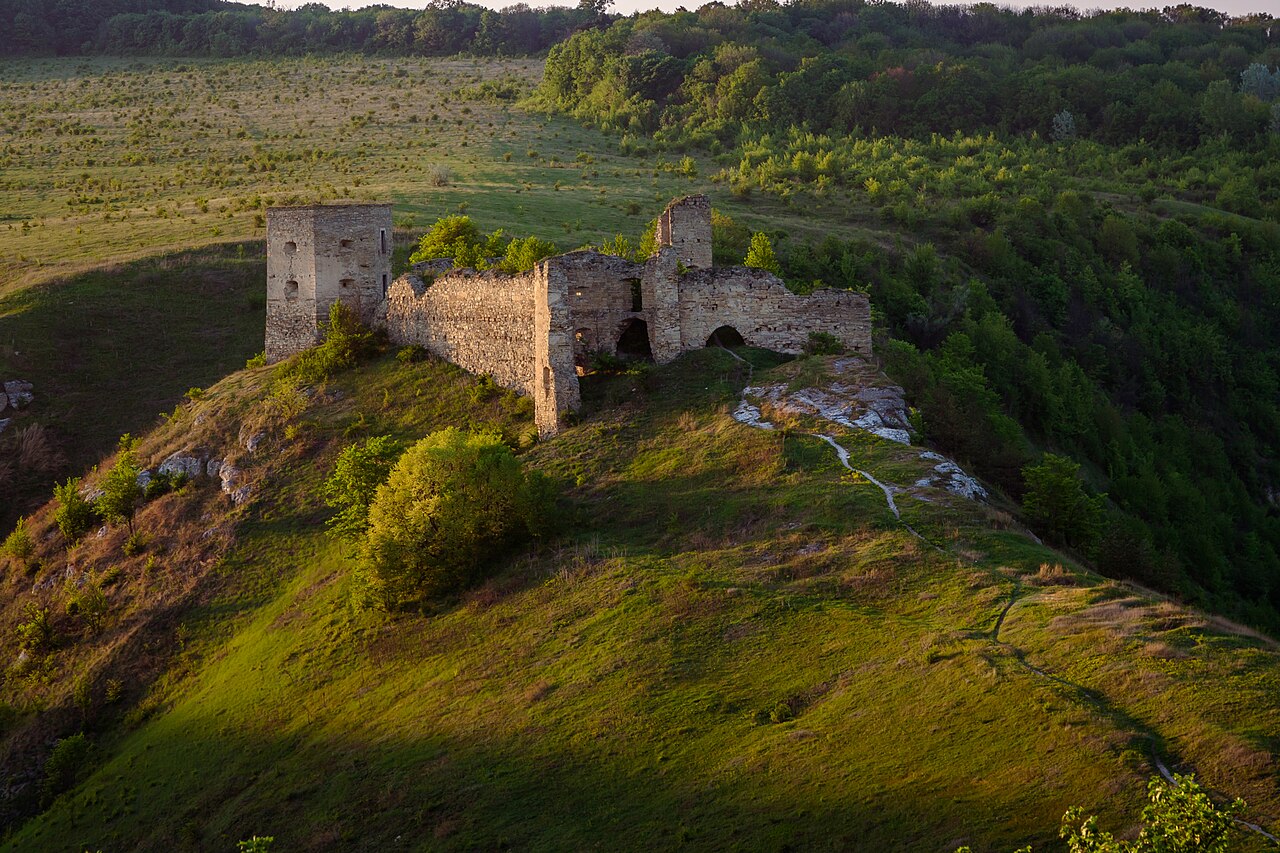
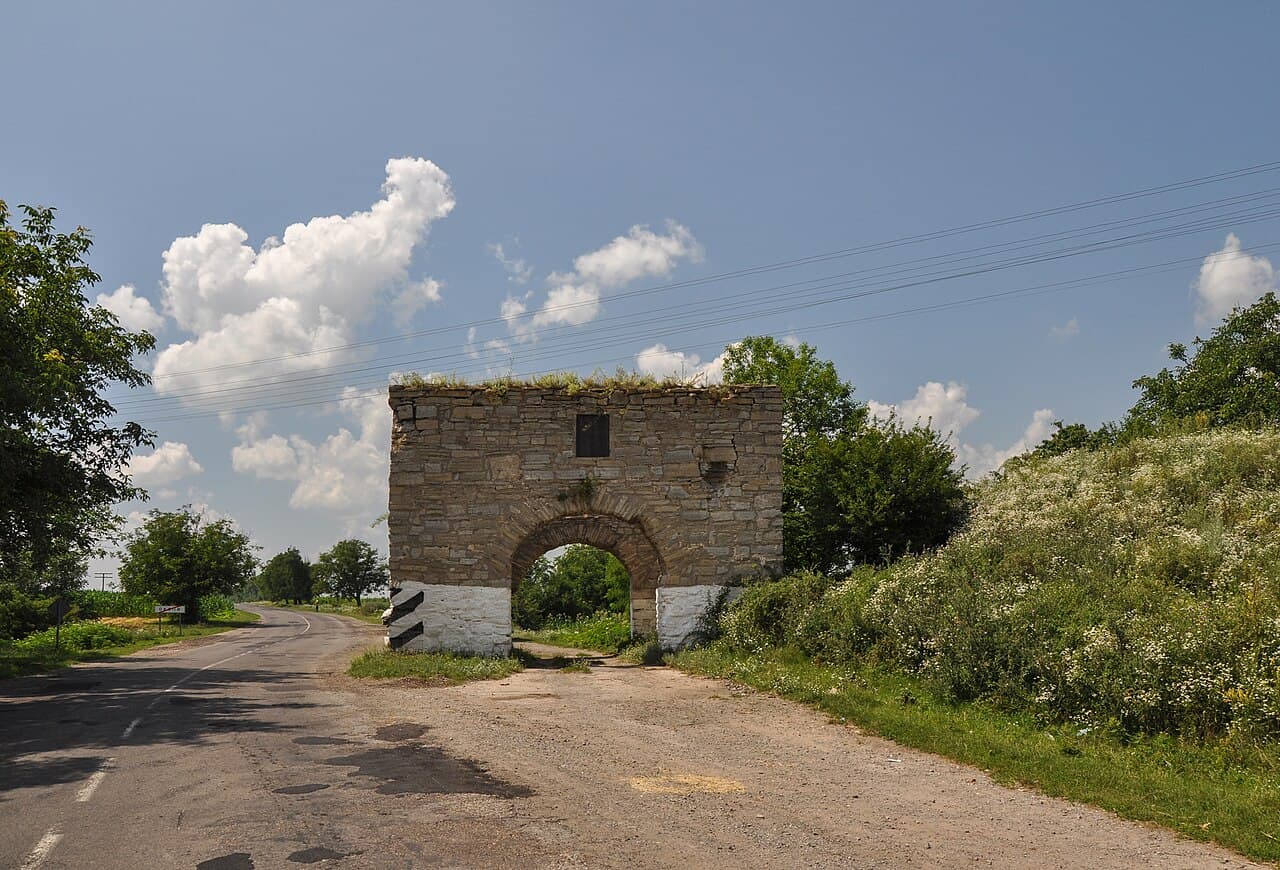
Okopy Castle, also known locally as the Holy Trinity Trenches (Fortetsya Svyatoyi Triytsi), is a significant Renaissance fortress located in Okopy, Ternopil Oblast, Ukraine. Founded in 1692 by Hetman Stanisław Jan Jabłonowski, it was constructed as a strategic bastion fortress to protect the Polish-Lithuanian Commonwealth's eastern borders against Ottoman incursions. The castle sits on a hill castle site near the confluence of the Dniester and Zbruch Rivers, a location chosen for its natural defensive advantages and control over vital waterways.
Historical context and strategic purpose
The fortress was built during a turbulent period marked by frequent conflicts between the Polish-Lithuanian Commonwealth and the Ottoman Empire. The primary purpose of the Holy Trinity Trenches was to block communication and supply routes between the Ottoman garrison stationed at Kamianets-Podilskyi, approximately 23 kilometers away, and Moldavia. Moldavia served as a base from which convoys supplied the Ottoman forces. By controlling this passage, the fortress aimed to cut off vital reinforcements and supplies, thereby weakening the Ottoman military presence in the region.
The fortress lost its military significance after the Treaty of Karlowitz in 1699, which ended hostilities between the Ottoman Empire and the Holy League, resulting in the Polish-Lithuanian Commonwealth regaining control of Kamianets-Podilskyi. This treaty shifted the balance of power, rendering the fortress's defensive role obsolete.
Architectural design and features
Okopy Castle was designed by the renowned architect Tylman van Gameren, a prominent figure in Polish Renaissance and Baroque architecture. The fortress exemplifies the Renaissance bastion fortress style, characterized by angular bastions and thick defensive walls designed to withstand artillery fire.
The fortress is a classic example of a hill castle, utilizing the elevated terrain to enhance its defensive capabilities. Its design includes a system of trenches and earthworks that complement the stone bastions, creating multiple layers of defense. The walls are reinforced with bastions at the corners, allowing defenders to cover all approaches with crossfire.
The layout reflects the military engineering principles of the late 17th century, focusing on maximizing defense against cannon fire and sieges. The fortress's position near the river also provided a natural moat and an additional barrier against attackers.
Preservation and cultural significance
Today, Okopy Castle stands as an architectural monument of national importance in Ukraine. While it no longer serves a military purpose, the fortress remains a valuable cultural and historical site, attracting visitors interested in military architecture and Eastern European history.
The site preserves many of its original defensive structures, including the bastions and trenches, providing insight into the military strategies of the Renaissance period. Its location on the Dniester River offers scenic views and a tangible connection to the region's past conflicts and geopolitical shifts.
Visiting Okopy Castle
Visitors to Okopy Castle can explore the extensive remains of the bastion fortress and its surrounding trenches. The site offers a unique opportunity to study Renaissance military architecture in a relatively well-preserved context. Interpretive signage and guided tours often highlight the fortress's role in the Polish-Ottoman wars and its architectural innovations.
The castle's remote location means that visitors should plan their trip carefully, but the historical and architectural rewards make it a significant destination for enthusiasts of fortifications and Eastern European history.
Frequently asked questions (FAQ)
- When was Okopy Castle built and by whom?
- Okopy Castle was built in 1692 by Hetman Stanisław Jan Jabłonowski to serve as a defensive fortress against Ottoman forces.
- What is the architectural style of Okopy Castle?
- The castle is designed in the Renaissance bastion fortress style by architect Tylman van Gameren, featuring angular bastions and thick walls.
- Why was Okopy Castle strategically important?
- It blocked communication and supply routes between the Ottoman garrison at Kamianets-Podilskyi and Moldavia, disrupting enemy logistics.
- Is Okopy Castle open to visitors?
- Yes, the fortress is accessible to visitors who can explore its trenches, bastions, and learn about its historical significance.
- What is the current condition of Okopy Castle?
- The castle is partially preserved, with many original defensive structures still visible, though some areas are in ruins.
Photo gallery

Information
Current owner
State museum
Loading map...
Visitor reviews
No reviews yet. Been here? Write the first review and help other travelers!
Write the first reviewVisited this castle? Share your experience
Your review helps other travelers and adds first-hand knowledge to our encyclopedia.