Kudryntsi Castle
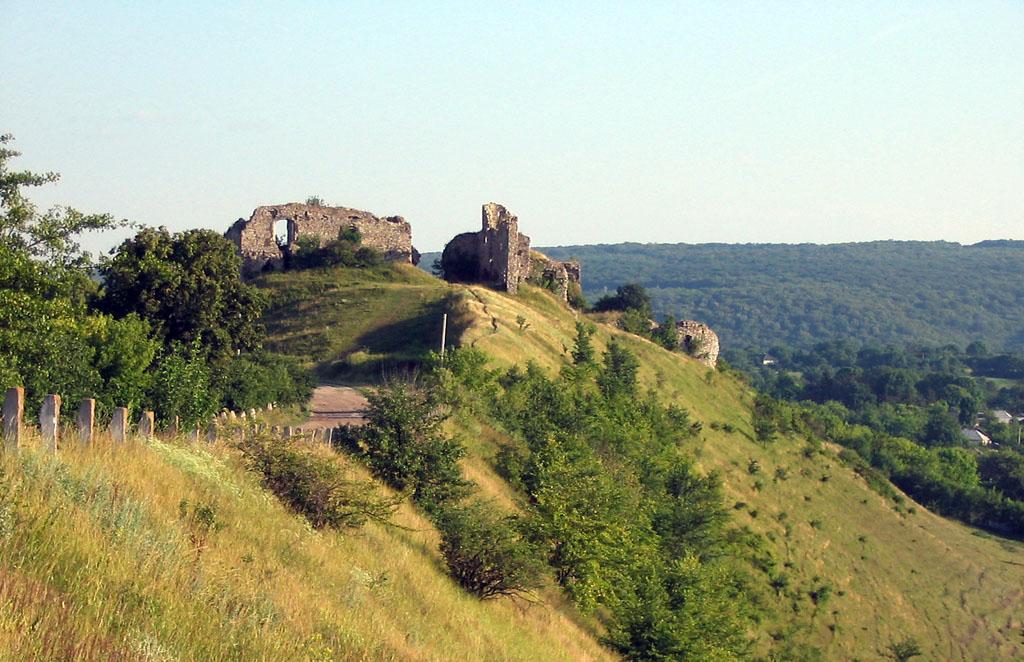
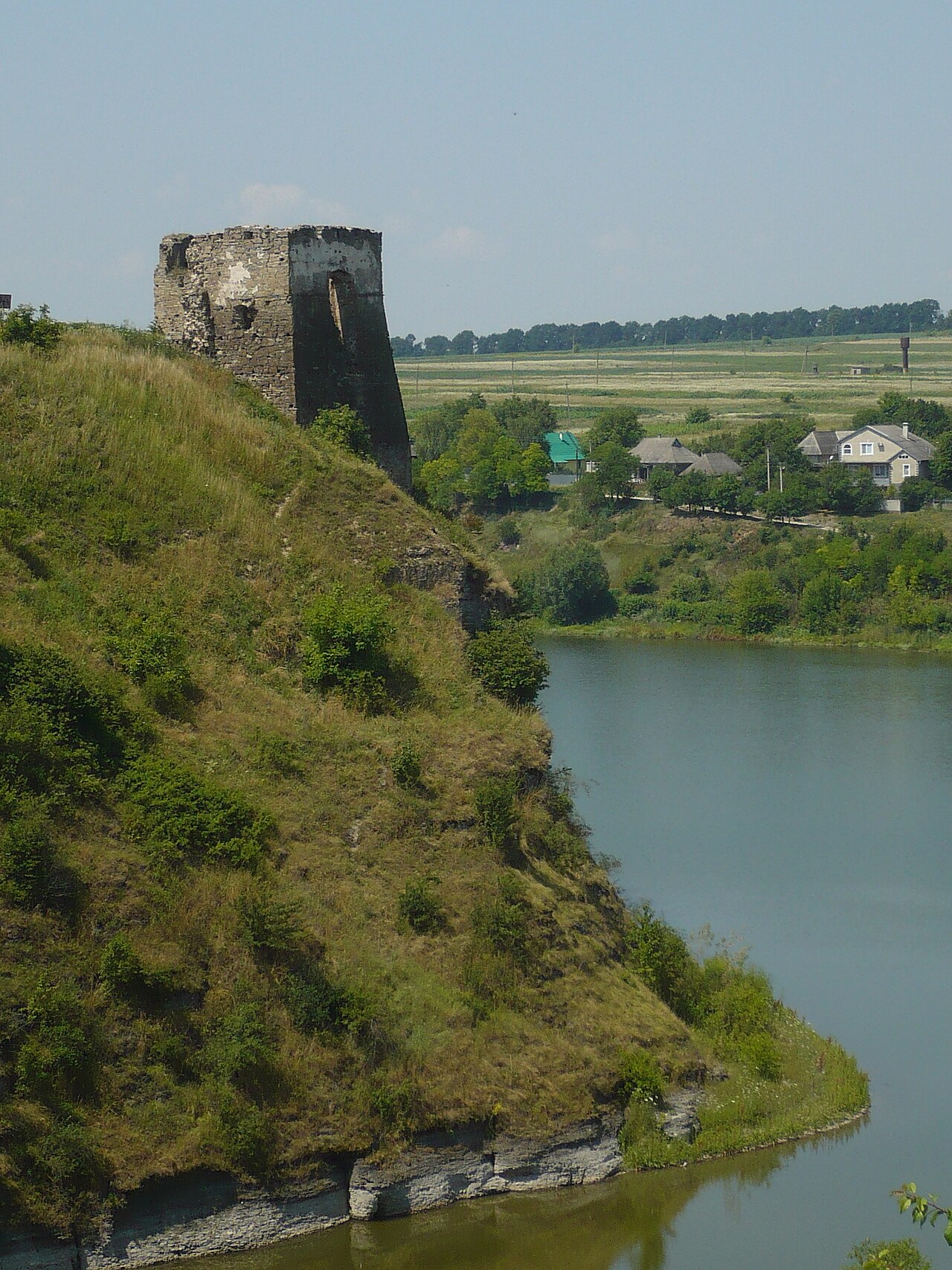
Kudryntsi Castle (Ukrainian: Кудринецький замок, Polish: Zamek w Kudryńcach) is a notable example of a 17th-century Renaissance hill castle located in the Ternopil Oblast of Ukraine. Perched strategically on a hilltop overlooking the Zbruch River, the castle was constructed to serve as a defensive stronghold in a region marked by frequent military conflicts during the early modern period.
Historical context and construction
The castle was built in the early 17th century by the Polish nobleman Jan Szczęsny Herburt, a prominent figure in the Polish–Lithuanian Commonwealth. Its location in the Chortkiv Raion placed it near the volatile borderlands that were often contested by various powers, including the Ottoman Empire, the Crimean Tatars, and Cossack forces. Kudryntsi Castle was part of a network of fortifications designed to protect the Commonwealth's eastern frontiers, including the larger and more famous fortress at Kamianets-Podilskyi, situated about 25 kilometers to the east.
Architectural features and design
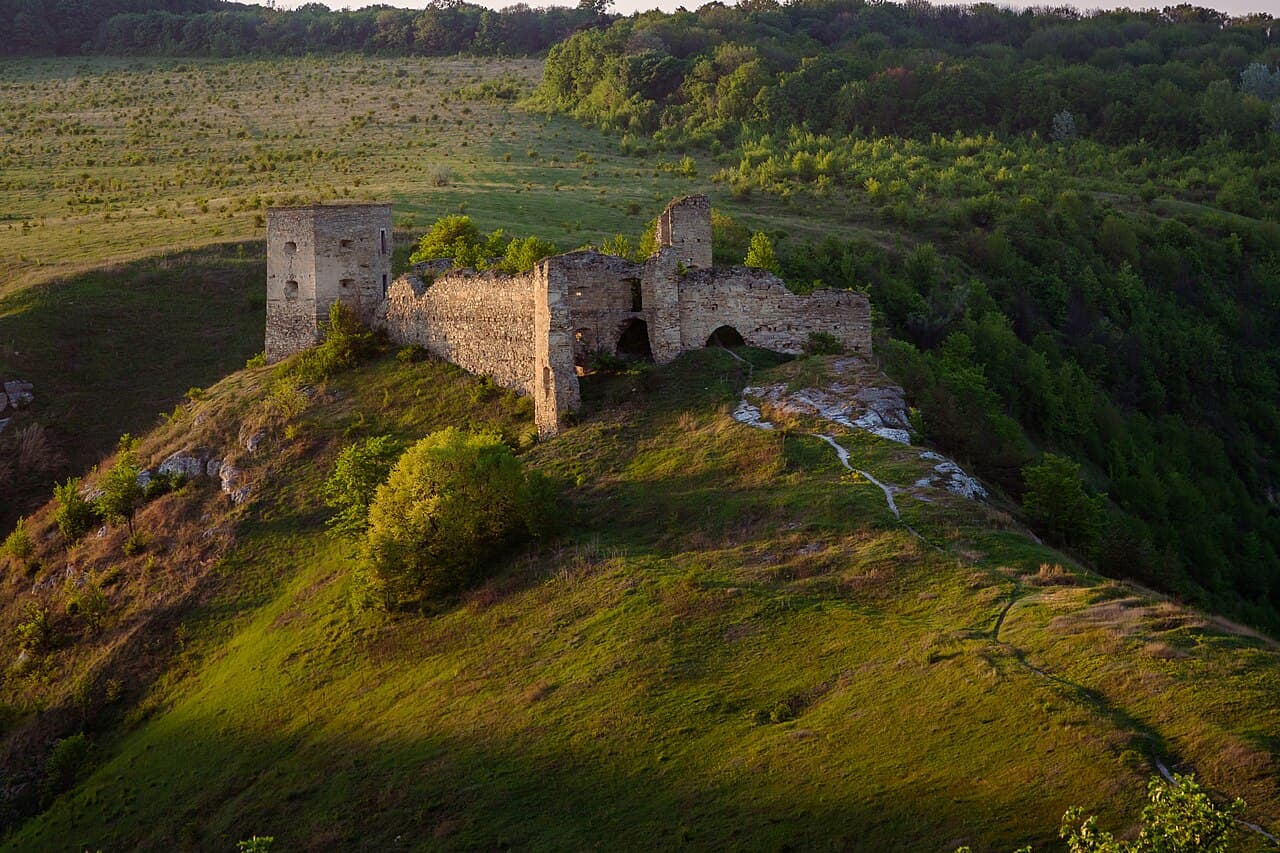
Kudryntsi Castle exemplifies Renaissance military architecture adapted to the hilly terrain. The castle's design incorporates stone defensive walls with bastions and towers positioned to maximize fields of fire over the surrounding landscape and the river below. The hilltop location provided a natural advantage, making direct assaults difficult. The castle complex included a courtyard, living quarters, and storage facilities, all enclosed within thick walls designed to withstand artillery bombardment, which was becoming increasingly important in fortress design during this period.
Defensive structures
The castle featured battlements and arrow slits, allowing defenders to repel attackers while remaining protected. Its walls were constructed from local stone, and the layout was compact yet effective for defense. Although the castle was not as large as some contemporaneous fortresses, its position and fortifications made it a formidable obstacle to invading forces.
Military history and sieges
Throughout the 17th century, Kudryntsi Castle witnessed numerous sieges and attacks, primarily from Cossack uprisings and Ottoman incursions. The castle's strategic importance made it a target during the turbulent times of the Khmelnytsky Uprising and the wars between the Polish–Lithuanian Commonwealth and the Ottoman Empire. Despite its defenses, the castle changed hands multiple times and suffered damage during these conflicts.
Cossack and Turkish assaults
The Cossacks, known for their guerrilla warfare tactics, repeatedly besieged the castle as part of their efforts to challenge Polish rule. Similarly, Ottoman forces sought to expand their influence into Podolia, leading to several military campaigns that involved attempts to capture Kudryntsi Castle. These attacks tested the resilience of the fortress and its garrison but also contributed to the gradual deterioration of its structures.
Decline and current condition
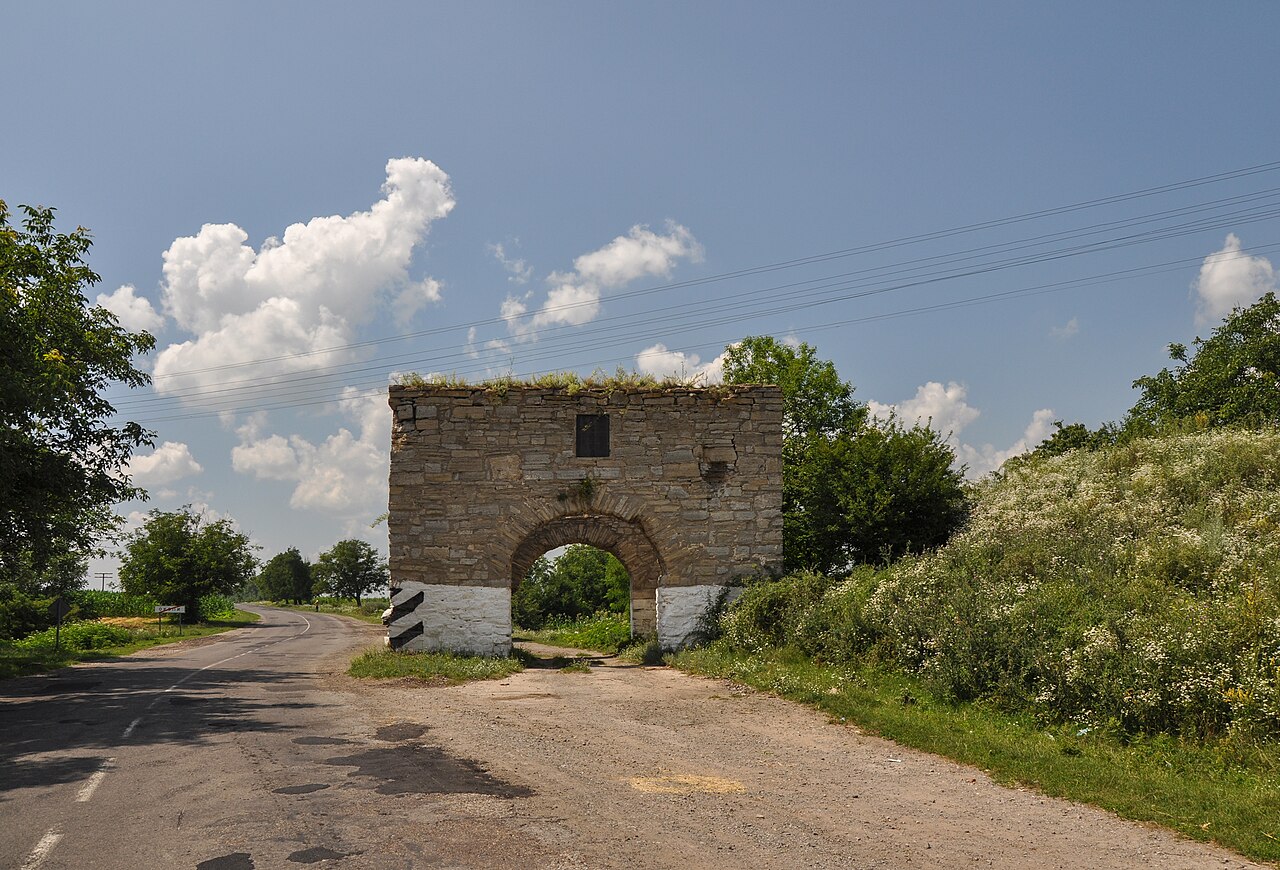
By the 19th century, the castle had fallen into disuse and partial ruin. The walls began to crumble as maintenance ceased, and the fortress was abandoned. Today, Kudryntsi Castle remains a ruined hill castle, with significant portions of its walls and towers still visible but deteriorated. Its ruins continue to attract visitors interested in military architecture and the history of the region.
Preservation and tourism
Despite its ruined state, Kudryntsi Castle is recognized for its cultural and historical significance. Efforts to preserve the site focus on stabilizing existing structures and promoting awareness of its heritage. The castle's location offers panoramic views of the Zbruch River valley, making it a popular destination for tourists and history enthusiasts exploring western Ukraine's fortified heritage.
Frequently asked questions (FAQ)
- What is the historical significance of Kudryntsi Castle?
- Kudryntsi Castle is a remarkable example of Ukrainian Renaissance architecture, built in the late 16th century. It served as a fortress and residence for local nobility, reflecting the region's turbulent history and cultural heritage.
- When was Kudryntsi Castle built?
- Kudryntsi Castle was constructed in the late 1500s, with significant modifications made over the centuries. Its enduring structure showcases the architectural styles prevalent during the Renaissance period in Ukraine.
- Can I visit Kudryntsi Castle?
- Yes, Kudryntsi Castle is open to visitors. Guests can explore the castle grounds and learn about its history through informative displays and guided tours.
- What are the opening hours for Kudryntsi Castle?
- Kudryntsi Castle is typically open from 10 AM to 6 PM, Tuesday through Sunday. It's advisable to check for any seasonal changes in opening hours before planning your visit.
- Is it possible to access Kudryntsi Castle by public transport?
- Yes, Kudryntsi Castle is accessible by public transport. There are local buses that connect the nearby towns, making it convenient for visitors to reach the castle.
- What is the best time to visit Kudryntsi Castle?
- The best time to visit Kudryntsi Castle is during the spring and early autumn when the weather is mild and pleasant. These seasons provide a beautiful backdrop for exploring the castle and its surroundings.
- Are there any nearby attractions to visit?
- Yes, there are several attractions near Kudryntsi Castle, including beautiful parks and historical sites. Visitors can also explore local villages that showcase traditional Ukrainian culture.
- What are the ticket prices for Kudryntsi Castle?
- The ticket prices for Kudryntsi Castle are quite affordable, typically ranging around 50 UAH for adults and discounted rates for children and students. Group tours may also offer special pricing options.
Photo gallery

Information
Loading map...
Visitor reviews
No reviews yet. Been here? Write the first review and help other travelers!
Write the first reviewVisited this castle? Share your experience
Your review helps other travelers and adds first-hand knowledge to our encyclopedia.