Okō Castle
Okō Castle (岡豊城, Okō-jō) stands as an important archaeological site in Nankoku, Kōchi Prefecture, Japan. It served as the original stronghold of the Chōsokabe clan, the feudal lords who dominated Tosa Province during the late Muromachi and Sengoku periods. The castle is historically significant as the birthplace and power base of the renowned warlord Chōsokabe Motochika, who unified much of Shikoku Island in the late 16th century. Since 2008, the ruins of Okō Castle have been protected as a National Historic Site, preserving its legacy in Japanese history.
The strategic importance of Okō Castle
Constructed originally in the Muromachi period, Okō Castle was strategically located to control the surrounding fertile plains and key transportation routes in Tosa Province. Its position allowed the Chōsokabe clan to exert influence over the region and defend against rival clans during the turbulent Sengoku era. Though the castle itself was never a grand stone fortress like many later Japanese castles, it was a fortified complex adapted to the mountainous terrain typical of hill castles (yamajiro).
Architectural features and layout
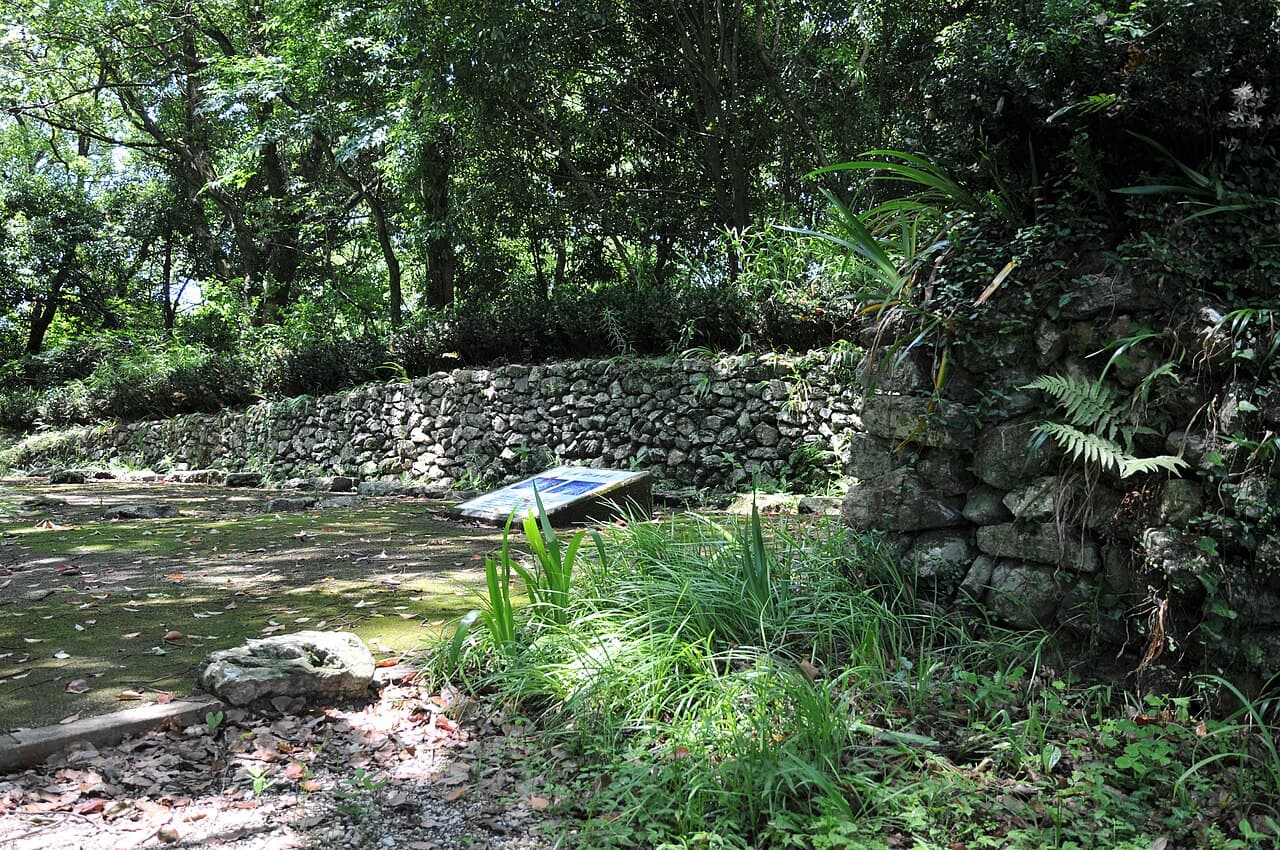
Okō Castle's remains reveal a complex of earthworks, moats, and wooden structures typical of hill castles from the period. The castle was built primarily using natural defenses, including steep slopes and terraced baileys. Excavations have uncovered foundation stones of various buildings, defensive walls, and traces of gates. Its design reflects the practical military architecture of the Muromachi and Sengoku periods, emphasizing natural topography over massive stone walls.
Defensive structures
The castle featured multiple baileys (kuruwa) arranged on different levels of the hill, connected by narrow paths and gates. Earthen ramparts and dry moats (horikiri) provided additional defense. The main enclosure housed the lord's residence and command facilities. Given the era, wooden palisades and watchtowers would have been common, though no wooden structures survive today.
The Chōsokabe clan and Okō Castle's historical role
The Chōsokabe clan rose to prominence during the Sengoku period, with Okō Castle as their ancestral seat. Chōsokabe Motochika, born at Okō Castle in 1539, is credited with unifying Tosa Province and later extending control over all of Shikoku Island. The castle was the political and military center for the clan's operations until they moved their base to other castles as their power expanded.
Okō Castle played a key role in regional conflicts, serving as a defensive bastion and symbol of the clan's authority. However, as warfare evolved and the need for more modern fortifications grew, the castle was eventually abandoned in favor of more strategically advantageous sites.
Preservation and archaeological significance
Today, Okō Castle exists as archaeological ruins with visible earthworks and stone foundations. The site has been carefully excavated and studied, providing valuable insights into Muromachi and Sengoku period castle construction and feudal lordship in Shikoku. The designation as a National Historic Site in 2008 has ensured protection and increased public awareness of its cultural importance.
Visitors to the site can explore walking trails that outline the castle's former layout, including defensive walls and terraces. Interpretive signage helps explain the castle's history and the rise of the Chōsokabe clan. The site offers a tangible connection to Japan's feudal past and the complex dynamics of regional power during the 16th century.
Frequently asked questions (FAQ)
- How do I get to Okō Castle?
- Okō Castle is located in Nankoku, Japan, and can be accessed via public transportation or by car. If you are using public transport, take a train to Nankoku Station and then a short taxi ride to the castle. For those driving, there is ample parking available near the entrance.
- What is the historical significance of Okō Castle?
- Okō Castle, built in the late 16th century, played a crucial role in the regional power struggles of feudal Japan. It served as a strategic stronghold during the turbulent Sengoku period, and its architecture reflects the military needs of that time. Today, it stands as a testament to Japan's rich history and cultural heritage.
- When was Okō Castle built?
- Okō Castle was constructed in 1585 by the powerful feudal lord, Chōsokabe Motochika. The castle has undergone various renovations and restorations throughout the centuries, preserving its historical integrity. Visitors can explore its grounds and learn more about its storied past.
- Can I enter the castle grounds?
- Yes, visitors are welcome to enter the castle grounds and explore the surrounding gardens. However, access to the inner structures may vary based on maintenance and preservation efforts. Be sure to check for any specific restrictions before your visit.
- Why is Okō Castle a popular tourist attraction?
- Okō Castle attracts tourists due to its rich history, stunning architecture, and picturesque setting. The castle offers a glimpse into Japan's feudal past and provides beautiful views of the surrounding landscape. Additionally, it often hosts cultural events and festivals that highlight traditional Japanese customs.
- Is it possible to visit Okō Castle year-round?
- Yes, Okō Castle is open to visitors throughout the year, although specific opening hours may vary by season. It is advisable to check the official website or contact local tourist information for the most accurate details. Be prepared for potential weather changes, especially during the rainy season.
- What are the opening hours for Okō Castle?
- Okō Castle typically opens at 9:00 AM and closes at 5:00 PM, with last entry at 4:30 PM. These hours may change depending on the season or special events, so it's best to verify before your visit. Enjoying the castle in the late afternoon can provide a unique perspective with beautiful sunset views.
- Are there any nearby attractions to visit while at Okō Castle?
- Yes, there are several attractions near Okō Castle, including historical temples and scenic parks. The nearby Nankoku City Museum offers insights into local history and culture. Additionally, the beautiful Shimanto River is a short drive away, perfect for nature lovers.
- What are the ticket prices for Okō Castle?
- The general admission fee for Okō Castle is quite affordable, usually around 500 yen for adults, with discounts available for children and seniors. Special events may have different pricing, so it's a good idea to check ahead. Tickets can be purchased on-site, making it convenient for visitors.
Photo gallery

Information
Loading map...
Visitor reviews
No reviews yet. Been here? Write the first review and help other travelers!
Write the first reviewVisited this castle? Share your experience
Your review helps other travelers and adds first-hand knowledge to our encyclopedia.