Amagiri Castle
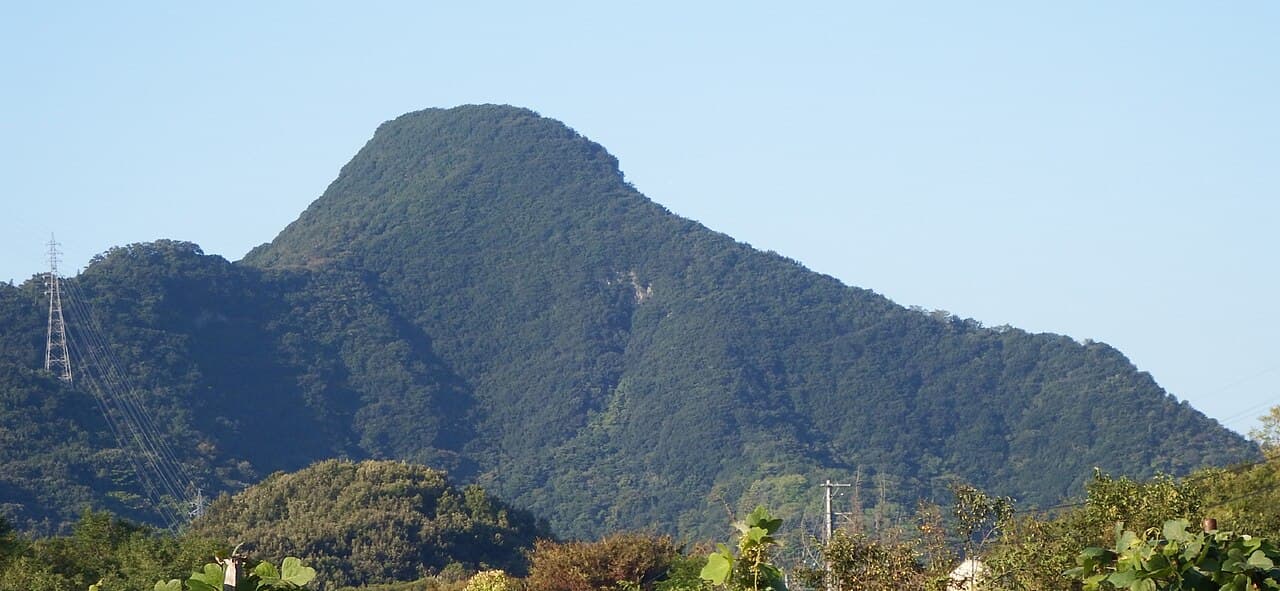
Amagiri Castle (天霧城, Amagiri-jō) stands as a significant example of a Muromachi period Japanese castle, constructed in the 14th century during Japan's late medieval era. Situated on the border of the modern cities of Zentsūji and Mitoyo, as well as the town of Tadotsu in Kagawa Prefecture, this castle played a strategic role in regional defense and control. The castle's ruins have been preserved as a National Historic Site since 1990, reflecting its cultural and historical importance.
Historical context and significance
The construction of Amagiri Castle coincided with a turbulent period in Japanese history, marked by feudal conflicts and shifting allegiances among regional warlords. As a Muromachi period fortress, it was built primarily for military defense and as a power base for local rulers. The castle's location in Kagawa Prefecture placed it in a strategic position overseeing important routes and territories on the island of Shikoku.
During its active years, Amagiri Castle served as a stronghold for local samurai clans, who utilized its natural and man-made defenses to withstand sieges and maintain control over the surrounding lands. Its role in regional conflicts underscores the castle's importance in the late medieval political landscape of Japan.
Architectural features and castle layout
Although now in ruins, archaeological excavations and historical records provide insight into the castle's architecture. Amagiri Castle was primarily a hill castle (yamajiro), constructed on elevated terrain to maximize defensive advantages. The castle complex included multiple baileys (kuruwa) arranged on terraced slopes, connected by narrow paths and fortified with earthen walls and dry moats.
The main enclosure (honmaru) likely housed the lord's residence and key defensive structures, including watchtowers and gates. Surrounding enclosures provided space for retainers, soldiers, and storage facilities. Defensive features such as stone walls and wooden palisades were integrated with the natural landscape to enhance protection against attackers.
Excavations have revealed remnants of stone foundations and earthworks, indicating the scale and complexity of the fortifications. The castle's design reflects typical Muromachi period military architecture, emphasizing practical defense over ornamental elements.
Decline and preservation
With the unification of Japan under the Tokugawa shogunate in the early 17th century, many regional castles lost their military significance. Amagiri Castle was gradually abandoned and fell into ruin. Over the centuries, natural erosion and human activity further degraded the site.
Recognizing its historical value, the Japanese government designated the ruins of Amagiri Castle as a National Historic Site in 1990. Preservation efforts have focused on protecting the remaining earthworks and stone foundations, as well as promoting public awareness of the castle's heritage.
Visiting the ruins today
Today, visitors to Amagiri Castle can explore the archaeological site, which offers a glimpse into late medieval Japanese castle construction and feudal history. While the castle no longer stands in its original form, the ruins provide valuable insight into the defensive strategies and architectural practices of the period.
The site is accessible from the nearby cities of Zentsūji, Mitoyo, and the town of Tadotsu. Informational signage and guided tours help visitors understand the castle's layout and historical context. The surrounding landscape, including hills and forests, adds to the experience of exploring this historic Muromachi period site.
Frequently asked questions (FAQ)
- When was Amagiri Castle built and what period does it belong to?
- Amagiri Castle was built in the 14th century during Japan's late medieval Muromachi period, serving as a strategic military fortress.
- What type of castle is Amagiri Castle?
- Amagiri Castle is classified as a hill castle, constructed on elevated terrain to maximize defensive advantages typical of the Muromachi period.
- Is Amagiri Castle accessible to visitors today?
- Yes, the ruins of Amagiri Castle are accessible to the public and include informational signage to help visitors understand its historical and architectural significance.
- Why is Amagiri Castle designated as a National Historic Site?
- The castle's ruins are protected as a National Historic Site due to their cultural and historical importance as a representative example of late medieval Japanese fortifications.
Photo gallery

Information
Loading map...
Visitor reviews
No reviews yet. Been here? Write the first review and help other travelers!
Write the first reviewVisited this castle? Share your experience
Your review helps other travelers and adds first-hand knowledge to our encyclopedia.