Kochi Castle
Kochi Castle stands as a remarkable example of a well-preserved hill castle in Japan, located in the city of Kochi on the island of Shikoku. Its construction began in 1601 under the direction of Yamanouchi Kazutoyo, a prominent feudal lord who was assigned to govern the Tosa Province. Originally residing in the older Urado Castle, Yamanouchi chose a new strategic site for his castle, which offered better defensive advantages and space for expansion. The castle's initial construction was completed in 1603, with Yamanouchi moving in shortly thereafter. The entire complex reached completion by 1611, marking it as an important seat of power during Japan's early Edo period.
Kochi Castle is unique among Japanese castles because it retains all of its original honmaru (inner bailey) structures, a rarity given the frequent destruction of castles during Japan's turbulent history. The castle was severely damaged in a massive fire in 1727 that swept through the castle town, destroying the original main keep (tenshu) and many other buildings. The main keep that visitors see today was rebuilt by 1748, reflecting the architectural style and construction techniques of the mid-18th century. Restoration of the entire castle complex was completed in 1753, preserving the castle’s historical integrity.
Architectural features and layout
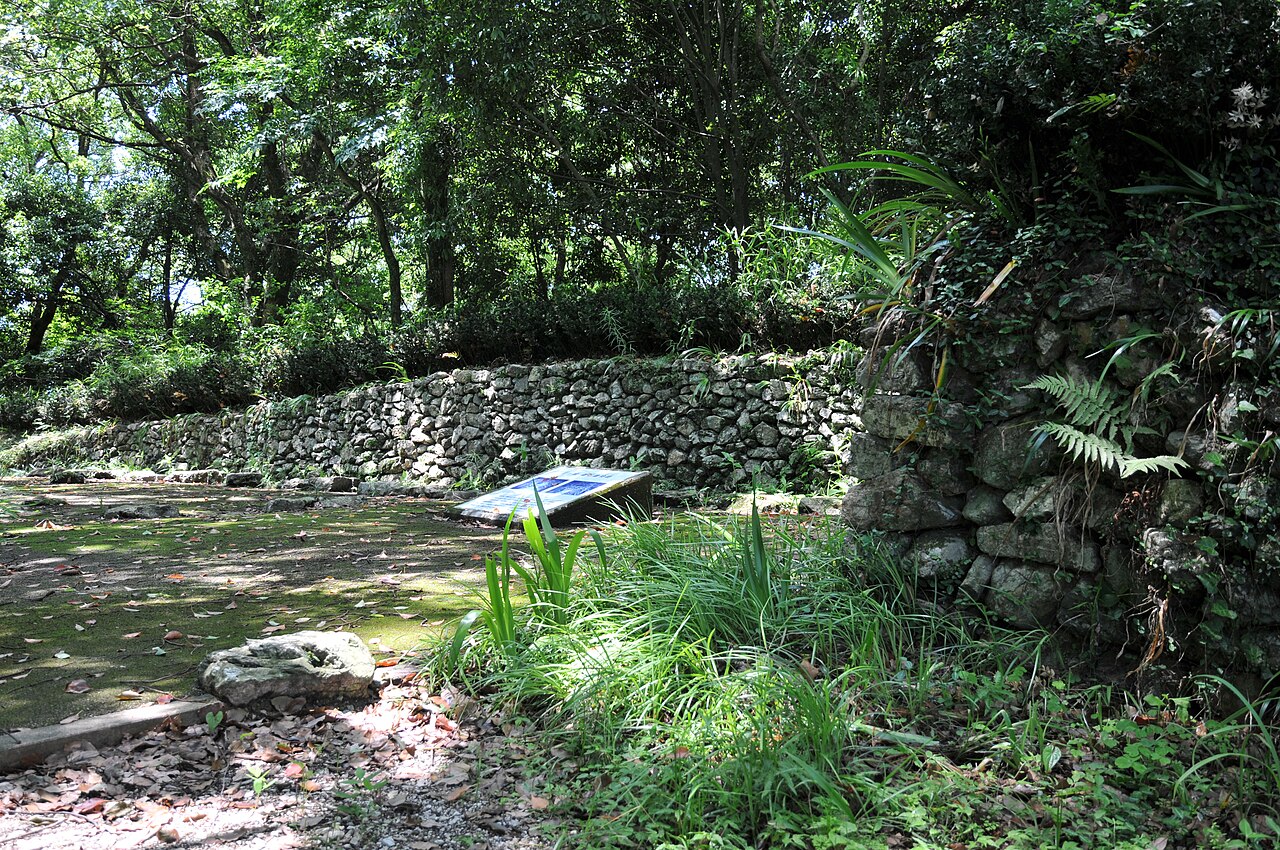
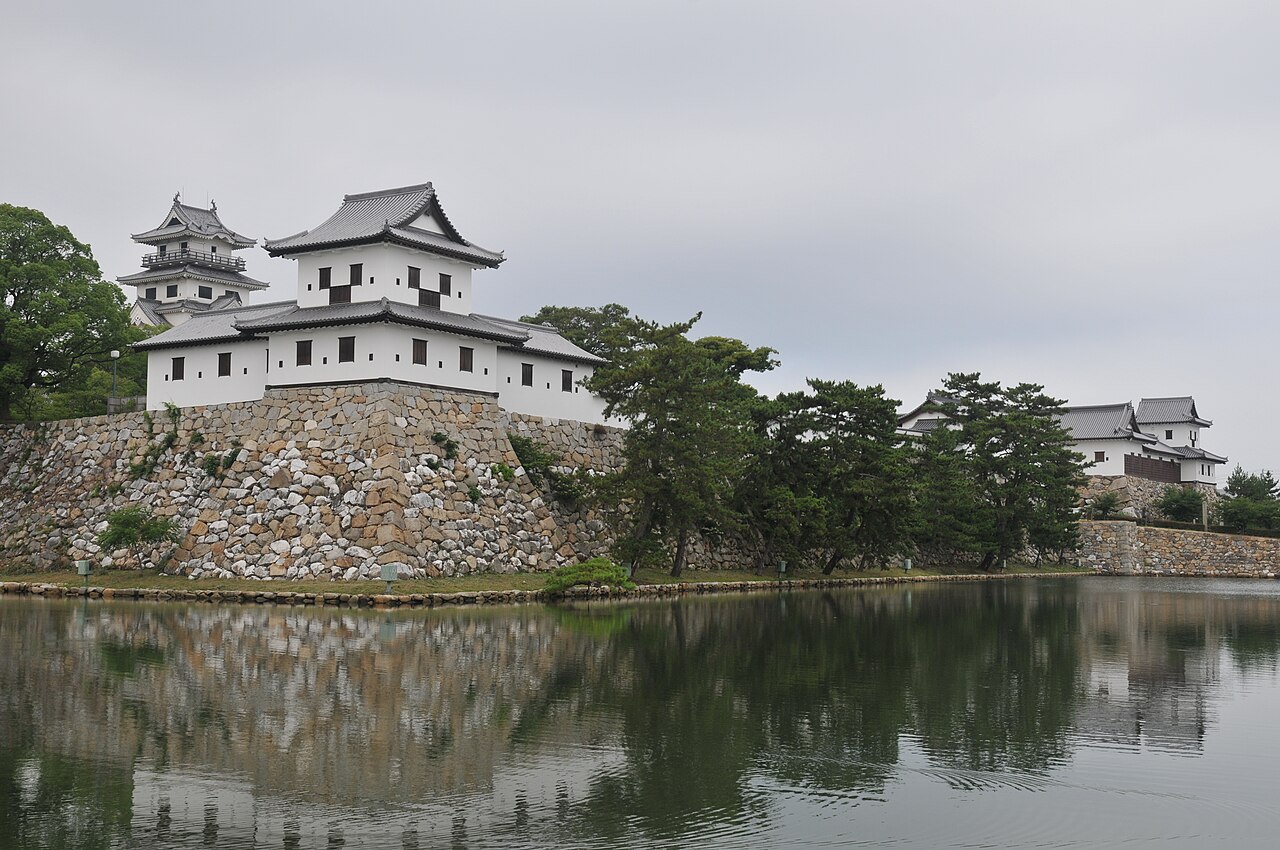
The castle is classified as a hill castle (yamashiro), constructed on a modest elevation that provided a natural defensive advantage over the surrounding plains. The site features multiple baileys protected by stone walls and moats, typical of Japanese castle design from the early Edo period. The honmaru, or central bailey, houses the main keep, gates, and several original buildings including storehouses and residences.
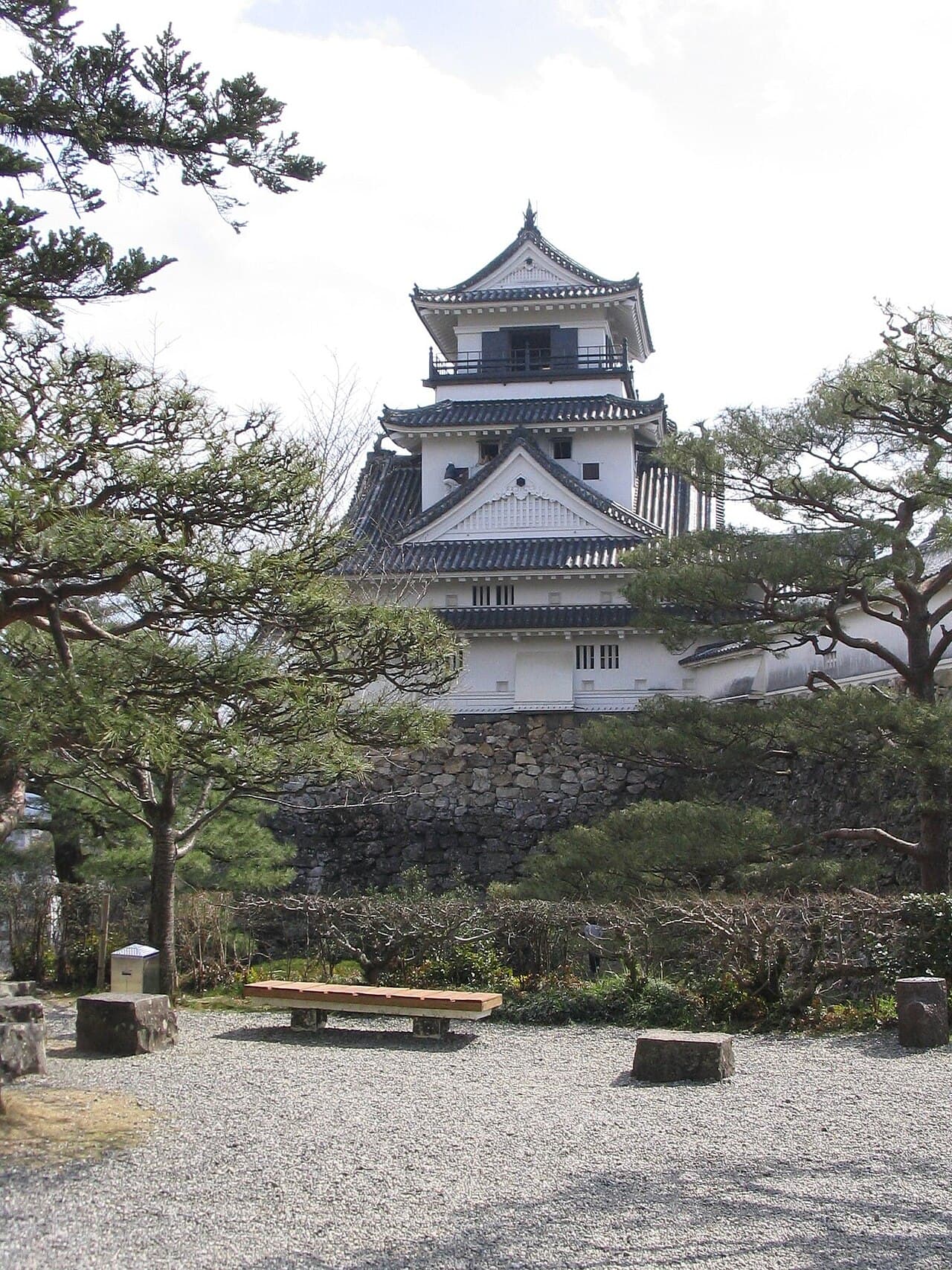
The main keep is a multi-storied wooden structure with white plaster walls and tiled roofs, embodying the classic aesthetic of Japanese castle architecture. Its interior includes defensive features such as narrow windows for archers and gun ports, as well as elegant living quarters for the lord and his retainers. The castle grounds are surrounded by extensive stone walls and moats, which were designed to thwart invaders and control access.
Historical significance and ownership
Kochi Castle served as the seat of the Tosa Domain throughout the Edo period, governed by the Yamanouchi family. It played a significant role in regional administration and military defense. Unlike many castles that were dismantled or fell into ruin during the Meiji Restoration and subsequent modernization, Kochi Castle survived largely intact, although it did suffer from neglect in the early 20th century.
After World War II, the castle underwent extensive restoration between 1948 and 1959, rescuing it from a state of disrepair. Today, it is managed as a historic site and museum, attracting visitors interested in Japan’s feudal history and castle architecture. The castle grounds are also noted for their lush vegetation, a result of Kochi’s warm, humid climate, which adds to the site’s scenic beauty.
Cultural and visitor experience
Visitors to Kochi Castle can explore the original honmaru structures, including the main keep, gates, and storehouses. The castle museum offers exhibits on the history of the castle, the Yamanouchi clan, and the broader context of Japanese feudal society. The castle’s location in Kochi city makes it accessible and a prominent cultural landmark.
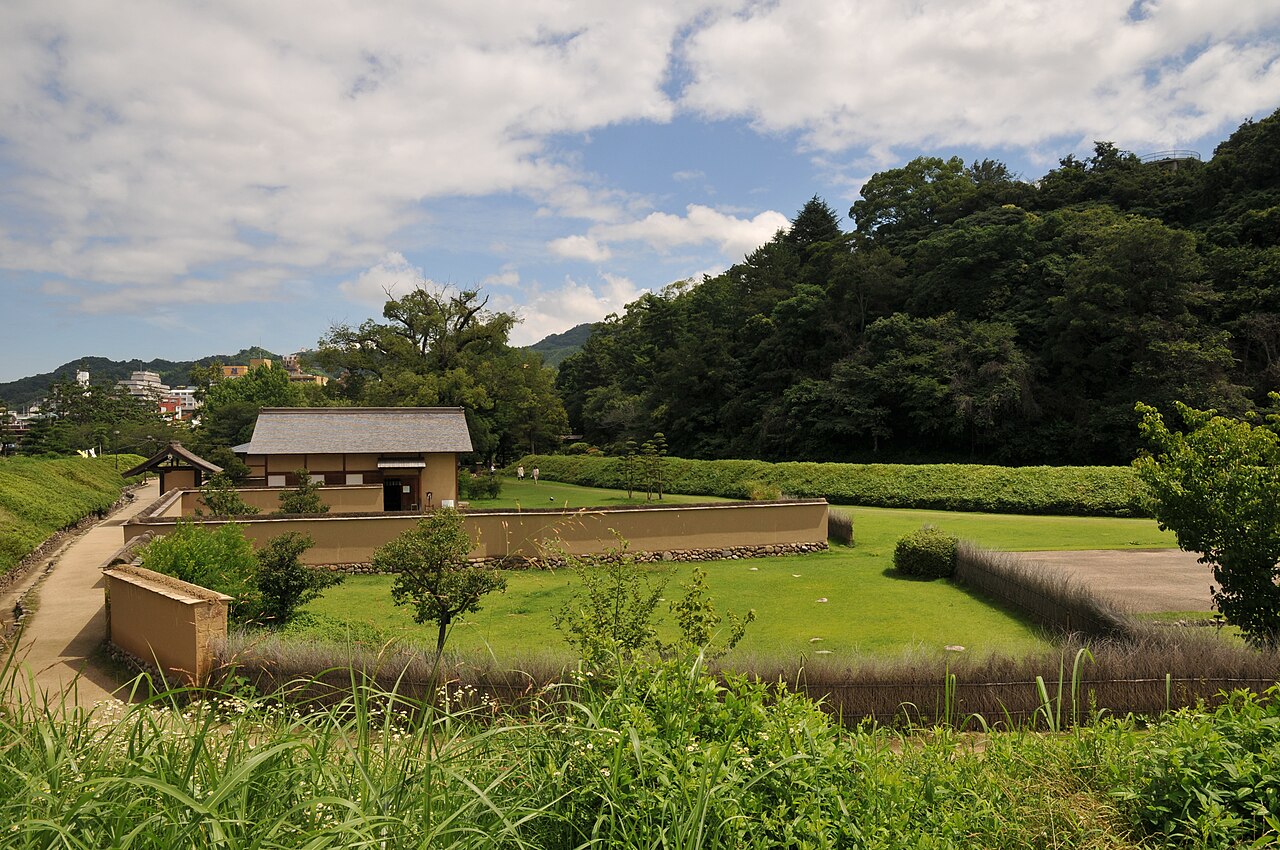
The castle grounds are well-maintained, featuring traditional Japanese gardens and walking paths. The tropical climate encourages rich vegetation growth, creating a verdant atmosphere that contrasts with the castle’s imposing stone and wood architecture. Visitors are advised to check opening hours and weather conditions, as the region experiences significant rainfall, which can affect the experience.
Notable architectural preservation
Kochi Castle is one of the few Japanese castles where the original honmaru buildings have survived through centuries, including the main keep rebuilt in the 18th century that faithfully represents historical construction methods. This preservation offers a rare glimpse into early Edo period castle design and construction, making it invaluable for historians and architects alike.
Access and visitor information
The castle is located in the heart of Kochi city, making it easily accessible by public transport and car. It is open to visitors throughout the year, with exhibits and guided tours available to enhance understanding of its history and architecture. Ticket prices are modest, supporting the maintenance and preservation of the site.
Frequently asked questions (FAQ)
- When was Kochi Castle originally built?
- Kochi Castle was originally constructed beginning in 1601 and completed by 1611 under the leadership of Yamanouchi Kazutoyo.
- What makes Kochi Castle architecturally unique?
- Kochi Castle is unique because it retains all of its original honmaru (inner bailey) structures, a rare feature among Japanese castles.
- Can visitors explore the main keep of Kochi Castle?
- Yes, visitors can explore the main keep, which was rebuilt in 1748 and is open to the public as part of the castle museum.
- What is the best time to visit Kochi Castle?
- The best time to visit Kochi Castle is during the spring and autumn months when the weather is mild and the vegetation is lush, enhancing the castle’s scenic beauty.
- How accessible is Kochi Castle for visitors?
- Kochi Castle is located in the city center of Kochi and is easily accessible by public transportation and car, with well-maintained paths for visitors.
Photo gallery

Public domain
Information
Sources & official resources
Verify the information above using these authoritative references.
Loading map...
Visitor reviews
No reviews yet. Been here? Write the first review and help other travelers!
Write the first reviewVisited this castle? Share your experience
Your review helps other travelers and adds first-hand knowledge to our encyclopedia.