Ofena — Italy castle

Ofena

Ofena hill castle in Abruzzo, Italy
Abruzzo, Italy
High Medieval (11th–13th c.)
Partially Preserved

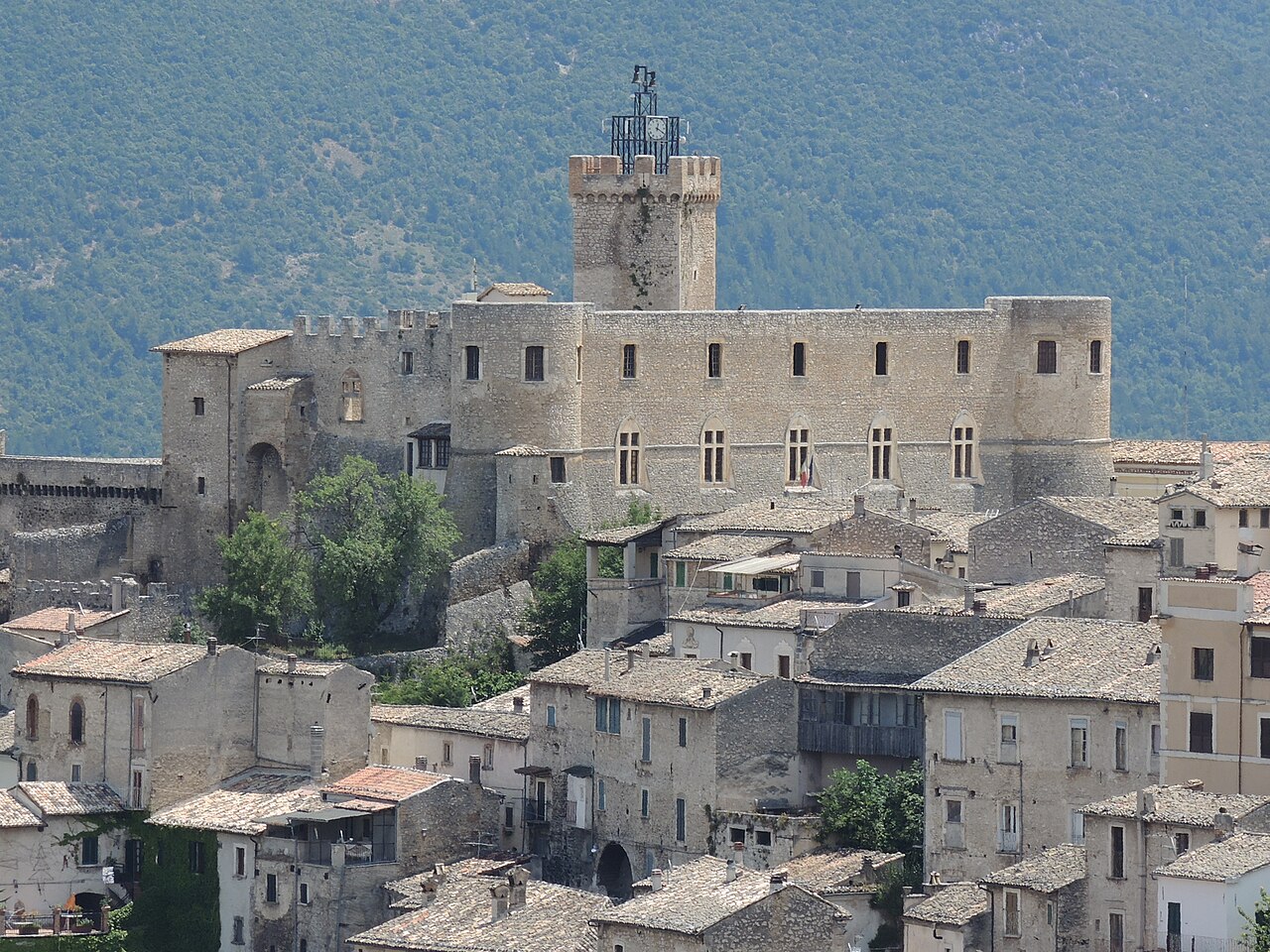
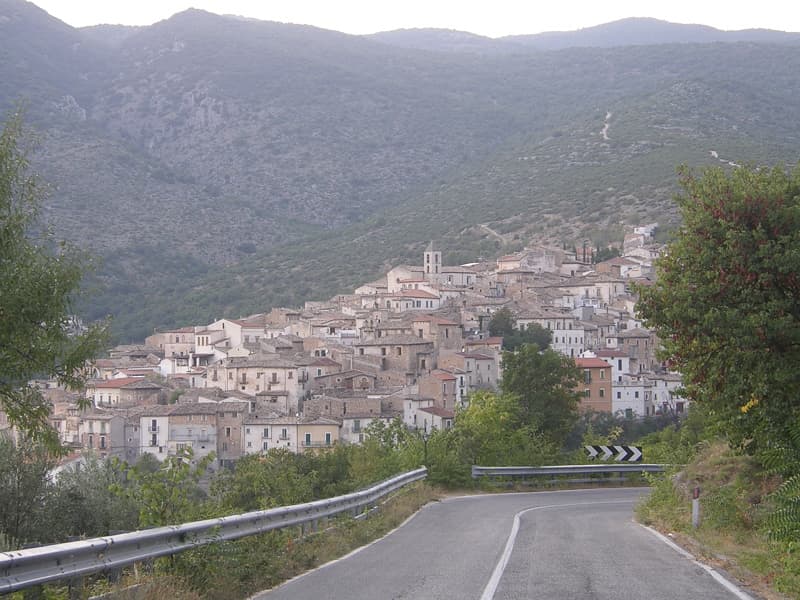
Ofena is a historic hill castle located in the Province of L'Aquila, within the Abruzzo region of Italy. Positioned in the heart of the Gran Sasso e Monti della Laga National Park, this castle occupies a strategic elevated site that has been significant since medieval times. The surrounding landscape of rugged mountains and dense forests provided natural defenses, making Ofena an ideal location for a fortified settlement.

Historical background and significance

The origins of Ofena castle date back to the High Medieval period, when it served as a defensive stronghold for local feudal lords. The castle played a role in controlling routes through the Apennine Mountains and protecting the surrounding communities from invasions and raids. Over the centuries, Ofena developed not only as a military fortress but also as a center for local governance and habitation.

Architectural features and layout

As a hill castle, Ofena is characterized by its elevated position, which provided commanding views of the valley below. The castle complex includes remnants of fortified walls, towers, and residential buildings. The defensive structures were designed to utilize the natural topography, incorporating steep slopes and rocky outcrops to enhance security.

Towers and walls

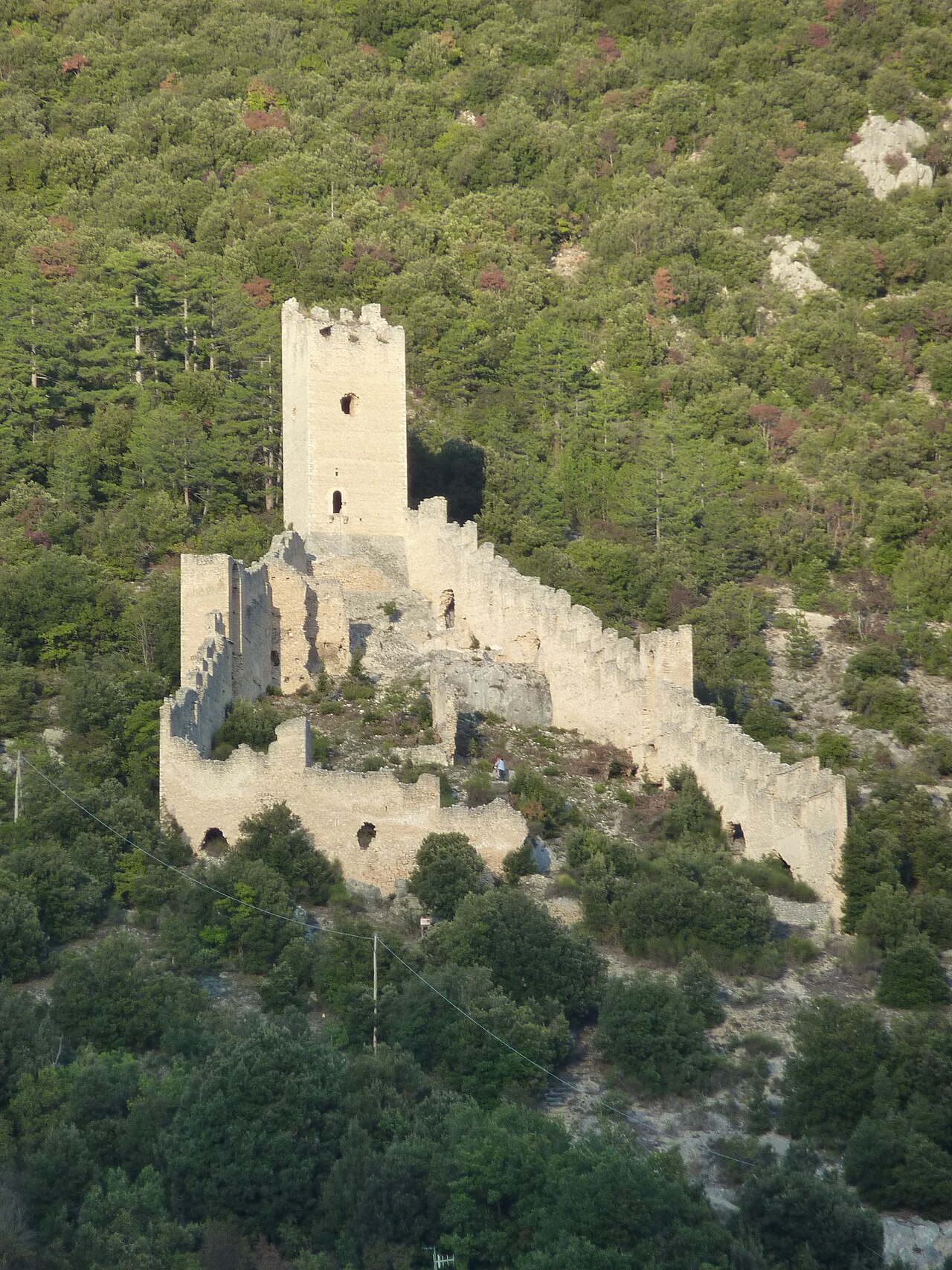
The surviving stone towers and curtain walls demonstrate typical medieval masonry techniques of the region, with thick walls constructed from local stone. These fortifications were intended to withstand sieges and provide vantage points for archers and lookouts.

Residential and communal spaces

Within the castle's perimeter, there are remains of living quarters and communal halls, indicating that Ofena was not solely a military installation but also a place where a community lived and worked. These spaces likely housed the lord's family, soldiers, and servants.

Ofena in the context of Abruzzo's castles

Ofena is part of a network of medieval hill castles scattered throughout Abruzzo, a region known for its rugged terrain and historical strategic importance. These castles collectively illustrate the medieval defense strategies employed in mountainous areas of Italy and reflect the feudal history of the region.

Current condition and cultural importance

Today, Ofena castle is classified as partially preserved, with some sections of walls and towers still standing. The site attracts visitors interested in medieval architecture, history, and nature, given its location within a national park. Preservation efforts focus on maintaining the ruins and promoting awareness of the castle's historical value.

Visiting Ofena castle

Visitors to Ofena can explore the castle ruins while enjoying the natural beauty of the Gran Sasso e Monti della Laga National Park. The castle's elevated position offers panoramic views, making it a popular destination for hikers and history enthusiasts. Access to the site is typically on foot via trails from the nearby village.

Nearby attractions

The surrounding area includes traditional Abruzzese villages, natural parks, and hiking routes, providing a rich cultural and outdoor experience. Ofena serves as a gateway to exploring the historical and natural heritage of central Italy.

Frequently asked questions (FAQ)

How do I get to Castle Ofena?
Castle Ofena is located in the beautiful region of Abruzzo, Italy. You can reach the castle by car, taking the A24 motorway towards L'Aquila and following the signs to Ofena. Public transportation options are limited, so driving or arranging a taxi is recommended for convenience.
What is the historical significance of Castle Ofena?
Castle Ofena dates back to the Middle Ages and played a crucial role in the defense strategies of the region. It has witnessed numerous historical events and changes in power, making it an important landmark for understanding the local history of Abruzzo. The castle's architecture reflects the military and residential needs of its time, showcasing the evolution of fortification techniques.
When was Castle Ofena built?
The origins of Castle Ofena can be traced back to the 12th century, although it underwent several renovations and expansions over the centuries. The castle's strategic location was chosen for its defensive advantages, allowing it to serve as a stronghold for various noble families. Today, it stands as a testament to the architectural styles of its era.
Can I visit Castle Ofena year-round?
Yes, Castle Ofena is open to visitors throughout the year, but it is advisable to check for any seasonal hours or special events that may affect access. The best time to visit is during spring and fall when the weather is pleasant for exploring the castle grounds. Guided tours are often available, providing deeper insights into its history and architecture.
Why is Castle Ofena a popular tourist destination?
Castle Ofena is popular among tourists due to its rich history, stunning architecture, and picturesque surroundings. Visitors appreciate the opportunity to explore its well-preserved structures and enjoy panoramic views of the surrounding landscape. Additionally, the castle's proximity to other historical sites in Abruzzo makes it an attractive stop for history enthusiasts.
Is it possible to enter the castle's interior?
Yes, visitors can enter certain areas of Castle Ofena's interior, which often includes the main hall and various chambers that showcase historical artifacts. Guided tours provide an immersive experience, allowing guests to learn about the castle's past. However, some areas may be restricted for preservation purposes, so it's best to inquire upon arrival.
What are the opening hours for Castle Ofena?
Castle Ofena typically opens at 9 AM and closes at 5 PM, but these hours may vary depending on the season. It is wise to check the official website or contact local tourism information for the most accurate and up-to-date hours before your visit. Special hours may also be in place for holidays or events.
Are there any ticket prices for visiting Castle Ofena?
Yes, there is an admission fee to visit Castle Ofena, which usually includes access to guided tours. Ticket prices are generally affordable, making it accessible for families and solo travelers alike. Discounts may be available for students, seniors, and groups, so be sure to ask about any applicable offers when purchasing tickets.
What nearby attractions can I visit after Castle Ofena?
After exploring Castle Ofena, you can visit the charming town of Ofena, which boasts its own historical sites and local eateries. Other nearby attractions include the beautiful Gran Sasso National Park, perfect for nature lovers and outdoor activities. The region is also rich in other castles and historical landmarks worth exploring.

Photo gallery

Ofena
Click to view

Photo by Ra Boe•CC BY-SA 3.0

1 photo • Click any image to view in full screen

Information

Hill Castle

Loading map...

Visitor reviews

No reviews yet. Been here? Write the first review and help other travelers!

Write the first review

Visited this castle? Share your experience

Your review helps other travelers and adds first-hand knowledge to our encyclopedia.
Write a review

(5/5)

0/2000 characters

Your review will be visible after admin approval

Nearby castles

5.8 km
Castle of Rocca Calascio — Italy castle

Castle of Rocca Calascio

Calascio, Italy

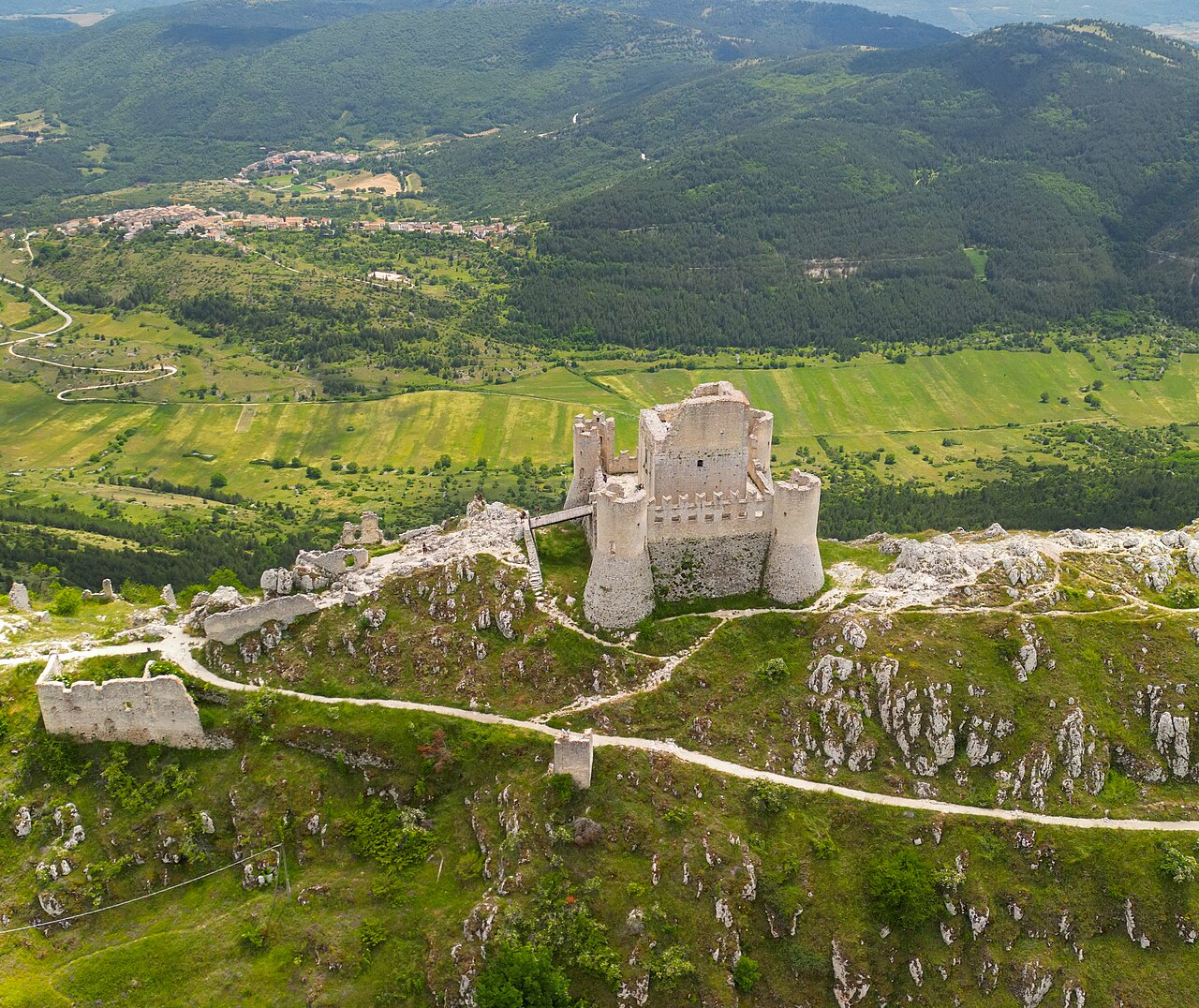
The Castle of Rocca Calascio stands as a remarkable example of medieval military architecture perched atop one of the highest points in the Apennine Mountains. Located in the municipality of Calascio within the Province of L'Aquila, Abruzzo, Italy, this hill castle commands expansive views over the Plain of Navelli and the surrounding mountainous terrain. At an altitude of approximately 1,460 metres (4,790 feet), it is recognized as the highest fortress in the Apennines, a distinction that underscores its strategic importance during the High Medieval period. Originally constructed in the 11th century as a solitary watchtower, the castle's primary function was military surveillance rather than residential use. Its isolated position and robust stone construction reflect its purpose as a defensive outpost designed to monitor and control the surrounding valleys and passes. The initial tower was later expanded in the 13th century into a more complex fortress featuring a walled courtyard and four cylindrical corner towers surrounding a taller central keep. Architectural design and structure The fortress is built predominantly of stone and masonry, materials chosen for durability and defensive strength. One of its most notable architectural features is the use of larger stones in the lower half of the structure, a deliberate design choice intended to reinforce the base and make it resistant to siege tactics and attempts at breaching. The upper sections employ smaller stones, which was typical in medieval construction to reduce weight while maintaining strength. The castle's layout includes a central tower or keep, which rises above the surrounding curtain walls and corner towers. These cylindrical towers provided vantage points for archers and lookouts, enabling defenders to cover all approaches. The enclosed courtyard would have accommodated troops and supplies, emphasizing the fortress's role as a purely military installation rather than a noble residence. Defensive features The Castle of Rocca Calascio was strategically positioned to oversee the Barony of Carapelle and the Campo Imperatore plateau, allowing early warning of any approaching threats. Its elevated location and robust construction made it a formidable stronghold despite never being tested in battle. The fortress's design reflects typical High Medieval military architecture focused on surveillance, defense, and control of territory. Historical context and significance Though the castle was never involved in combat, its history is marked by natural events that shaped its fate. In November 1461, a powerful earthquake, estimated between 7 and 8 on the Richter scale, struck the region causing significant damage to the fortress. While the nearby town of Calascio was rebuilt, the castle itself was left largely unrestored, leading to its current state of partial preservation. The castle's military importance diminished over time as the political landscape of the region evolved and newer forms of defense emerged. Nonetheless, it remains a symbol of medieval fortification techniques and the strategic use of terrain in castle construction. Natural surroundings and cultural heritage The Castle of Rocca Calascio is situated within the boundaries of the Gran Sasso e Monti della Laga National Park, an area known for its rich biodiversity and stunning landscapes. The proximity to the Campo Imperatore plateau adds to its scenic and environmental value, attracting visitors interested in both history and nature. Its striking silhouette against the backdrop of the Apennines has made it a popular subject for photography and film, contributing to its recognition beyond Italy. The castle was notably featured in various films and has been included in the Windows Spotlight image collection, enhancing its visibility to a global audience. Preservation and current condition Today, the Castle of Rocca Calascio stands as a partially preserved medieval fortress. While some structural elements remain intact, others show signs of the earthquake damage and centuries of exposure to the elements. Conservation efforts have focused on stabilizing the ruins to prevent further deterioration and to maintain its historical and cultural significance. Visitors to the site can explore the remains of the towers, walls, and courtyard, gaining insight into medieval military architecture and the challenges of constructing fortifications in high-altitude environments. The castle's remote location and commanding views continue to draw tourists, historians, and architecture enthusiasts alike. Visiting information The castle is accessible by hiking trails from the village of Calascio and nearby areas. Due to its elevation and rugged terrain, visitors are advised to wear appropriate footwear and prepare for variable weather conditions. The site is open to the public, offering a unique opportunity to experience a significant piece of medieval history set within one of Italy's most picturesque natural parks.

High Medieval (11th–13th c.)
Details
6.6 km
Piccolomini Castle (Capestrano) — Italy castle

Piccolomini Castle (Capestrano)

, Italy

Piccolomini Castle, located in the town of Capestrano in the Province of L'Aquila, Abruzzo, Italy, is a notable example of a 15th-century hill castle from the late medieval period. This fortress is historically significant for its association with the prominent Piccolomini family, a noble lineage that played an influential role in Italian history during the Renaissance and late medieval eras. The historical context of Piccolomini Castle The castle was constructed in the 15th century, a time characterized by political fragmentation and frequent conflicts among feudal lords in Italy. The Piccolomini family, originally from Siena, expanded their influence into Abruzzo and commissioned the building of this castle to assert control over the surrounding territory and to serve as a defensive stronghold against rival factions and external threats. Its strategic location on a hilltop provided commanding views of the surrounding valley, enabling early detection of approaching enemies. This defensive advantage was crucial during the turbulent times of the late medieval period, marked by frequent skirmishes and power struggles. Architectural features and design Piccolomini Castle exemplifies the typical characteristics of a hill castle built for both defense and residence. The castle's design includes robust stone walls that enclose a central courtyard, with towers positioned at key points to enhance surveillance and fortification. The walls are thick and built to withstand siege weaponry common in the 15th century. The entrance is fortified with a gatehouse, often featuring a portcullis and defensive machicolations, allowing defenders to protect the main access point effectively. Inside, the castle contains residential quarters, storage rooms, and possibly a chapel, reflecting the dual function of the castle as a noble residence and military fortress. The architectural style is predominantly late medieval, with elements that hint at the transition toward Renaissance aesthetics, which the Piccolomini family embraced in their later constructions elsewhere. Defensive structures The castle’s battlements and arrow slits are designed for archers and crossbowmen to defend against attackers while remaining protected. The towers provide elevated platforms for observation and defense, and their placement ensures overlapping fields of fire. The hilltop position naturally enhances the castle's defense by limiting access routes and making direct assaults difficult. Residential and functional spaces Within the walls, the castle likely contained a great hall used for gatherings and administrative functions. Living quarters, kitchens, and storage areas are arranged to support the daily life of the noble family and their retainers. The presence of a chapel would align with the religious practices of the time, serving both spiritual needs and reinforcing the family’s status. The Piccolomini family and their legacy The Piccolomini family is renowned for producing prominent figures, including two popes: Pope Pius II and Pope Pius III. Their patronage extended to the arts and architecture, influencing the cultural landscape of Italy during the Renaissance. While the Capestrano castle was primarily a military and administrative center, it also symbolized the family's power and prestige in the region. The castle’s preservation allows insight into the feudal structures and noble lifestyles of late medieval Italy. Current condition and visitor information Today, Piccolomini Castle in Capestrano remains a well-preserved example of a late medieval hill castle. Its stone walls and towers stand largely intact, allowing visitors to appreciate the architectural and historical significance firsthand. The castle is accessible to the public and is a point of interest for those exploring the Abruzzo region's medieval heritage. Visitors can explore the castle grounds, including the defensive walls and towers, gaining insight into the military architecture of the period. Its location in the scenic Abruzzo countryside also offers opportunities to enjoy the natural landscape surrounding the fortress.

Late Medieval (14th–15th c.)
Details
9.3 km
Castle of San Pio delle Camere — Italy castle

Castle of San Pio delle Camere

San Pio delle Camere, Italy

The Castle of San Pio delle Camere is a significant example of medieval military architecture located in the municipality of San Pio delle Camere, within the province of L'Aquila in the Abruzzo region of southern Italy. Constructed originally in the 12th century, this hill castle was strategically positioned on the slopes of Monte Gentile, overlooking the village and the expansive Navelli plain. Its location offered commanding views of the surrounding landscape, including the ancient tratturo Magno, a vital livestock route linking L'Aquila to Foggia, underscoring the castle's role in controlling important regional pathways. Medieval origins and feudal ownership The castle's earliest documented mention dates back to 1173, identifying it as a fiefdom under the Bonagiunta family from Poppleto (modern-day Coppito). This situates the fortress within the feudal network characteristic of central Italy during the high medieval period. Later, ownership transitioned to the Caracciolo family, a noble lineage that maintained control through the Middle Ages. Throughout its active use, the castle functioned primarily as a defensive refuge rather than as a permanent noble residence, providing shelter for local inhabitants and their livestock during times of conflict or unrest. This defensive purpose highlights the castle's importance amid the turbulent political dynamics of medieval Abruzzo. Architectural features and construction phases The mastio and triangular plan The castle's most distinctive architectural feature is its mastio, or main tower, which exhibits a rare "a puntone" design combining a square base with an equilateral triangular plan. This unique geometric form reflects a sophisticated approach to medieval fortification, balancing structural stability with defensive needs. The mastio was the first element constructed, serving as the core stronghold around which the rest of the fortress was developed. Curtain walls and defensive towers Surrounding the mastio is a triangular fortified enclosure formed by curtain walls built using a stepped technique, which rise progressively to encircle the main tower. Along these walls, smaller defensive towers known as torri rompitratta are positioned at regular intervals. These towers served multiple defensive functions: they provided elevated vantage points for surveillance, allowed defenders to interrupt and break up enemy advances, and facilitated patrols along the chemin de ronde, the wall walk used for defense. 14th-century enhancements In the 14th century, the castle underwent significant modifications, particularly the elevation and reinforcement of its enclosing walls. These changes reflect adaptations to evolving military technologies and tactics, enhancing the fortress's ability to withstand sieges and attacks. The stepped construction of the walls during this phase improved their defensive strength and allowed for better positioning of defenders. Historical conflicts and decline The castle's military significance made it a target during regional conflicts, most notably in 1424 during the war of L’Aquila. It was attacked by forces led by the famed condottiero Braccio da Montone, who also assaulted nearby castles such as those at Barisciano, Bominaco, Fossa, Ocre, and Tussio. This assault inflicted severe damage, leaving the castle in ruins and ending its role as a defensive stronghold. The destruction from this conflict remains evident in the castle's current state. Present-day ruins and cultural significance Today, the ruins of the Castle of San Pio delle Camere stand as a testament to its medieval past. The remains clearly outline the original triangular layout and the prominent mastio, offering insights into the castle's defensive design and strategic purpose. The site provides valuable information about medieval fortification techniques in Abruzzo and the broader context of Italian feudal military architecture. Its location overlooking the Navelli plain and the tratturo Magno emphasizes the castle's historical role in controlling important economic and military routes. The ruins attract scholars and visitors interested in medieval history, architecture, and the complex feudal relationships that shaped the region. The castle's preservation as a hill castle ruin allows for ongoing archaeological study and cultural appreciation, contributing to the understanding of medieval defensive strategies and regional history in central Italy.

High Medieval (11th–13th c.)
Details