Oakham Castle Horseshoes
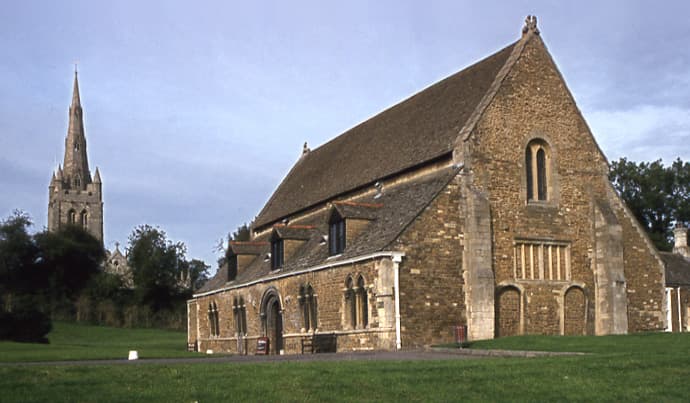
Oakham Castle stands out among English medieval structures due to its distinctive architectural form and the unique tradition of ceremonial horseshoes that adorn its interior. Originally constructed in the late 12th century, this castle is not a fortress in the conventional sense but rather a well-preserved Great Hall that served as the centerpiece of a fortified manor complex. Located in the historic town of Oakham in Rutland, England, the castle is a remarkable example of Norman architecture and medieval social customs.
The castle’s origins trace back to the late 1100s, specifically between 1180 and 1190, when it was built by Walkelin de Ferrers, a Norman nobleman related to the Earls of Derby. The de Ferrers family, whose name derives from the French word for "farrier," had strong ties to ironworking, which is symbolically represented in the castle’s enduring tradition of horseshoe offerings. This custom involves peers of the realm presenting a horseshoe to the Lord of the Manor upon visiting Oakham, a practice that dates back several centuries and continues today, making the castle a living monument to medieval and post-medieval heritage.
Architectural features and design
The surviving Great Hall of Oakham Castle is a substantial rectangular structure measuring nearly 20 meters in length and over 13 meters in width, with walls approximately one meter thick. The hall’s layout is characterized by a central nave flanked by two aisles, separated by arcades supported on six massive stone columns. These columns are particularly notable for their intricate 12th-century carvings, crafted from local Clipsham limestone. Among the carvings are six musicians sculpted directly onto the columns, showcasing the artistic skill of the Norman masons, who are believed to have also worked on Canterbury Cathedral during the same period.
The interior architectural details include four vaulting arches supported by round pillars with capitals decorated with elaborate corbels. These corbels feature a variety of animal motifs and pairs of human figures, many depicted as musicians, which add a rich decorative element to the hall. Above the capitals, the pillars exhibit Gothic diamond-shaped patterns on the stone imposts, reflecting the transitional styles of the late 12th century.
Fortifications and layout
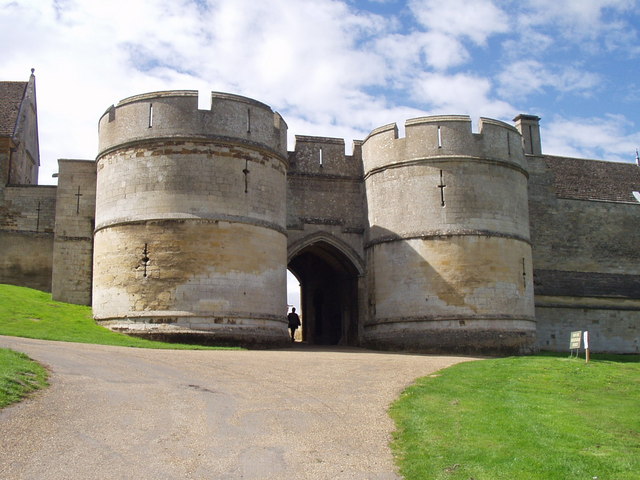
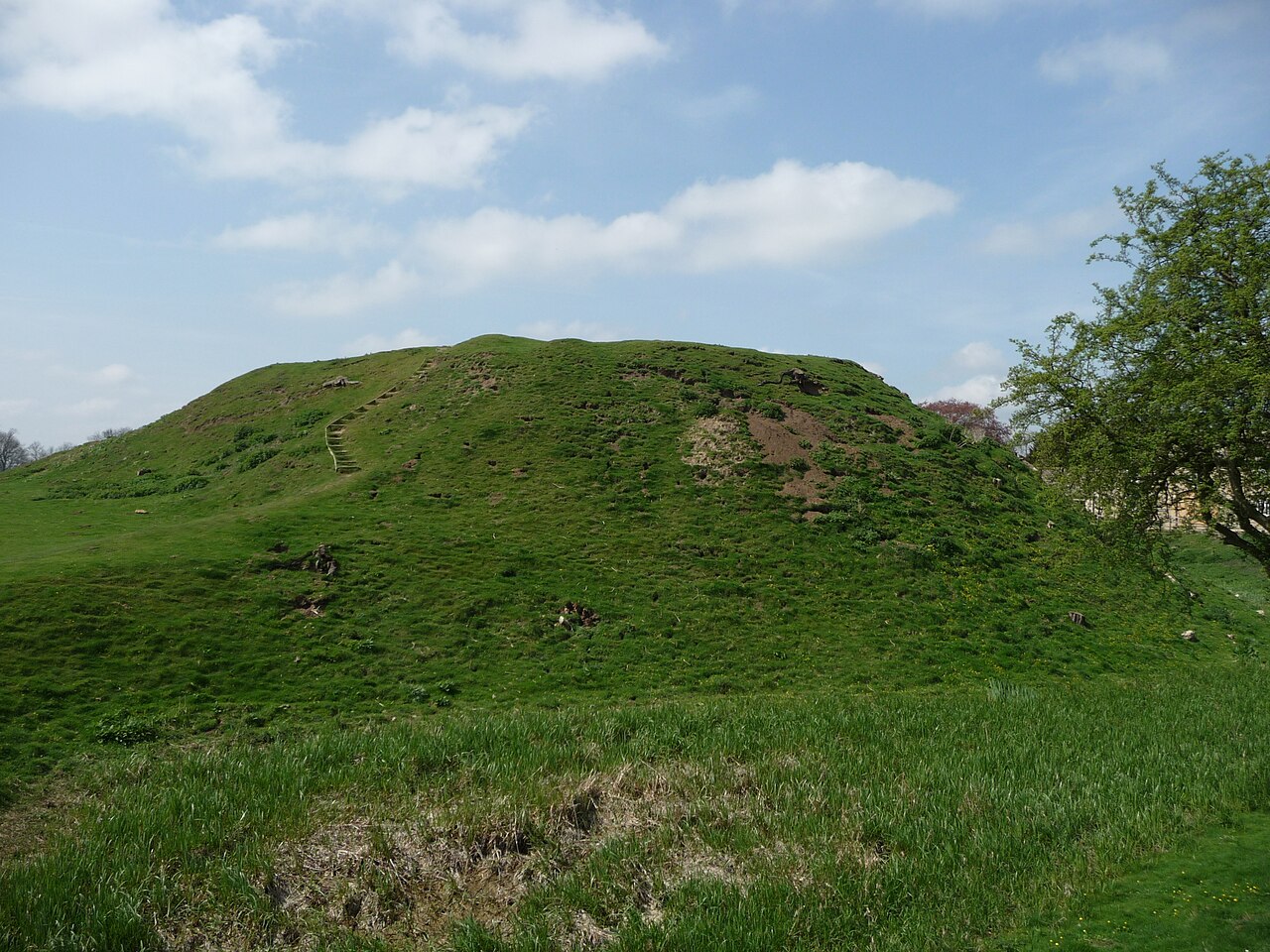
Originally, Oakham Castle was part of a larger fortified manor house surrounded by a roughly square courtyard enclosed by a curtain wall more than two meters thick. Archaeological evidence indicates defensive towers at the southwest and southeast corners, enhancing the manor’s security. The castle complex was further protected by a moat, a common feature in Norman defensive architecture, although the moat no longer survives visibly today.
The entrance to the marketplace area adjacent to the castle is marked by a gateway dating from the early 17th century, stylistically linked to the work of George Villiers, the first Duke of Buckingham. This gateway exemplifies the ongoing evolution of the castle complex through the centuries, blending medieval origins with later architectural influences.
Historical significance and ownership
Oakham Castle holds a prominent place in English history, particularly in the county of Rutland. Built by the Norman de Ferrers family, it served as a local center for justice and administration from the early 13th century. The castle hosted a Crown Court twice yearly beginning in 1229, a tradition that remarkably continues uninterrupted, underscoring the castle’s enduring role in regional governance.
Over the centuries, the castle changed hands among several notable owners. In the early 14th century, it was acquired by William de Bohun, a distinguished nobleman. Later, in the 16th century, it came under the ownership of Thomas Cromwell, a key figure in the Tudor court and advisor to King Henry VIII. Subsequently, the estate passed to the Dukes of Buckingham and later to the Earls of Nottingham, who retained possession until 1848.
In the late 19th century, starting in 1888, Oakham Castle was repurposed as the meeting place for the Rutland County Council, serving administrative functions until 1936. This adaptation highlights the castle’s continuous use and importance to the local community over many centuries.
Ceremonial horseshoes tradition
One of Oakham Castle’s most unique and enduring customs is the display of over 230 ceremonial horseshoes on its interior walls. This tradition is believed to have originated in the late 15th century, with the oldest surviving horseshoe presented by King Edward IV following his victory at the Battle of Losecoat Field in 1470. The horseshoes symbolize respect and homage, given by visiting peers of the realm to the Lord of the Manor.
This custom is deeply intertwined with the de Ferrers family heritage. The family’s emblem, a horseshoe, reflects their name’s meaning related to ironworking and farriery. The horseshoe motif extends beyond the castle, appearing on the Rutland county flag and reinforcing the cultural identity of the region.
Preservation and modern use
Today, Oakham Castle is very well preserved and holds the status of a Grade I listed building, recognizing its exceptional architectural and historical significance. The castle continues to function as a venue for community events, including civil weddings, maintaining its role as a living part of Oakham’s heritage.
Significant restoration efforts have been undertaken in recent years, supported by grants that emphasize the importance of conserving this medieval monument. The castle also attracted archaeological interest, notably featured in a 2012 television program, which helped bring wider attention to its historical and cultural value.
Visitors today can explore the Great Hall to admire its Norman stone carvings, the unique horseshoe collection, and the architectural features that have survived for over eight centuries. The castle’s blend of medieval craftsmanship, historical traditions, and ongoing community use makes it a distinctive landmark in England’s rich tapestry of heritage sites.
Frequently asked questions (FAQ)
- What is Oakham Castle known for?
- Oakham Castle is renowned for its remarkable collection of horseshoes, which are displayed throughout the castle as a symbol of the lord's feudal rights. The castle itself is one of the finest examples of Norman architecture in England, dating back to the 12th century. Visitors can explore its rich history and unique architectural features while learning about its significance in the local community.
- When was Oakham Castle built?
- Oakham Castle was constructed in the late 12th century, around 1180, making it a significant historical landmark in the region. It originally served as a fortress and later became a center for local governance and justice. The castle's well-preserved structure provides a fascinating glimpse into medieval life in England.
- What are the opening hours for Oakham Castle?
- Oakham Castle is typically open to visitors from Tuesday to Saturday, with varying hours depending on the season. During peak tourist season, the castle may extend its hours to accommodate more visitors. It is advisable to check the official website for the most current opening times before your visit.
- Can I visit Oakham Castle with limited mobility?
- Yes, Oakham Castle strives to be accessible for all visitors, including those with limited mobility. There are designated pathways and ramps to ensure ease of access, and assistance is available if needed. However, it's recommended to contact the castle staff in advance to confirm specific accessibility arrangements.
- Is there an entrance fee to visit Oakham Castle?
- Yes, Oakham Castle charges a small admission fee for adults, while concessions are available for children and seniors. The fees collected help maintain the castle and support its ongoing preservation efforts. Special events or exhibitions may have different pricing, so it's best to check in advance.
- When is the best time to visit Oakham Castle?
- The best time to visit Oakham Castle is during the spring and early autumn months when the weather is mild and conducive for exploring the grounds. Additionally, these seasons often feature special events and activities that enhance the visitor experience. Summer can be busy with tourists, so planning your visit during off-peak times can provide a more relaxed atmosphere.
- What nearby attractions can I visit while at Oakham Castle?
- Nearby attractions include the picturesque town of Oakham, with its charming shops and cafes, as well as the Rutland Water Nature Reserve, offering outdoor activities and scenic views. Visitors may also enjoy exploring the nearby historic churches and local museums that highlight the region's rich heritage. Combining these sites with your castle visit makes for a fulfilling day out.
Photo gallery

Information
Website
Visit websiteSources & official resources
Verify the information above using these authoritative references.
Loading map...
Visitor reviews
No reviews yet. Been here? Write the first review and help other travelers!
Write the first reviewVisited this castle? Share your experience
Your review helps other travelers and adds first-hand knowledge to our encyclopedia.