Nyon Castle
Nyon Castle stands prominently in the town of Nyon, Switzerland, embodying centuries of history and architectural evolution. Originally constructed in the late 12th or early 13th century, this hill castle began as a fortified residence for the Lords of Prangins. Its strategic location overlooking Lake Geneva and the surrounding region made it a critical defensive and administrative center throughout its existence.
The castle is first mentioned in historical records in 1272, though archaeological evidence suggests the site was occupied since Roman times, indicating the long-standing importance of this location. In 1293, control passed to the powerful House of Savoy, under whose rule the castle underwent significant expansion. During this period, notable architectural enhancements included the addition of corner turrets by Guillaume du Chêne, transforming the structure from a simple fortified house into a more complex and defensible castle.
Medieval origins and savoyard expansion
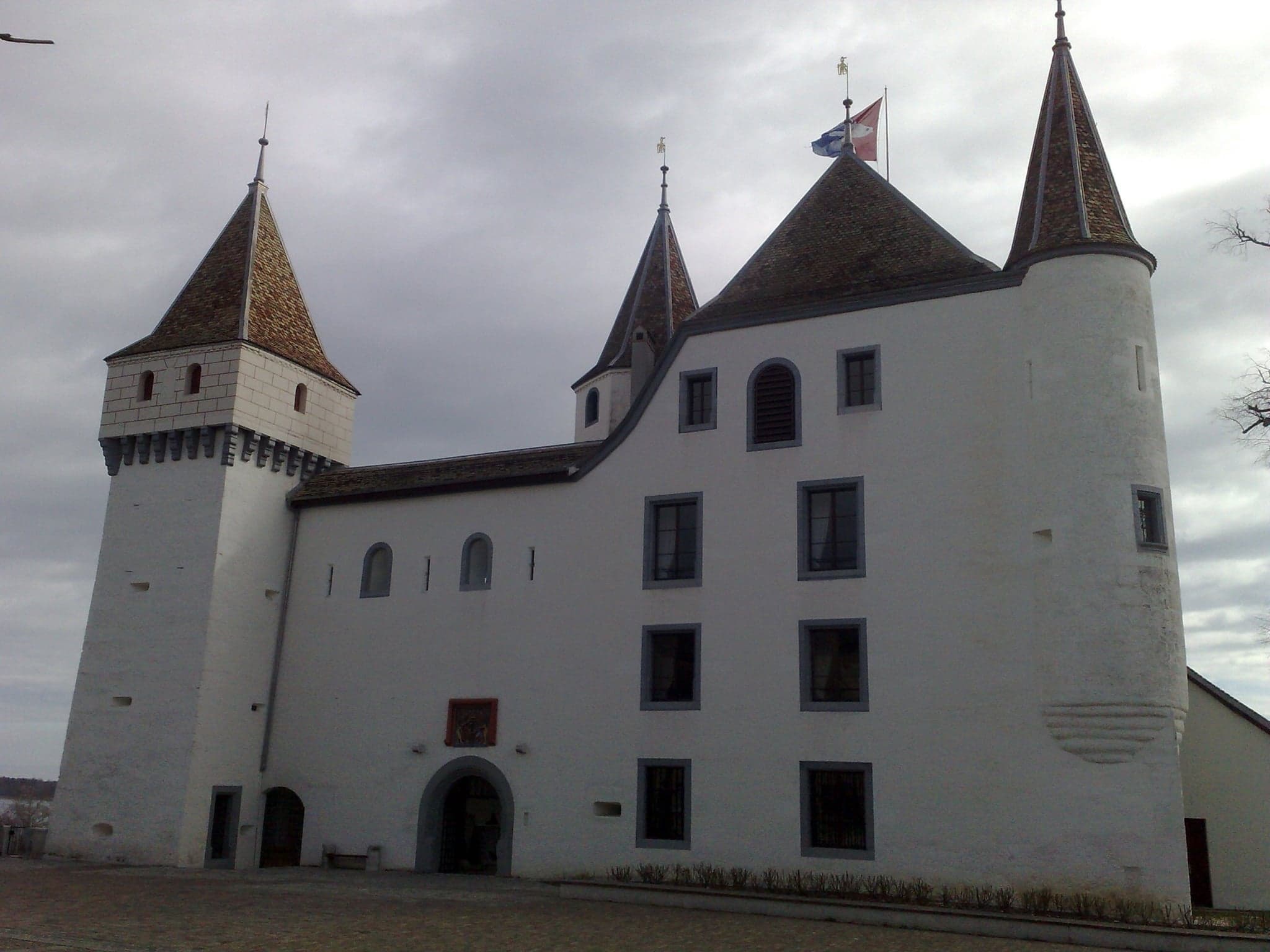
The original medieval castle was a rectangular building that combined various construction styles, reflecting the evolving needs and tastes of its occupants. The addition of corner turrets in the late 13th century enhanced its defensive capabilities, providing vantage points for surveillance and protection. These turrets are characteristic of high medieval military architecture, designed to secure the castle's perimeter against potential attackers.
In 1463, the castle underwent extensive rebuilding, further solidifying its role as a regional stronghold. This phase likely included strengthening walls and updating living quarters to accommodate the administrative functions that the castle would later serve.
Bernese conquest and renaissance transformation
The mid-16th century marked a pivotal chapter in the castle's history when the Swiss Confederation invaded the Vaud region in 1536. Following the conquest, the castle became the seat of the Bernese bailiff, who administered the region on behalf of Bern. Between 1574 and 1583, the castle was comprehensively rebuilt to suit its new administrative role.
This reconstruction was led by master builder Uli Jordan and skilled stonemasons Uli II Bodmer and Antoine Vallon, who hailed from the Valsesia region, renowned for its stone craftsmanship. Their work introduced Renaissance architectural elements while maintaining the castle's defensive character. The renovations included structural reinforcements, updated living spaces, and possibly ornamental details that aligned with contemporary styles.
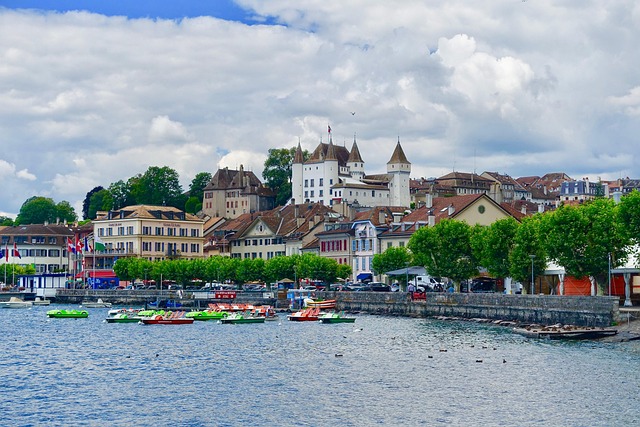
Photo by MemoryCatcher
Transition to civic use and modern preservation
Following the revolutionary upheavals in Vaud in 1798, ownership of the castle transferred to the city of Nyon in 1804. Around 1825, the castle's outer defensive walls and fortifications were dismantled, physically connecting the castle to the town's public square. This change signified a shift from a military fortress to a civic building integrated into the urban fabric.
Throughout the 19th and 20th centuries, Nyon Castle served various administrative and penal functions, including housing district prisons until 1979 and hosting municipal council meetings and courtrooms until 1999. Since 1888, it has also housed a museum initially dedicated to local history and later expanded to include a significant collection of porcelain, now known as the Museum of History and Porcelain of Nyon.
Between 1999 and 2006, the castle underwent an extensive restoration project costing 17.5 million Swiss francs. This careful renovation preserved the castle's historical character while adapting it for modern museum use. The museum now occupies the entire building, including a renovated terrace area, ensuring the castle's role as a cultural landmark continues.
Architectural features and archaeological significance
Nyon Castle's architecture reflects its layered history, combining high medieval defensive features with Renaissance modifications. The original Roman foundations underline the site's long-term strategic importance. The rectangular layout with corner turrets remains a defining characteristic, illustrating medieval military design principles.
The 16th-century reconstruction introduced refined masonry and structural enhancements, showcasing the expertise of Valsesian craftsmen. Although decorative details and inscriptions are not prominently documented, the castle's fabric tells a story of adaptation and resilience through centuries of political and social change.
The removal of outer fortifications in the early 19th century opened the castle to the town, symbolizing its transformation from fortress to civic institution. Today, the castle is well preserved and recognized as a site of national cultural significance in Switzerland.
Visiting nyon castle today
Currently, Nyon Castle operates as a museum offering visitors insights into the region's history and cultural heritage. Exhibits include local historical artifacts and an extensive collection of porcelain, reflecting the area's artistic traditions. The castle's well-maintained structure and scenic location make it a popular destination for tourists interested in medieval and Renaissance architecture, Swiss history, and museum experiences.
Visitors can explore the castle's interior rooms, terraces, and courtyards, gaining a comprehensive understanding of its architectural evolution and historical roles. The castle's integration with the town square provides easy access and a unique opportunity to experience a historic fortress within a vibrant urban setting.
Frequently asked questions (FAQ)
- What are the opening hours for Nyon Castle?
- Nyon Castle is open to visitors from 10 AM to 5 PM daily, with extended hours during the summer months. It's advisable to check the official website for any seasonal changes or special holiday hours before your visit.
- How do I get to Nyon Castle?
- Nyon Castle is easily accessible by public transportation. Visitors can take a train to Nyon Station and then enjoy a short walk to the castle, which is located just a few minutes away in the town center.
- What is the historical significance of Nyon Castle?
- Nyon Castle dates back to the 13th century and played a crucial role in the region's defense. It has witnessed various historical events, including battles and political changes, making it a key landmark in Swiss history.
- Is it possible to explore the interior of Nyon Castle?
- Yes, visitors can explore the interior of Nyon Castle, which includes exhibits that showcase its rich history and architecture. Guided tours are also available for those interested in a more in-depth understanding of the castle's significance.
- Can I take photographs inside Nyon Castle?
- Photography is generally allowed inside Nyon Castle, but it's best to check for any specific restrictions in certain exhibition areas. Be sure to respect the space and other visitors while capturing your memories.
- When is the best time to visit Nyon Castle?
- The best time to visit Nyon Castle is during the spring and early autumn months when the weather is pleasant and the gardens are in bloom. This timing allows for a more enjoyable experience as you can also take advantage of outdoor views.
- What are the ticket prices for Nyon Castle?
- Ticket prices for Nyon Castle are quite reasonable, with adult tickets priced at CHF 8 and reduced rates for students and seniors. Children under the age of 12 can enter for free, making it a great family-friendly destination.
- Are there any nearby attractions to Nyon Castle?
- Yes, Nyon is home to several nearby attractions including the beautiful Lake Geneva waterfront and the Roman Museum. Visitors can also explore the charming old town, which offers shops, cafes, and stunning views of the surrounding area.
- Is Nyon Castle accessible for visitors with mobility challenges?
- Nyon Castle provides access for visitors with mobility challenges, with ramps and designated pathways. It's recommended to contact the castle in advance to ensure a smooth experience and inquire about any specific assistance you may need during your visit.
Photo gallery


Information
Website
Visit websiteSources & official resources
Verify the information above using these authoritative references.
Loading map...
Visitor reviews
No reviews yet. Been here? Write the first review and help other travelers!
Write the first reviewVisited this castle? Share your experience
Your review helps other travelers and adds first-hand knowledge to our encyclopedia.