Duillier Castle
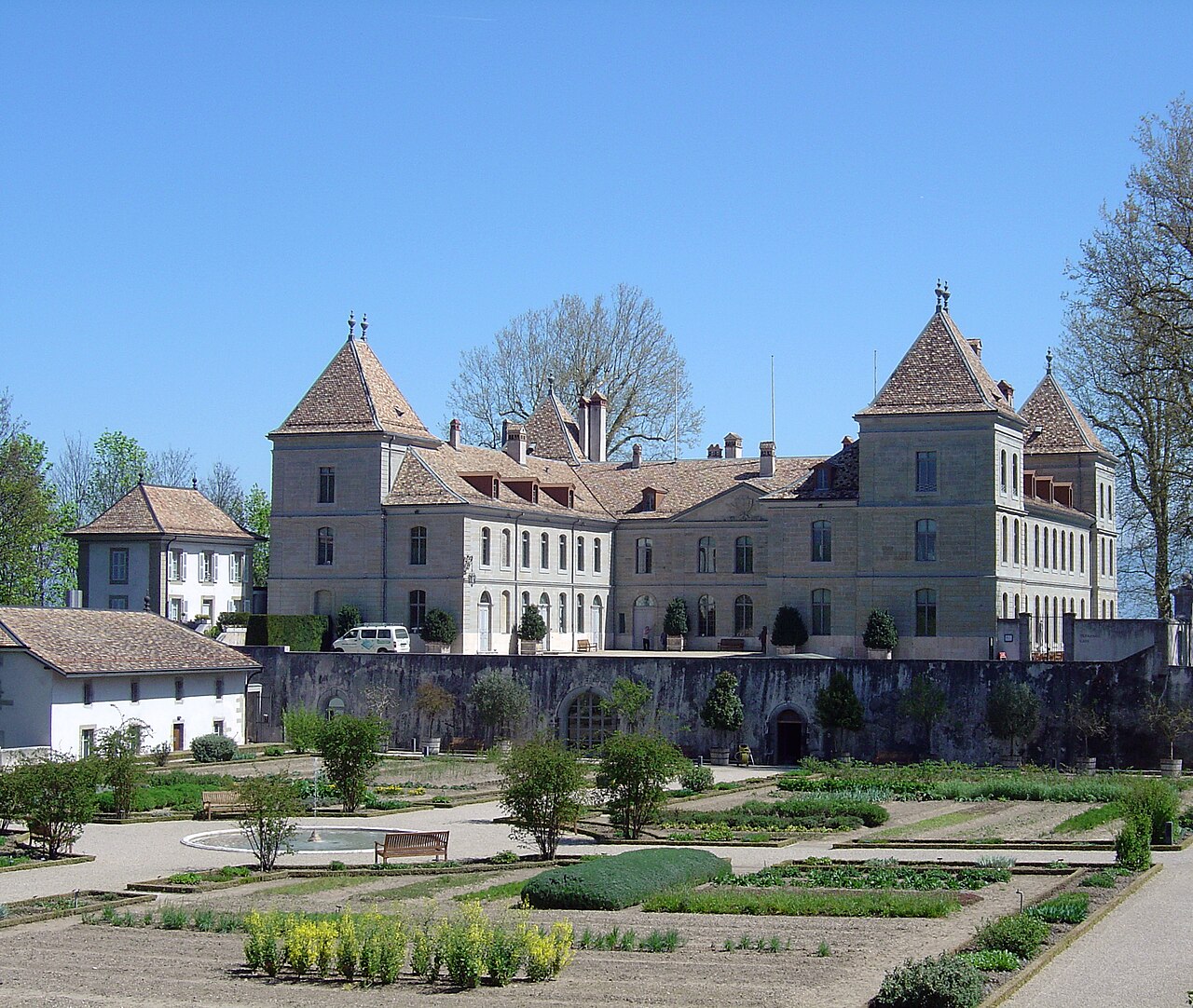
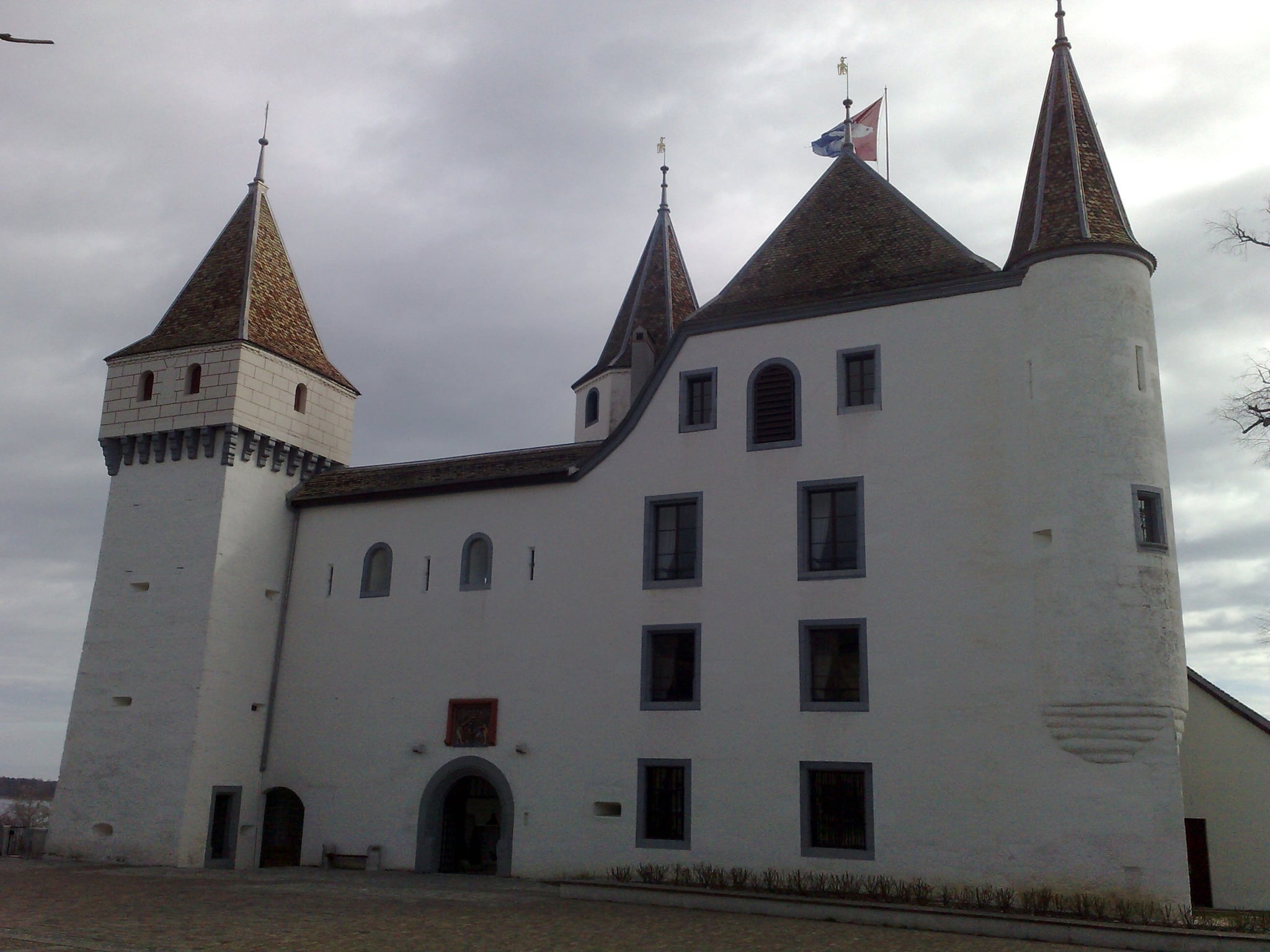
Duillier Castle stands as a remarkable example of a medieval hill castle in the municipality of Duillier, Switzerland. Its origins date back to the 12th century, marking it as a significant historical site that has witnessed centuries of regional transformation. The castle's enduring presence reflects the evolution of feudal power, judicial authority, and cultural development in the Swiss region.
Medieval origins and early history
The earliest records from the 12th century establish Duillier Castle as a fortified residence within a feudal landscape. By 1490, the property was described as a "house or tower," indicating a structure that combined residential and defensive functions. The sale of the castle from Jean d’Usier to Amédée de Chatillon marks a notable moment in its ownership history, reflecting the shifting alliances among noble families.
The castle’s façade bears heraldic sculptures that commemorate the alliance between the Favre de Begnins and Chatillon de Michaille families. These carvings are not only decorative but also serve as historical documentation of the castle's social significance in the late medieval period.
Transition through ownership and judicial role
Following the Bernese conquest of 1536, Duillier Castle experienced several changes in ownership, reflecting the political realignments of the region. The purchase by Hans Rudolf Wurstemberger in 1586-1587, who acted as bailiff of Nyon, underscored the castle’s importance as a seat of local governance.
In the mid-17th century, under the ownership of Vincenz Wagner, the castle was elevated to a seigneury with judicial authority. This period saw the addition of a fortified chamber atop one of the towers, serving as a secure vault. The presence of two dungeons within the castle further emphasizes its role in administering justice and maintaining law and order.
Cultural significance and the printing press
The acquisition of the castle by Jean-Baptiste Fatio in 1669 marked the beginning of its cultural and intellectual prominence. In 1675, a notable printing press was established on the premises by Jean Hermann Widerhold. This press gained recognition for producing both counterfeit works and pioneering linguistic publications.
Among the press's most significant contributions were the first dictionaries featuring French, Italian, and Latin, as well as the first French dictionary organized by a systematic method. The press was subsequently managed by David Ritter, continuing its legacy of scholarly output.
Later ownership and modern history
From 1753 onward, the castle was owned by the Bazin de Liméville family, who were connected through alliances with the Fatio and Guiguer de Prangins families. Eventually, the property was sold to Count Saint-George de Marsay, who also owned the nearby Changins Castle.
Since 1922, the castle has been under the custodianship of the Humbert family. Despite suffering partial destruction due to a fire on the night of December 7-8, 2011, the castle remains a protected cultural monument. It has been listed as a property of national significance since 1976 and was officially designated a historic monument on March 9, 2016.
Architectural features and estate layout
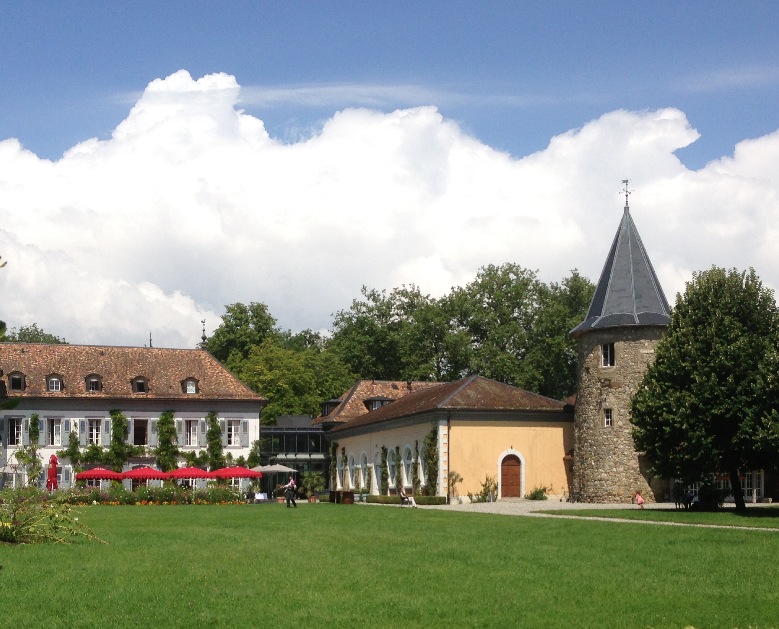
Duillier Castle comprises several buildings arranged around a central courtyard, typical of rural castle complexes designed for multifunctional use. The rear section combines practical and residential purposes, housing a printing press and wine cellar at ground level beneath living quarters.
The castle's two dungeons highlight its judicial function during the 17th century, while the fortified chamber atop one tower served as a secure vault, underscoring the importance of safeguarding valuables. The heraldic sculptures on the tower façade remain a prominent decorative and historical element.
Vineyards and viticultural heritage
The castle grounds include vineyards covering approximately 14 hectares, a testament to the estate's longstanding connection to viticulture. These vineyards are renowned for producing some of the earliest Pinot Blanc wines in the Côte region, integrating agricultural production with the castle's residential and defensive roles. This blend of uses has persisted into modern times, making Duillier Castle a living monument within a dynamic cultural landscape.
Preservation and cultural importance
Despite the damage caused by the 2011 fire, much of Duillier Castle's historic fabric remains intact. Its designation as a property of national significance and historic monument status reflects its value within Switzerland's cultural heritage framework. The castle continues to attract interest for its unique combination of medieval architecture, judicial history, cultural contributions through its printing press, and viticultural legacy.
Frequently asked questions (FAQ)
- When was Duillier Castle originally built?
- Duillier Castle dates back to the 12th century, making it a medieval hill castle with centuries of history.
- What is the historical significance of the printing press at Duillier Castle?
- The printing press, established in 1675, was notable for producing counterfeit works and pioneering multilingual dictionaries, including the first French dictionary organized systematically.
- Can visitors see the vineyards at Duillier Castle?
- Yes, the castle grounds include 14 hectares of vineyards known for producing early Pinot Blanc wines, reflecting the estate's ongoing viticultural tradition.
- What happened to Duillier Castle in 2011?
- The castle suffered partial destruction due to a fire on the night of December 7-8, 2011, but much of its historic structure remains preserved.
- Who currently owns Duillier Castle?
- Duillier Castle has been under the custodianship of the Humbert family since 1922.
Information
Sources & official resources
Verify the information above using these authoritative references.
Loading map...
Visitor reviews
No reviews yet. Been here? Write the first review and help other travelers!
Write the first reviewVisited this castle? Share your experience
Your review helps other travelers and adds first-hand knowledge to our encyclopedia.