Château de Bossey — Switzerland castle

Château de Bossey

Château de Bossey: historic hill castle in Switzerland
Post-Renaissance (17th–18th c.)
Well Preserved

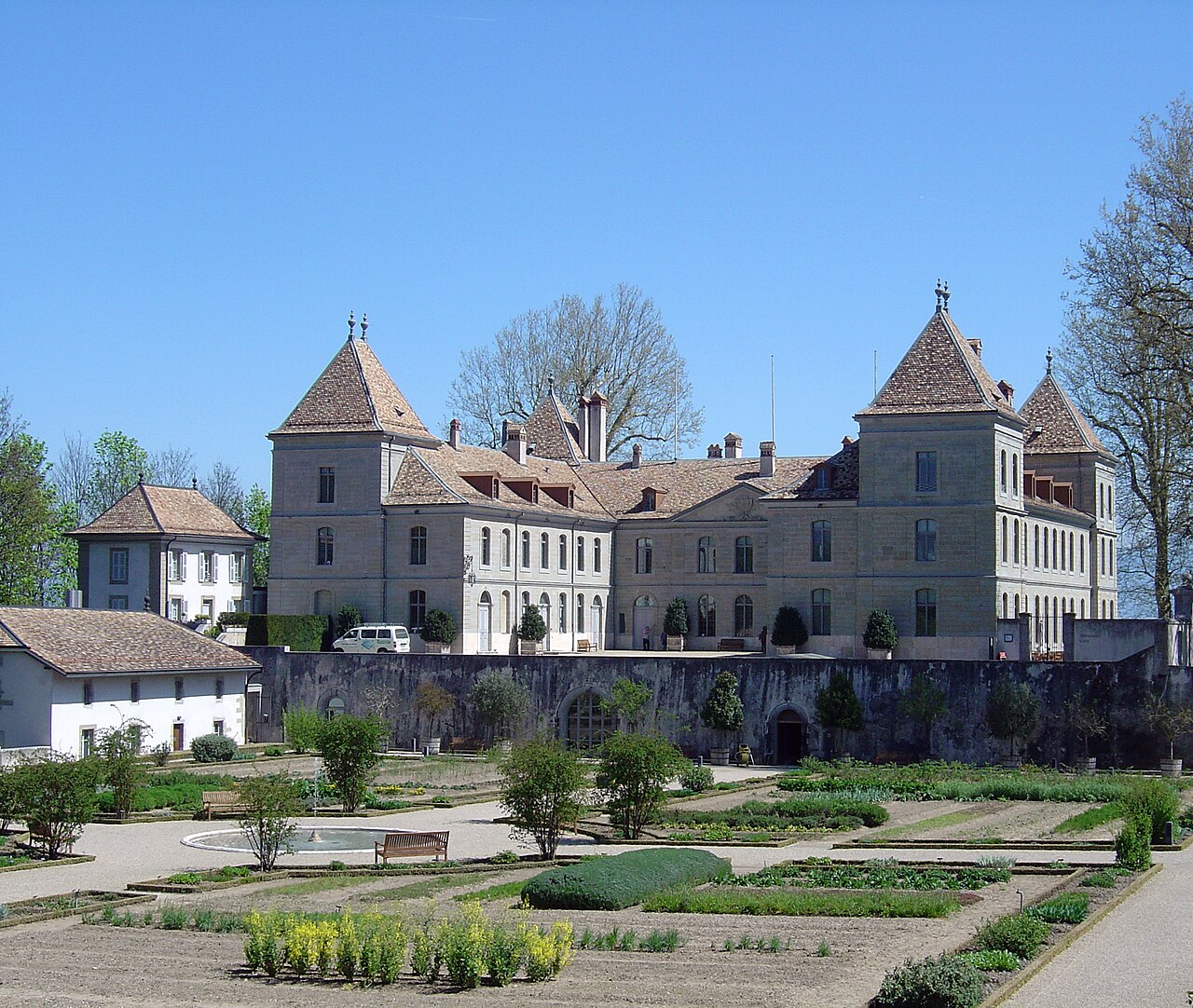
Château de Bossey is a notable hill castle located in Switzerland, constructed in the 18th century during the post-Renaissance period. This castle exemplifies the architectural transition from fortified medieval structures to more residential and representative forms that characterized the era.

Historical context and construction

The 18th century in Europe marked a period where many castles evolved from purely military fortifications to stately homes reflecting the tastes and social aspirations of their owners. Château de Bossey was built in this context, likely serving as a residence and symbol of status rather than a defensive fortress. Its location on a hill provided strategic views over the surrounding landscape, a traditional feature for castles, but its design reflects the reduced emphasis on defense typical of the post-Renaissance era.

Architectural features and style

The castle's architecture aligns with the post-Renaissance style, characterized by a blend of classical elements and local Swiss influences. Unlike medieval castles with thick defensive walls and battlements, Château de Bossey features more refined stonework and symmetrical layouts common in the 18th century. The structure likely includes large windows, elegant facades, and formal gardens, emphasizing comfort and aesthetics over military utility.

Layout and structural elements

While specific details on the castle's layout are limited, typical hill castles of this period in Switzerland often include a main residential building, outbuildings for service functions, and terraced grounds. The castle's elevated position would have provided natural defense advantages and scenic views, enhancing its appeal as a noble residence.

Significance and current status

Château de Bossey holds cultural and historical significance as a representation of Swiss aristocratic life in the 18th century. Its preservation contributes to understanding the evolution of castle architecture from fortified medieval strongholds to elegant country estates. The castle remains a well-preserved example of post-Renaissance architecture in the region.

Preservation and accessibility

The castle is currently in a well-preserved condition, maintaining much of its original 18th-century character. While specific visitor information is not widely documented, such castles often serve as private residences or venues for cultural events. Its hilltop setting continues to offer panoramic views of the Swiss landscape.

Architectural and cultural context in Switzerland

Switzerland's castle heritage is diverse, ranging from medieval fortresses to Renaissance and post-Renaissance manor houses. Château de Bossey fits within the tradition of Swiss hill castles that adapted over time to changing political and social conditions. Its construction in the post-Renaissance period reflects the broader European trend of transforming castles into symbols of prestige and comfort rather than military power.

Overall, Château de Bossey exemplifies the architectural and historical shifts of the 18th century in Switzerland, showcasing how castles evolved to meet new cultural and functional demands while retaining their commanding presence in the landscape.

Frequently asked questions (FAQ)

How do I get to Château de Bossey?
Château de Bossey is conveniently located near the city of Geneva, Switzerland. Visitors can reach the castle by car or public transport, with nearby bus stops providing easy access from major train stations.
What is the historical significance of Château de Bossey?
Château de Bossey dates back to the 13th century and has served various purposes throughout its history, including as a monastery and a residence. It is known for its role in the Reformation and as a center for theological education.
When was Château de Bossey built?
The construction of Château de Bossey began in the early 13th century, making it a significant example of medieval architecture in the region. Over the centuries, it has undergone several renovations while still retaining its historic charm.
Can I take guided tours of Château de Bossey?
Yes, guided tours are available for visitors interested in learning more about the castle's rich history and architecture. These tours typically provide insights into the castle's renovations and its significance in Swiss history.
Why is Château de Bossey a popular destination for visitors?
Château de Bossey is popular due to its stunning views of Lake Geneva and the surrounding Alps, along with its beautiful gardens. Its historical significance and unique architecture also attract history enthusiasts and tourists alike.
Is it possible to host events at Château de Bossey?
Yes, Château de Bossey offers facilities for hosting events such as weddings, conferences, and retreats. The scenic backdrop and tranquil environment make it an ideal location for various gatherings.
What are the opening hours for Château de Bossey?
Château de Bossey is typically open to visitors from Tuesday to Sunday, with specific hours varying by season. It is recommended to check their official website for the most current opening times before planning your visit.
What are the ticket prices for visiting Château de Bossey?
Tickets for Château de Bossey vary depending on the type of tour you choose, with discounts available for students and seniors. Group rates may also apply, making it accessible for schools and organizations.
When is the best time to visit Château de Bossey?
The best time to visit Château de Bossey is during the spring and summer months when the gardens are in full bloom, and the weather is pleasant. Fall can also be a beautiful time to see the changing colors of the landscape.
Are there any nearby attractions to visit while at Château de Bossey?
Yes, nearby attractions include the picturesque town of Geneva, the historic Château de Chillon, and various hiking trails in the surrounding mountains. These sites complement a visit to Château de Bossey and enhance your experience in the region.

Photo gallery

Château de Bossey
Click to view

Photo by Dirrival•CC BY-SA 4.0

1 photo • Click any image to view in full screen

Information

Hill Castle

Loading map...

Visitor reviews

No reviews yet. Been here? Write the first review and help other travelers!

Write the first review

Visited this castle? Share your experience

Your review helps other travelers and adds first-hand knowledge to our encyclopedia.
Write a review

(5/5)

0/2000 characters

Your review will be visible after admin approval

Nearby castles

5.7 km
Nyon Castle — Switzerland castle

Nyon Castle

Nyon, Switzerland

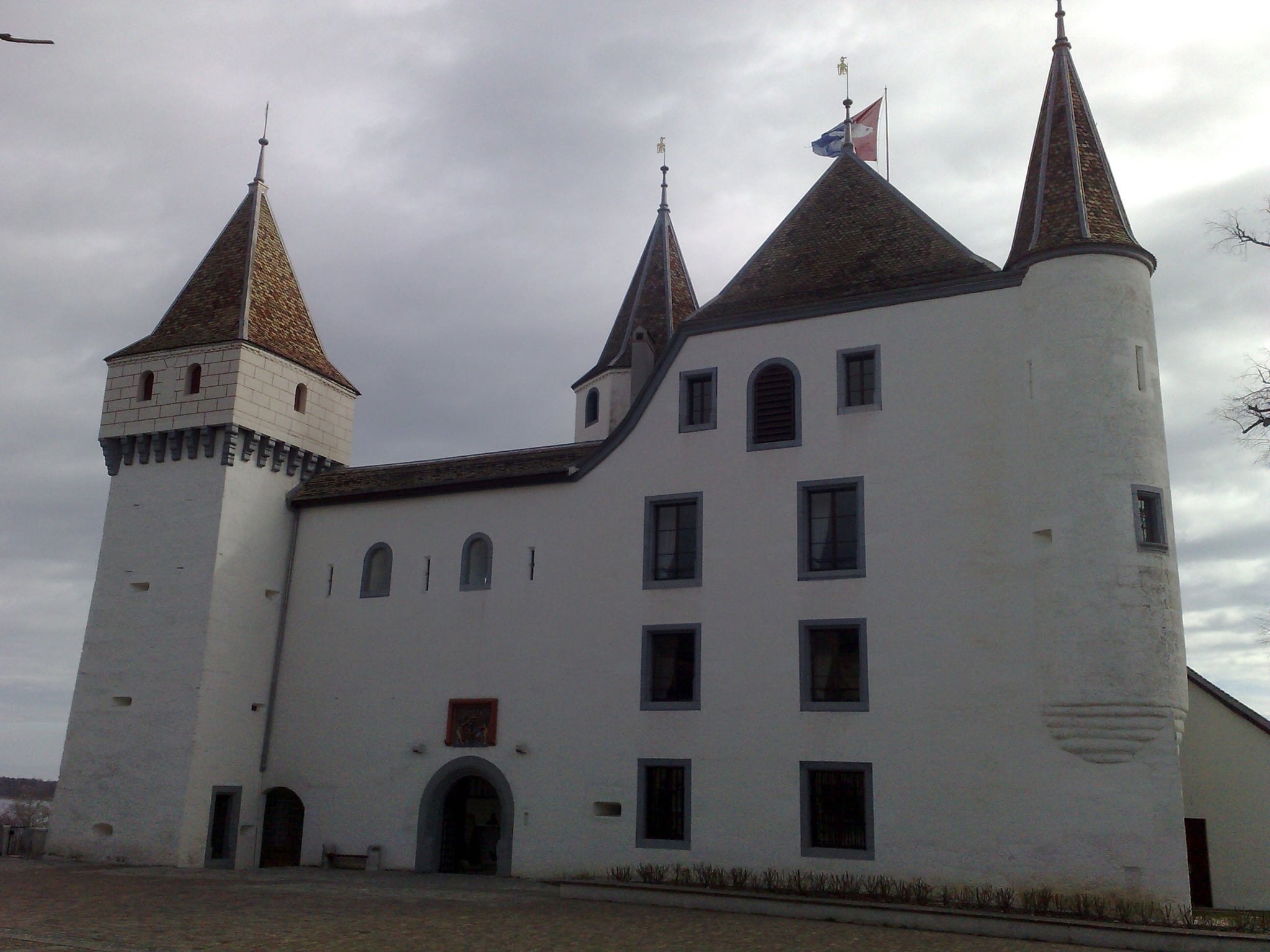
Nyon Castle stands prominently in the town of Nyon, Switzerland, embodying centuries of history and architectural evolution. Originally constructed in the late 12th or early 13th century, this hill castle began as a fortified residence for the Lords of Prangins. Its strategic location overlooking Lake Geneva and the surrounding region made it a critical defensive and administrative center throughout its existence. The castle is first mentioned in historical records in 1272, though archaeological evidence suggests the site was occupied since Roman times, indicating the long-standing importance of this location. In 1293, control passed to the powerful House of Savoy, under whose rule the castle underwent significant expansion. During this period, notable architectural enhancements included the addition of corner turrets by Guillaume du Chêne, transforming the structure from a simple fortified house into a more complex and defensible castle. Medieval origins and savoyard expansion The original medieval castle was a rectangular building that combined various construction styles, reflecting the evolving needs and tastes of its occupants. The addition of corner turrets in the late 13th century enhanced its defensive capabilities, providing vantage points for surveillance and protection. These turrets are characteristic of high medieval military architecture, designed to secure the castle's perimeter against potential attackers. In 1463, the castle underwent extensive rebuilding, further solidifying its role as a regional stronghold. This phase likely included strengthening walls and updating living quarters to accommodate the administrative functions that the castle would later serve. Bernese conquest and renaissance transformation The mid-16th century marked a pivotal chapter in the castle's history when the Swiss Confederation invaded the Vaud region in 1536. Following the conquest, the castle became the seat of the Bernese bailiff, who administered the region on behalf of Bern. Between 1574 and 1583, the castle was comprehensively rebuilt to suit its new administrative role. This reconstruction was led by master builder Uli Jordan and skilled stonemasons Uli II Bodmer and Antoine Vallon, who hailed from the Valsesia region, renowned for its stone craftsmanship. Their work introduced Renaissance architectural elements while maintaining the castle's defensive character. The renovations included structural reinforcements, updated living spaces, and possibly ornamental details that aligned with contemporary styles. Transition to civic use and modern preservation Following the revolutionary upheavals in Vaud in 1798, ownership of the castle transferred to the city of Nyon in 1804. Around 1825, the castle's outer defensive walls and fortifications were dismantled, physically connecting the castle to the town's public square. This change signified a shift from a military fortress to a civic building integrated into the urban fabric. Throughout the 19th and 20th centuries, Nyon Castle served various administrative and penal functions, including housing district prisons until 1979 and hosting municipal council meetings and courtrooms until 1999. Since 1888, it has also housed a museum initially dedicated to local history and later expanded to include a significant collection of porcelain, now known as the Museum of History and Porcelain of Nyon. Between 1999 and 2006, the castle underwent an extensive restoration project costing 17.5 million Swiss francs. This careful renovation preserved the castle's historical character while adapting it for modern museum use. The museum now occupies the entire building, including a renovated terrace area, ensuring the castle's role as a cultural landmark continues. Architectural features and archaeological significance Nyon Castle's architecture reflects its layered history, combining high medieval defensive features with Renaissance modifications. The original Roman foundations underline the site's long-term strategic importance. The rectangular layout with corner turrets remains a defining characteristic, illustrating medieval military design principles. The 16th-century reconstruction introduced refined masonry and structural enhancements, showcasing the expertise of Valsesian craftsmen. Although decorative details and inscriptions are not prominently documented, the castle's fabric tells a story of adaptation and resilience through centuries of political and social change. The removal of outer fortifications in the early 19th century opened the castle to the town, symbolizing its transformation from fortress to civic institution. Today, the castle is well preserved and recognized as a site of national cultural significance in Switzerland. Visiting nyon castle today Currently, Nyon Castle operates as a museum offering visitors insights into the region's history and cultural heritage. Exhibits include local historical artifacts and an extensive collection of porcelain, reflecting the area's artistic traditions. The castle's well-maintained structure and scenic location make it a popular destination for tourists interested in medieval and Renaissance architecture, Swiss history, and museum experiences. Visitors can explore the castle's interior rooms, terraces, and courtyards, gaining a comprehensive understanding of its architectural evolution and historical roles. The castle's integration with the town square provides easy access and a unique opportunity to experience a historic fortress within a vibrant urban setting.

High Medieval (11th–13th c.)
Details
7.2 km
Prangins Castle — Switzerland castle

Prangins Castle

Prangins, Switzerland

Prangins Castle is a significant post-Renaissance hill castle located in the municipality of Prangins in the Canton of Vaud, Switzerland. This historic castle serves as one of the three sites of the Swiss National Museum, alongside locations in Zurich and Schwyz. The castle's exhibitions primarily focus on daily life in the 18th century within the castle and its surrounding region, complemented by displays on broader Swiss history. Visitors can also enjoy a variety of temporary exhibitions and cultural events hosted throughout the year. Historical background and ownership The domain of Prangins Castle has a history dating back to 1096, marking it as a site of longstanding regional importance. The original medieval structure was destroyed in 1293 by the Dukes of Savoy, after which it was rebuilt and changed ownership multiple times over the centuries. In 1613, Nicholas de Diesbach expanded the property, and it was later ceded to Emilie de Nassau in 1627. The estate was sold in 1656 and again in 1719 to Jean Rieu, a Genevan citizen and Paris banker. In 1723, the castle was acquired by Louis Guiguer, another Paris banker, who constructed the current palace that stands today. The previous building was likely in a state of ruin at that time. The castle passed to Guiguer's nephew, Jean-George Guiguer, who notably hosted the famous philosopher Voltaire during his exile from France. Jean-George also commissioned the construction of a temple and enhanced the castle's gardens. After Jean-George's death, the estate was inherited by his son, Louis-François Guiguer de Prangins, who from 1771 maintained detailed journals documenting the daily life of the region over 15 years. These writings, spanning seven volumes, are a valuable resource for understanding the cultural and social history of the era and form a key part of the museum's exhibits. Louis-François's son, Charles-Jules Guiguer, became a general in the Swiss army and sold the castle in 1814 to Joseph Bonaparte, elder brother of Napoleon Bonaparte. From 1873 to 1920, the castle served an educational purpose as a school run by the Frères Moraves, a Protestant monastic order, adding another layer to its diverse history. Architectural features and gardens The castle built in 1732 exemplifies post-Renaissance architecture with a focus on elegance and functionality. It has been extensively restored and furnished to reflect its original 18th-century style, preserving the historical ambiance for visitors. The castle's location on a gentle hill provides commanding views of Lake Geneva and the Alps, which can be enjoyed from the castle's terrace and gardens. One of the most remarkable features of Prangins Castle is its sunken kitchen garden, replanted to mirror its original 18th-century layout. This garden is a rare example of period horticultural design and demonstrates the practical and aesthetic considerations of the time. The castle grounds also include a temple commissioned in the mid-18th century, adding a unique architectural element to the estate. Current function and visitor experience Today, Prangins Castle operates as a museum dedicated to Swiss cultural history and daily life in the region. The museum offers a wide range of exhibits, including artifacts, period furnishings, and multimedia displays that bring the castle's history to life. The inclusion of temporary exhibitions ensures that there is always something new for returning visitors. The castle features a café where guests can enjoy drinks, snacks, and lunch while taking in the scenic views of the lake and mountains. The museum's location and setting make it a popular destination for those interested in history, architecture, and Swiss heritage. The castle is also a venue for various cultural events, enhancing its role as a living part of the community. Significance and heritage status Prangins Castle is recognized as a Swiss heritage site of national significance. Its rich history, architectural integrity, and role in preserving Swiss cultural heritage make it an important landmark. The castle's connection to prominent historical figures, including Voltaire and Joseph Bonaparte, adds to its historical interest. The castle's preservation efforts and its function as part of the Swiss National Museum system ensure that it remains accessible to the public and continues to educate visitors about Switzerland's past. Its combination of historical architecture, gardens, and museum exhibits provides a comprehensive experience of Swiss history and culture.

Post-Renaissance (17th–18th c.)
Details
7.6 km

Duillier Castle

Duillier, Switzerland

Duillier Castle stands as a remarkable example of a medieval hill castle in the municipality of Duillier, Switzerland. Its origins date back to the 12th century, marking it as a significant historical site that has witnessed centuries of regional transformation. The castle's enduring presence reflects the evolution of feudal power, judicial authority, and cultural development in the Swiss region. Medieval origins and early history The earliest records from the 12th century establish Duillier Castle as a fortified residence within a feudal landscape. By 1490, the property was described as a "house or tower," indicating a structure that combined residential and defensive functions. The sale of the castle from Jean d’Usier to Amédée de Chatillon marks a notable moment in its ownership history, reflecting the shifting alliances among noble families. The castle’s façade bears heraldic sculptures that commemorate the alliance between the Favre de Begnins and Chatillon de Michaille families. These carvings are not only decorative but also serve as historical documentation of the castle's social significance in the late medieval period. Transition through ownership and judicial role Following the Bernese conquest of 1536, Duillier Castle experienced several changes in ownership, reflecting the political realignments of the region. The purchase by Hans Rudolf Wurstemberger in 1586-1587, who acted as bailiff of Nyon, underscored the castle’s importance as a seat of local governance. In the mid-17th century, under the ownership of Vincenz Wagner, the castle was elevated to a seigneury with judicial authority. This period saw the addition of a fortified chamber atop one of the towers, serving as a secure vault. The presence of two dungeons within the castle further emphasizes its role in administering justice and maintaining law and order. Cultural significance and the printing press The acquisition of the castle by Jean-Baptiste Fatio in 1669 marked the beginning of its cultural and intellectual prominence. In 1675, a notable printing press was established on the premises by Jean Hermann Widerhold. This press gained recognition for producing both counterfeit works and pioneering linguistic publications. Among the press's most significant contributions were the first dictionaries featuring French, Italian, and Latin, as well as the first French dictionary organized by a systematic method. The press was subsequently managed by David Ritter, continuing its legacy of scholarly output. Later ownership and modern history From 1753 onward, the castle was owned by the Bazin de Liméville family, who were connected through alliances with the Fatio and Guiguer de Prangins families. Eventually, the property was sold to Count Saint-George de Marsay, who also owned the nearby Changins Castle. Since 1922, the castle has been under the custodianship of the Humbert family. Despite suffering partial destruction due to a fire on the night of December 7-8, 2011, the castle remains a protected cultural monument. It has been listed as a property of national significance since 1976 and was officially designated a historic monument on March 9, 2016. Architectural features and estate layout Duillier Castle comprises several buildings arranged around a central courtyard, typical of rural castle complexes designed for multifunctional use. The rear section combines practical and residential purposes, housing a printing press and wine cellar at ground level beneath living quarters. The castle's two dungeons highlight its judicial function during the 17th century, while the fortified chamber atop one tower served as a secure vault, underscoring the importance of safeguarding valuables. The heraldic sculptures on the tower façade remain a prominent decorative and historical element. Vineyards and viticultural heritage The castle grounds include vineyards covering approximately 14 hectares, a testament to the estate's longstanding connection to viticulture. These vineyards are renowned for producing some of the earliest Pinot Blanc wines in the Côte region, integrating agricultural production with the castle's residential and defensive roles. This blend of uses has persisted into modern times, making Duillier Castle a living monument within a dynamic cultural landscape. Preservation and cultural importance Despite the damage caused by the 2011 fire, much of Duillier Castle's historic fabric remains intact. Its designation as a property of national significance and historic monument status reflects its value within Switzerland's cultural heritage framework. The castle continues to attract interest for its unique combination of medieval architecture, judicial history, cultural contributions through its printing press, and viticultural legacy.

High Medieval (11th–13th c.)
Details