Nowe Castle
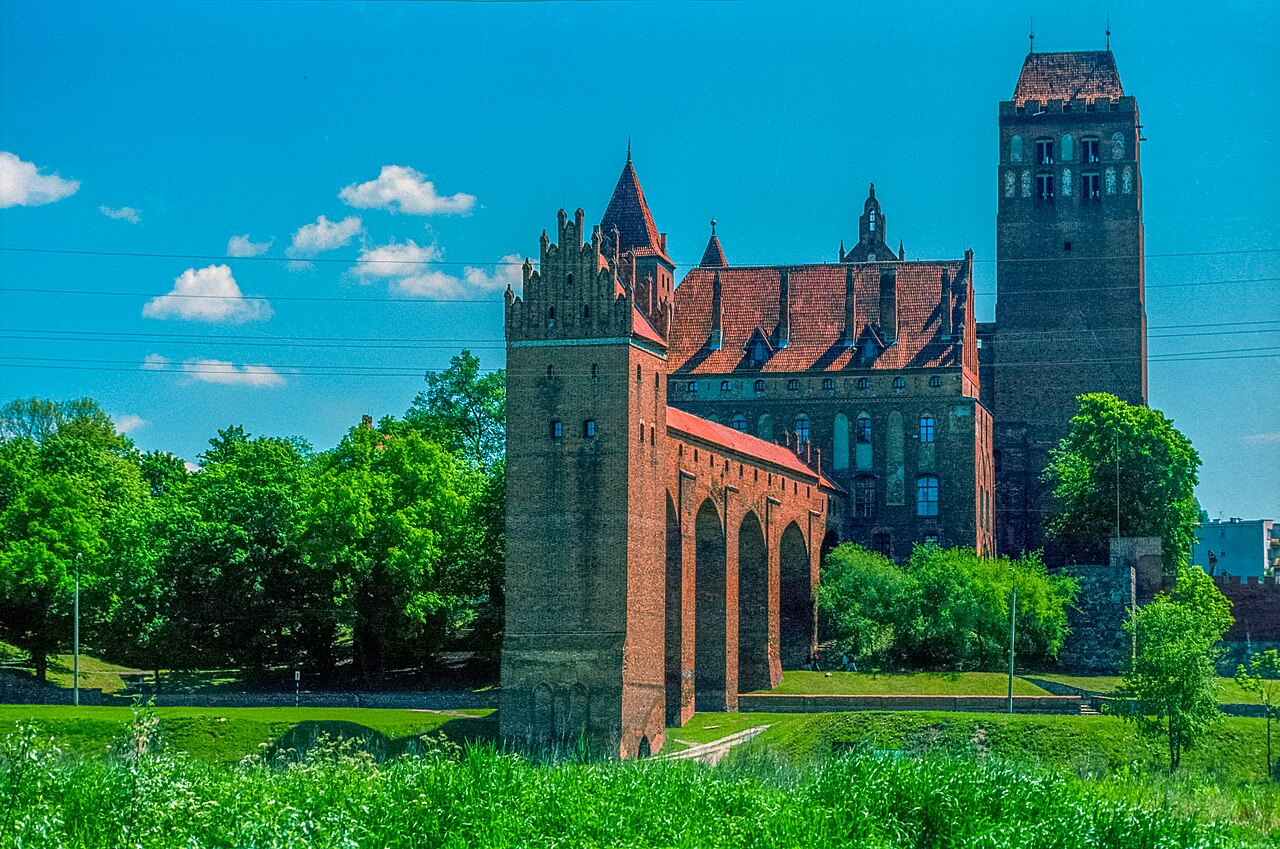
Nowe Castle (Polish: Zamek w Nowem, German: Burg Neuenburg) is a medieval fortress situated in the small town of Nowe, Poland, prominently located on the high bank of the Vistula River. This castle stands as a significant example of Teutonic Order military architecture in Pomerania, reflecting the turbulent history of the region during the Late Medieval period. Originally constructed around the mid-14th century, the castle was built on the site of an earlier castellan fortress from the turn of the 12th and 13th centuries, underscoring its longstanding strategic importance in controlling river traffic and regional defense.
Historical context and strategic importance
The location of Nowe on a steep bank of the Vistula made it a vital point for monitoring and controlling navigation along one of Poland's most important waterways. Alongside other fortifications such as the castles in Stargard and Świecie, Nowe Castle played a key role in overseeing ship traffic and defending the region. The castle's significance is further highlighted by its association with notable historical figures such as Castellan Duke Świętopełk II, who resided here, emphasizing Nowe's role as a center of regional power.
During the early 14th century, the castle and town faced destruction amid the conflicts involving the Teutonic Knights. Chronicled accounts mention the devastation of Gdańsk Pomerania, including the towns of Gdańsk, Tczew, and Nowe, by the Teutonic Order. At that time, the castle was under the administration of the Castellan Duke, while the town itself belonged to Piotr Święca. The Teutonic Knights later purchased the town and its district from Piotr Święca for 1,200 grzywien, a significant sum of medieval silver currency. Following the conquest, Nowe was depopulated and destroyed until the mid-14th century, when the Grand Master of the Teutonic Order, Heindrich Düssemer von Arffenberg, reestablished the town's location privilege in 1350.
Architectural features and construction
The construction of the current Nowe Castle likely began around the 1350s under the direction of the Teutonic Order, utilizing the site of the former castellan fortress. It is considered one of the smallest Teutonic castles in Pomerania, characterized by a compact design that integrated with the town's defensive walls. The castle featured a three-storey residential building surrounded by a perimeter wall that connected to the town fortifications.
Architecturally, the castle was designed with functional tiers: the lowest level housed utility rooms essential for daily operations; the first floor contained living quarters for the religious brother responsible for the castle's custody, alongside a dining hall, a chapel, and a guest room; the uppermost floor served as granaries and storage warehouses. The castle's defenses were likely enhanced by a moat and separate walls that enclosed the city, providing an additional layer of protection.
Layout and materials
Nowe Castle's construction primarily utilized brick, typical of Teutonic architecture in the region, with stone elements reinforcing key structural components. The castle's compact footprint and integration with the town's walls reflect a design optimized for both defense and administrative function. Its location on a hill overlooking the Vistula River afforded commanding views and control over river traffic, a critical advantage during medieval times.
Later history and transformations
Following the Second Peace of Thorn in 1466, Nowe returned to Polish control, marking a new chapter in the castle's history. The 16th century was a prosperous era for the town, benefiting from its position on a commercial route along the Vistula. During this period, the town attracted Dutch Mennonites who settled here after fleeing religious persecution, contributing to the local economy and cultural diversity.
The castle itself served as the residence of the Starosta from the noble House of Nowskiscy after 1465. However, the 17th century brought turmoil with the Swedish invasions known as the Deluge, during which the castle suffered significant destruction and the town was largely deserted.
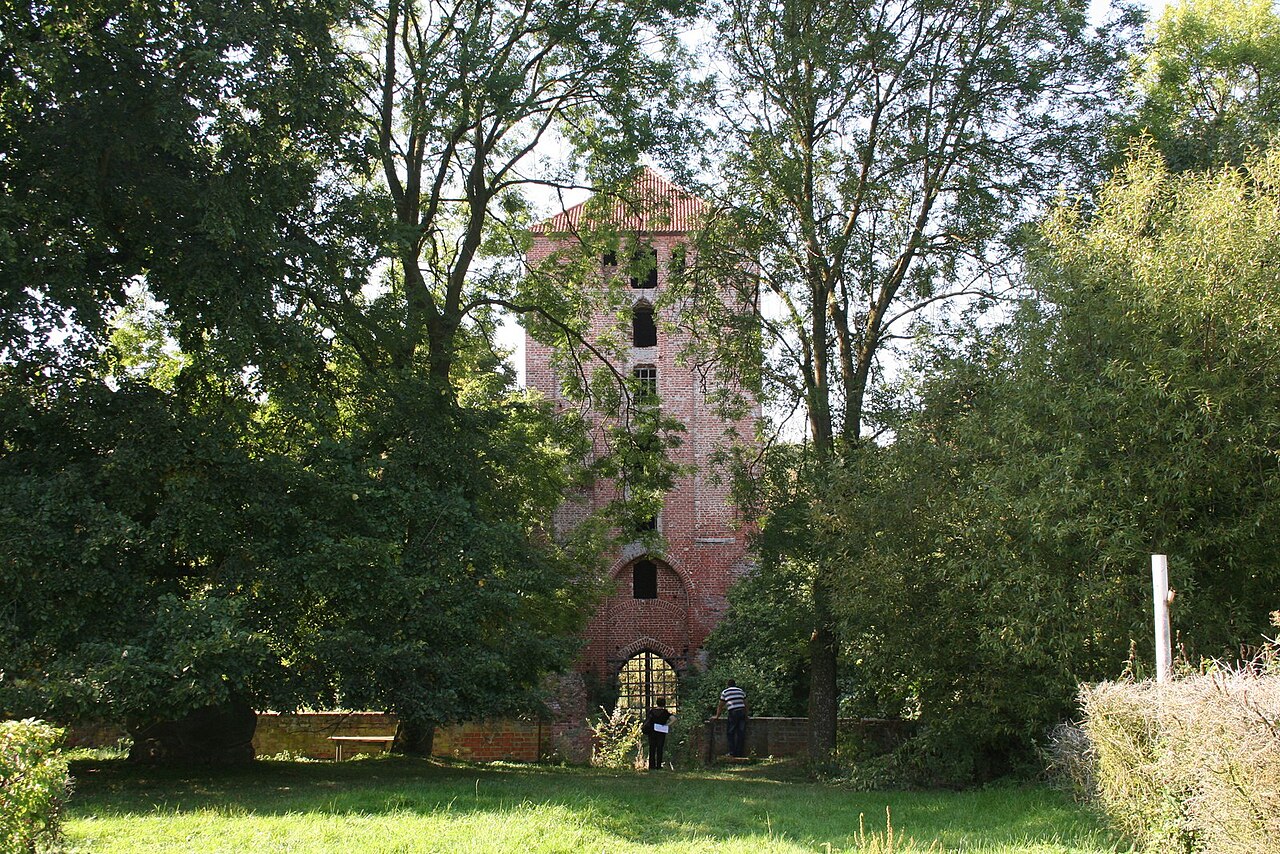
In the aftermath, the castle underwent various changes. After the First Partition of Poland in 1772, the Prussian authorities partially deconstructed the castle but preserved the main wing. This wing was converted into an Evangelical Protestant Church, reflecting the changing religious and political landscape. In the 19th century, the castle's function shifted again, serving as a warehouse and later as a fire station, illustrating the adaptive reuse of medieval structures over time.
Restoration and modern use
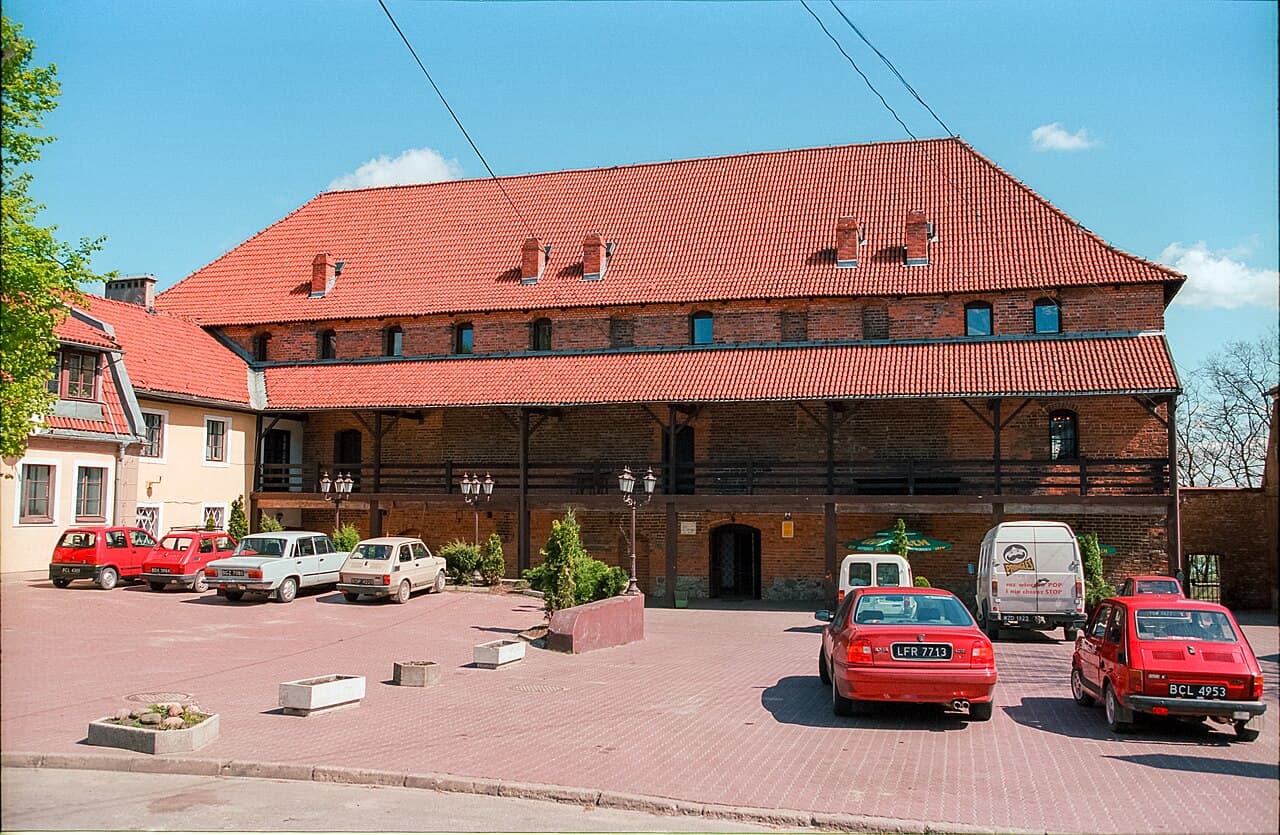
By the 20th century, the castle had fallen into disrepair but underwent significant renovation efforts starting in the 1970s. These restoration works aimed to preserve the castle's historical fabric while adapting it for contemporary use. The renovation was completed in 1992, resulting in the castle's current role as the Castle Centre of Culture (Centrum Kultury "Zamek").
Today, Nowe Castle serves as a cultural hub, hosting events, exhibitions, and community activities that celebrate the region's heritage. Its preservation allows visitors to explore the architectural and historical legacy of the Teutonic Order in Pomerania and the castle's evolving role through centuries of Polish history.
Visitor experience
The castle's location by the Castle Square and the Vistula River offers picturesque views and a tangible connection to the medieval past. Visitors can appreciate the castle's brick Gothic architecture, the remnants of defensive walls, and the restored interiors that reflect its varied historical uses. The cultural center provides educational programs and exhibitions that deepen understanding of the castle's significance and the broader history of the region.
Architectural style and classification
Nowe Castle exemplifies Late Medieval Gothic architecture characteristic of Teutonic fortifications. Its classification as a hill castle is due to its strategic placement on elevated terrain overlooking the river, enhancing its defensive capabilities. The castle's compact design and integration with town fortifications are typical of smaller Teutonic castles built for administrative and military control rather than large-scale residence.
Frequently asked questions (FAQ)
- When was Nowe Castle originally built?
- Nowe Castle was constructed around the mid-14th century, approximately in 1350, by the Teutonic Order on the site of an earlier fortress.
- What architectural style characterizes Nowe Castle?
- Nowe Castle is an example of Late Medieval Gothic architecture, typical of Teutonic Order fortifications in Pomerania.
- What is the current use of Nowe Castle?
- Today, Nowe Castle functions as the Castle Centre of Culture, hosting exhibitions, cultural events, and community activities.
- How did the Swedish wars affect Nowe Castle?
- The castle was largely destroyed during the 17th-century Swedish wars known as the Deluge, leading to significant damage and desertion of the town.
- Can visitors explore the interior of Nowe Castle?
- Yes, the castle has been restored and adapted for public use, allowing visitors to explore its interiors and learn about its history through exhibitions.
Photo gallery

Information
Loading map...
Visitor reviews
No reviews yet. Been here? Write the first review and help other travelers!
Write the first reviewVisited this castle? Share your experience
Your review helps other travelers and adds first-hand knowledge to our encyclopedia.