Grudziadz Castle Ruins
The Grudziadz Castle ruins stand as remnants of a significant High Medieval fortress complex located in Grudziądz, Poland. The origins of fortifications on this site trace back to the 10th century, with the earliest mention of a stronghold here recorded in 1065. This early fortification served as a strategic point in the region, evolving through centuries of political and military upheaval.
In the early 13th century, the area came under the control of Konrad of Masovia, a notable Polish duke who, in 1218, granted the territory of Chelmno Land and the stronghold to Bishop Christian. This transfer marked an important phase in the region's governance and development. Subsequently, in 1231, the Teutonic Knights conquered Grudziadz, initiating the construction of a formidable castle that was completed by 1299. This castle became the seat of the Teutonic Order's commander, underscoring its military and administrative significance.
Medieval fortifications and town defenses
The castle was a focal point around which the town of Grudziadz developed. Throughout the 13th and 14th centuries, the town faced multiple assaults, including attacks by Pomeranian dukes in 1242 and 1244, as well as raids by Prussian and Lithuanian forces between 1278 and 1281. These conflicts necessitated robust defensive measures.
By the 14th century, the town was encircled by a thick, double defensive wall featuring ten towers and four fortified gates. Sections of the walls were further protected by moats, enhancing the town's resilience against sieges. These fortifications reflect the typical High Medieval military architecture employed by the Teutonic Knights to secure their territories.
Economic and strategic importance
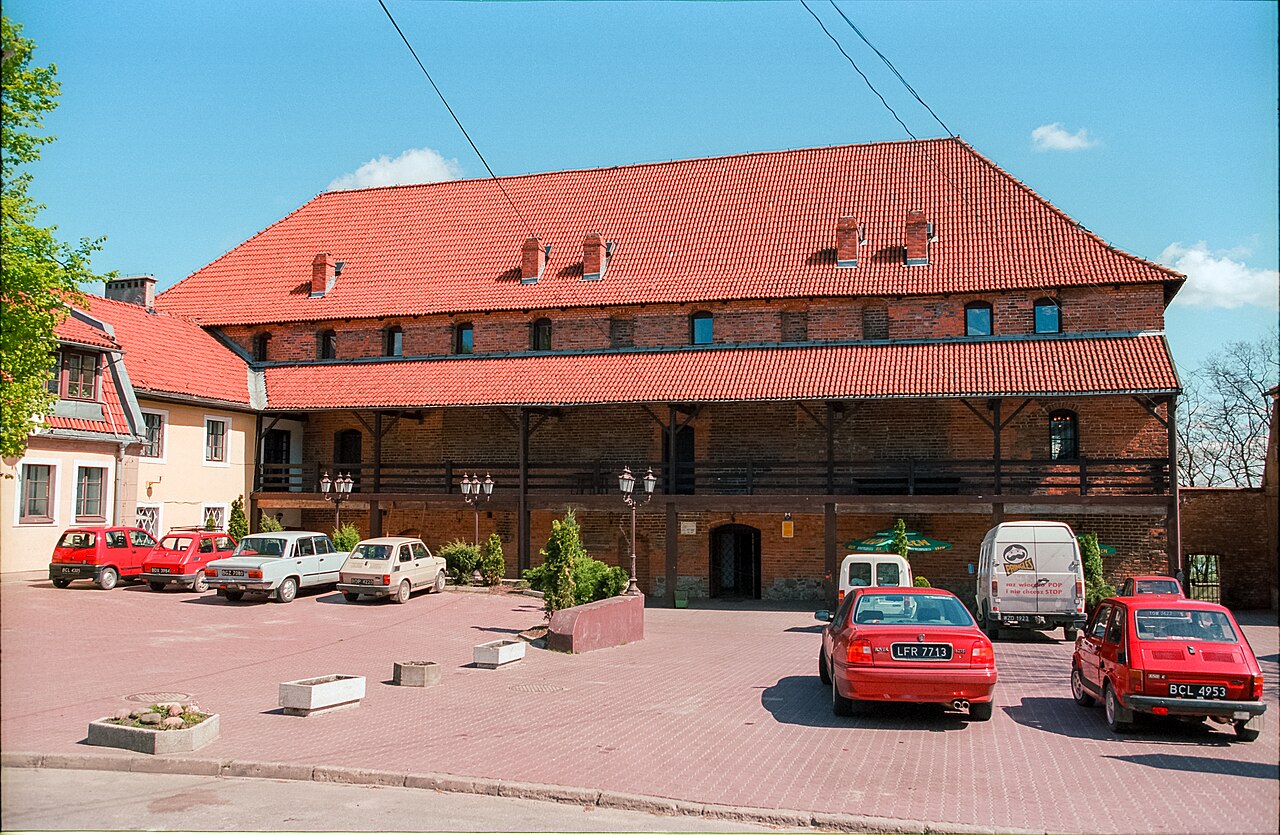
Grudziadz's location on the Vistula River made it a vital center for grain trade during the medieval period. The town's economy was bolstered by the presence of large granaries along the riverbank, first documented in 1365. These granaries facilitated the storage and shipment of grain, connecting Grudziadz to broader trade networks across Poland and beyond.
Military history and later developments
The castle and town played notable roles in subsequent military conflicts. During the Polish-Swedish War (1655-1660), the castle served as the headquarters for Charles Gustav, the Swedish king. In 1711, the fortress also hosted Tsar Peter I of Russia, highlighting its continued strategic relevance in Eastern European power struggles.
From the 16th through the 18th centuries, Grudziadz's growth was hampered by a series of adversities including wars, plagues, floods, and fires. Additionally, competition from nearby towns, particularly Torun, limited its development. The geopolitical landscape shifted dramatically after 1772 when Grudziadz came under Prussian rule. Soon after, between 1776 and 1788, a new fortress was constructed, transforming Grudziadz into a significant garrison town.
The fortress gained prominence during the Napoleonic Wars; King Frederick William III sought refuge here after his defeat at the Battle of Jena. However, the town's fortunes declined as trade along the Vistula diminished. Further damage occurred during the French siege of 1806-1807, when Grudziadz endured a five-month blockade.
Architectural features and current condition
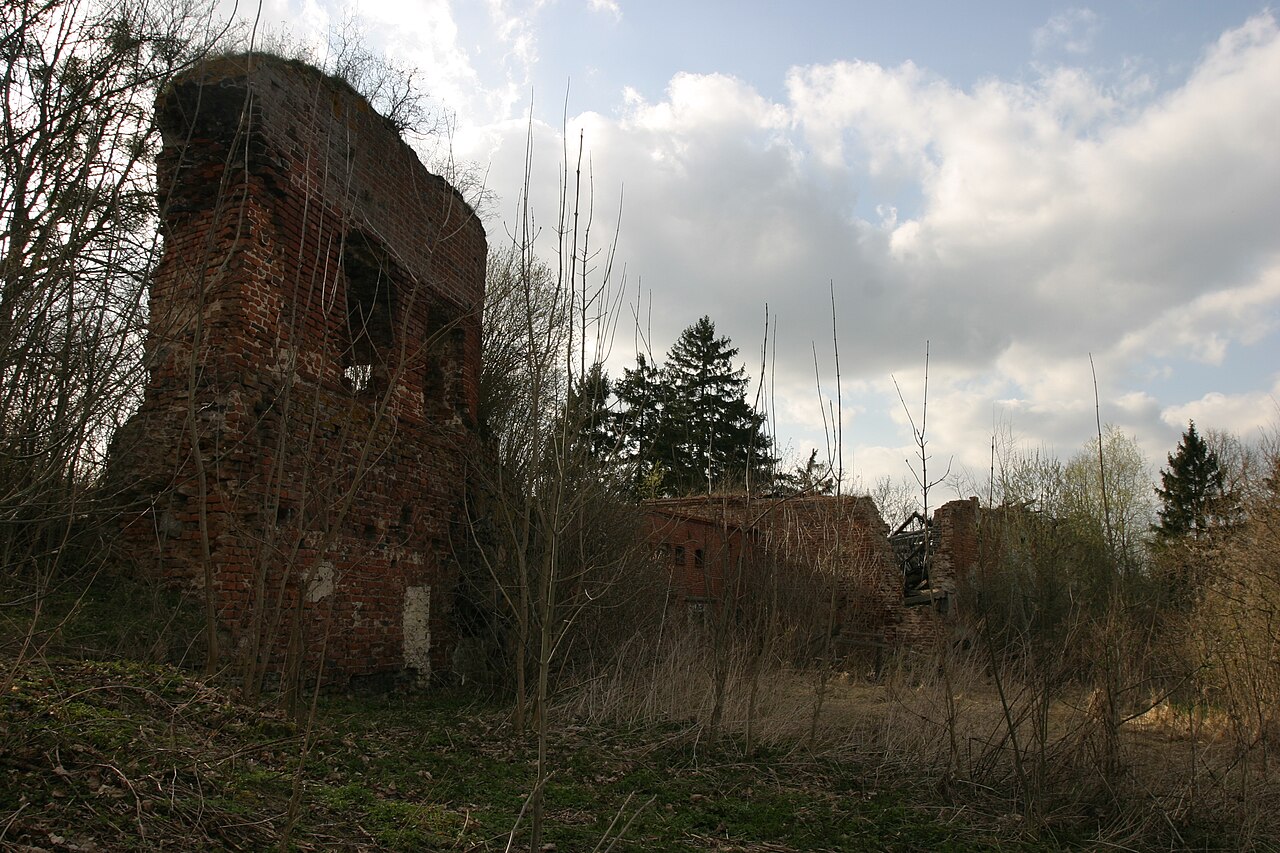
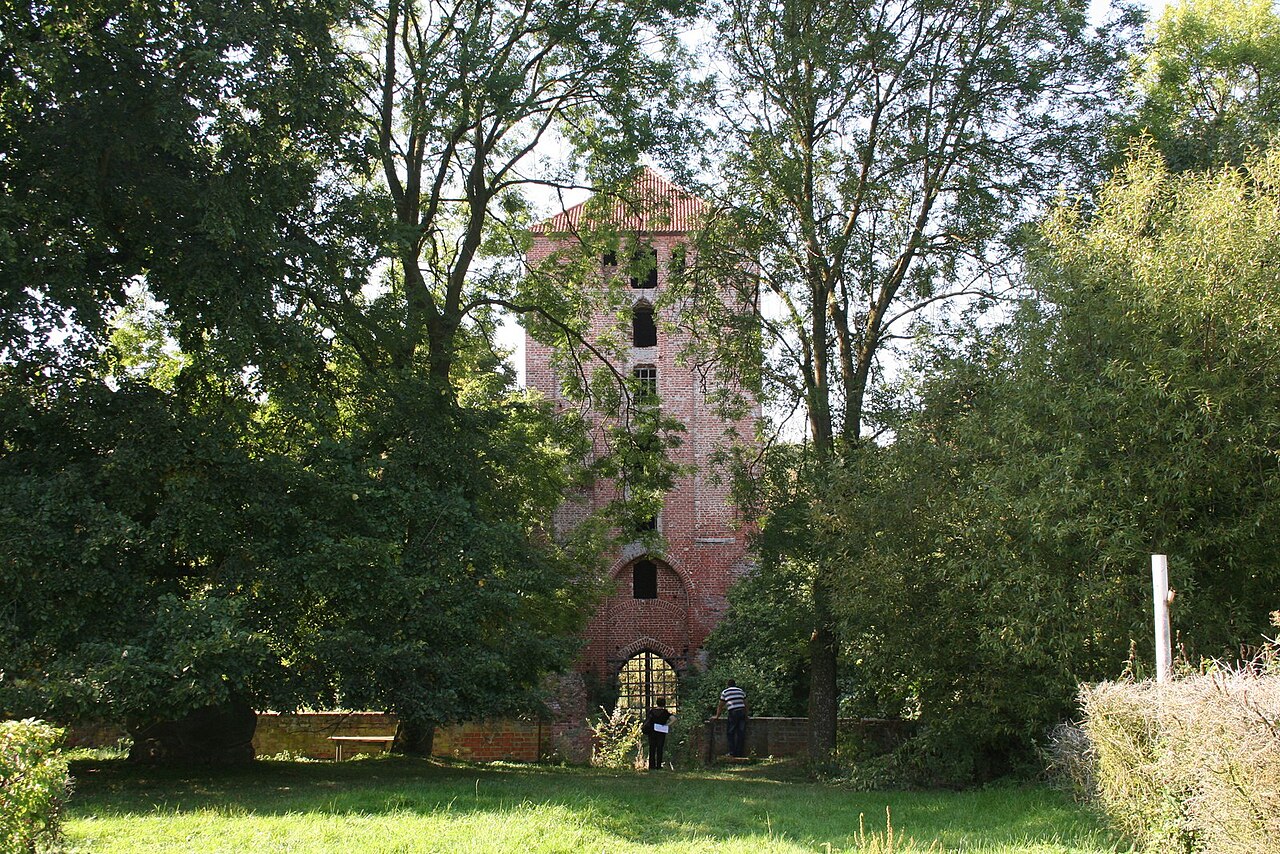
Today, the Grudziadz Castle ruins offer insight into medieval military architecture and the evolution of fortifications in Northern Poland. While much of the original structure has been lost or altered over centuries, surviving elements of the castle walls, towers, and remnants of the fortress reflect the site's layered history. The ruins stand as a testament to the region's turbulent past and its role in the conflicts between Polish, Teutonic, Swedish, Russian, and Prussian forces.
The site is a valuable cultural and historical landmark, attracting visitors interested in medieval architecture and the complex history of the Vistula River region. Preservation efforts focus on maintaining the remaining structures and interpreting the castle's significance within the broader context of Polish and Central European history.
Frequently asked questions (FAQ)
- What is the historical significance of Grudziadz Castle Ruins?
- Grudziadz Castle Ruins are a testament to the rich history of medieval Poland, originally constructed in the 13th century as a stronghold. The castle played a crucial role in the defense against invasions and served as a residence for various noble families, making it a symbol of regional power.
- When was Grudziadz Castle built?
- The construction of Grudziadz Castle began in the early 13th century, specifically around 1233. It has undergone numerous alterations over the centuries, reflecting the architectural styles of different periods.
- Can I visit Grudziadz Castle Ruins?
- Yes, visitors are welcome to explore the Grudziadz Castle Ruins. The site offers a glimpse into medieval architecture and provides stunning views of the surrounding area.
- What are the opening hours for Grudziadz Castle Ruins?
- Grudziadz Castle Ruins are typically open to the public from early spring to late autumn. Opening hours may vary, so it is advisable to check the official website or local tourism information for the most current times.
- Is it possible to access Grudziadz Castle with limited mobility?
- Access to Grudziadz Castle Ruins may be challenging for those with limited mobility due to the uneven terrain and stairs. However, the site is working towards improving accessibility for all visitors.
- What is the best time to visit Grudziadz Castle Ruins?
- The best time to visit Grudziadz Castle Ruins is during the spring and early autumn months when the weather is mild, and the surrounding landscapes are particularly beautiful. This period also sees fewer crowds, allowing for a more enjoyable experience.
- Are there any nearby attractions to Grudziadz Castle Ruins?
- Yes, nearby attractions include the historic town square of Grudziądz, the Vistula Boulevards, and various museums that showcase the region's history. Exploring these sites can enhance your visit and provide a deeper understanding of the area's cultural heritage.
- What are the ticket prices for Grudziadz Castle Ruins?
- Admission to Grudziadz Castle Ruins is generally free, but there may be fees for guided tours or special exhibitions. It is recommended to check the official website for any updates on pricing and special events.
Information
Loading map...
Visitor reviews
No reviews yet. Been here? Write the first review and help other travelers!
Write the first reviewVisited this castle? Share your experience
Your review helps other travelers and adds first-hand knowledge to our encyclopedia.