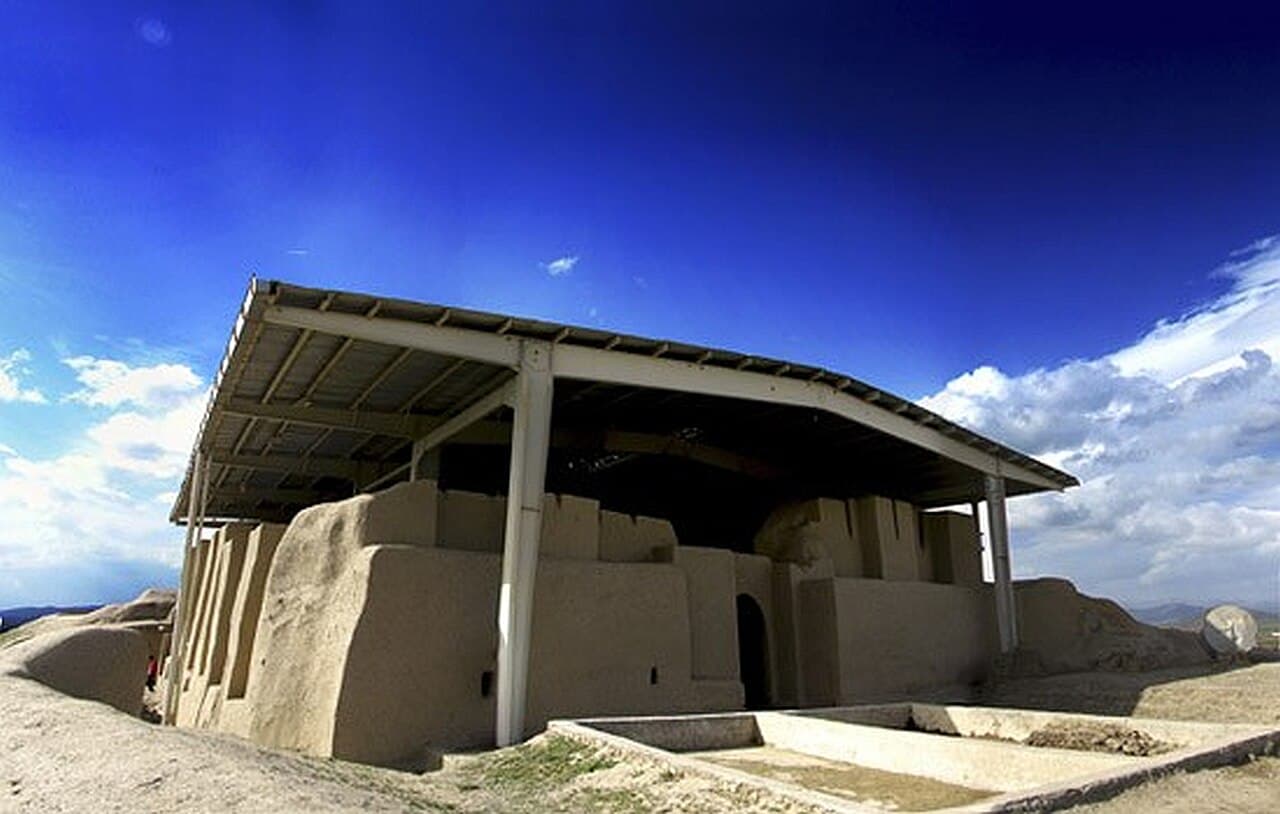
Noushijan Tappe is a significant archaeological site located in the western region of Iran, near the city of Malayer. This ancient site dates back to approximately 800 BC, placing it in the late second millennium BCE, a period crucial for understanding early urban and religious development in the Iranian plateau. Excavations at Noushijan Tappe have revealed a complex settlement that provides valuable insights into the architectural and cultural practices of the time.
Historical context and significance
The site of Noushijan Tappe represents one of the earliest known inhabited locations in this part of Iran. Its occupation beginning no earlier than 800 BC situates it within the broader context of the ancient Near East, a region characterized by emerging city-states and complex religious traditions. The findings at Noushijan contribute to understanding the transition from prehistoric to historic periods in Iran, shedding light on the socio-political and religious structures of early societies.
Architectural features of Noushijan Tappe
Archaeological investigations have uncovered several key structures within the site, each reflecting distinct functions and architectural styles relevant to the era:
The first fire temple
Located on the western side of the Tappe, this building is identified as the first fire temple. Fire temples are significant in the religious history of Iran, particularly in relation to Zoroastrianism, where fire symbolizes purity and the divine presence. The existence of such a temple at Noushijan indicates early religious practices centered around fire worship or ritual purification.
The columned hall (Apadana)
The site features a columned hall, often referred to as an Apadana, a term used for large audience halls in ancient Persian architecture. This hall likely served as a place for gatherings, ceremonies, or administrative functions. The columns would have supported a substantial roof structure, indicating advanced architectural knowledge and the importance of communal or official activities at Noushijan.
The central temple (second temple)
At the heart of the site lies a central temple, sometimes called the second temple, which suggests a complex religious center with multiple sacred buildings. This temple would have been a focal point for worship and possibly housed important cultic activities. Its central placement underscores its significance within the settlement's layout.
Rooms and storerooms
Various rooms and storerooms have been excavated, indicating that Noushijan was not only a religious center but also a place where goods and supplies were stored and managed. These spaces reflect the economic activities and daily life of the inhabitants, providing evidence of organized storage and possibly trade or resource distribution.
The tunnel and rampart
The presence of a tunnel and a rampart at the site points to defensive measures and infrastructure. The rampart would have served as a fortification to protect the settlement from external threats, while the tunnel could have had multiple purposes, including secret access, drainage, or strategic defense. These features highlight the importance of security and planning in the settlement's design.
Preservation and current status
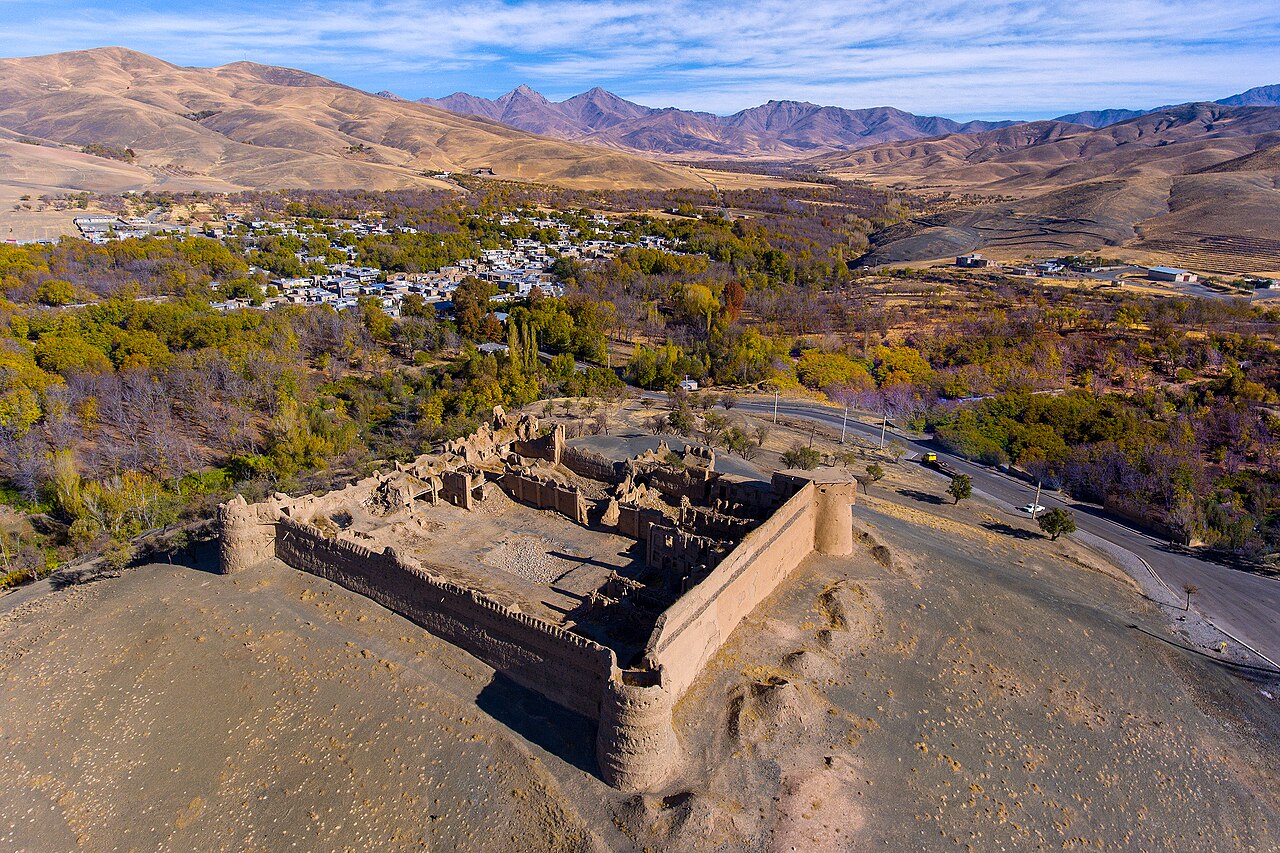
Today, Noushijan Tappe remains an archaeological ruin, with many of its structures partially preserved. The site offers valuable opportunities for ongoing research and public education about ancient Iranian civilizations. Its ruins attract scholars and visitors interested in early architecture, religious history, and the development of ancient settlements in the region.
Visiting and educational value
While not a traditional castle, Noushijan Tappe's remains provide a fascinating glimpse into early fortified settlements and religious architecture. Visitors can explore the layout and features that reveal the complexity of ancient life in western Iran. The site is important for understanding how early communities organized their religious and defensive structures, contributing to the broader narrative of Iranian heritage.
Frequently asked questions (FAQ)
- What is the historical significance of Noushijan Tappe?
- Noushijan Tappe is an important archaeological site that dates back to the Achaemenid period and showcases the rich history of ancient Persia. It is believed to have served as a significant settlement, providing insights into the culture, architecture, and daily life of its time.
- When was Noushijan Tappe constructed?
- The construction of Noushijan Tappe is estimated to have begun around the 4th century BC, during the height of the Achaemenid Empire. The site has undergone various phases of development over the centuries, reflecting changes in architectural styles and societal needs.
- Can I visit Noushijan Tappe?
- Yes, visitors are welcome to explore Noushijan Tappe. It is recommended to check local guidelines and any travel restrictions before planning your visit to ensure a smooth experience.
- What are the opening hours for Noushijan Tappe?
- Noushijan Tappe is typically open to visitors from 8 AM to 6 PM daily. However, it is advisable to check for any seasonal changes in operating hours or special closures before your visit.
- Is it possible to access Noushijan Tappe by public transportation?
- Yes, Noushijan Tappe can be accessed by public transportation from nearby towns such as Malayer. Local buses and taxis are available, making it convenient for visitors to reach the site.
- What are the ticket prices for visiting Noushijan Tappe?
- The ticket prices for Noushijan Tappe are quite affordable, with entry fees generally ranging from 50,000 to 100,000 IRR. Discounts may be available for students and groups, so it's worth inquiring at the ticket booth.
- What is the best time to visit Noushijan Tappe?
- The best time to visit Noushijan Tappe is during the spring (March to May) and autumn (September to November) when the weather is mild and pleasant. Visiting during these seasons allows for a more enjoyable exploration of the site.
- Are there any nearby attractions to visit after Noushijan Tappe?
- Yes, after visiting Noushijan Tappe, you can explore other nearby attractions such as the ancient ruins of Alisadr Cave and the beautiful landscapes of the Zagros Mountains. These sites provide additional cultural and natural experiences for a well-rounded visit.
- What architectural features can I expect to see at Noushijan Tappe?
- Noushijan Tappe showcases a blend of ancient Persian architectural styles, including intricate stonework, defensive walls, and remnants of residential areas. The layout of the ruins reflects the urban planning of ancient societies, offering a glimpse into the past.
Photo gallery

Photo by Shinse110 at Persian Wikipedianoshijan•Public domain
Information
Loading map...
Visitor reviews
No reviews yet. Been here? Write the first review and help other travelers!
Write the first reviewVisited this castle? Share your experience
Your review helps other travelers and adds first-hand knowledge to our encyclopedia.