Sheykh Makan Castle
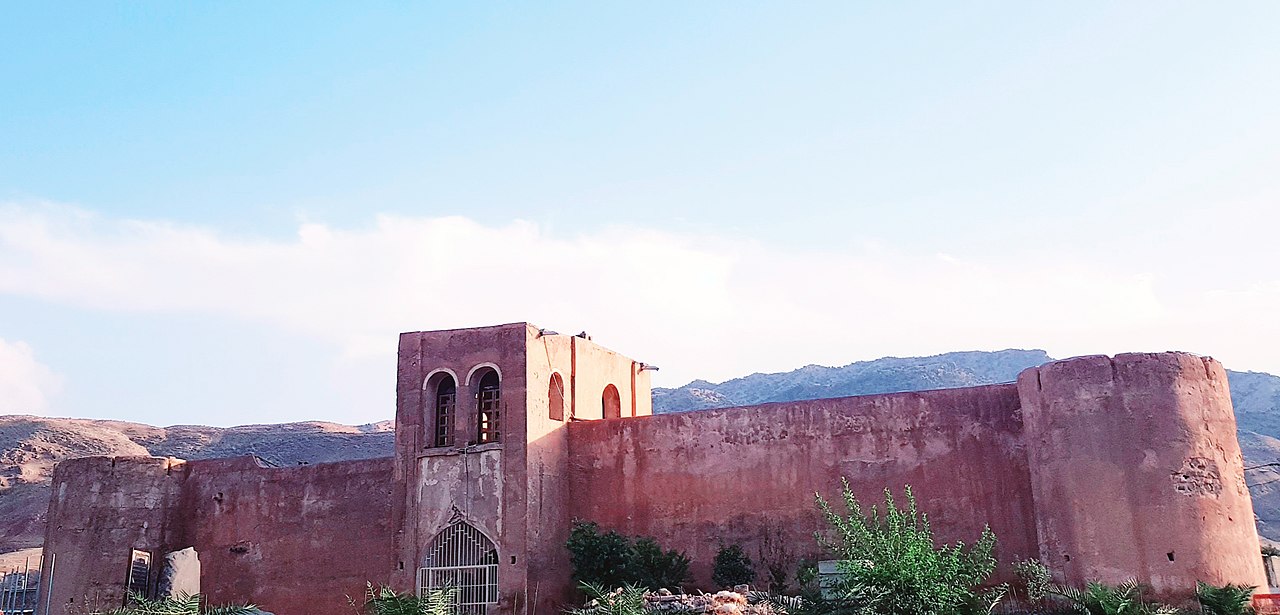
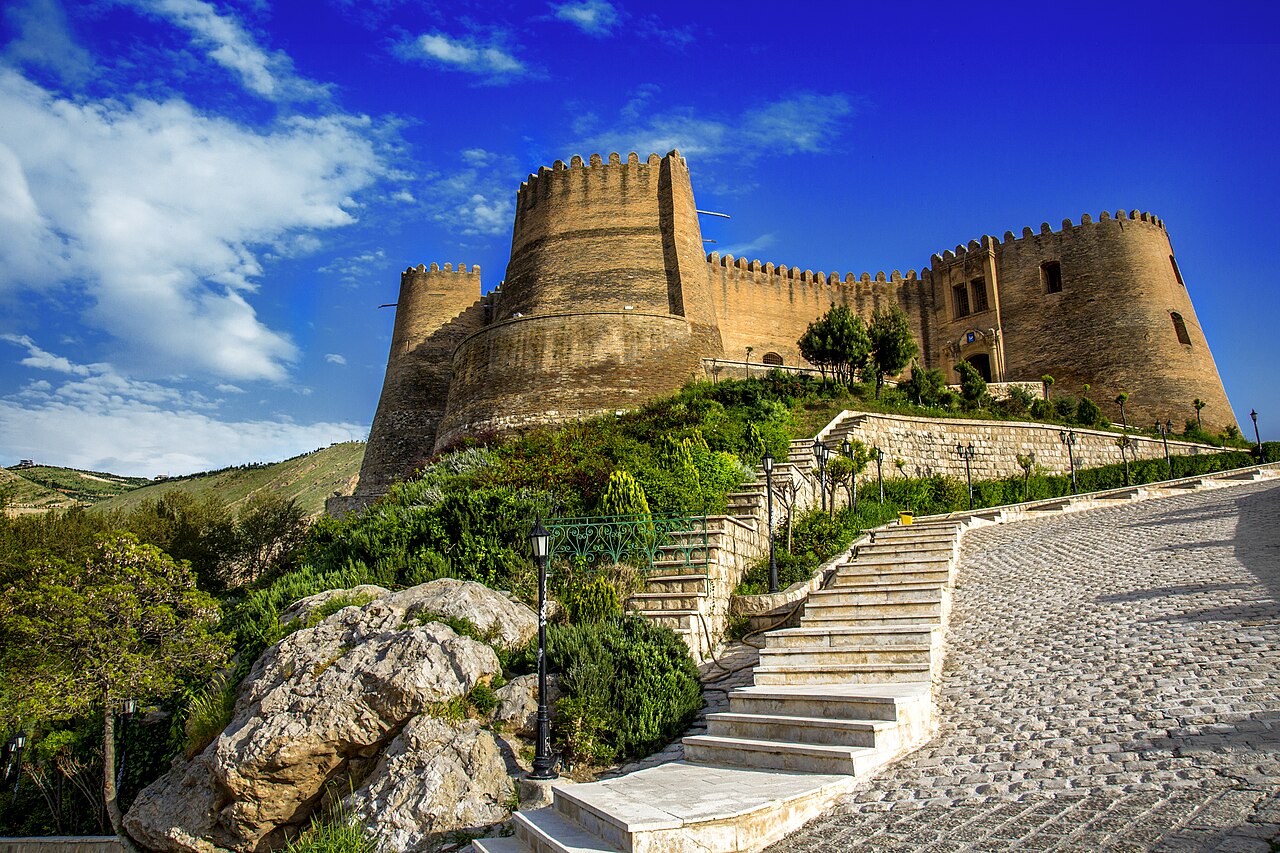
Sheykh Makan Castle is a significant historical fortress situated in the village of Sheykh Makan, within Darreh Shahr County of Ilam Province, Iran. This hill castle stands as a remarkable example of Sasanian military architecture, dating back to the Sasanian Empire period (224–651 AD). The castle's strategic location atop a hill provided commanding views over the surrounding landscape, which was crucial for defense and surveillance during its time.
Historical context and significance
The Sasanian Empire was known for its extensive network of fortifications built to protect its borders and key territories. Sheykh Makan Castle was part of this defensive system in western Iran, guarding important routes and serving as a military outpost. The castle's construction reflects the Sasanian emphasis on strongholds that combined natural topography with man-made fortifications to maximize defensive capabilities.
Registered as a national heritage site of Iran on 8 March 2003, the castle is recognized for its cultural and historical value. It provides insight into the military strategies and architectural innovations of the Sasanian period, which influenced later Islamic fortifications in the region.
Architectural features and layout
Sheykh Makan Castle is characterized by its robust stone walls that follow the contours of the hill, creating an irregular but effective defensive perimeter. The fortifications include battlement walls designed to protect defenders while allowing them to repel attackers. The use of local stone materials not only ensured durability but also helped the castle blend into its natural surroundings.
The castle likely included towers at key points along the walls, serving as lookout posts and strongpoints for defense. Although detailed archaeological studies are limited, typical Sasanian hill castles often featured gatehouses with defensive mechanisms such as narrow entrances and possibly portcullises to control access.
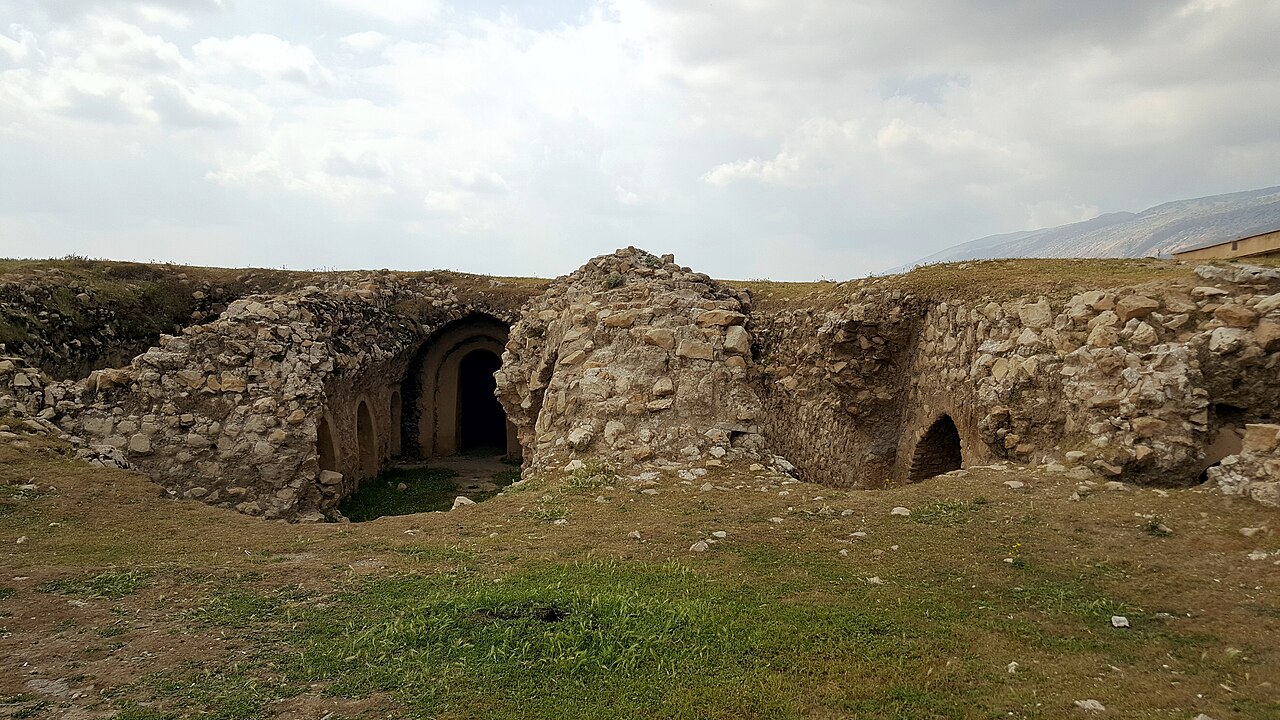
Inside the walls, there would have been courtyards and chambers for troops and supplies, as well as cisterns or water storage facilities to sustain inhabitants during sieges. The castle’s elevated position also allowed for natural drainage and protection against flooding.
Preservation and current condition
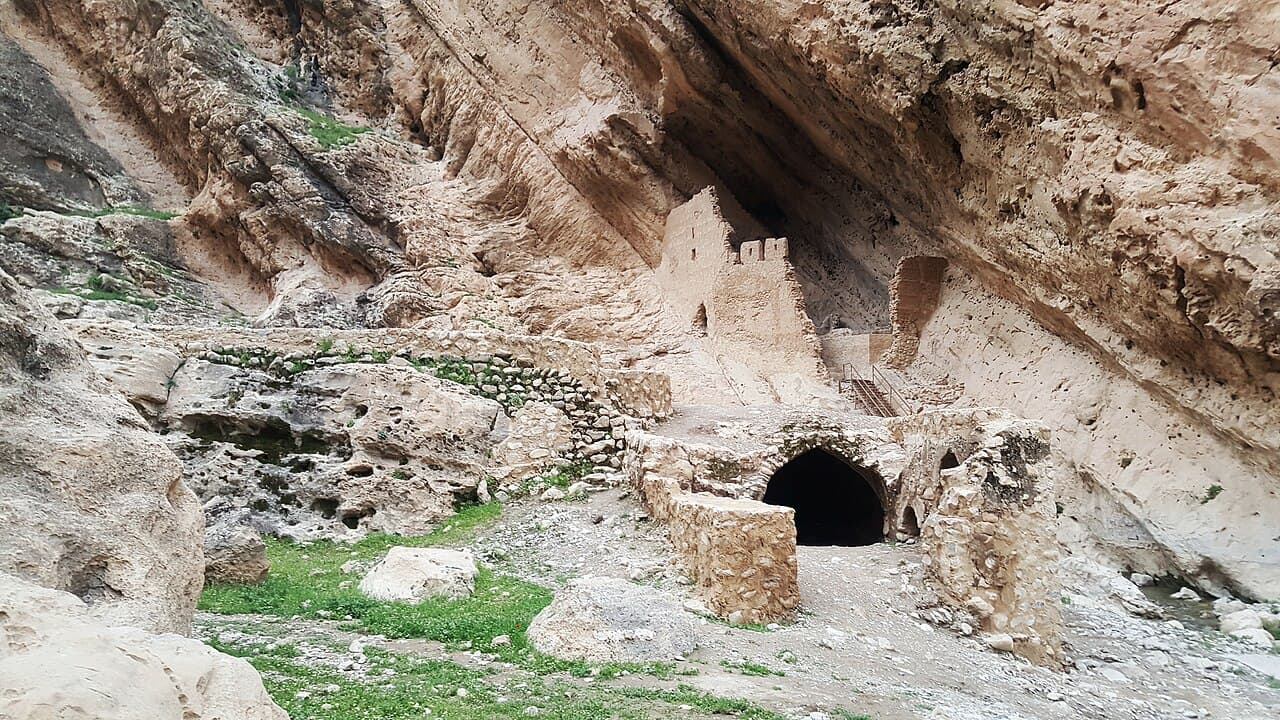
Today, Sheykh Makan Castle remains partially preserved, with many sections of its walls and foundational structures still visible. The site has suffered from natural erosion and human activity over the centuries, but ongoing efforts aim to protect and study the ruins. Its status as a registered national site helps ensure some level of conservation and public awareness.
Visitors to the site can explore the remains of the fortifications and appreciate the strategic ingenuity of Sasanian military architecture. The castle’s location in Ilam Province also offers a glimpse into the broader historical landscape of western Iran, an area rich in ancient cultural heritage.
Sheykh Makan castle in the context of Iranian fortifications
The castle is part of a wider tradition of Iranian hill castles and fortresses that span several historical periods. The Sasanian era was particularly notable for its architectural advancements in military construction, combining solid masonry work with tactical siting. These fortifications often served not only military purposes but also as administrative centers and symbols of imperial power in contested regions.
Sheykh Makan Castle exemplifies these characteristics, offering valuable insights into the defensive strategies employed by the Sasanians against external threats such as Roman and later Arab incursions. Its preservation contributes to understanding the evolution of castle architecture in Iran, bridging ancient and medieval periods.
Frequently asked questions (FAQ)
- When was Sheykh Makan Castle built?
- Sheykh Makan Castle was constructed during the Sasanian Empire period, which lasted from 224 to 651 AD.
- What type of castle is Sheykh Makan Castle?
- Sheykh Makan Castle is classified as a hill castle, built on elevated terrain for strategic defense.
- Where is Sheykh Makan Castle located?
- The castle is located in the village of Sheykh Makan, Darreh Shahr County, within Ilam Province, Iran.
- Is Sheykh Makan Castle open to visitors?
- While the castle is a registered national heritage site, specific visiting hours and facilities may be limited. Visitors should check local resources before planning a visit.
- What is the current condition of Sheykh Makan Castle?
- The castle is partially preserved, with visible remains of walls and foundations, though some areas have suffered erosion over time.
Photo gallery

Information
Loading map...
Visitor reviews
No reviews yet. Been here? Write the first review and help other travelers!
Write the first reviewVisited this castle? Share your experience
Your review helps other travelers and adds first-hand knowledge to our encyclopedia.