Norwich Castle Museum
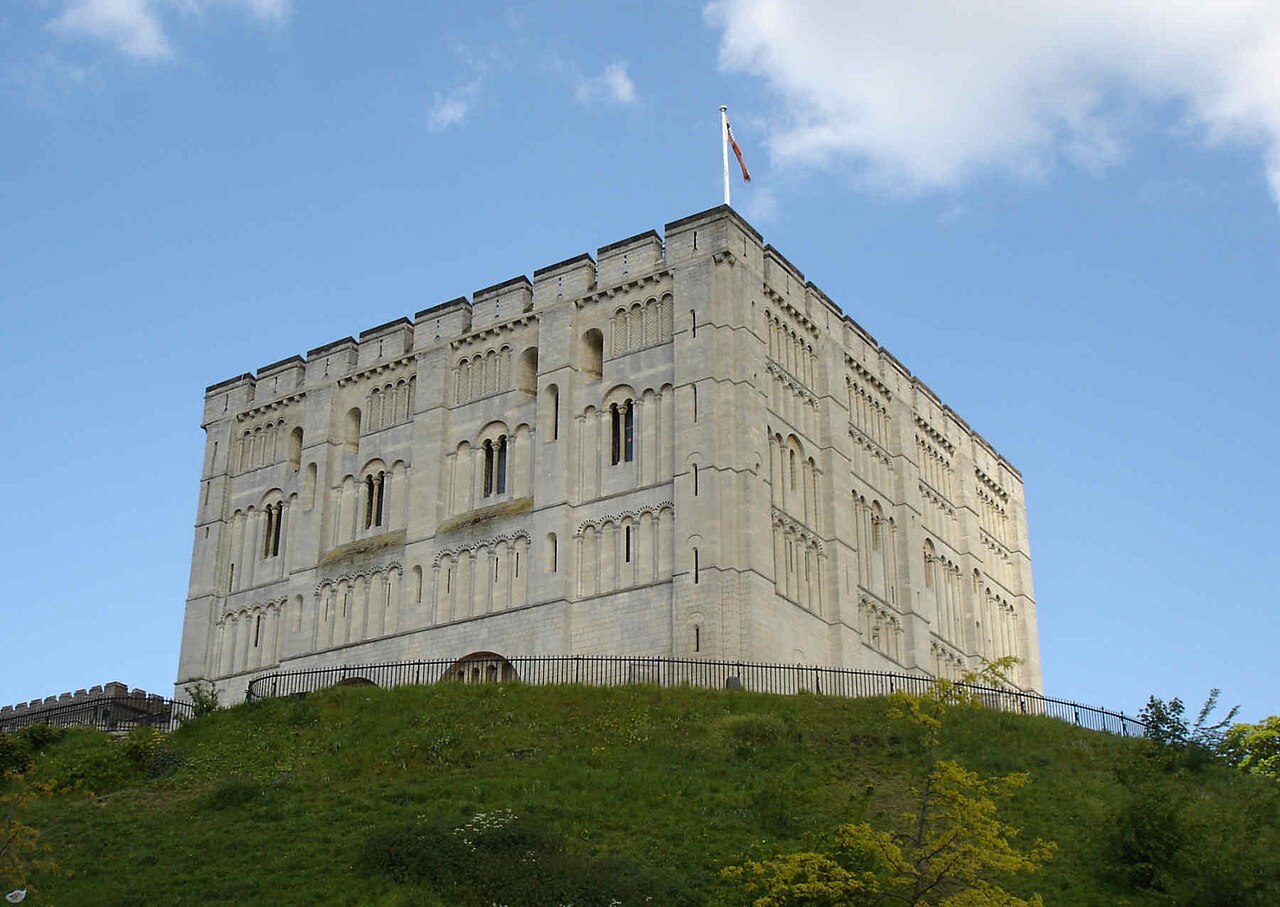
Norwich Castle Museum stands as a striking example of Norman military architecture in England, commanding the skyline of Norwich with its imposing stone keep and formidable curtain walls. Originally constructed by the order of William the Conqueror in the late 11th century, this hill castle was strategically placed to assert Norman control over the region shortly after the conquest of 1066. The castle’s massive keep, built primarily of flint and limestone, is one of the finest surviving examples of Norman military architecture in Britain and reflects the high medieval period’s emphasis on fortification and royal authority.
The earliest construction phases of Norwich Castle began shortly after the Norman invasion, with the demolition of existing Saxon homes on the site to make way for the new fortress. The castle was largely completed by around 1112, during the reign of King Henry I. Although originally intended as a royal palace and stronghold, no Norman monarchs actually resided within its walls. Instead, the castle served multiple roles over the centuries, including a military fortress, administrative center, and eventually a prison.
Architectural significance and design
The castle’s defining feature is its massive stone keep, which rises prominently above the city. This square keep, typical of Norman design, features thick walls with narrow windows and crenellated battlements. The use of local flint combined with Caen stone dressings creates a distinctive appearance. The keep’s interior originally contained grand halls and chambers designed for both defense and residence, although these were adapted over time for other uses.
Surrounding the keep is a substantial curtain wall with defensive towers and a gatehouse, forming a strong perimeter defense. The castle was built on an elevated mound, a classic feature of motte and bailey castles, although Norwich Castle’s stone keep replaced the earlier wooden structures typical of that style. The elevated position provided commanding views over Norwich and the surrounding countryside, vital for defense and control.
Historical roles and transformations
From royal fortress to county gaol
Following its initial role as a royal fortress, Norwich Castle was adapted extensively for use as the county jail from the medieval period onwards. The castle’s robust construction made it an ideal location for imprisonment, and it housed felons, debtors, and other prisoners for several centuries. During this time, many internal modifications were made to accommodate prison cells, including the installation of iron bars and secure doors.
Conversion into a museum
In the late 19th century, the prison functions of Norwich Castle were discontinued. The Norwich City Council purchased the castle and undertook a significant restoration and conversion project. Many of the prison-era additions were removed to reveal and preserve the Norman architectural features. In 1894, Norwich Castle reopened as a public museum, dedicated to showcasing the region’s rich history, archaeology, and art collections.
Collections and cultural importance
Today, Norwich Castle Museum hosts an extensive range of exhibits, including archaeological artifacts from Norfolk and East Anglia, fine art collections, and displays on natural history. The museum’s galleries feature items spanning from prehistoric times through the Roman period to the medieval and modern eras. The castle itself is a heritage landmark, attracting visitors interested both in its architectural grandeur and its role in England’s history.
Notable features within the museum
- Norman keep interior: Visitors can explore the restored great hall and chambers, gaining insight into medieval castle life.
- Archaeology galleries: Exhibits include Roman coins, Anglo-Saxon artifacts, and medieval weaponry.
- Fine art collections: The museum holds paintings and decorative arts from various periods, highlighting regional artistic heritage.
- Natural history displays: Showcasing local flora and fauna, these exhibits complement the historical narrative.
Visitor experience and practical information
Norwich Castle Museum is a key cultural attraction in Norwich, offering visitors a unique combination of medieval architecture and diverse museum collections. The castle’s elevated position provides panoramic views of the city, enhancing the visitor experience. The museum offers educational programs, guided tours, and special exhibitions throughout the year.
Visitors should check the official museum website for up-to-date information on opening hours and ticket prices. The castle is accessible by public transport and is located near the city center, making it convenient for tourists exploring Norwich.
Frequently asked questions (FAQ)
- What is the historical significance of Norwich Castle?
- Norwich Castle is a prime example of Norman military architecture built in the 11th century to assert control over East Anglia after the Norman Conquest.
- Can I visit the Norman keep inside Norwich Castle Museum?
- Yes, visitors can explore the restored Norman keep, including the great hall and chambers, which offer insight into medieval castle life.
- When was Norwich Castle converted into a museum?
- The castle was converted into a museum in 1894 after the city council purchased it and removed many prison-era modifications.
- What types of collections does Norwich Castle Museum have?
- The museum features archaeological artifacts, fine art collections, and natural history exhibits covering regional history from prehistoric to modern times.
- Is Norwich Castle Museum accessible to visitors with disabilities?
- Yes, the museum provides accessibility features including ramps and lifts to accommodate visitors with disabilities.
- What are the opening hours and ticket prices for Norwich Castle Museum?
- The museum is open daily from 10:00 to 17:00. Ticket prices are approximately £10 for adults and £6 for children.
Information
Opening hours
10:00-17:00, daily
Ticket prices
£10 adult, £6 child
Current owner
Norwich City Council
Website
Visit websiteSources & official resources
Verify the information above using these authoritative references.
Loading map...
Visitor reviews
No reviews yet. Been here? Write the first review and help other travelers!
Write the first reviewVisited this castle? Share your experience
Your review helps other travelers and adds first-hand knowledge to our encyclopedia.