Furumiya Castle — Japan castle

Furumiya Castle

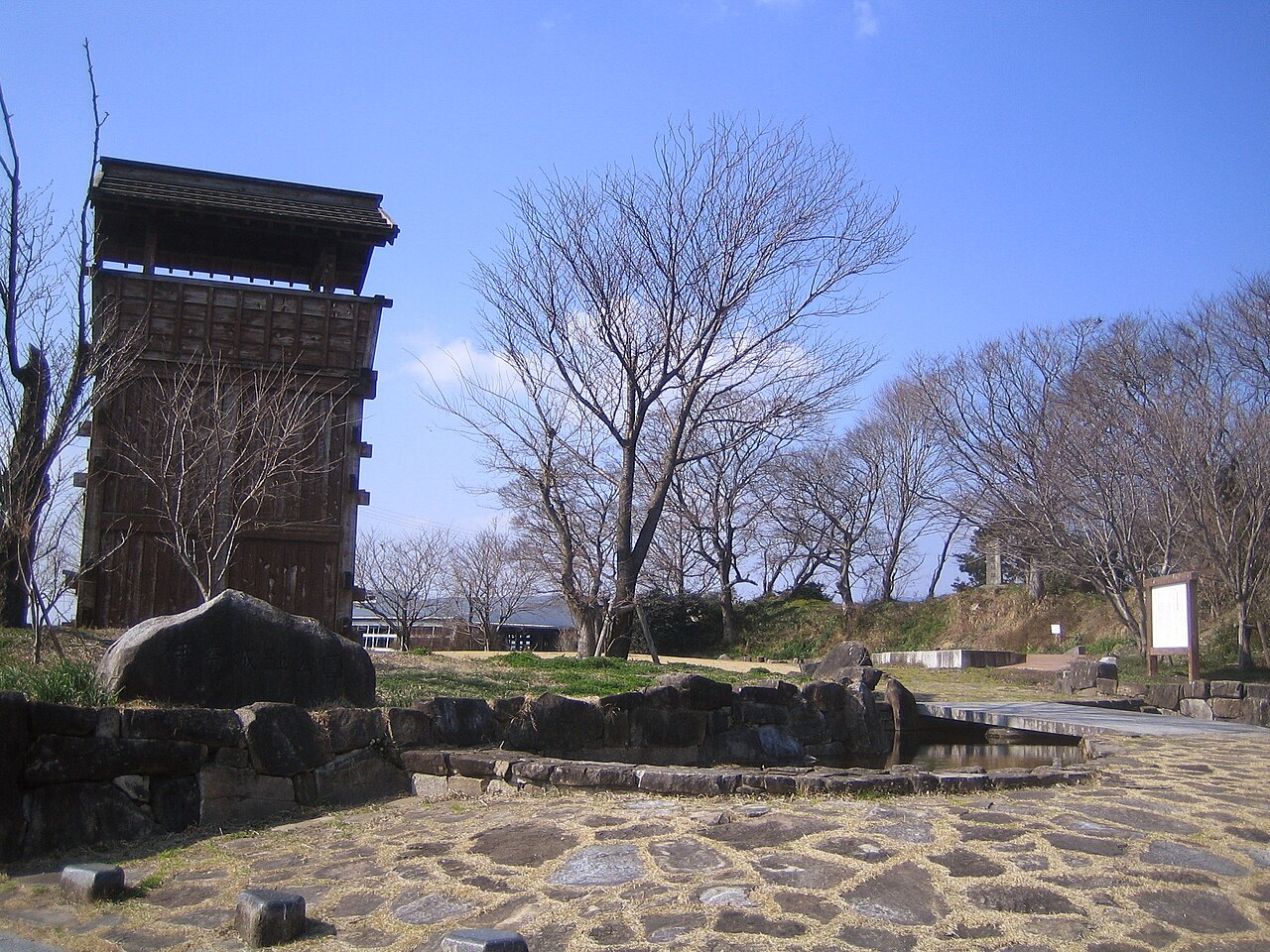
Furumiya Castle in Shinshiro, Aichi Prefecture
Shinshiro, Japan
Late Medieval (14th–15th c.)
Ruins

Furumiya Castle (古宮城, Furumiya-jō) is a historic Japanese castle ruin located in Shinshiro, Aichi Prefecture, Japan. Constructed during the 16th century, this castle was built by Baba Nobuharu, a prominent general under the famous warlord Takeda Shingen. The castle played a strategic role during the turbulent Sengoku period, a time marked by frequent military conflicts and territorial disputes among feudal lords.

Historical background and significance

Furumiya Castle was established as part of Takeda Shingen's efforts to consolidate his power in the region. Baba Nobuharu, one of Shingen's trusted generals, was responsible for overseeing the castle's construction and defense. The castle's location in Shinshiro was strategically chosen to control important routes and to serve as a military stronghold during the ongoing conflicts of the Sengoku period.

While the castle itself was not the site of any major battles that are widely recorded, its presence contributed to the regional security and military network established by the Takeda clan. The castle's role was primarily defensive, aimed at protecting Takeda territories from rival clans and facilitating troop movements.

Architectural features and layout

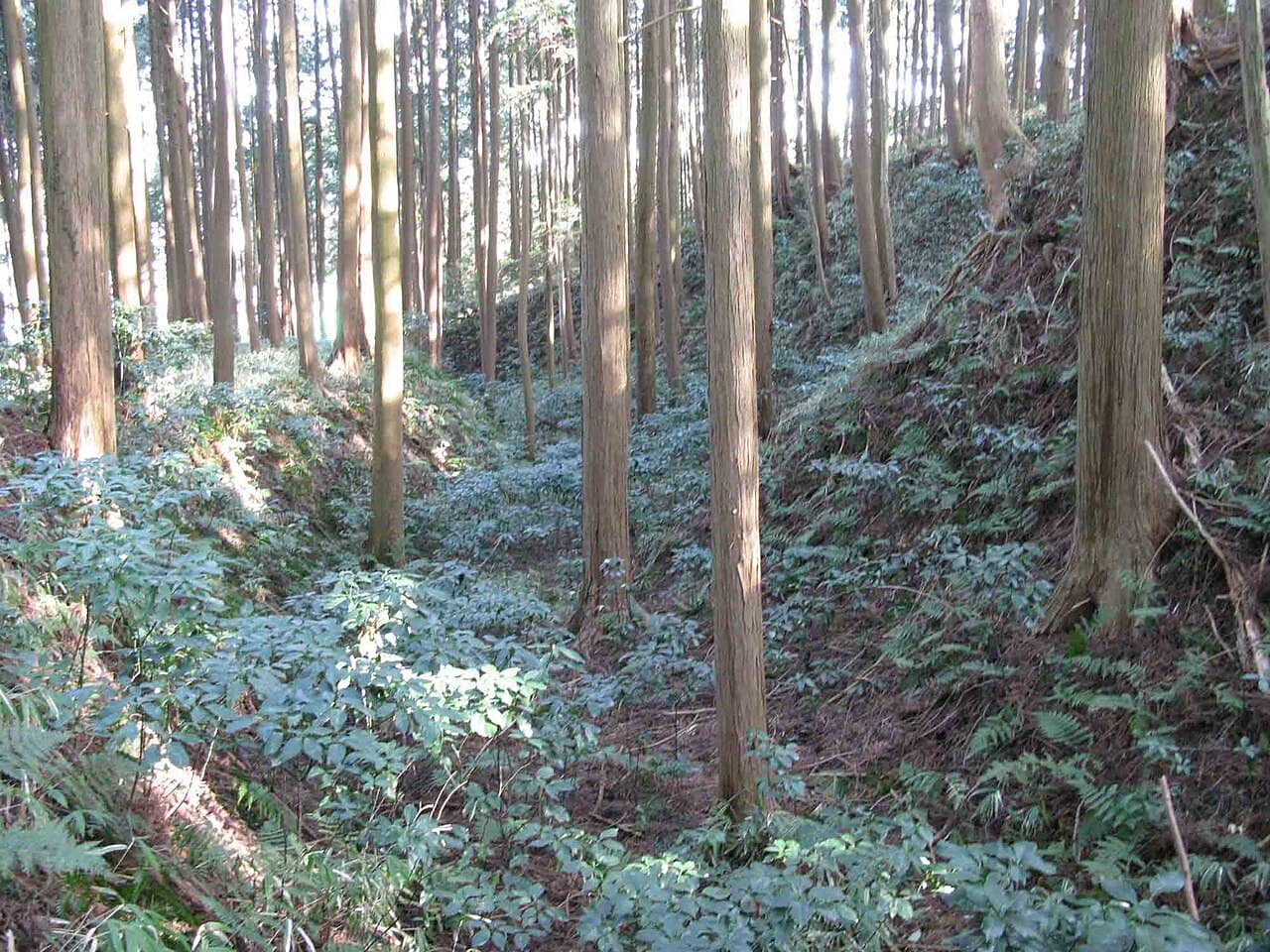
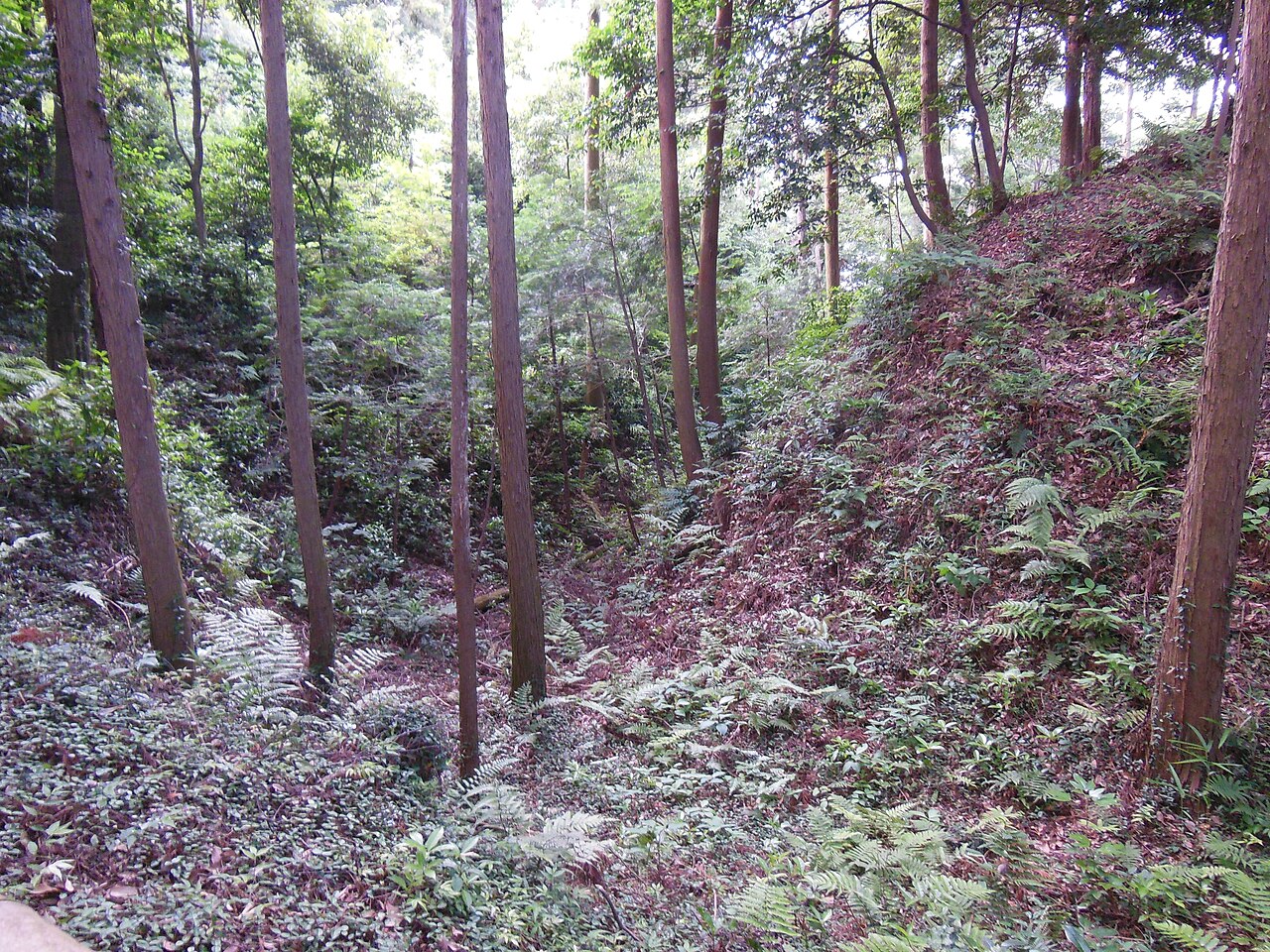
Furumiya Castle was constructed primarily as a hilltop fortress, typical of many Japanese castles of the period, designed to utilize natural terrain for defense. Although much of the original structure has been lost over time, archaeological remains reveal key features such as moats and earthworks that once formed the castle's defensive perimeter.

The castle likely included wooden buildings and watchtowers built atop stone foundations, common in Sengoku-era castles. The surviving earthworks indicate the presence of multiple baileys (courtyards) arranged to create layers of defense. The moats, although now partially filled or eroded, were essential for deterring invaders and controlling access.

Current condition and preservation

Today, Furumiya Castle remains in a state of ruins, with only remnants of its original moats and earthworks visible. No significant above-ground structures survive, but the site is recognized for its archaeological value. The castle ruins are protected and have been designated as an important cultural heritage site in the region.

In 2017, Furumiya Castle was listed among the Continued Top 100 Japanese Castles, a recognition that highlights its historical and cultural importance despite its ruined condition. Visitors to the site can explore the earthworks and moats, gaining insight into the defensive strategies employed during Japan's feudal era.

Visiting Furumiya Castle

The castle site is accessible to the public, offering a quiet and reflective experience for those interested in Japanese history and castle architecture. While there are no reconstructed buildings, the natural landscape and remaining fortifications provide a tangible connection to the past.

Visitors are encouraged to explore the surrounding area of Shinshiro, which features other historical sites and natural attractions. Interpretive signs at the site help contextualize the ruins, explaining the castle's role in regional history and the broader Sengoku period.

Frequently asked questions (FAQ)

What is the historical significance of Furumiya Castle?
Furumiya Castle, built in the late 15th century, served as a strategic military fortress during the Sengoku period. It played a crucial role in regional power struggles and has become an important symbol of local heritage and history in Shinshiro.
When was Furumiya Castle constructed?
Furumiya Castle was constructed in 1495 by the Matsudaira clan. It underwent several renovations and expansions over the centuries, reflecting the architectural styles and military needs of the time.
How do I get to Furumiya Castle?
Furumiya Castle is accessible by public transportation, with the nearest train station being Shinshiro Station. From the station, you can take a local bus or a taxi to reach the castle grounds.
What are the opening hours for Furumiya Castle?
Furumiya Castle is open to visitors from 9 AM to 5 PM daily. However, it's advisable to check for any seasonal changes or special closures before your visit.
Can I enter the castle grounds for free?
Yes, the entrance to the castle grounds is free of charge. However, there may be a small fee for guided tours or access to specific areas during special events.
Is Furumiya Castle accessible for visitors with disabilities?
Yes, Furumiya Castle is equipped with facilities to assist visitors with disabilities. Ramps and accessible pathways are available to ensure everyone can enjoy the site.
What is the best time to visit Furumiya Castle?
The best time to visit Furumiya Castle is during the cherry blossom season in spring (March to April) or the fall foliage season (November). These periods offer stunning views and a picturesque backdrop for your visit.
Are there any nearby attractions to visit after Furumiya Castle?
Yes, nearby attractions include the Shinshiro City Museum and the scenic Toyokawa Inari Shrine. Both sites offer additional insights into the region's culture and history.
What are the ticket prices for guided tours at Furumiya Castle?
Guided tours at Furumiya Castle typically cost around 500 yen per person. Group discounts are available, making it an affordable option for families or school groups.

Photo gallery

Furumiya Castle
Click to view

Photo by 投稿者が撮影•Public domain

1 photo • Click any image to view in full screen

Information

Archaeological Site / Ruins

Loading map...

Visitor reviews

No reviews yet. Been here? Write the first review and help other travelers!

Write the first review

Visited this castle? Share your experience

Your review helps other travelers and adds first-hand knowledge to our encyclopedia.
Write a review

(5/5)

0/2000 characters

Your review will be visible after admin approval

Nearby castles

10.7 km
Noda Castle — Japan castle

Noda Castle

Shinshiro, Japan

Noda Castle (野田城, Noda-jō) was a significant Sengoku period hill castle located in eastern Mikawa Province, in the area now part of Shinshiro city, Aichi Prefecture, Japan. Constructed in the 16th century, it played a strategic role during the turbulent era of feudal conflict known as the Sengoku period, a time marked by frequent battles among regional warlords vying for power. Historical context and significance During the Sengoku period, Japan was fragmented into numerous domains controlled by powerful samurai clans. Noda Castle was constructed as a defensive stronghold to protect the eastern approaches of Mikawa Province, a region of strategic importance due to its location between the powerful Oda and Tokugawa clans. The castle's position on a hill provided a commanding view of the surrounding terrain, allowing its occupants to monitor enemy movements and prepare for potential sieges. The castle was involved in several military engagements, reflecting the volatile nature of the period. It notably faced attacks during the conflicts between the Imagawa clan and the rising Tokugawa clan, who sought to consolidate control over Mikawa and neighboring provinces. These clashes underscored the castle's role as a frontline defense in the power struggles that ultimately led to the unification of Japan under Tokugawa Ieyasu. Architectural features and layout Noda Castle exemplified typical hill castle design of the Sengoku era, integrating the natural topography into its defensive structures. The castle's layout included multiple baileys (courtyards) arranged on terraced levels ascending the hill, connected by narrow paths and fortified gates. These baileys were surrounded by earthen walls and moats, enhancing the castle's defensive capabilities against attackers. The main enclosure housed the honmaru, or central keep area, which contained the lord's residence and command facilities. Although no large stone donjon (keep) was typical for many hill castles of this period, wooden structures were common, often rebuilt or expanded as needed. Defensive features such as watchtowers, arrow slits, and stone bases supported the castle's ability to withstand sieges. Use of natural terrain The castle's builders skillfully utilized the steep slopes and ridges of the hill to create natural barriers, reducing the need for extensive artificial fortifications. Steep cliffs and dense forests around the site further hindered enemy advances, making direct assaults costly and difficult. This strategic use of terrain was a hallmark of many Sengoku period hill castles, reflecting an understanding of both military tactics and local geography. Decline and current condition Following the establishment of the Tokugawa shogunate in the early 17th century, many regional castles like Noda Castle lost their military importance. The castle was eventually abandoned and fell into ruin as Japan entered the relatively peaceful Edo period. Today, the site of Noda Castle remains as archaeological ruins, with remnants of earthworks and foundation stones visible to visitors. Efforts have been made to preserve the site as a cultural heritage location, providing insight into the castle architecture and feudal history of the Sengoku period. Interpretive signs and walking trails allow visitors to explore the terrain and imagine the castle's former strategic significance. Visiting Noda Castle The ruins of Noda Castle are accessible to the public and offer a glimpse into Japan's feudal past. Visitors can hike the hillside paths to view the layout of the former castle grounds and enjoy panoramic views of the surrounding landscape. The site is particularly attractive to those interested in Japanese castle architecture, military history, and the Sengoku era. Nearby, the city of Shinshiro provides amenities and additional historical sites, making it a worthwhile destination for cultural tourism. Frequently asked questions about Noda Castle When was Noda Castle built? Noda Castle was constructed in the 16th century during the Sengoku period, a time of intense feudal warfare in Japan. What type of castle is Noda Castle? It is classified as a hill castle, built on elevated terrain to maximize natural defenses. Can visitors explore the ruins of Noda Castle? Yes, the site is open to the public, with walking trails and informational signage to guide visitors around the remains. What was the strategic importance of Noda Castle? The castle guarded eastern Mikawa Province and played a role in conflicts between powerful samurai clans such as the Imagawa and Tokugawa. Is there a large keep or donjon at Noda Castle? No large stone keep survives or was typical; the castle mainly featured wooden structures integrated into its hilltop defenses. What is the current condition of Noda Castle? The castle exists as archaeological ruins with visible earthworks and foundation stones preserved for historical study. How do I get to Noda Castle? Noda Castle is located in Shinshiro, Aichi Prefecture, accessible by local transport and hiking routes.

Renaissance (15th–17th c.)
Details
13.2 km
Nagashino Castle — Japan castle

Nagashino Castle

Shinshiro, Japan

Nagashino Castle stands as a significant historical site located in Shinshiro, Japan, known primarily for its pivotal role in the Battle of Nagashino in 1575. Constructed in 1508 by Suganuma Motonari, the castle was strategically positioned at the confluence of the Ure River and Kansa River. These natural barriers provided formidable defense advantages, characteristic of many lowland castles built during Japan's turbulent Sengoku period. The castle's early history is intertwined with the fortunes of the Suganuma clan, who were retainers of the powerful Takeda clan. However, control of Nagashino Castle shifted to forces loyal to the Tokugawa clan, reflecting the complex and shifting allegiances of the era. The castle's most renowned moment came during the Battle of Nagashino, when the castle was under the lordship of Okudaira Sadamasa. In 1575, the castle was besieged by the forces of Takeda Katsuyori, a key figure in the period's military conflicts. The battle that changed Japanese warfare The Battle of Nagashino is celebrated as a turning point in Japanese military history, marking the first large-scale use of firearms in battle. The allied forces of Oda Nobunaga and Tokugawa Ieyasu came to the castle's defense, employing innovative tactics that would revolutionize warfare in Japan. Notably, Oda's troops constructed multiple wooden stockades to protect their arquebusiers from the famed Takeda cavalry charges. These stockades effectively blunted the cavalry's impact, allowing the gunners to fire in rotating volleys, maintaining a continuous barrage that devastated the attacking forces. This battle demonstrated the tactical advantage of firearms when properly integrated into battlefield strategy, signaling a move away from traditional hand-to-hand combat dominated by swords and spears. The success of these tactics at Nagashino influenced subsequent military engagements and the broader course of Japanese warfare during the late medieval and renaissance periods. Architectural features and strategic location While Nagashino Castle was a lowland castle, its location at the meeting point of two rivers was a deliberate choice to maximize natural defenses. The rivers served as natural moats, complicating direct assaults and channeling enemy movements. The castle's fortifications would have included typical Sengoku period features such as earthen walls, wooden palisades, and possibly watchtowers to oversee the surrounding terrain. Unfortunately, the physical remains of the castle are limited today. Only a few remnants of the original structures survive, primarily earthworks and foundations. Despite the scarcity of ruins, the site retains significant cultural value due to its historical importance. Present-day site and visitor experience Visitors to Nagashino Castle ruins can explore a small museum that houses numerous artifacts recovered from the castle grounds and the battle site. The museum provides valuable context about the castle's history, the battle, and the samurai culture of the era. There is also a historical walking trail around the town of Shinshiro, marked by signs indicating locations of former samurai residences, gates, and sections of the castle. While the trail offers insight into the castle's layout and the lifestyle of its inhabitants, much of the experience involves interpreting these markers in a modern residential setting rather than viewing extensive original structures. The castle ruins are accessible to visitors traveling between other regional attractions, such as Takane Castle and Toyohashi. Although the remains are modest, the site holds a special place in Japanese history as the location of a battle that heralded the modernization of warfare in Japan. Historical significance and legacy Nagashino Castle is remembered less for its architectural grandeur and more for its role as the stage for a transformative military engagement. The Battle of Nagashino is often cited by historians as the first example of effective combined arms tactics in Japan, integrating firearms with traditional forces to overcome a formidable cavalry opponent. This battle influenced the strategic thinking of future daimyo and contributed to the eventual unification of Japan under the Tokugawa shogunate. The castle's legacy endures in military history and cultural memory, symbolizing the shift from medieval to early modern warfare in Japan. Preservation challenges The limited preservation of Nagashino Castle is partly due to the passage of time and the nature of its construction materials, which were primarily wood and earth. Unlike stone castles found in other regions, these materials have not withstood centuries of weathering and redevelopment. Efforts to maintain the site focus on archaeological research, museum curation, and public education rather than structural restoration. This approach helps preserve the historical narrative and artifacts while acknowledging the physical site's fragile state.

Renaissance (15th–17th c.)
Details
21.6 km
Ina Castle — Japan castle

Ina Castle

Toyokawa, Japan

Ina Castle (伊奈城, Inajō) is a historic hill castle located in the Kozakai area of Toyokawa city in Aichi Prefecture, Japan. Constructed in the 15th century during the late medieval period, it represents a significant example of Japanese castle architecture from that era. Historical background and significance Built in the 15th century, Ina Castle was established during a time of frequent military conflicts known as the Sengoku period, when many regional lords fortified their domains. The castle's strategic location on a hill provided natural defensive advantages, allowing its occupants to monitor surrounding territories and control important routes in the region. Ina Castle played a role in the local power struggles typical of the late medieval period in Japan. While not as large or famous as some contemporaneous castles, it contributed to the network of fortifications that helped maintain control over the area within Aichi Prefecture. Architectural features and layout The castle exemplifies typical hill castle design, utilizing the natural topography to enhance defense. Its layout likely included multiple baileys (courtyards) arranged on terraces ascending the hill, connected by gates and walls designed to slow attackers. Key architectural elements would have included stone walls and wooden structures such as watchtowers and residential buildings. Defensive features might have also incorporated moats or dry ditches, common in Japanese castles of the period, to impede enemy advances. Defensive structures The castle's elevated position allowed for strong natural defenses. The use of earthen ramparts and stone fortifications would have been critical in repelling sieges. Gates were strategically placed to create choke points, and lookout towers provided extensive views of the surrounding landscape. Current condition and preservation Today, Ina Castle is classified as ruins. While much of the original wooden architecture has not survived, remnants of stone foundations, walls, and earthworks remain. These ruins offer valuable insights into the castle's original structure and the defensive strategies employed. The site is accessible to visitors interested in Japanese history and castle architecture. It serves as a cultural heritage location, reflecting the military and architectural practices of the late medieval period. Visiting Ina Castle Visitors to the site can explore the castle ruins and enjoy views from the hilltop. The location in Toyokawa city makes it accessible for those touring Aichi Prefecture and interested in historical sites beyond the more famous castles. Nearby attractions The region around Ina Castle includes other historical sites and natural attractions, providing a broader context for those interested in Japan's feudal history and landscape.

Late Medieval (14th–15th c.)
Details