No Man's Land Fort
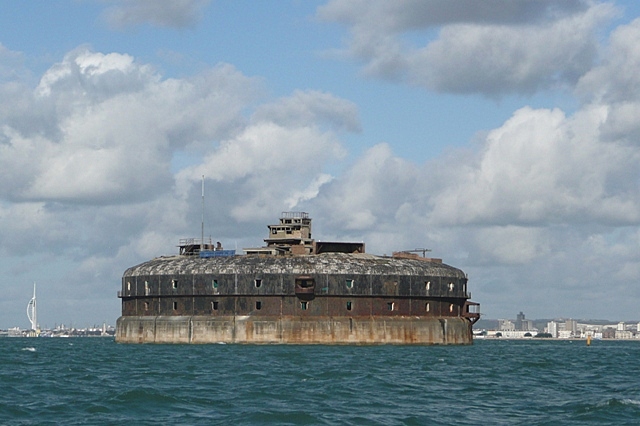
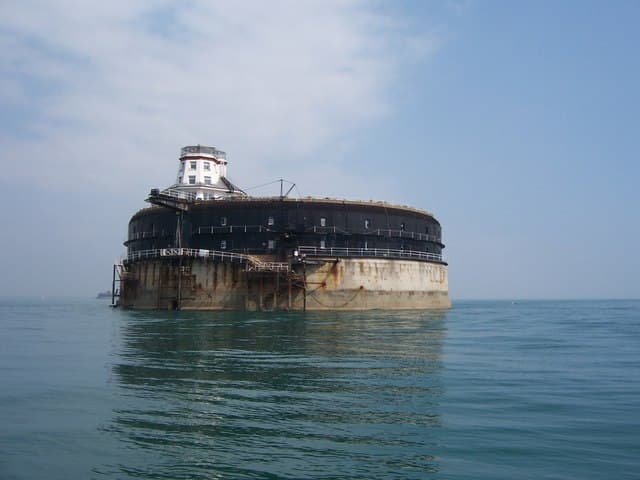
No Man's Land Fort, also known as No Man's Fort, is a notable example of a 19th-century bastioned fortress located in the Solent, the strait separating the Isle of Wight from the mainland of England. Situated approximately 1.4 miles (2.3 km) off the coast of the Isle of Wight, this sea fort was constructed as part of a wider network of coastal defenses known as the Palmerston Forts. These forts were built following the recommendations of the 1859 Royal Commission on the Defence of the United Kingdom, commissioned by then-Prime Minister Lord Palmerston to protect key naval ports from potential French invasion threats during the Victorian era.
Historical context and purpose
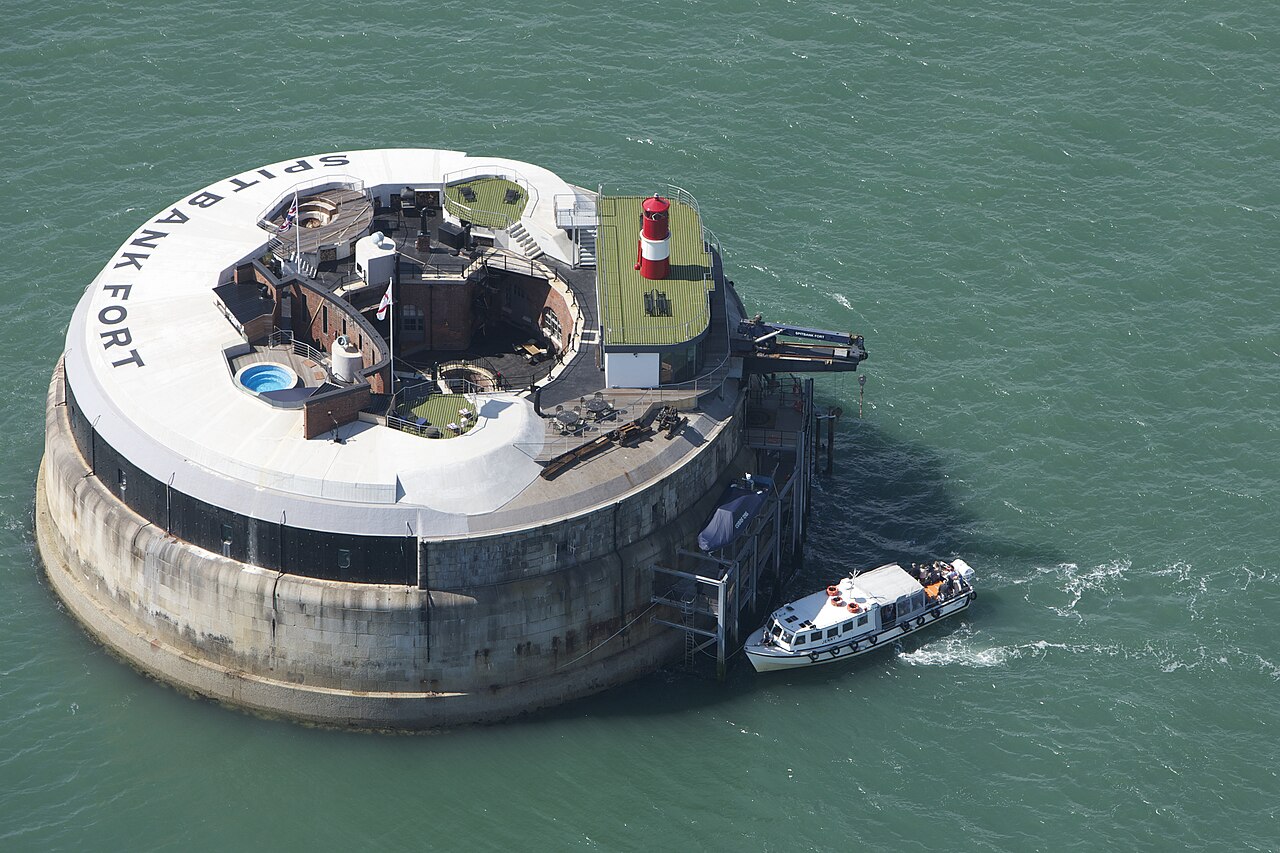
The construction of No Man's Land Fort began in 1867 and was completed by 1880. Its primary purpose was to defend the important naval base at Portsmouth from seaborne attacks, particularly from enemy warships attempting to enter the Solent and threaten the British fleet. The fort was strategically positioned to control the shipping lanes and provide overlapping fields of fire with other nearby forts, such as Horse Sand Fort and Spitbank Fort.
Architectural design and features
No Man's Land Fort is a circular sea fort with a diameter of approximately 200 feet (61 meters). It is classified as a bastioned fortress, a style characterized by angular bastions projecting from the main walls designed to cover adjacent walls with defensive gunfire. The fort's design reflects the military engineering principles of the Victorian era, emphasizing heavy artillery placement, thick masonry walls, and a low profile to minimize exposure to enemy fire.
The fort's structure includes a central parade ground surrounded by casemates and gun emplacements. Its thick granite and concrete walls were built to withstand bombardment from contemporary naval artillery. The fort was originally armed with a variety of heavy guns mounted on the roof and within the casemates, intended to engage enemy ships at range.
Construction materials and techniques
The fort was constructed using robust materials such as granite blocks and concrete, chosen for their durability against marine conditions and artillery fire. The foundations were laid on the seabed, requiring advanced engineering techniques for underwater construction in the 19th century. The masonry work was carefully executed to ensure stability and resistance to the harsh marine environment of the Solent.
Operational history and later use
No Man's Land Fort remained an active military installation through the late 19th and early 20th centuries. However, advances in naval technology and changing military strategies gradually rendered such sea forts obsolete. The fort was decommissioned as a defensive structure in the mid-20th century.
In recent decades, No Man's Land Fort has been repurposed for civilian use, including private ownership and commercial ventures. It has been converted into a unique venue offering accommodation and event spaces, capitalizing on its historic character and distinctive location.
Significance and preservation
No Man's Land Fort is an important part of Britain's coastal defense heritage. It exemplifies the Victorian era's military engineering and the strategic concerns of the time. While no longer serving a military function, the fort remains a well-preserved example of a bastioned sea fort and attracts interest from historians, architects, and visitors fascinated by maritime defense history.
Its preservation as a historic structure allows insight into the evolution of coastal fortifications and the technological responses to 19th-century naval threats. The fort's location and design continue to make it a distinctive landmark in the Solent.
Frequently asked questions (FAQ)
- How do I visit No Man's Land Fort?
- No Man's Land Fort is privately owned and access is typically by prior arrangement. Visitors can reach the fort by boat, often through organized tours or private charters from Portsmouth or the Isle of Wight.
- What was the primary purpose of No Man's Land Fort?
- The fort was built to defend the naval base at Portsmouth from seaborne attacks, controlling the Solent's shipping lanes with heavy artillery.
- When was No Man's Land Fort constructed?
- Construction began in 1867 and was completed in 1880 as part of the Palmerston Forts network following the 1859 Royal Commission.
- What architectural features define No Man's Land Fort?
- It is a circular bastioned fortress with thick granite and concrete walls, gun emplacements, and a central parade ground, designed to withstand naval bombardment.
- Is No Man's Land Fort open to the public?
- The fort is privately owned and not generally open to the public, but it can sometimes be visited during special events or by booking private tours.
Photo gallery

Information
Current owner
Private owner
Loading map...
Visitor reviews
No reviews yet. Been here? Write the first review and help other travelers!
Write the first reviewVisited this castle? Share your experience
Your review helps other travelers and adds first-hand knowledge to our encyclopedia.