Nimrod Fortress
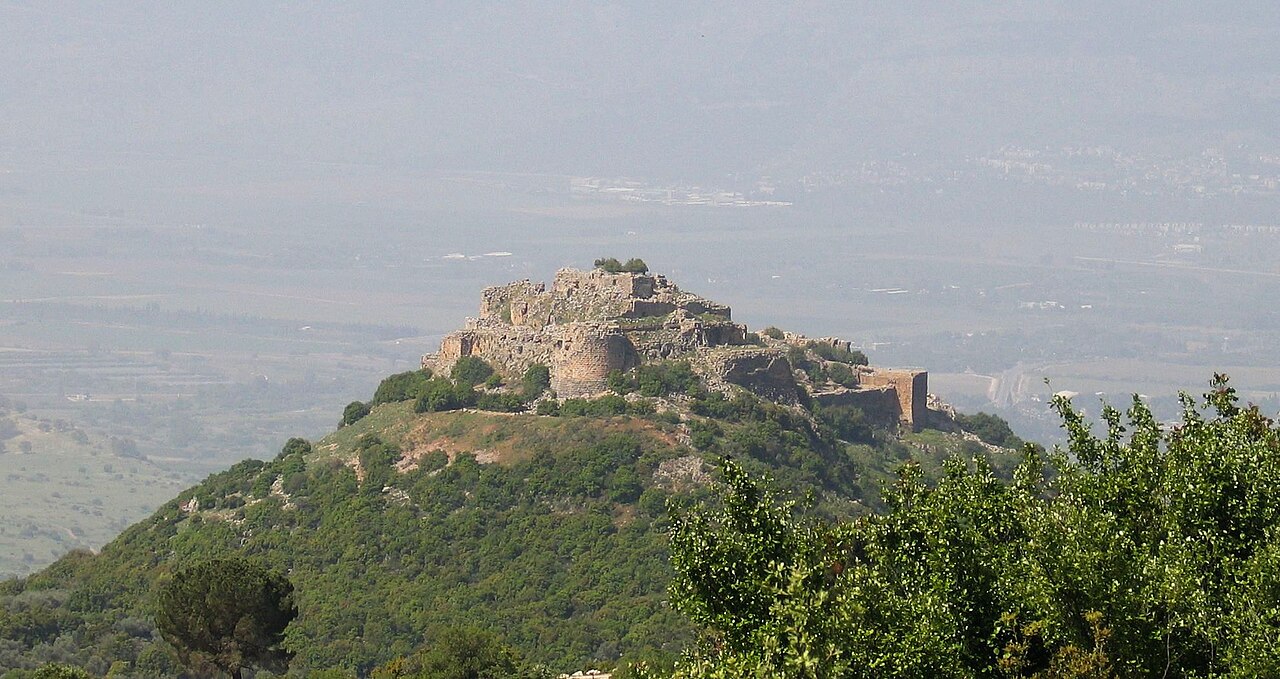
Nimrod Fortress, perched in the foothills of Mount Hermon in the Golan Heights, stands as a monumental testament to the turbulent history of the Crusades and the shifting powers of the medieval Levant. This imposing bastioned fortress was strategically constructed to guard the northernmost reaches of the Holy Land, overlooking key mountain passes and routes that were vital for controlling the region.
The fortress derives its name from the biblical figure Nimrod, the legendary hunter who, according to local tradition, once inhabited this summit. While the name evokes ancient myth, the fortress itself is a product of the High to Late Medieval period, reflecting the military and architectural innovations of the 13th century.
Historical context and strategic importance
During the Crusades, the Levant was a focal point of conflict between Christian Crusader states and Muslim powers, including the Ayyubids and later the Mamluks. By the late 12th century, after the death of the famed Muslim leader Saladin in 1193, his nephew Al-Aziz Othman sought to consolidate control over the region. Recognizing the strategic necessity of a formidable stronghold in the Golan Heights, he commissioned the construction of Nimrod Fortress between 1227 and 1230.
The fortress was designed to withstand sieges and attacks, particularly anticipating the return of Crusader forces under Frederick II, Holy Roman Emperor. Its location atop a steep cliff provided natural defenses, while its massive walls and bastions were engineered to repel both infantry and siege engines.
Architectural features and military design
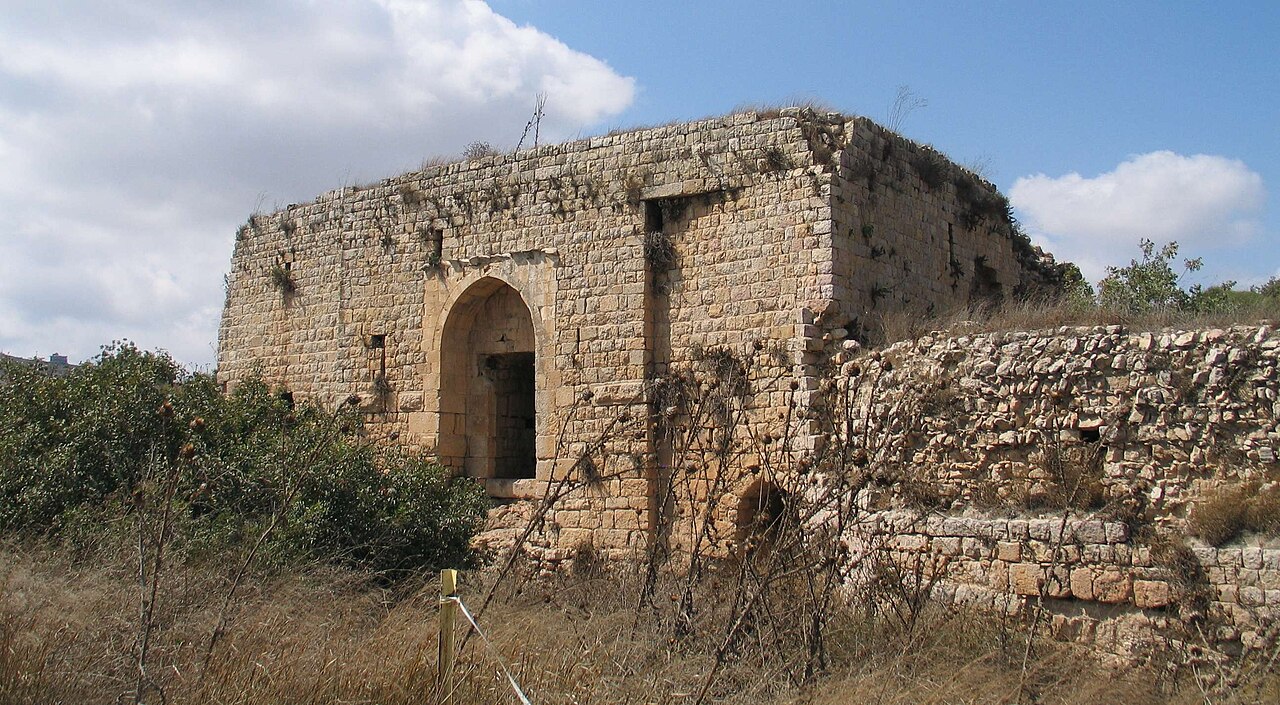
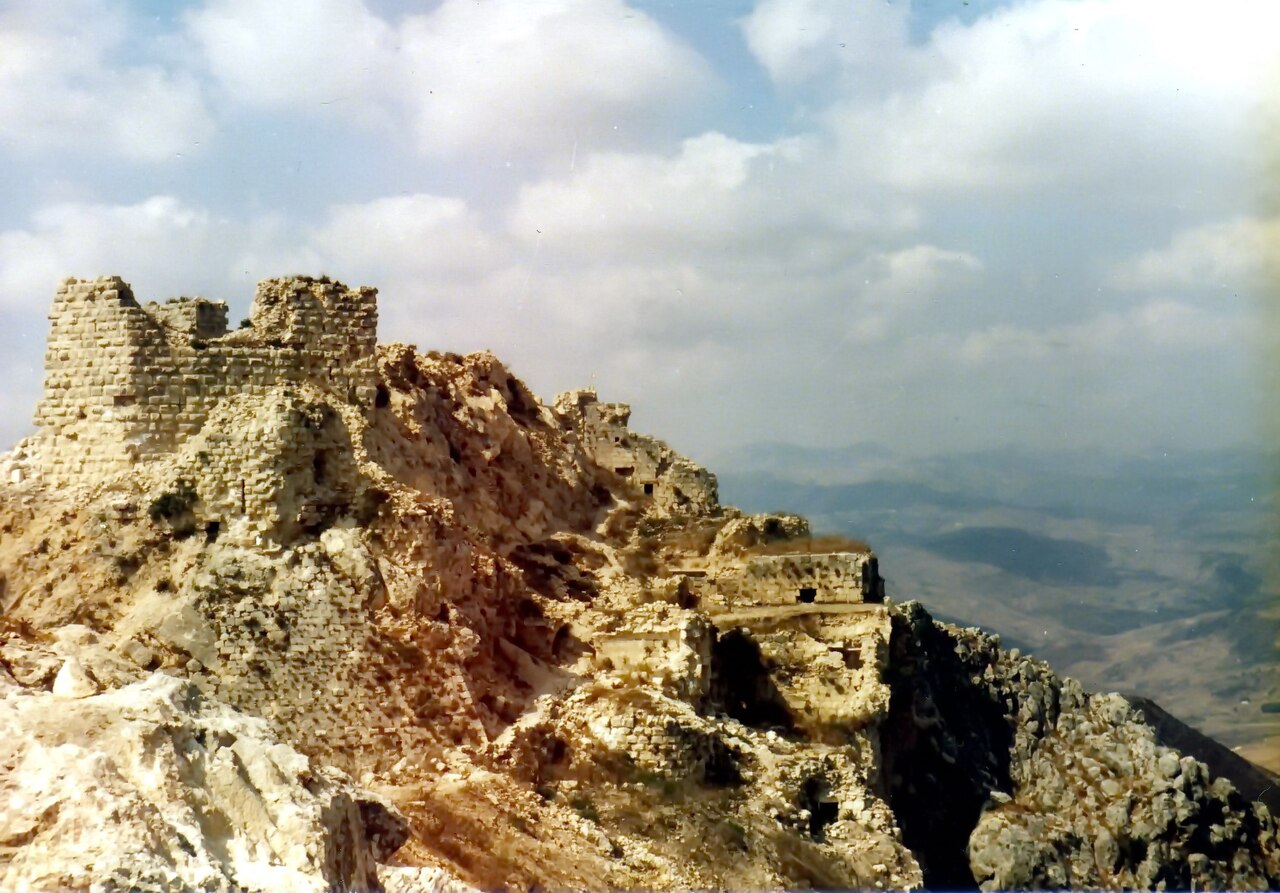
Nimrod Fortress is an exemplary model of a bastioned fortress—a style that incorporates projecting bastions allowing defenders to cover adjacent walls with crossfire, eliminating blind spots. The fortress’s design includes multiple concentric defensive walls, robust gatehouses, and towers strategically positioned to maximize defensive coverage.
The fortress is constructed primarily from local basalt stone, lending it a dark, formidable appearance that blends with the rocky landscape. Its walls feature crenellated battlements and arrow slits, enabling archers to defend the fortress effectively. The complex includes a large central keep, barracks, storage facilities, cisterns for water supply, and a chapel, reflecting the multifunctional nature of the fortress as both a military and administrative center.
The lion of baibars and mamluk enhancements
Following its initial construction by the Ayyubids, Nimrod Fortress changed hands multiple times. It briefly fell under Mongol control before being captured by the Mamluks. The Mamluk Sultan Baibars, renowned for his military prowess and campaigns against the Crusaders, significantly expanded and reinforced the fortress. His contributions are commemorated by Arabic inscriptions praising his leadership and a distinctive stone carving of the Lion of Baibars, a symbol of his reign and strength.
Baibars’s enhancements included strengthening the bastions, improving the water supply system, and adding additional defensive layers to adapt to evolving siege technologies. These improvements helped maintain the fortress’s strategic relevance well into the late medieval period.
Sieges and military engagements
Nimrod Fortress withstood several notable sieges, including attacks by Crusader forces led by King Louis IX of France. Despite the intensity of these assaults, the fortress’s robust construction and strategic location allowed it to resist capture for extended periods. Its resilience exemplifies the military engineering advancements of the era and the importance of the fortress in regional power struggles.
Cultural and heritage significance
Today, Nimrod Fortress is a significant archaeological and historical site, attracting scholars, tourists, and enthusiasts of medieval military architecture. Its ruins offer valuable insights into the Crusader and Mamluk periods, showcasing the blend of architectural styles and defensive innovations that characterized the era.
The fortress’s location in the Golan Heights adds to its geopolitical and cultural significance, symbolizing centuries of conflict, cultural exchange, and the enduring legacy of medieval fortifications in the Middle East.
Visiting nimrod fortress
Visitors to Nimrod Fortress can explore the extensive ruins, including the well-preserved walls, towers, and gatehouses. The site provides panoramic views of the surrounding landscape, including Mount Hermon and the valleys below, enhancing its appeal as a destination for history and nature enthusiasts alike.
Interpretive signage and guided tours help contextualize the fortress’s history, architecture, and role during the Crusades and Mamluk period. The site is accessible year-round, though visitors are advised to wear sturdy footwear due to the rugged terrain.
Frequently asked questions (FAQ)
- When was Nimrod Fortress built and by whom?
- Nimrod Fortress was constructed between 1227 and 1230 by Al-Aziz Othman, the nephew of Saladin, to defend the northern borders of the Ayyubid Sultanate.
- What architectural style characterizes Nimrod Fortress?
- Nimrod Fortress is a bastioned fortress featuring robust defensive walls, multiple bastions, and a central keep, reflecting military architectural innovations of the late medieval period.
- Can visitors explore Nimrod Fortress today?
- Yes, Nimrod Fortress is open to visitors who can explore its extensive ruins, including towers, walls, and gatehouses, with panoramic views of the Golan Heights.
- Why is the Lion of Baibars significant at Nimrod Fortress?
- The Lion of Baibars is a carved stone symbol at Nimrod Fortress commemorating Sultan Baibars, who expanded and reinforced the fortress during the Mamluk period.
- What role did Nimrod Fortress play during the Crusades?
- Nimrod Fortress served as a critical defensive stronghold for the Ayyubids against Crusader forces, enduring multiple sieges and symbolizing the struggle for control in the Holy Land.
Information
Website
Visit websiteSources & official resources
Verify the information above using these authoritative references.
Loading map...
Visitor reviews
No reviews yet. Been here? Write the first review and help other travelers!
Write the first reviewVisited this castle? Share your experience
Your review helps other travelers and adds first-hand knowledge to our encyclopedia.