Bolaman Castle
Bolaman Castle, locally known as Bolaman Kalesi, is a remarkable historic fortress located in the town of Bolaman within the Ordu Province of Turkey. This hill castle occupies a strategic rocky peninsula that extends into a bay along the Black Sea coast. Its location was once an island at the mouth of the Bolaman stream, which was later connected to the mainland by sedimentary deposits, enhancing its natural defensive advantages. The castle’s complex history spans from ancient Hellenistic times through Byzantine and Ottoman periods, reflecting a unique blend of architectural styles and functions.
The origins of Bolaman Castle are somewhat enigmatic, with no direct mentions in medieval sources. However, archaeological and architectural evidence suggests that the fortress was initially constructed during the era of the Kingdom of Pontus, an ancient Hellenistic state that flourished along the Black Sea coast. This early construction likely served as a coastal watchpoint and defensive stronghold to protect the settlement from maritime threats. The castle’s stone walls and layout also indicate significant Byzantine influence, suggesting that it was either built or extensively modified as a Byzantine fortification.
Historical evolution and architectural layers
Ancient and medieval origins
The site’s earliest known structure is a chapel within the castle grounds, built in a basilica form typical of the 13th or 14th century. This chapel, constructed from yellow limestone characteristic of the Halibya region, features a cruciform plan unique in the area. Its rectangular hall and pentagonal apse reflect religious architectural trends of the Byzantine period. The interior walls were once adorned with frescoes, now obscured by whitewash, and architectural modifications such as bricked-up doors and windows hint at changes in use and adjoining structures over time.
Ottoman transformation
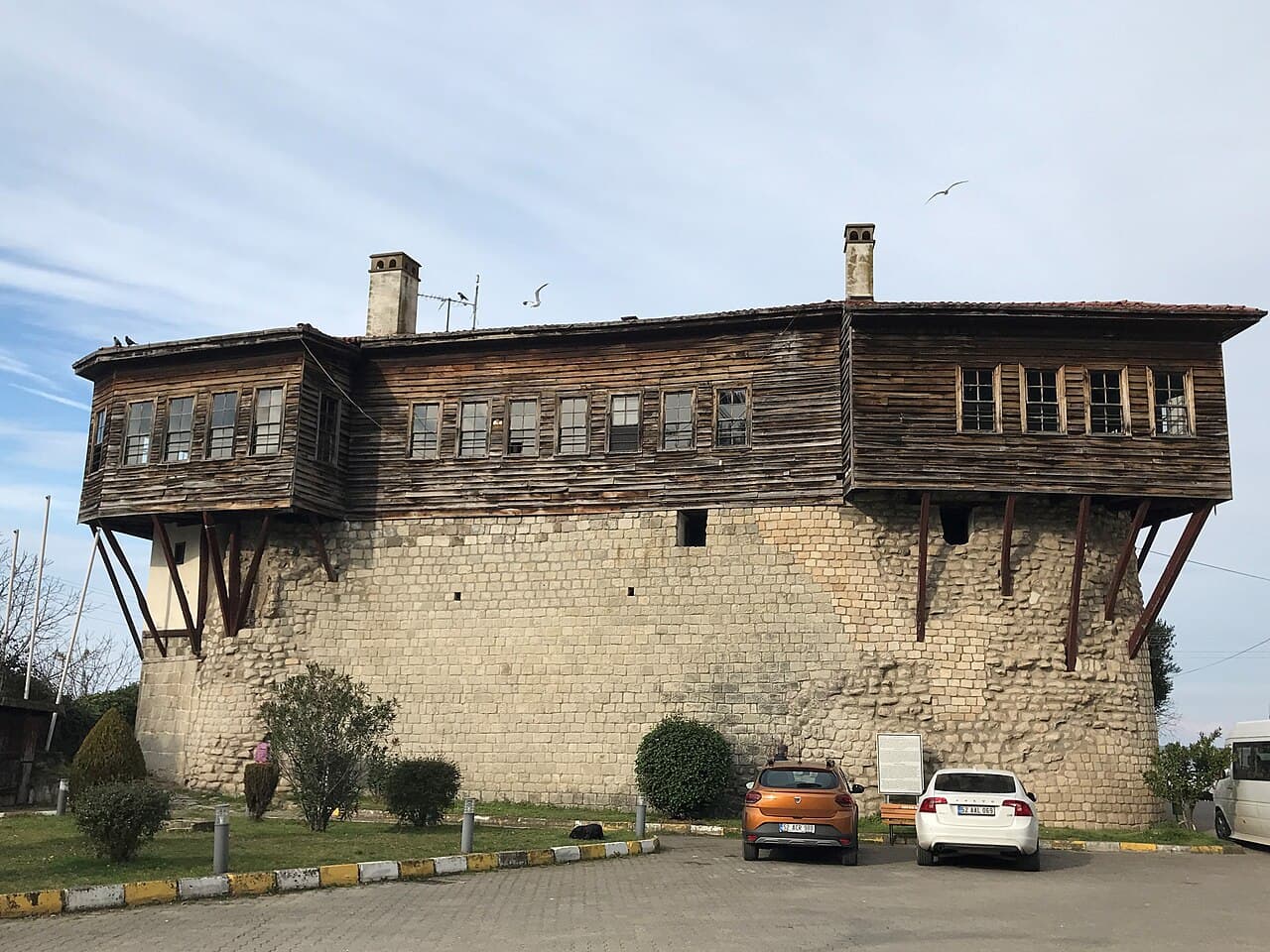
In the early 19th century, the castle underwent significant adaptation when the interior of the chapel and fortress were partially filled in to accommodate new structures. Among these was the Haznedaroğlu Mansion, a wooden guesthouse built by a local noble family. This addition introduced Ottoman architectural elements to the site, including two prominent bay windows and a residential design contrasting with the fortress’s stone walls. The mansion served as a residence for the local bey and later functioned as a guesthouse, blending hospitality with the castle’s defensive origins.
Structural features and defensive design
Walls and fortifications
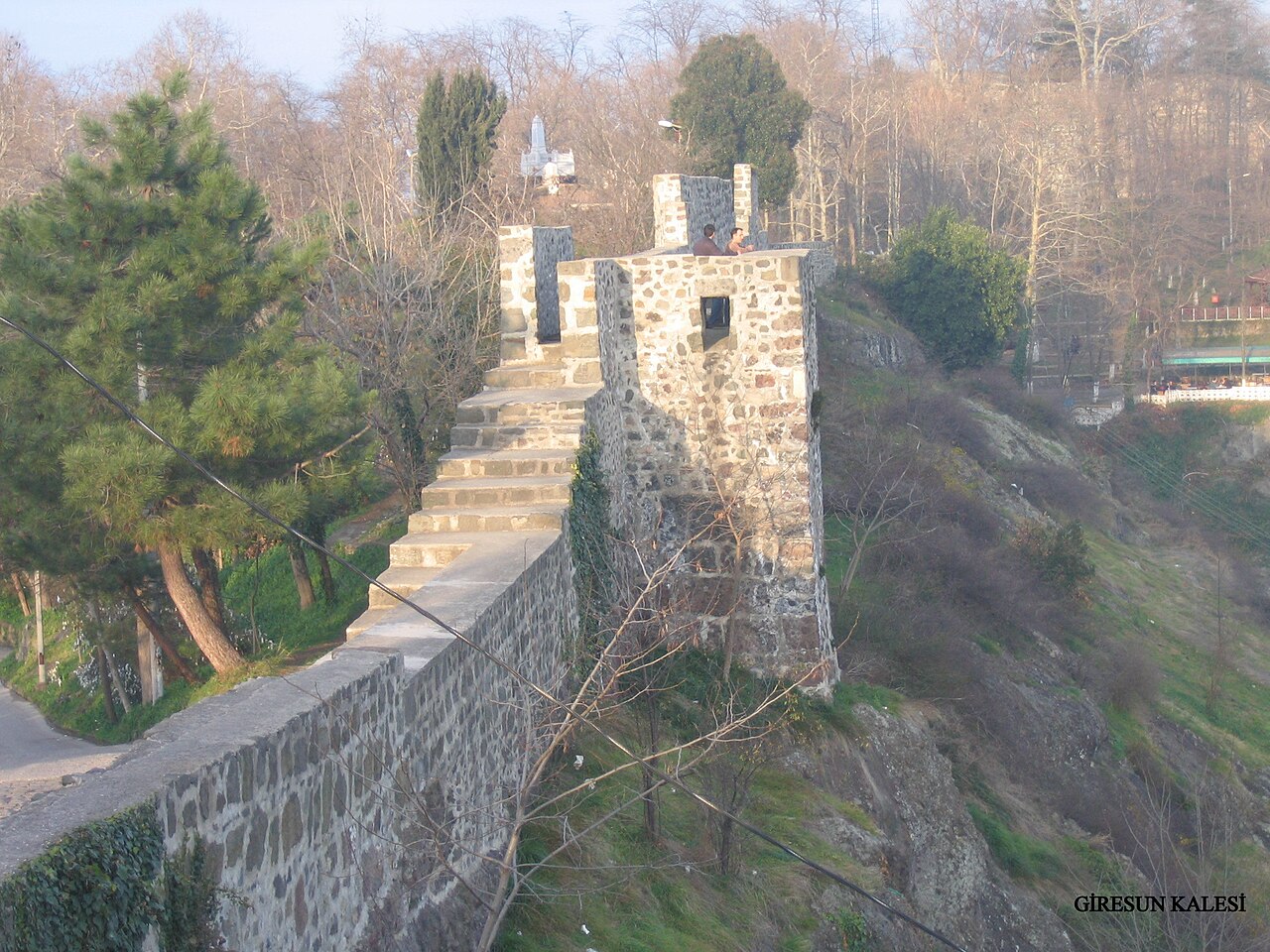
Bolaman Castle is enclosed by two concentric ashlar stone walls, known for their carefully dressed and closely fitted appearance. These walls form a fortified courtyard and are reinforced by watchtowers along the outer perimeter, providing excellent vantage points for surveillance of both land and sea approaches. The inner walls, particularly on the southern side facing the mainland, stand approximately six meters high, underscoring the fortress’s defensive capability.
Chapel and religious architecture
The chapel within the castle is a significant architectural and historical feature. Its basilica form and cruciform layout are rare in the region, indicating the religious importance of the site during the Byzantine era. The bricked-up openings and adjoining walls suggest that the chapel was once part of a larger complex, possibly integrated into the fortress’s defensive structures or serving a monastic function.
Modern history and preservation efforts
20th-century adaptations and restorations
During the 1930s, the chapel was adapted for use as a mosque, reflecting the changing religious and cultural landscape of the region. In the late 20th century, the fortress had fallen into disrepair, and there were plans to demolish it to construct a school, which were ultimately abandoned. Restoration efforts began with support from the Turkish Ministry of Culture and Tourism to preserve this historic site.
Recent developments and current status
From 2009, the castle complex housed a regional cuisine restaurant named “Haznedaroğlu Mansion,” continuing the tradition of adaptive reuse. In 2020, management of the site was transferred to the local municipality of Fatsa, with plans to convert the castle into a city museum. This initiative aims to showcase the rich history and cultural heritage of the Ordu region through the preservation and interpretation of Bolaman Castle.
Visitor information and accessibility
Today, Bolaman Castle is partially restored but remains a complex of private residences, limiting public access. Although some sources mention its past use as a small hotel and restaurant, it is generally not open for regular tourist visits. The castle’s unique combination of ancient, medieval, and Ottoman architectural elements, along with its scenic coastal location, make it a significant cultural landmark in the Black Sea region.
Cultural significance
Bolaman Castle stands as a testament to the layered history of the Black Sea coast, illustrating the transition from Hellenistic and Byzantine military architecture to Ottoman residential use. Its preservation contributes to understanding the region’s strategic importance and cultural evolution over centuries.
Frequently asked questions (FAQ)
- What is the historical significance of Bolaman Castle?
- Bolaman Castle, dating back to the Byzantine era, played a crucial role in the defense against invasions along the Black Sea. It has witnessed numerous historical events and changes in ownership, reflecting the rich tapestry of Turkish history.
- When was Bolaman Castle built?
- The construction of Bolaman Castle is believed to have begun in the 10th century and was expanded upon during the Byzantine and Ottoman periods. Its architecture showcases the military engineering techniques of its time.
- What are the opening hours for Bolaman Castle?
- Bolaman Castle is typically open to visitors from 9 AM to 6 PM, though hours may vary seasonally. It's a good idea to check the official website or local tourism information for the most current visiting times before your trip.
- Can I take photographs inside Bolaman Castle?
- Yes, visitors are allowed to take photographs throughout Bolaman Castle, both inside and outside. Capturing the stunning views and intricate details of the architecture is highly encouraged.
- Is it possible to access Bolaman Castle by public transport?
- Yes, Bolaman Castle is accessible via local public transport options, including buses and minibusses that connect to the nearby town of Bolaman. Once in Bolaman, it's a short walk to the castle itself.
- What is the best time to visit Bolaman Castle?
- The best time to visit Bolaman Castle is during the spring and fall months when the weather is mild and pleasant for exploring. Summer can be quite hot, while winter may bring colder temperatures that could affect your visit.
- Are there any nearby attractions to visit along with Bolaman Castle?
- In addition to Bolaman Castle, visitors can explore the beautiful Bolaman Beach and the charming village of Bolaman. The surrounding area also offers scenic hiking trails and opportunities to experience local culture.
- How much do tickets cost to enter Bolaman Castle?
- Entrance to Bolaman Castle is generally affordable, with ticket prices around 20 Turkish Lira for adults. Discounts may be available for students and children, so be sure to ask at the ticket office.
- How do I get to Bolaman Castle from the nearest city?
- To reach Bolaman Castle from the nearest city, Ordu, you can take a bus or drive, which takes about 30 minutes. Follow the coastal road for scenic views along the Black Sea, making your journey enjoyable.
Photo gallery

Information
Loading map...
Visitor reviews
No reviews yet. Been here? Write the first review and help other travelers!
Write the first reviewVisited this castle? Share your experience
Your review helps other travelers and adds first-hand knowledge to our encyclopedia.