Niemcza
Niemcza Castle stands as a significant historical monument in Niemcza, Poland, embodying centuries of architectural evolution and regional history. Its origins trace back to the early medieval period, with evidence of settlement in the area dating as far back as the 5th century. Initially, the site was a fortified stronghold belonging to the Ślężan tribe, serving as a strategic defensive position on the northern edge of an elongated hill.
Following the incorporation of Silesia into the realm of the first Piast dynasty rulers in the 10th century, a robust castellany was established here. This early medieval fortification was notable for its unique combination of wooden-earth ramparts and a rare sloping stone palisade, a defensive feature uncommon in the region at the time. The castle's strategic location and formidable defenses were proven during its heroic resistances against sieges, notably in 1017 during an invasion by the forces of the German Emperor Henry II, and again in 1093 when it withstood a Czech assault.
Medieval transformation and fortification
In the latter half of the 13th century, under the direction of Duke Bolko I of Świdnica, the original wooden stronghold was replaced by a stone castle. Although the exact architectural details of this castle remain uncertain, it likely featured an irregular plan adapted to the contours of the earlier fortifications. One of the few surviving records from this period mentions the construction of a chapel within the castle grounds in 1288, underscoring its dual role as both a military and residential site.
By around 1282, Niemcza had been granted town rights by Duke Henry IV Probus, which marked its growing importance. Toward the end of the 13th century, the town was enclosed by defensive walls that were integrated with the castle's fortifications, enhancing the overall security of the settlement. In 1311, Niemcza became part of the Duchy of Legnica-Brzeg, a significant political entity in Silesia.
The castle and town suffered destruction during the Hussite Wars in 1430, but reconstruction efforts in the mid-15th century restored and possibly expanded the castle's structures, reflecting the ongoing military and administrative needs of the region.
Renaissance rebuilding and architectural evolution
The late 16th century brought a major transformation to Niemcza Castle under the initiative of Duke George II of Brzeg. Around 1585, the castle was rebuilt into a multi-winged Renaissance residence under the guidance of the renowned architect Bernard Niuron. This renovation introduced a regularized architectural layout and richly decorated facades adorned with sgraffito decorations, a hallmark of Renaissance style in Silesia.
The castle's interiors and external appearance were significantly enhanced, reflecting the tastes and status of its noble owners. During the turbulent first half of the 17th century, the castle's hill was fortified with modern bastion-style fortifications to adapt to new military technologies and threats.
Despite these efforts, Niemcza Castle endured substantial damage during the Thirty Years' War, including its capture in 1633 by forces under General Wallenstein. The war left many Silesian castles in ruins, and Niemcza was no exception.
Later history and preservation challenges
Following the death of the last male Piast duke, George William, in 1675, Niemcza came under direct Habsburg rule for nearly seven decades. In the early 18th century, specifically between 1712 and 1724, a chapel dedicated to Saint Hedwig was constructed in the southern part of the castle courtyard, adding to its religious and cultural significance.
A devastating fire in 1735 caused extensive damage to the castle hill, leading to further rebuilding efforts. However, by 1830, renovations had removed the last visible Gothic and Renaissance elements, significantly altering the castle's historic character.
Additional restoration work was carried out in 1927. After World War II, the castle's interiors were repurposed for industrial use, housing clothing factories, which impacted the preservation of its historical fabric. In the 1960s, the castle hill experienced structural instability, resulting in the demolition of the Saint Hedwig chapel due to landslides.
Architectural features and current state
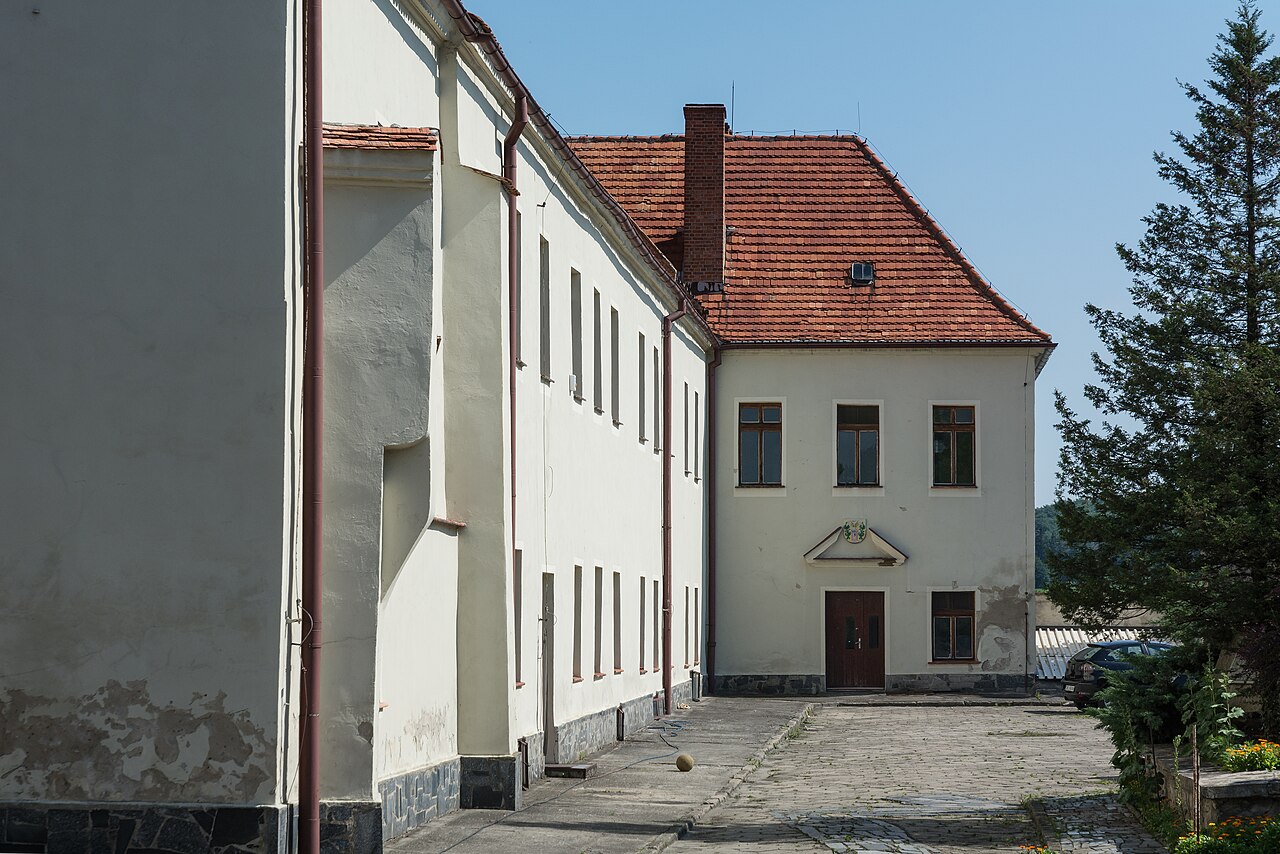
Today, Niemcza Castle comprises two-story buildings arranged around an irregular internal courtyard. The defensive features that once defined the castle, such as battlements and fortification walls, are no longer visible, reflecting its transformation from a military fortress to a residential and administrative complex over the centuries.
The castle's layered history, from its early medieval origins through Renaissance grandeur and modern challenges, makes it a fascinating subject for study. Its location on a hilltop provided strategic advantages that influenced its design and historical role in the region.
Historical significance in silesian heritage
Niemcza Castle played a pivotal role in the defense and administration of Silesia, witnessing key historical events including sieges, political transitions, and architectural developments. Its endurance through wars and reconstructions exemplifies the resilience of Silesian cultural heritage.
Visiting and cultural importance
While the castle no longer retains its original defensive structures, it remains a prominent landmark in Niemcza. Its restored condition and historical layers attract visitors interested in medieval and Renaissance architecture, as well as regional history.
Frequently asked questions (FAQ)
- What is the historical significance of Niemcza Castle?
- Niemcza Castle, dating back to the 13th century, is a crucial part of Poland's medieval history. It served as a stronghold and administrative center, reflecting the strategic importance of the region during various conflicts.
- When was Niemcza Castle built?
- Construction of Niemcza Castle began in the early 13th century, with significant expansions occurring in the following centuries. Its architecture showcases the evolution of defensive structures from the medieval period to the Renaissance.
- Can I visit Niemcza Castle?
- Yes, Niemcza Castle is open to visitors throughout the year. Guided tours are available to provide insight into its rich history and architectural features.
- What are the opening hours of Niemcza Castle?
- Niemcza Castle typically opens at 10 AM and closes at 6 PM during the peak season. Hours may vary in the off-peak season, so it's advisable to check the official website for the most current information.
- Is it possible to access Niemcza Castle with a disability?
- The site has made efforts to improve accessibility, but some areas may still pose challenges due to uneven terrain and historical architecture. Visitors with specific accessibility needs are encouraged to contact the castle's administration in advance for assistance.
- What is the best time to visit Niemcza Castle?
- The best time to visit Niemcza Castle is during the spring and early autumn when the weather is pleasant and conducive to exploration. Additionally, these seasons often feature fewer crowds, allowing for a more enjoyable experience.
- Are there any nearby attractions to visit?
- Yes, Niemcza is surrounded by several attractions, including beautiful hiking trails and the picturesque town center. Visitors can also explore nearby historical sites and enjoy the natural beauty of the region.
- How much are the ticket prices for Niemcza Castle?
- Ticket prices for Niemcza Castle are generally quite affordable, with discounts available for students and seniors. It's best to check the official website for the latest pricing and any special offers.
Information
Loading map...
Visitor reviews
No reviews yet. Been here? Write the first review and help other travelers!
Write the first reviewVisited this castle? Share your experience
Your review helps other travelers and adds first-hand knowledge to our encyclopedia.