Newcastle upon Tyne Castle
Newcastle upon Tyne Castle, commonly known simply as Newcastle Castle, is a significant medieval fortification located in the heart of Newcastle upon Tyne, England. The castle stands on a site with a long history of military and strategic importance, originally used by the Romans as a fort and settlement called Pons Aelius. This Roman fort guarded a vital bridge over the River Tyne, a key crossing point in northern England. The castle's name derives from the "new castle" built by the Normans, which replaced earlier fortifications on the site.
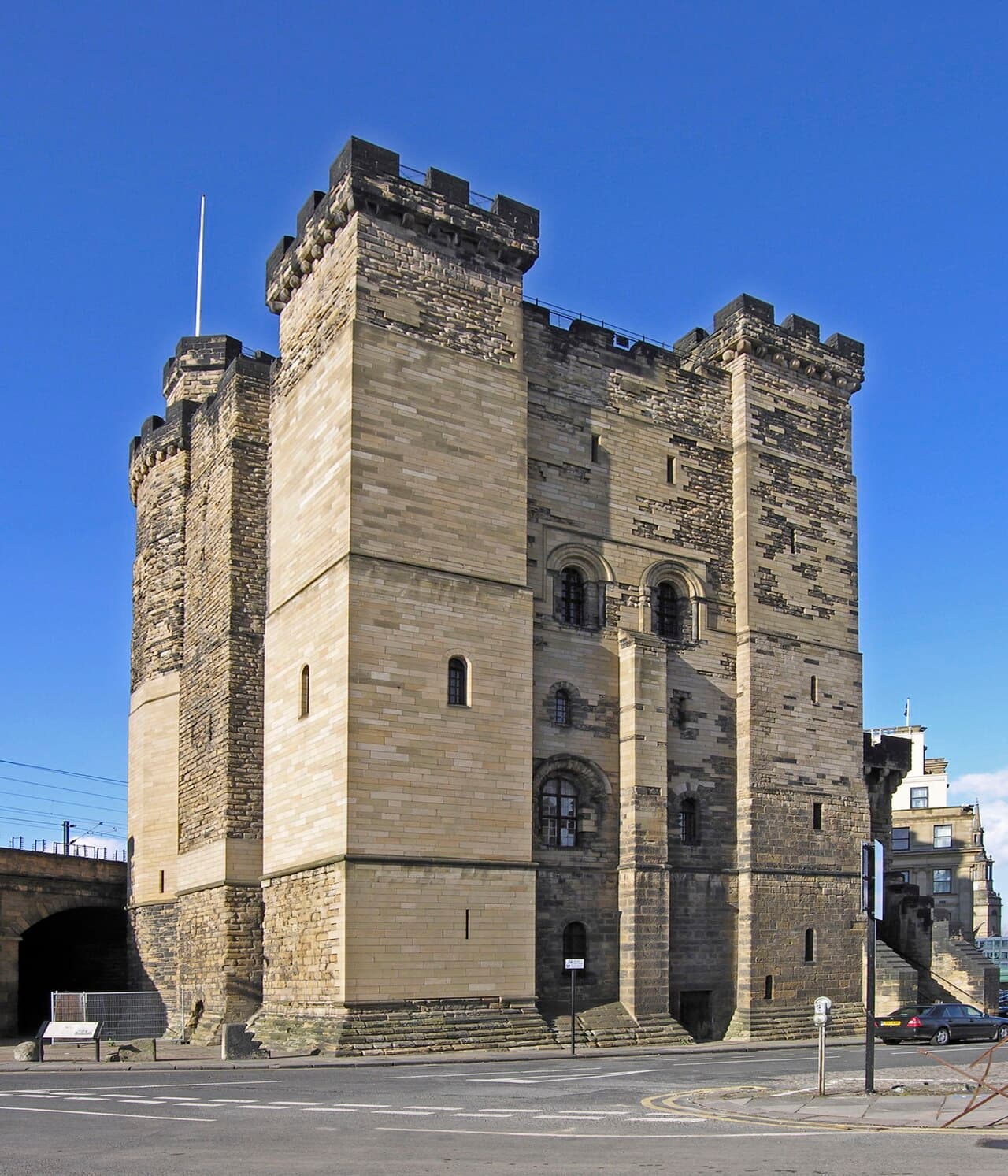
The most prominent surviving structures are the Castle Keep and the Black Gate. The Castle Keep is a massive stone tower constructed between 1172 and 1177 under the reign of Henry II. It was built on the site of an earlier wooden motte-and-bailey castle erected by Robert Curthose, eldest son of William the Conqueror, around 1080. The wooden castle was part of Robert's efforts to secure his northern border after campaigns against the Scots. The Black Gate, a fortified gatehouse added between 1247 and 1250 during the reign of Henry III, served as an important defensive entrance to the castle complex.
Roman origins and early medieval fortifications
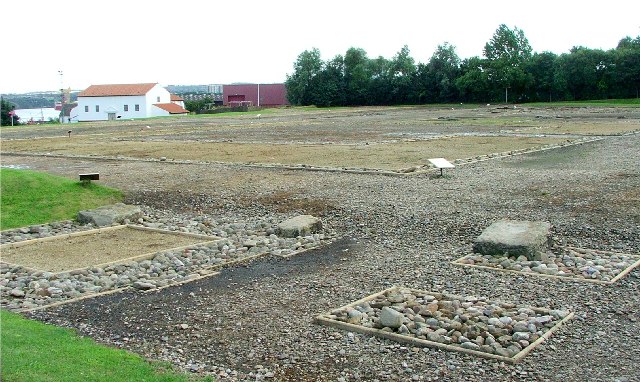
The site's history as a defensive position dates back to Roman Britain. The Roman fort of Pons Aelius was established to protect the bridge over the River Tyne, a strategic route on the northern frontier of the Roman Empire. While no visible remains of the Roman fort survive above ground today, archaeological investigations have confirmed its existence beneath the castle grounds. This Roman heritage set the foundation for the site's continued military significance through the medieval period.
Norman motte-and-bailey castle
Following the Norman Conquest of England in 1066, the site was chosen by Robert Curthose to build a wooden motte-and-bailey castle around 1080. This type of castle featured a raised earthwork (motte) topped with a timber keep, surrounded by a protective courtyard (bailey). The wooden construction was typical of early Norman castles, designed for rapid erection to establish control over newly conquered territories. This castle gave the city of Newcastle its name, literally meaning "new castle on the Tyne."
Construction of the stone keep
Between 1172 and 1177, Henry II replaced the wooden structures with a formidable stone keep, reflecting advances in military architecture and the need for stronger defenses. The Castle Keep is a large rectangular tower with thick stone walls, battlements, and narrow windows designed for archers. It served both as a military stronghold and a royal residence. The keep's design exemplifies the High Medieval period's transition from timber to stone fortifications, emphasizing durability and defense against siege warfare.
Black Gate and later medieval developments
The Black Gate was constructed between 1247 and 1250 as a fortified gatehouse to control access to the castle and the town. It features defensive elements such as arrow slits, murder holes, and portcullises. The gatehouse is an important example of 13th-century military architecture and illustrates the evolving defensive needs of the castle complex. Interestingly, the Black Gate and Castle Keep predate the construction of the Newcastle town walls, which began around 1265 but did not encompass the castle itself.
Location and modern context
The castle is centrally located in Newcastle upon Tyne, just east of the modern Newcastle railway station. The gap of approximately 75 feet (23 meters) between the Castle Keep and the Black Gate is now largely occupied by a railway viaduct carrying the East Coast Main Line to Scotland. Despite urban development, the castle remains a prominent historic landmark in the city center.
Preservation and public access
The Castle Keep is a Grade I listed building and a scheduled monument, recognizing its national historical and architectural importance. The Black Gate is similarly protected. Both structures are managed by the Old Newcastle Project under the Heart of the City Partnership, which operates them as a combined visitor attraction known simply as "Newcastle Castle." Visitors can explore the medieval architecture, learn about the site's history, and enjoy panoramic views from the keep.
Architectural significance
Newcastle Castle exemplifies the evolution of medieval military architecture from Roman times through the Norman and Plantagenet periods. The transition from a Roman fort to a wooden motte-and-bailey, and finally to a stone keep and gatehouse, reflects broader trends in castle construction across England. The castle's features, such as its massive stone walls, battlements, and defensive gatehouse, illustrate the strategic importance of Newcastle as a northern stronghold.
The Castle Keep is notable for its robust construction and well-preserved medieval features, including its great hall, chambers, and battlements. The Black Gate serves as an excellent example of a fortified medieval gatehouse, designed to repel attackers and control entry. Together, these structures provide valuable insight into the defensive strategies and domestic arrangements of medieval castles.
Historical figures associated with the castle
Robert Curthose, the eldest son of William the Conqueror, was responsible for the initial Norman fortification on the site. His building of the wooden castle marked the beginning of Newcastle's identity as a fortified town. Later, Henry II's construction of the stone keep represented royal authority and military strength in the north. Henry III's addition of the Black Gate further enhanced the castle's defenses during a period of ongoing border tensions with Scotland.
Newcastle Castle in cultural heritage
As a landmark, Newcastle Castle is integral to the city's heritage and identity. It symbolizes the city's origins and its role in medieval England's border defense. The castle attracts tourists and history enthusiasts, contributing to Newcastle's cultural tourism. Its preservation allows visitors to connect with the past and understand the development of medieval fortifications in northern England.
Visitor information and experience
Visitors to Newcastle Castle can explore the Castle Keep and Black Gate, both accessible to the public. The site offers exhibitions on the castle's history, guided tours, and events that highlight medieval life and architecture. The elevated position of the keep provides impressive views over the city and the River Tyne, enhancing the visitor experience.
The castle's location near Newcastle railway station makes it easily accessible for tourists. The management by the Old Newcastle Project ensures ongoing conservation and educational outreach, maintaining the castle as a vibrant historical site within a modern urban environment.
Frequently asked questions (FAQ)
- What is the historical significance of Newcastle Castle?
- Newcastle Castle is historically significant as a medieval fortress built on a Roman fort site, marking the origins of the city and its strategic role in northern England.
- How do I visit Newcastle Castle and what can I see there?
- Visitors can explore the Castle Keep and Black Gate, view medieval architecture, enjoy exhibitions, and take guided tours that explain the castle's history.
- When was the stone keep of Newcastle Castle built?
- The stone keep was constructed between 1172 and 1177 during the reign of Henry II, replacing an earlier wooden castle.
- Is Newcastle Castle accessible by public transport?
- Yes, Newcastle Castle is located near Newcastle railway station, making it easily accessible by train and other public transport.
- Why is the Black Gate important in Newcastle Castle's architecture?
- The Black Gate is a fortified gatehouse built between 1247 and 1250, featuring defensive elements like arrow slits and portcullises, showcasing 13th-century military architecture.

Information
Current owner
Old Newcastle Project / Heart of the City Partnership
Loading map...
Visitor reviews
No reviews yet. Been here? Write the first review and help other travelers!
Write the first reviewVisited this castle? Share your experience
Your review helps other travelers and adds first-hand knowledge to our encyclopedia.