Arbeia
Arbeia Roman fort is a significant archaeological site located in South Shields, Tyne & Wear, England. Originally constructed in the 2nd century AD, it served as a strategic military base on the northern frontier of the Roman Empire. The fort was part of the defensive network supporting Hadrian's Wall and played a crucial role in controlling access to the River Tyne and the surrounding region. Today, Arbeia is known for its ruined remains alongside partial reconstructions that provide valuable insight into Roman military architecture and daily life on the edge of the empire.
Historical background and significance
Arbeia was established around AD 160 as a supply and garrison fort, primarily to support the Roman legions stationed along Hadrian's Wall. Its location at the mouth of the River Tyne made it a vital point for receiving supplies and reinforcements by sea. The fort housed a mixed garrison that included Roman soldiers and auxiliary troops from various parts of the empire, reflecting the diverse nature of Roman military forces.
Throughout its active use, Arbeia underwent several phases of construction and modification, adapting to changing military needs and local conditions. The fort's importance declined after the Roman withdrawal from Britain in the early 5th century, but its remains continued to be a landmark in the region.
Architectural features and layout
The fort was originally built with a rectangular plan typical of Roman military forts, enclosed by strong stone walls and defensive ditches. Key features included gatehouses controlling access, bastions for enhanced defense, and an internal arrangement of barracks, granaries, workshops, and command buildings.
The site includes evidence of a principia (headquarters building) with administrative rooms and a shrine, highlighting the religious as well as military functions of the fort. The presence of a granary indicates its role in storage and distribution of supplies, crucial for sustaining the garrison.
Defensive structures
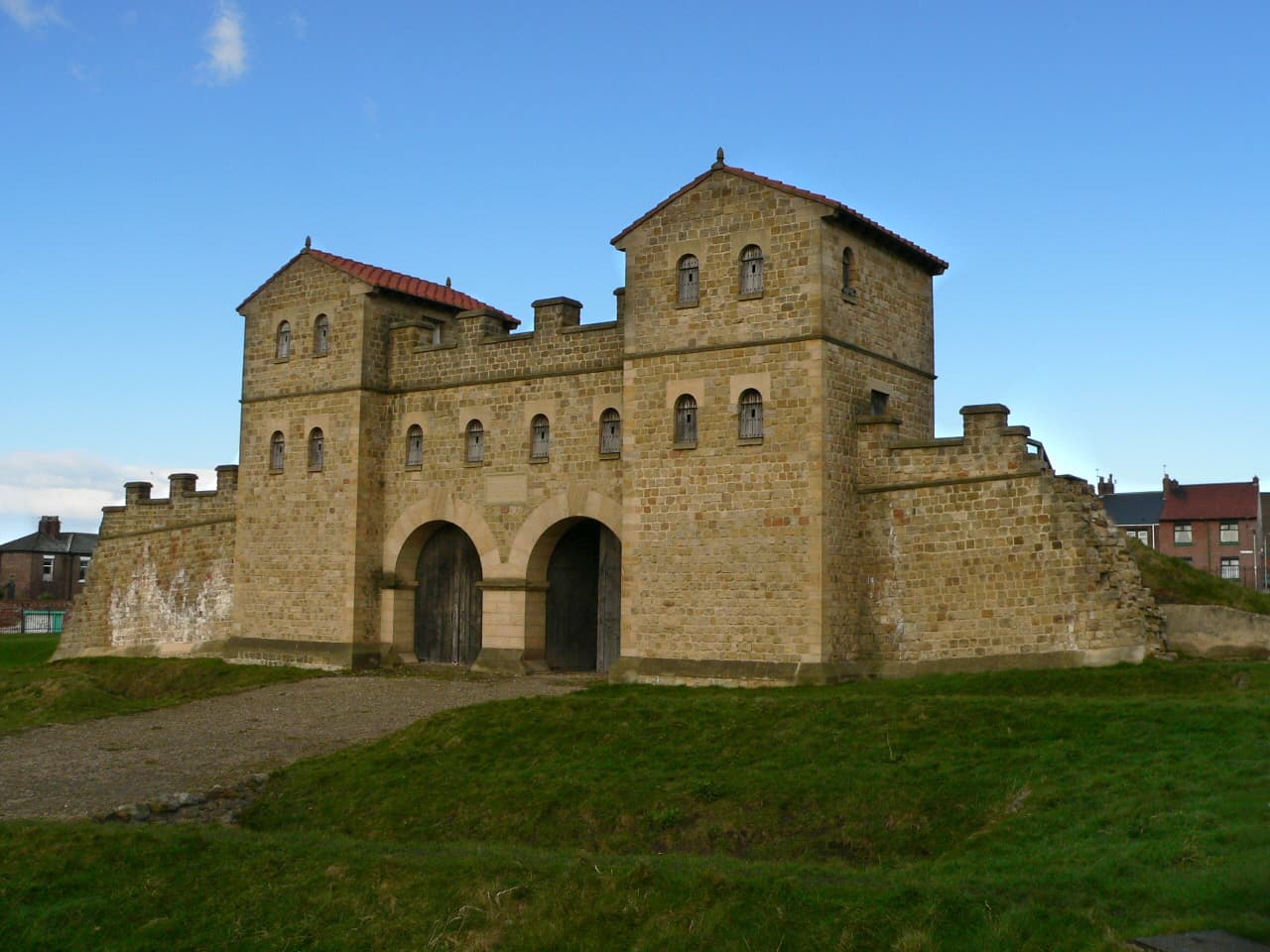
Arbeia's fortifications were enhanced over time, featuring bastioned walls which allowed defenders to cover the fort's perimeter more effectively. The fort's gatehouses were robustly constructed to control entry and exit, often equipped with towers and defensive mechanisms.
Living quarters and facilities
The barracks housed soldiers in organized blocks, while other buildings served logistical and administrative purposes. Archaeological excavations have revealed traces of workshops where equipment and weapons were maintained, as well as evidence of civilian presence in the vicus (settlement) outside the fort walls.
Excavations and modern preservation
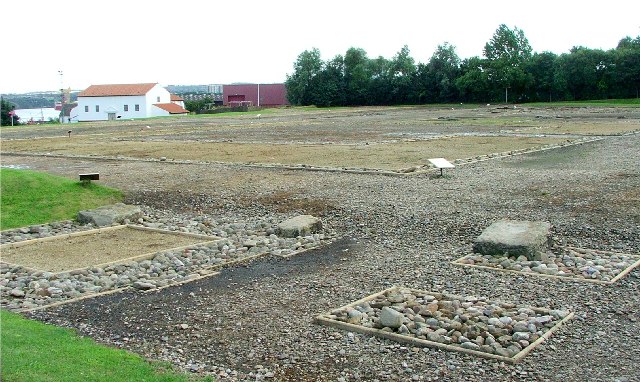
Arbeia was first excavated in the 1870s, uncovering substantial remains that shed light on Roman military life in Britain. In the 1970s, modern buildings on the site were cleared to allow for comprehensive archaeological investigation and conservation.
Today, the site is managed by North East Museums and functions as a museum and heritage center. Visitors can explore the partially reconstructed walls and buildings, view artifacts recovered from the site, and learn about the fort's role in Roman Britain through exhibitions and educational programs.
Visitor experience and educational value
Arbeia offers a unique opportunity to understand Roman military architecture and frontier life. The museum provides detailed displays of the fort's history, including information on the diverse troops stationed there and the logistics of maintaining a remote outpost.
The site hosts events and reenactments that bring Roman history to life, making it an engaging destination for families, students, and history enthusiasts. Its location by the River Tyne also offers scenic views and a connection to the natural landscape that influenced its strategic placement.
Frequently asked questions (FAQ)
- When was Arbeia Roman fort originally built?
- Arbeia was originally constructed in the 2nd century AD as a Roman military fort to support Hadrian's Wall and control the River Tyne area.
- What architectural features can be seen at Arbeia today?
- Visitors can see the fort's stone walls, bastions, gatehouses, and partial reconstructions of barracks and administrative buildings.
- Is Arbeia accessible to the public?
- Yes, Arbeia is managed by North East Museums and is open to visitors, offering exhibitions, educational programs, and reenactments.
- What was the primary purpose of Arbeia Roman fort?
- Arbeia served as a supply base and garrison fort, facilitating the movement of troops and supplies along the northern frontier of Roman Britain.
- Are there any events held at Arbeia?
- The site hosts historical reenactments and educational events that illustrate Roman military life and frontier history.
Photo gallery

Information
Current owner
North East Museums
Loading map...
Visitor reviews
No reviews yet. Been here? Write the first review and help other travelers!
Write the first reviewVisited this castle? Share your experience
Your review helps other travelers and adds first-hand knowledge to our encyclopedia.