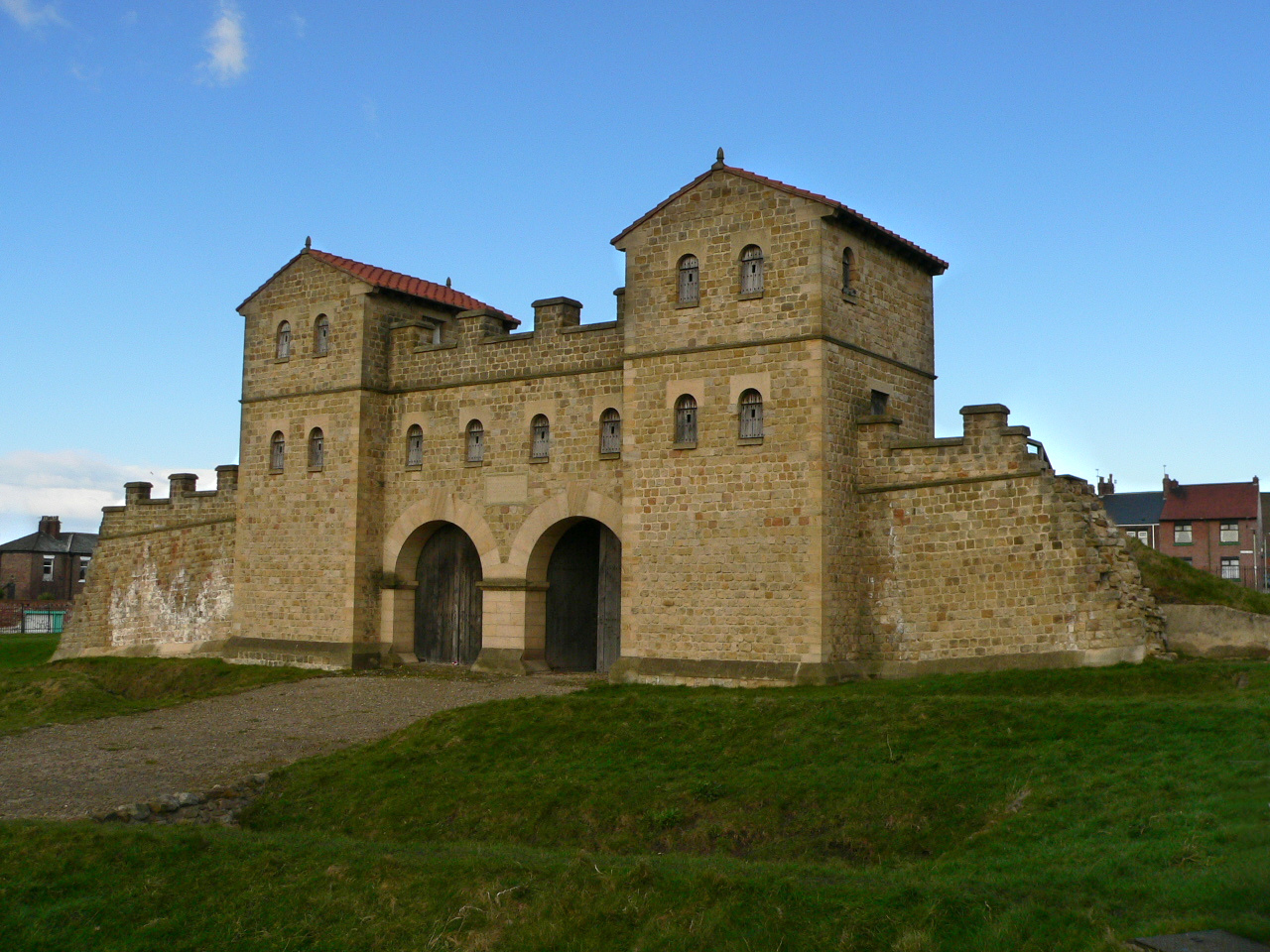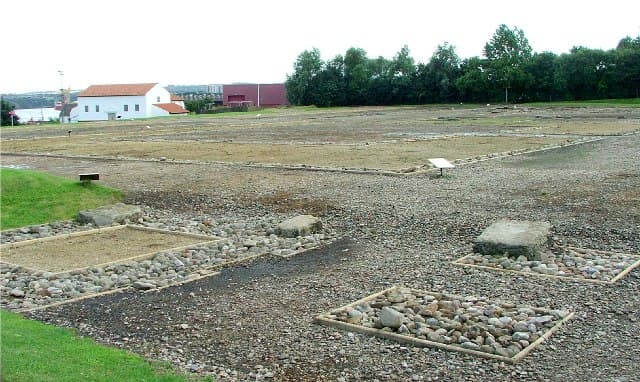
Castrum Segedunum — United Kingdom castle

Castrum Segedunum

Castrum Segedunum Roman fort and museum
High Medieval (11th–13th c.)
Well Preserved

Castrum Segedunum was a significant Roman fort located at what is now Wallsend in North Tyneside, North East England. This fort occupied a strategic position at the eastern terminus of the famous Hadrian's Wall, near the banks of the River Tyne. Established around 122 AD, shortly after the construction of Hadrian's Wall, Segedunum served as a key military installation for nearly three centuries, until approximately 400 AD.

Historical context and strategic importance

Segedunum was constructed as part of the Roman Empire's northern frontier defense system in Britain. The fort was designed to house a garrison responsible for monitoring and controlling movement along the eastern end of Hadrian's Wall, which marked the northern boundary of Roman Britain. Its location by the River Tyne allowed for control of river traffic and access to the sea, enhancing its strategic value.

The fort's garrison would have been tasked with defending the frontier from incursions by northern tribes and maintaining Roman authority in the region. Segedunum was one of several forts along Hadrian's Wall, but it is distinguished by its extensive archaeological excavation and preservation.

Architectural features and layout

Segedunum was built following typical Roman military architectural principles. The fort was roughly rectangular, enclosed by substantial stone defensive walls and accompanied by a ditch and outer rampart. The walls were reinforced with bastions at intervals, providing platforms for archers and artillery, consistent with the classification as a bastioned fortress.

Inside the fort, the layout included standard Roman military buildings such as the principia (headquarters), praetorium (commander's house), barracks for soldiers, granaries, workshops, and bathhouses. The presence of a bath complex indicates the importance of hygiene and social life within the fort.

Baths and civilian settlement

The bathhouse remains at Segedunum are particularly well-preserved and offer insight into Roman bathing culture on the frontier. These baths included typical features such as the frigidarium (cold room), tepidarium (warm room), and caldarium (hot room), along with hypocaust heating systems. The baths served both the military personnel and possibly civilians living in the vicus, a small settlement adjacent to the fort.

Archaeological excavations and museum

Segedunum is notable as the most thoroughly excavated fort along Hadrian's Wall. Excavations have revealed detailed information about Roman military architecture, daily life, and frontier defense strategies. The site has been developed into the Segedunum Roman Fort, Baths and Museum, which presents extensive displays of artifacts recovered during excavations.

The museum provides visitors with an immersive experience of Roman military life, featuring reconstructions of fort buildings, interactive exhibits, and educational programs. Segedunum forms an integral part of the Hadrian's Wall UNESCO World Heritage Site, recognized for its outstanding cultural and historical significance.

Legacy and cultural significance

Today, Castrum Segedunum stands as a vital link to the Roman past in Britain. Its preservation and interpretation contribute to understanding the Roman Empire's northern frontier and its impact on British history. The site attracts scholars, tourists, and history enthusiasts, offering a tangible connection to the Roman military system and frontier life.

Frequently asked questions (FAQ)

How do I get to Castrum Segedunum?
Castrum Segedunum is located in Wallsend, United Kingdom. You can reach the castle via public transport, including the Tyne and Wear Metro, with Wallsend station being the closest. There is also ample parking available for those who prefer to drive.
What is the historical significance of Castrum Segedunum?
Castrum Segedunum is one of the most important Roman forts along Hadrian's Wall and served as a vital military outpost. Built around AD 122, it was part of the Roman frontier that marked the northern limit of the Roman Empire in Britain. The site offers a glimpse into Roman military life and the history of the region.
When was Castrum Segedunum built?
Castrum Segedunum was constructed in AD 122 during the reign of Emperor Hadrian. It was one of the first forts built as part of the Roman defensive line in Britain. The fortification played a crucial role in controlling the movement along the northern frontier.
Can I visit Castrum Segedunum year-round?
Yes, Castrum Segedunum is open to visitors throughout the year, although certain facilities may have varying hours depending on the season. It’s advisable to check the official website for any seasonal changes in opening times. This ensures you can plan your visit accordingly for the best experience.
Why is the architecture of Castrum Segedunum important?
The architecture of Castrum Segedunum showcases the advanced engineering skills of the Romans, with its defensive walls, barracks, and structures designed for military efficiency. The layout reflects the typical Roman fort design, which influenced military architecture for centuries. Exploring the remnants allows visitors to appreciate the sophistication of Roman construction techniques.
Is it possible to access Castrum Segedunum with a wheelchair?
Yes, Castrum Segedunum is committed to being accessible to all visitors. The site features wheelchair-friendly pathways and facilities to accommodate those with mobility challenges. For specific accessibility queries, it is recommended to contact the site in advance.
What are the ticket prices for visiting Castrum Segedunum?
Tickets for Castrum Segedunum are reasonably priced, with discounts available for children, students, and seniors. Family tickets are also offered, making it an affordable outing for everyone. Check the official website for the most current pricing and any special promotions available.
What are the opening hours for Castrum Segedunum?
Castrum Segedunum typically opens from 10 AM to 5 PM, but these hours may vary seasonally. It is advisable to check the official website for the latest information on opening times before your visit. This way, you can ensure you have ample time to explore the site.
What nearby attractions can I visit after Castrum Segedunum?
After visiting Castrum Segedunum, you can explore other nearby attractions such as the Segedunum Roman Fort Museum and the beautiful River Tyne. Additionally, the vibrant city of Newcastle is just a short distance away, offering shops, restaurants, and cultural experiences. There are numerous options to enhance your day out in the region.

Photo gallery

Castrum Segedunum
Click to view

Photo by Christine Westerback•CC BY-SA 2.0

1 photo • Click any image to view in full screen

Information

Bastioned Fortress

Loading map...

Visitor reviews

No reviews yet. Been here? Write the first review and help other travelers!

Write the first review

Visited this castle? Share your experience

Your review helps other travelers and adds first-hand knowledge to our encyclopedia.
Write a review

(5/5)

0/2000 characters

Your review will be visible after admin approval

Nearby castles

5.4 km
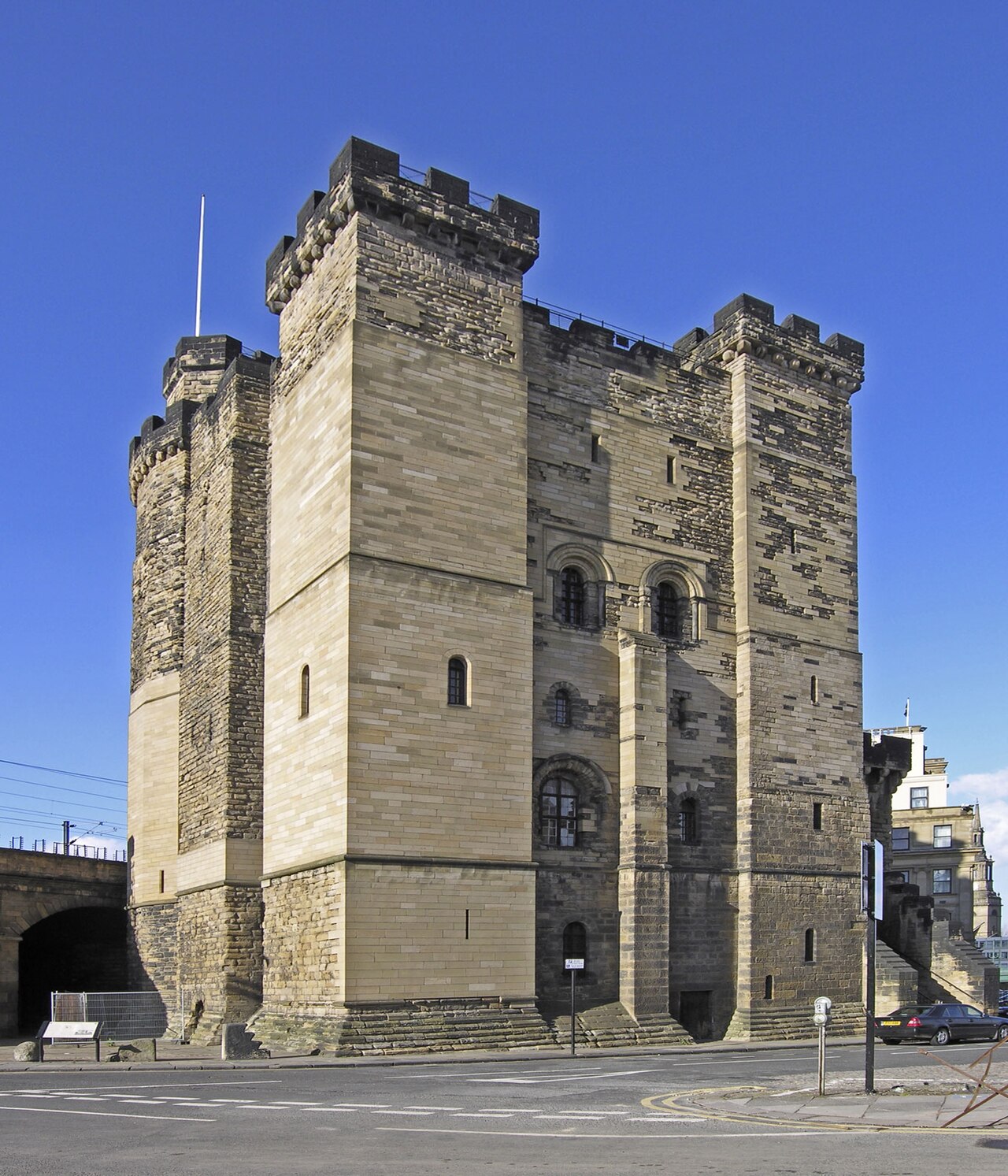
Newcastle upon Tyne Castle — United Kingdom castle

Newcastle upon Tyne Castle

Newcastle upon Tyne, United Kingdom

Newcastle upon Tyne Castle, commonly known simply as Newcastle Castle, is a significant medieval fortification located in the heart of Newcastle upon Tyne, England. The castle stands on a site with a long history of military and strategic importance, originally used by the Romans as a fort and settlement called Pons Aelius. This Roman fort guarded a vital bridge over the River Tyne, a key crossing point in northern England. The castle's name derives from the "new castle" built by the Normans, which replaced earlier fortifications on the site. The most prominent surviving structures are the Castle Keep and the Black Gate. The Castle Keep is a massive stone tower constructed between 1172 and 1177 under the reign of Henry II. It was built on the site of an earlier wooden motte-and-bailey castle erected by Robert Curthose, eldest son of William the Conqueror, around 1080. The wooden castle was part of Robert's efforts to secure his northern border after campaigns against the Scots. The Black Gate, a fortified gatehouse added between 1247 and 1250 during the reign of Henry III, served as an important defensive entrance to the castle complex. Roman origins and early medieval fortifications The site's history as a defensive position dates back to Roman Britain. The Roman fort of Pons Aelius was established to protect the bridge over the River Tyne, a strategic route on the northern frontier of the Roman Empire. While no visible remains of the Roman fort survive above ground today, archaeological investigations have confirmed its existence beneath the castle grounds. This Roman heritage set the foundation for the site's continued military significance through the medieval period. Norman motte-and-bailey castle Following the Norman Conquest of England in 1066, the site was chosen by Robert Curthose to build a wooden motte-and-bailey castle around 1080. This type of castle featured a raised earthwork (motte) topped with a timber keep, surrounded by a protective courtyard (bailey). The wooden construction was typical of early Norman castles, designed for rapid erection to establish control over newly conquered territories. This castle gave the city of Newcastle its name, literally meaning "new castle on the Tyne." Construction of the stone keep Between 1172 and 1177, Henry II replaced the wooden structures with a formidable stone keep, reflecting advances in military architecture and the need for stronger defenses. The Castle Keep is a large rectangular tower with thick stone walls, battlements, and narrow windows designed for archers. It served both as a military stronghold and a royal residence. The keep's design exemplifies the High Medieval period's transition from timber to stone fortifications, emphasizing durability and defense against siege warfare. Black Gate and later medieval developments The Black Gate was constructed between 1247 and 1250 as a fortified gatehouse to control access to the castle and the town. It features defensive elements such as arrow slits, murder holes, and portcullises. The gatehouse is an important example of 13th-century military architecture and illustrates the evolving defensive needs of the castle complex. Interestingly, the Black Gate and Castle Keep predate the construction of the Newcastle town walls, which began around 1265 but did not encompass the castle itself. Location and modern context The castle is centrally located in Newcastle upon Tyne, just east of the modern Newcastle railway station. The gap of approximately 75 feet (23 meters) between the Castle Keep and the Black Gate is now largely occupied by a railway viaduct carrying the East Coast Main Line to Scotland. Despite urban development, the castle remains a prominent historic landmark in the city center. Preservation and public access The Castle Keep is a Grade I listed building and a scheduled monument, recognizing its national historical and architectural importance. The Black Gate is similarly protected. Both structures are managed by the Old Newcastle Project under the Heart of the City Partnership, which operates them as a combined visitor attraction known simply as "Newcastle Castle." Visitors can explore the medieval architecture, learn about the site's history, and enjoy panoramic views from the keep. Architectural significance Newcastle Castle exemplifies the evolution of medieval military architecture from Roman times through the Norman and Plantagenet periods. The transition from a Roman fort to a wooden motte-and-bailey, and finally to a stone keep and gatehouse, reflects broader trends in castle construction across England. The castle's features, such as its massive stone walls, battlements, and defensive gatehouse, illustrate the strategic importance of Newcastle as a northern stronghold. The Castle Keep is notable for its robust construction and well-preserved medieval features, including its great hall, chambers, and battlements. The Black Gate serves as an excellent example of a fortified medieval gatehouse, designed to repel attackers and control entry. Together, these structures provide valuable insight into the defensive strategies and domestic arrangements of medieval castles. Historical figures associated with the castle Robert Curthose, the eldest son of William the Conqueror, was responsible for the initial Norman fortification on the site. His building of the wooden castle marked the beginning of Newcastle's identity as a fortified town. Later, Henry II's construction of the stone keep represented royal authority and military strength in the north. Henry III's addition of the Black Gate further enhanced the castle's defenses during a period of ongoing border tensions with Scotland. Newcastle Castle in cultural heritage As a landmark, Newcastle Castle is integral to the city's heritage and identity. It symbolizes the city's origins and its role in medieval England's border defense. The castle attracts tourists and history enthusiasts, contributing to Newcastle's cultural tourism. Its preservation allows visitors to connect with the past and understand the development of medieval fortifications in northern England. Visitor information and experience Visitors to Newcastle Castle can explore the Castle Keep and Black Gate, both accessible to the public. The site offers exhibitions on the castle's history, guided tours, and events that highlight medieval life and architecture. The elevated position of the keep provides impressive views over the city and the River Tyne, enhancing the visitor experience. The castle's location near Newcastle railway station makes it easily accessible for tourists. The management by the Old Newcastle Project ensures ongoing conservation and educational outreach, maintaining the castle as a vibrant historical site within a modern urban environment.

High Medieval (11th–13th c.)
Details
6.7 km
Arbeia — United Kingdom castle

Arbeia

South Shields, United Kingdom

Arbeia Roman fort is a significant archaeological site located in South Shields, Tyne & Wear, England. Originally constructed in the 2nd century AD, it served as a strategic military base on the northern frontier of the Roman Empire. The fort was part of the defensive network supporting Hadrian's Wall and played a crucial role in controlling access to the River Tyne and the surrounding region. Today, Arbeia is known for its ruined remains alongside partial reconstructions that provide valuable insight into Roman military architecture and daily life on the edge of the empire.Historical background and significanceArbeia was established around AD 160 as a supply and garrison fort, primarily to support the Roman legions stationed along Hadrian's Wall. Its location at the mouth of the River Tyne made it a vital point for receiving supplies and reinforcements by sea. The fort housed a mixed garrison that included Roman soldiers and auxiliary troops from various parts of the empire, reflecting the diverse nature of Roman military forces.Throughout its active use, Arbeia underwent several phases of construction and modification, adapting to changing military needs and local conditions. The fort's importance declined after the Roman withdrawal from Britain in the early 5th century, but its remains continued to be a landmark in the region.Architectural features and layoutThe fort was originally built with a rectangular plan typical of Roman military forts, enclosed by strong stone walls and defensive ditches. Key features included gatehouses controlling access, bastions for enhanced defense, and an internal arrangement of barracks, granaries, workshops, and command buildings.The site includes evidence of a principia (headquarters building) with administrative rooms and a shrine, highlighting the religious as well as military functions of the fort. The presence of a granary indicates its role in storage and distribution of supplies, crucial for sustaining the garrison.Defensive structuresArbeia's fortifications were enhanced over time, featuring bastioned walls which allowed defenders to cover the fort's perimeter more effectively. The fort's gatehouses were robustly constructed to control entry and exit, often equipped with towers and defensive mechanisms.Living quarters and facilitiesThe barracks housed soldiers in organized blocks, while other buildings served logistical and administrative purposes. Archaeological excavations have revealed traces of workshops where equipment and weapons were maintained, as well as evidence of civilian presence in the vicus (settlement) outside the fort walls.Excavations and modern preservationArbeia was first excavated in the 1870s, uncovering substantial remains that shed light on Roman military life in Britain. In the 1970s, modern buildings on the site were cleared to allow for comprehensive archaeological investigation and conservation.Today, the site is managed by North East Museums and functions as a museum and heritage center. Visitors can explore the partially reconstructed walls and buildings, view artifacts recovered from the site, and learn about the fort's role in Roman Britain through exhibitions and educational programs.Visitor experience and educational valueArbeia offers a unique opportunity to understand Roman military architecture and frontier life. The museum provides detailed displays of the fort's history, including information on the diverse troops stationed there and the logistics of maintaining a remote outpost.The site hosts events and reenactments that bring Roman history to life, making it an engaging destination for families, students, and history enthusiasts. Its location by the River Tyne also offers scenic views and a connection to the natural landscape that influenced its strategic placement.

High Medieval (11th–13th c.)
Details
7.9 km
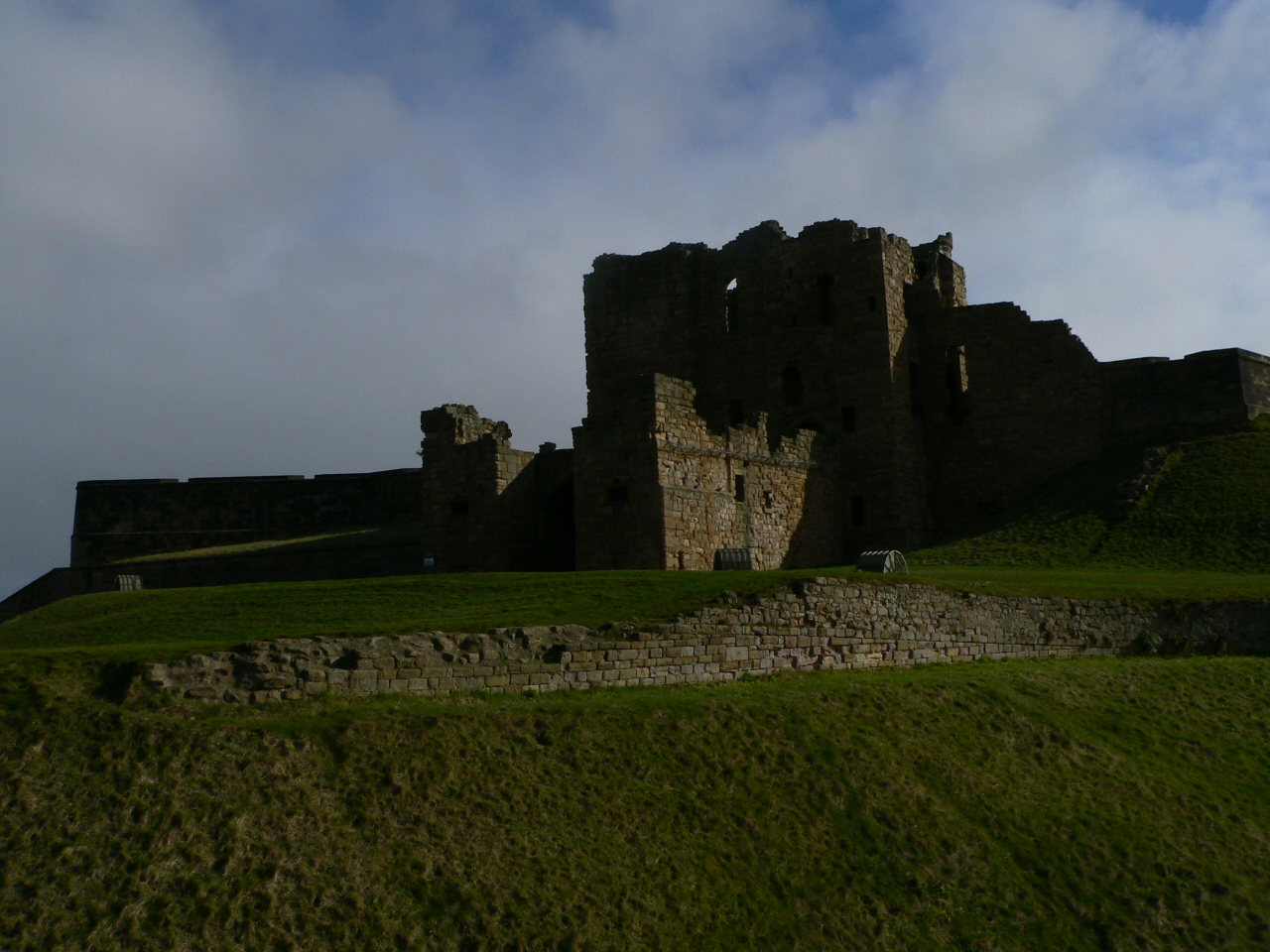
Tynemouth Priory and Castle — United Kingdom castle

Tynemouth Priory and Castle

Tynemouth, United Kingdom

Tynemouth Priory and Castle stand prominently on a rocky promontory overlooking the North Sea at the mouth of the River Tyne in Tynemouth, England. This historic site combines the remains of an ancient religious community and a strategic fortress, reflecting centuries of medieval history, royal significance, and coastal defense. The origins of the priory date back to the 7th century, when it was founded under the patronage of King Edwin of Northumbria. It quickly gained prominence as a burial site for early Northumbrian kings such as Oswine and Osred II, with Oswine later canonized as a saint. His shrine transformed the priory into a notable pilgrimage destination, cementing its spiritual importance in the region. Throughout the early medieval period, the monastery faced significant challenges, including repeated raids and destruction by Vikings in the 9th century, culminating in its destruction in 875. Archaeological finds such as fragments of Anglo-Saxon stone crosses and timber building remains attest to the site's ancient origins. The priory was reestablished in 1083 as a Benedictine monastery affiliated with Durham Priory, marking the beginning of extensive rebuilding and expansion. Medieval religious and royal significance The priory's spiritual and royal stature grew during the 12th and 13th centuries. The church was rebuilt with a new choir and presbytery, and the shrine of St Oswine was richly adorned. The priory acquired extensive land holdings and special privileges known as the Liberty of Tynemouth, which included income from agriculture, rents, and coal mining. These rights were confirmed by King Richard I in 1189. Notably, the priory became the burial place of Scottish King Malcolm III in 1093, though his remains were later moved to Dunfermline Abbey. The site also served as a place of exile within the monastic system and was associated with royal figures such as Adam FitzRoy, an illegitimate son of Edward II. Architectural evolution of the priory church The church underwent significant architectural development between the late 12th and mid-13th centuries, featuring early Gothic lancet windows and a redesigned chapter house. Later additions included the Lady Chapel built before 1336 and the Percy Chapel in the mid-15th century, the latter distinguished by its painted ceiling with heraldic symbols and colorful stained glass windows. Fortifications and castle development The castle likely originated as an earth and timber fortification on the promontory, possibly dating back to the Norman period or even the late Iron Age. By 1095, it served as a refuge for Robert de Mowbray during his rebellion. Stone curtain walls and towers such as Whitley Tower and East Mount Tower were constructed by 1296 under a license from King Edward I. The large gatehouse, built between the late 14th and early 15th centuries, remains the most intact medieval defensive structure on the site. The castle played a role in royal conflicts, including sheltering Edward II in 1312 and resisting an attack by Robert the Bruce in 1314. Artillery fortifications and later military use From 1545, the castle's defenses were modernized to accommodate artillery, guided by military engineers such as Sir Richard Lee and Italians Gian Tommaso Scala and Antonio da Bergamo. These improvements included new gunports and thicker walls designed to withstand cannon fire. The site also housed a navigation light from at least 1582, evolving into a lighthouse built in 1665 within the castle walls. This lighthouse was rebuilt and modernized multiple times before being decommissioned in 1898 and replaced by St Mary's Lighthouse offshore. In the late 19th and early 20th centuries, the castle served as military barracks and a coastal defense station, enduring bombing during World War II. Post-war, it housed Her Majesty's Coastguard until 2001. Architectural remains and visitor experience The site today retains significant remains of the curtain walls, with well-preserved sections on the western and southern sides, including the original wall walk. The Whitley Tower and East Mount Tower offer commanding views of the coastline and harbor. The priory's church ruins display characteristic early Gothic lancet windows, while the Percy Chapel survives fully intact, showcasing its decorative painted ceiling and stained glass. Archaeological excavations have revealed early timber monastery buildings and Anglo-Saxon stone crosses, highlighting the site's long religious heritage. Military modifications from the 16th century onwards are visible in the artillery fortifications and gun emplacements, illustrating the castle's adaptation to evolving warfare technologies. Remnants of the 17th-century lighthouse and 20th-century coastal defense structures add layers to the site's rich historical narrative. Visitors can explore the extensive grounds, appreciating the blend of medieval ecclesiastical architecture and military fortifications that chronicle Tynemouth's importance as a religious sanctuary, royal refuge, and strategic coastal fortress through the centuries.

Early Medieval (5th–10th c.)
Details