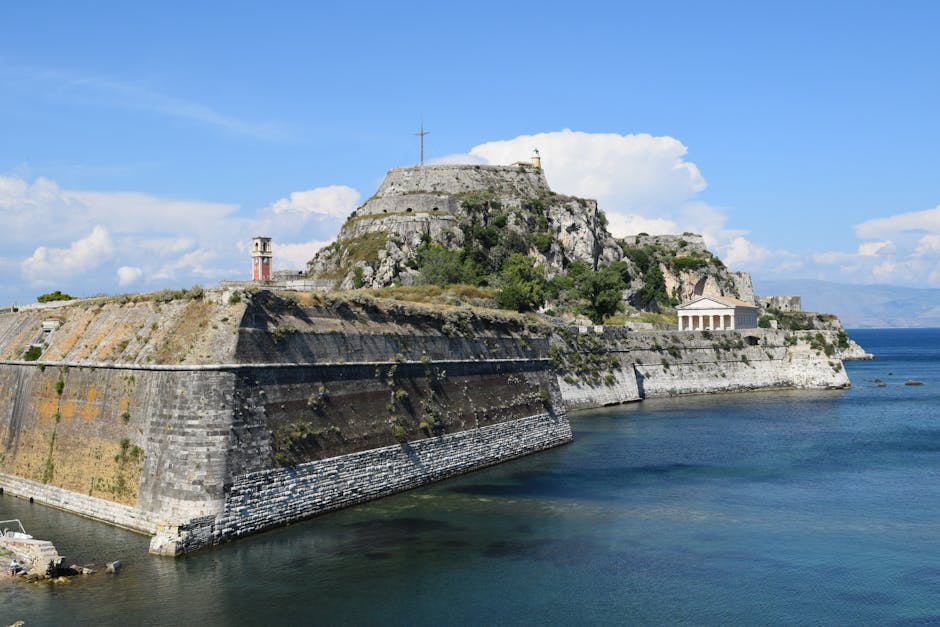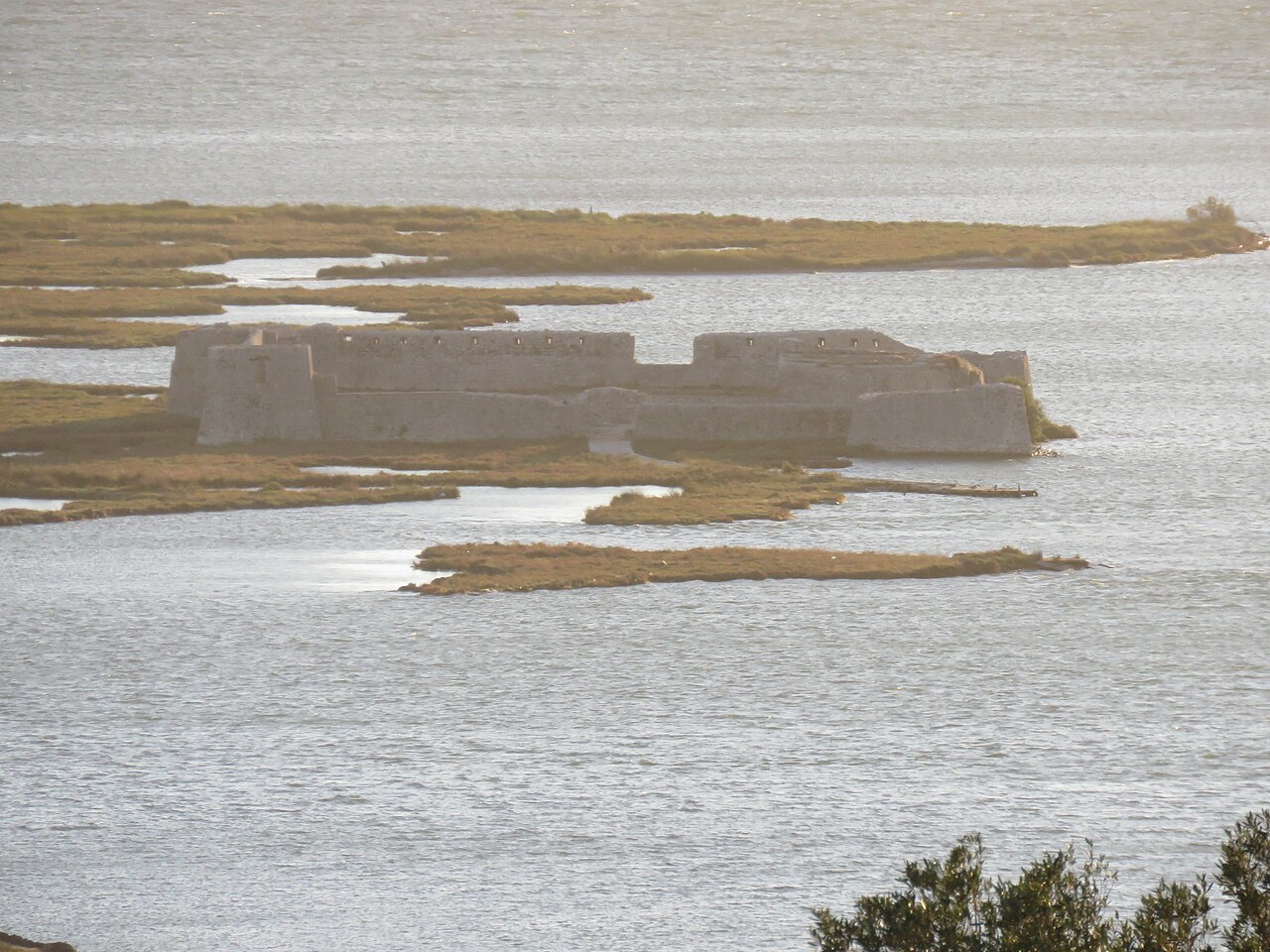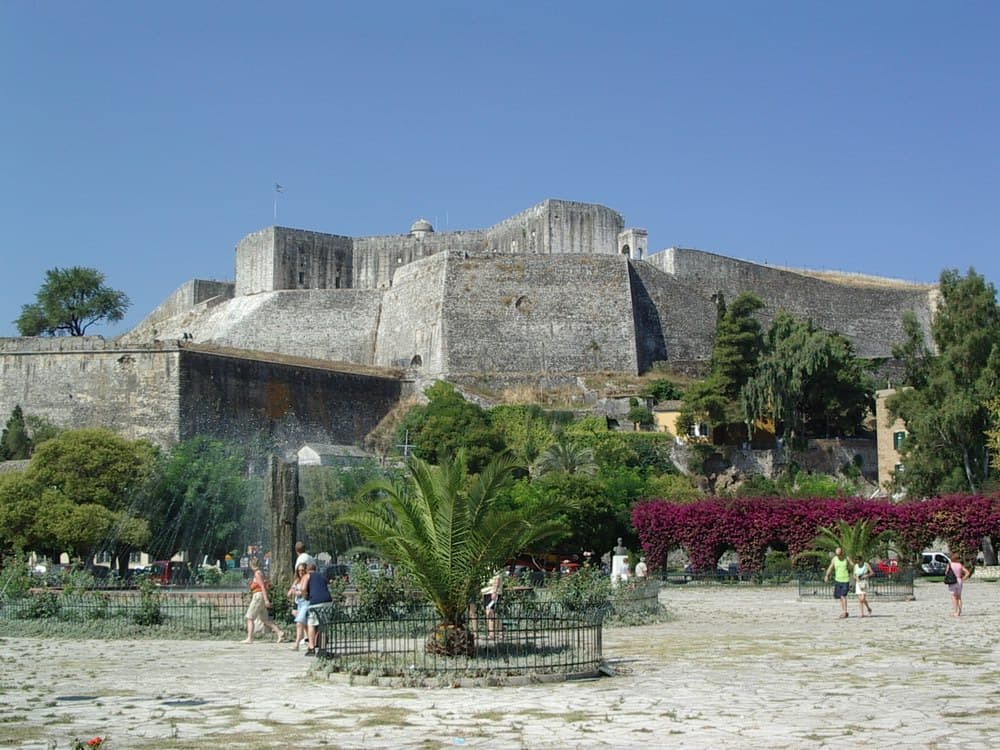
The New Fortress of Corfu (Greek: Νέο Φρούριο; Venetian: Fortezza Nuova) stands prominently on the hill of St. Mark in Corfu, Greece. It is a Venetian bastioned fortress constructed primarily during the 16th century as part of a strategic effort to bolster the island's defenses against Ottoman expansion. The fortress is a significant example of Renaissance military architecture adapted to the unique geographic and political challenges of the Ionian Sea region.
Historical background and strategic importance
The construction of the New Fortress was initiated following the first great Ottoman siege of Corfu in 1537, which exposed vulnerabilities in the existing fortifications of Corfu's Old Fortress and the city itself. The Republic of Venice, which controlled Corfu at the time, recognized the need for a more robust defensive structure to protect the island from future assaults. The fortress was built on the elevated terrain of St. Mark's hill to serve as a commanding stronghold overseeing the city and the surrounding sea routes.
Although the exact dates of construction are debated, it is generally accepted that work began around 1572 and continued in phases until approximately 1645. The military engineer Ferrante Vitelli is credited as the original architect, bringing Renaissance military design principles to the fortress's layout. Its development was part of a larger Venetian strategy to fortify Corfu as a key maritime bastion against Ottoman naval incursions.
Architectural design and fortifications
The fortress is classified as a bastioned fortress, a style that emerged during the Renaissance to counter the increasing effectiveness of artillery. Its design features angular bastions that project outward from the main walls, allowing defenders to cover adjacent walls with crossfire and reducing blind spots. The walls are thick and robust, built to withstand cannon fire, and include deep moats and other defensive earthworks.
The New Fortress's layout integrates a complex system of ramparts, bastions, curtain walls, and gates. The strategic positioning on St. Mark's hill provides extensive views over Corfu town and the surrounding sea, enabling early detection of enemy fleets. The fortress's artillery placements were extensive, with historical records indicating up to 700 pieces of artillery stationed within its walls, capable of reaching targets as far as the Albanian coast across the sea channel.
Within the fortress, there are notable structures including a stone defensive building at the summit, originally purposed for command and control during sieges. Adjacent to this is a brick building constructed during the British occupation, which today serves as the headquarters for the Naval Station of Corfu.
Later modifications and military use
Following Venetian rule, the fortress underwent significant modifications under British and French control during the 18th and 19th centuries. These powers expanded the fortifications to maintain Corfu as a strategic naval base in the Mediterranean and to prepare for potential conflicts with the Ottoman Empire and other rivals.
The British period (1815–1863) saw the addition of new military buildings within the fortress, adapting it to contemporary defense needs. However, some original sea defenses were dismantled after the British protectorate ended in 1864, coinciding with Corfu's union with Greece. Notably, the demolition of nearby forts such as Avrami and Vido involved powerful explosions that caused damage even on the Corfu side of the channel.
Cultural significance and current status
The New Fortress remains one of Corfu's most important historical landmarks, reflecting the island's complex history of Venetian, British, and French military presence. It is a well-preserved example of Renaissance military architecture adapted over centuries to evolving warfare technologies.
Today, the fortress is accessible to visitors who can explore its extensive ramparts, bastions, and internal structures while enjoying panoramic views of Corfu town and the Ionian Sea. The presence of the Naval Station headquarters within the fortress grounds highlights its continued strategic relevance.
Visitor experience and accessibility
Visitors to the New Fortress can walk along the fortified walls and explore various defensive features, including the bastions and artillery platforms. The site offers educational insights into Renaissance fortification techniques and the island's historical role in Mediterranean geopolitics. Its elevated position provides excellent photographic opportunities and a tangible connection to Corfu's maritime heritage.
While some areas remain in military use, significant portions of the fortress are open to the public, often hosting cultural events and exhibitions that celebrate Corfu's diverse history.
Frequently asked questions (FAQ)
- When was the New Fortress of Corfu built?
- The New Fortress was constructed mainly during the 16th century, with work beginning around 1572 and continuing into the early 17th century.
- What architectural style characterizes the New Fortress of Corfu?
- The fortress is designed in the Renaissance bastioned style, featuring angular bastions and thick walls to withstand artillery attacks.
- Can visitors explore the New Fortress today?
- Yes, the New Fortress is well-preserved and open to visitors, offering access to its walls, bastions, and panoramic views over Corfu and the Ionian Sea.
- Who was the original architect of the fortress?
- The military engineer Ferrante Vitelli is credited as the original architect of the New Fortress of Corfu.
- What was the strategic importance of the New Fortress?
- The fortress was built to strengthen Corfu's defenses against Ottoman attacks and to control key maritime routes in the Ionian Sea.
Photo gallery

Information
Architect
Ferrante Vitelli
Current owner
Greek state
Loading map...
Visitor reviews
No reviews yet. Been here? Write the first review and help other travelers!
Write the first reviewVisited this castle? Share your experience
Your review helps other travelers and adds first-hand knowledge to our encyclopedia.