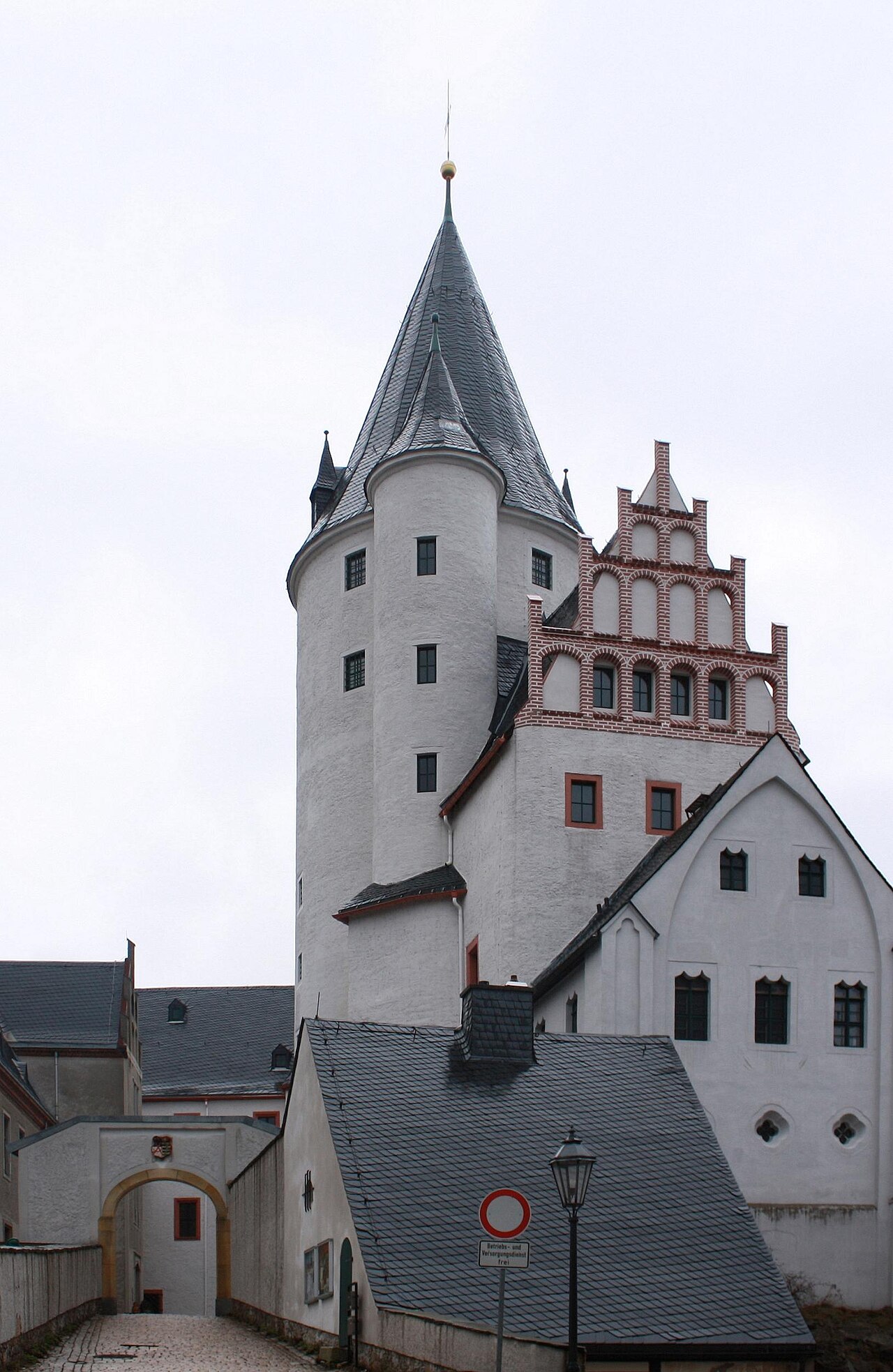
Schloss Achberg
Schloss Achberg stands as a remarkable example of architectural and historical evolution in southern Germany. Located in the municipality of Achberg, this hill castle traces its origins back to a medieval fortress first recorded in 1335. While early details about the original structure are limited, the castle's site has witnessed centuries of transformation, reflecting shifting styles and functions from the Middle Ages through the Baroque period and into modern times.
Medieval origins and early history
The earliest documented mention of the fortress at Achberg dates to the 14th century, when it served as the stronghold for the local lordship bearing the same name. Medieval castles like Achberg typically combined defensive features such as thick walls, battlements, and towers, although specific architectural details of the initial fortress remain scarce. This original structure likely fulfilled both military and residential purposes, anchoring the surrounding settlement and asserting feudal authority in the region.
Baroque transformation under the teutonic order
The castle underwent significant changes during the 16th century, reflecting evolving defensive needs and architectural tastes. However, the most profound transformation occurred after 1691, when Franz Benedikt von Baden, the Landkomtur of the Teutonic Order, acquired the property. Between 1693 and 1700, Schloss Achberg was extensively rebuilt in the Baroque style, a period marked by grandeur, ornamental detail, and theatrical spatial design.
Architectural features of the baroque renovation
The Baroque reconstruction introduced lavish decorative elements, including an exquisitely crafted stucco ceiling in the main ceremonial hall, which stands out as one of the most ornate examples in southern Germany. The castle's facade was enhanced with emblematic features such as the coat of arms of the Teutonic Order prominently displayed above the main entrance, symbolizing the castle's historical affiliation with this religious-military order.
Function and use in the baroque period
Following the Baroque renovation, Schloss Achberg served intermittently as a residence for members of the Teutonic Knights. Its role shifted from a purely defensive fortress to a more representative and ceremonial function, reflecting broader trends in castle use during the early modern period. Despite this, the castle was often unoccupied for long stretches, indicating its use as a secondary residence or administrative center rather than a primary home.
19th and 20th century history and preservation
The secularization movement in the early 19th century led to the dissolution of the Teutonic Order's holdings, and in 1806, Schloss Achberg and its estate were absorbed by the Principality of Hohenzollern-Sigmaringen. This principality itself was incorporated into the Kingdom of Prussia in 1850, making Achberg the southernmost territory under Prussian control. The castle remained in the possession of the Hohenzollern family until 1982.
Modern restoration and cultural use
After a period of real estate speculation following the Hohenzollern tenure, the castle was acquired by the Ravensburg district in 1988. Between 1989 and 1994, Schloss Achberg underwent comprehensive restoration to stabilize and preserve its Baroque features and historical integrity. Since 1995, the castle has functioned as a cultural site open to the public, hosting a museum, exhibitions, and concerts.
Architectural significance and current state
Today, Schloss Achberg is a well-preserved Baroque structure that retains the footprint of the medieval fortress beneath. The castle's location at approximately 492 meters above sea level offers a commanding view of the surrounding landscape, characteristic of hill castles designed for strategic advantage.
Notable interior features
The highlight of the interior is the main ceremonial hall with its intricate stucco ceiling, showcasing exceptional craftsmanship and artistic ambition typical of the Baroque era. This ornamental ceiling is a key attraction, drawing visitors interested in historical art and architecture.
Cultural and community role
The castle's Knight’s Hall is used for chamber music concerts, blending the site's historical military associations with contemporary cultural activities. The preservation of the castle allows visitors to experience a tangible connection to the region's layered history, from medieval fortifications to Baroque elegance.
Visiting schloss achberg
Schloss Achberg is accessible to the public as a museum and cultural venue. Its restoration ensures that key architectural elements and historic features are maintained for educational and touristic purposes. Visitors can explore the castle's richly decorated interiors, learn about its historical significance, and attend various cultural events held throughout the year.
Overall, Schloss Achberg exemplifies the adaptive reuse of a medieval fortress transformed into a Baroque residence, reflecting the changing political, military, and artistic currents over several centuries. The castle remains a significant heritage site within Germany, celebrated for its architectural beauty and historical depth.
Frequently asked questions (FAQ)
- When was Schloss Achberg originally built?
- Schloss Achberg was originally a medieval fortress first recorded in 1335, though the exact construction date is unknown.
- What architectural style characterizes Schloss Achberg today?
- The castle is primarily Baroque in style, following its extensive renovation between 1693 and 1700 under the Teutonic Order.
- Can visitors attend cultural events at Schloss Achberg?
- Yes, the castle hosts exhibitions and chamber music concerts, particularly in the Knight's Hall, blending historical ambiance with cultural activities.
- Who owns Schloss Achberg currently?
- The Ravensburg district owns Schloss Achberg, having acquired it in 1988 and restored it for public use.
- What is the significance of the stucco ceiling in the main hall?
- The stucco ceiling is one of the most ornate in southern Germany, exemplifying Baroque craftsmanship and artistic detail.
Information
Opening hours
10:00-17:00, daily
Ticket prices
€5 adult, €3 child
Current owner
Ravensburg district
Website
Visit websiteSources & official resources
Verify the information above using these authoritative references.
Loading map...
Visitor reviews
No reviews yet. Been here? Write the first review and help other travelers!
Write the first reviewVisited this castle? Share your experience
Your review helps other travelers and adds first-hand knowledge to our encyclopedia.