Neurathen Rock Castle
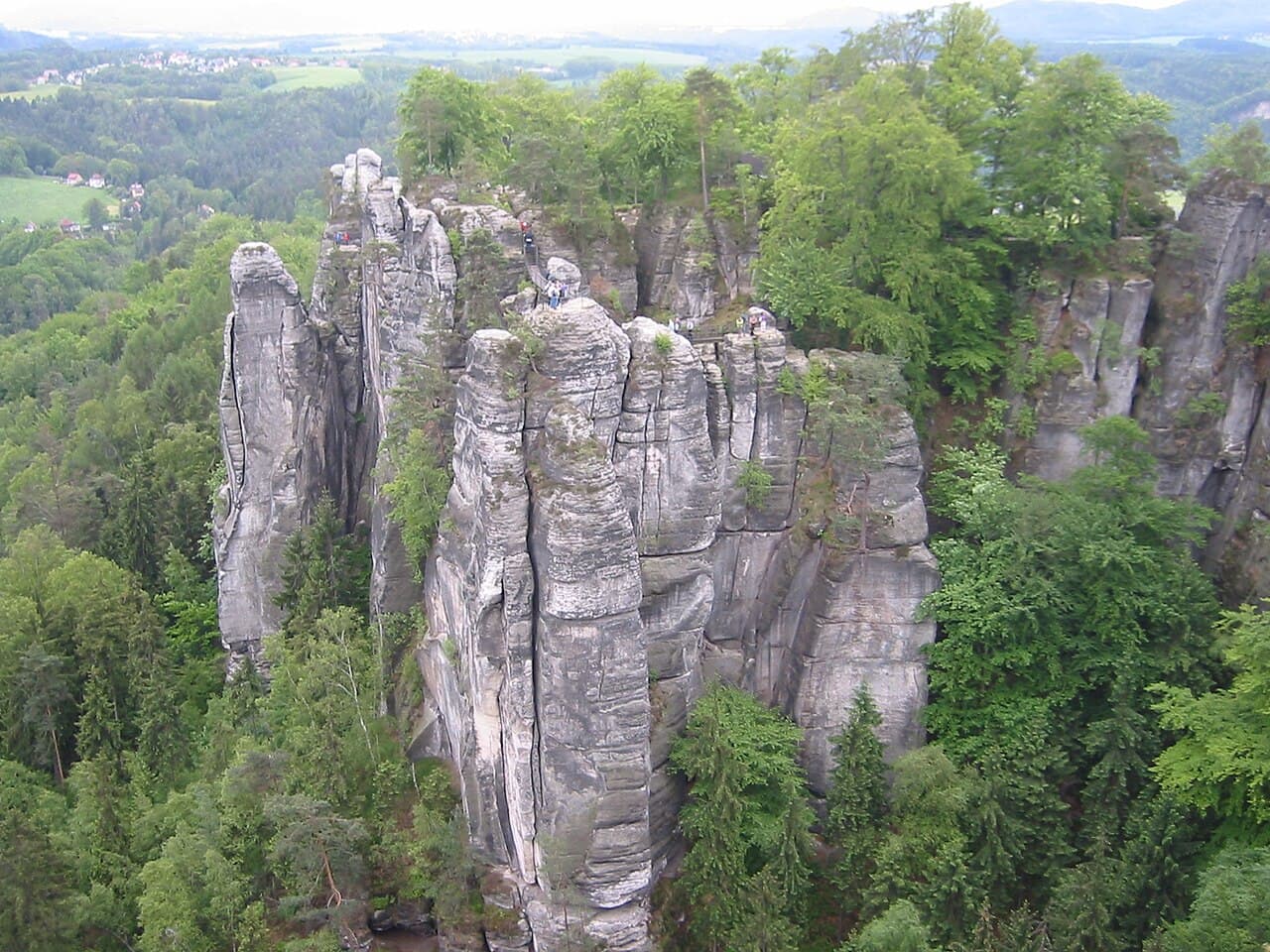
Neurathen rock castle, known in German as Felsenburg Neurathen, is a remarkable example of a high medieval hill castle carved directly into the sandstone cliffs near the iconic Bastei rock formations in Rathen, located in the Saxon Switzerland region of Saxony, Germany. Although first documented by the name Neurathen in 1755, archaeological evidence suggests that the site was inhabited as early as the Bronze Age. The castle’s origins date back to the first half of the 13th century, situating it firmly within the high medieval period.
Neurathen was once the largest rock castle in the region, a complex fortress ingeniously integrated into the natural sandstone landscape. Unlike traditional stone castles built with masonry walls, Neurathen’s defensive structures were primarily carved out of the rock itself. Visitors today can explore the surviving rock-hewn chambers, passageways, and cisterns, along with the beam supports that once held up the extensive wooden superstructure above the cliffs. This wooden construction, now lost, would have included defensive platforms, living quarters, and other essential castle buildings, making the fortress a hybrid of natural rock and timber architecture.
Historical background and strategic importance
The castle’s location near the Bastei rocks provided a commanding view over the Elbe River valley and the surrounding terrain, making it a vital military and trade post during the Middle Ages. Throughout its history, Neurathen was repeatedly inherited, sold, and changed hands. It endured numerous sieges and battles during the conflicts between the Bohemian and Saxon armies. Its strategic position made it a coveted stronghold in the turbulent borderlands of Central Europe.
In 1485, the castle fell under the control of Duke Albrecht of Saxony, a significant regional ruler. However, unlike other castles that were restored and maintained, Neurathen was never rebuilt after this transfer of ownership. The fortress gradually fell into ruin, with much of its wooden superstructure collapsing or being dismantled over time.
Architectural features and castle layout
Neurathen rock castle is notable for its unique rock-cut architecture. The castle’s rooms, corridors, and storage spaces were all carved directly into the sandstone, taking advantage of the natural formations to create defensive and habitable spaces. The cistern carved into the rock was essential for water storage, allowing the castle to withstand sieges.
The remnants of timber beam supports indicate where wooden buildings once stood, illustrating the castle’s mixed-material construction. The combination of rock chambers and wooden superstructures was typical of rock castles in the region, balancing durability with the ability to expand and adapt the living spaces.
Open-air museum and preservation efforts
Between 1982 and 1984, parts of Neurathen castle were adapted to create an open-air museum. This museum allows visitors to experience the castle’s historic environment and appreciate the ingenuity of medieval rock castle construction. The museum includes walkways and viewing platforms built around the surviving rock formations and carved spaces, providing insight into the castle’s original scale and function.
Despite the ruinous condition of the castle, it remains a significant cultural and historical site in Saxon Switzerland. The preservation of the rock chambers and structural remnants offers valuable information about medieval defensive architecture and settlement patterns in the region.
Role during the Thirty Years' War
Though Neurathen had long ceased to be a fully functional fortress by the 17th century, its ruins played a role during the Thirty Years’ War. The castle’s remains provided shelter for the inhabitants of Pirna when Swedish forces advanced through the area. This use highlights the enduring strategic importance of the site even after its decline.
Visiting Neurathen rock castle today
Today, Neurathen rock castle is a popular destination for tourists exploring the natural beauty of Saxon Switzerland National Park. Its proximity to the Bastei bridge and other natural landmarks makes it an accessible site for hiking and historical exploration. Visitors can walk through the carved chambers and along the pathways that reveal the castle’s medieval past.
The open-air museum provides educational displays and guided tours that explain the castle’s history, architecture, and role in regional conflicts. The site is a testament to the medieval adaptation of natural landscapes for defensive purposes and offers a unique glimpse into the life and warfare of the high medieval period in Central Europe.
Frequently asked questions (FAQ)
- How do I get to Neurathen rock castle?
- Neurathen rock castle is located near Rathen in Saxon Switzerland. It is accessible by hiking trails from the town of Rathen and from the nearby Bastei bridge area, which is well signposted for visitors.
- What is the historical significance of Neurathen rock castle?
- Neurathen was the largest rock castle in the Saxon Switzerland region and played a key role in medieval military conflicts between Bohemian and Saxon forces. Its strategic location overlooking the Elbe River made it an important defensive site.
- Can I visit the open-air museum at Neurathen castle?
- Yes, the open-air museum was established in the early 1980s and allows visitors to explore the carved rock chambers and learn about the castle’s unique rock and timber architecture.
- When was Neurathen rock castle built?
- The castle dates back to the first half of the 13th century, with evidence of earlier habitation on the site from the Bronze Age.
- Is Neurathen rock castle suitable for families and children?
- The site is suitable for families who enjoy hiking and exploring historical ruins. However, some areas involve uneven terrain and steep paths, so caution is advised for young children and those with mobility issues.
Photo gallery

Photo by Andreas Steinhoff•Attribution
Information
Current owner
Municipality
Loading map...
Visitor reviews
No reviews yet. Been here? Write the first review and help other travelers!
Write the first reviewVisited this castle? Share your experience
Your review helps other travelers and adds first-hand knowledge to our encyclopedia.