Altrathen Castle
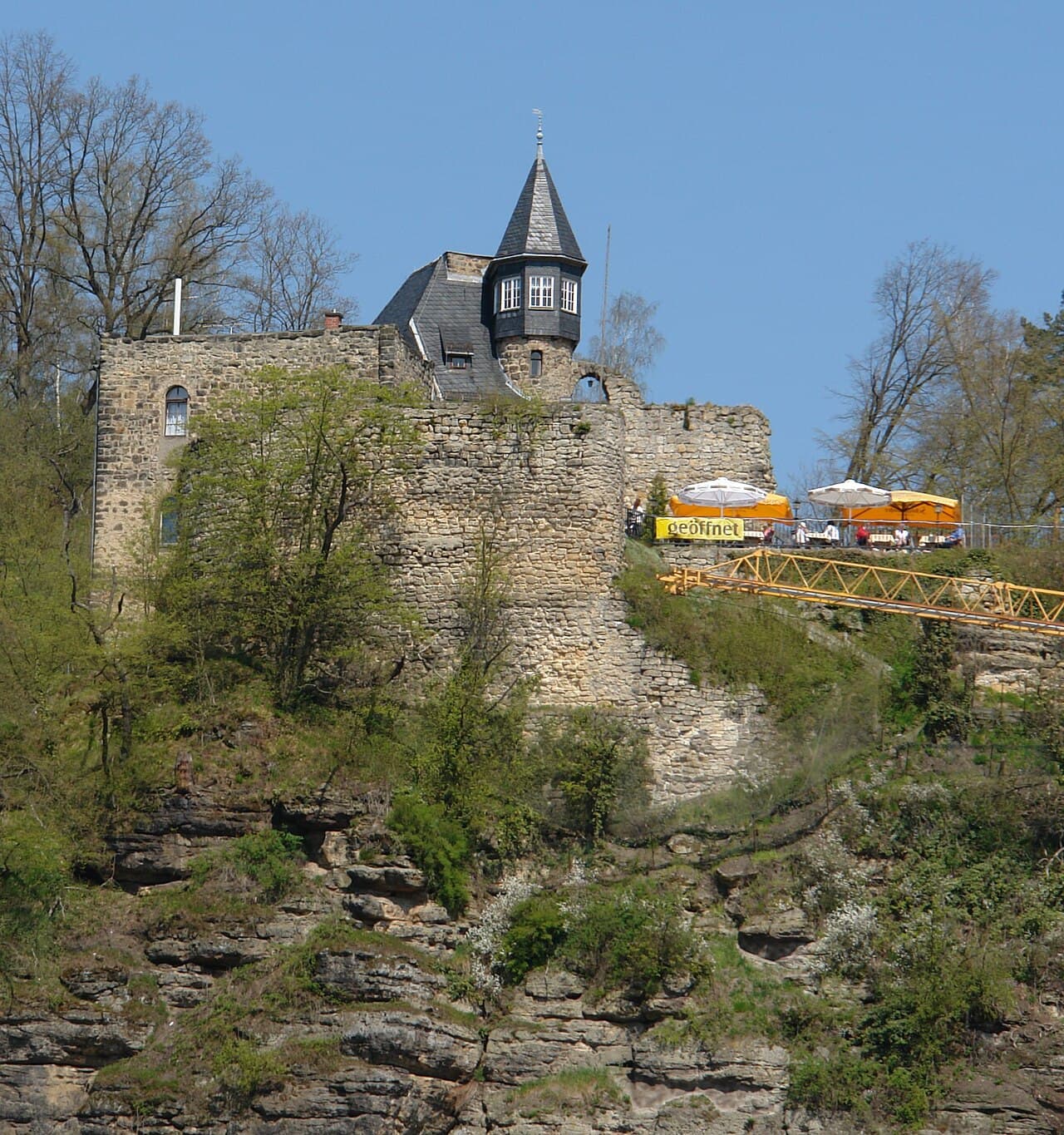
Altrathen Castle (German: Burg Altrathen) stands prominently on a rocky outcrop near the village of Rathen in the picturesque region of Saxon Switzerland, within the German state of Saxony. This castle is a remarkable example of a hill castle that combines medieval origins with a late 19th-century Neogothic revival reconstruction, reflecting both the turbulent history and the romantic architectural trends of its time.
Medieval origins and early history
Unlike its nearby counterpart, Neurathen Castle, the historical records of Altrathen Castle are sparse. It is believed to have been originally constructed in the 11th century, placing it firmly in the high medieval period. The first documented mention of the castle dates to 1289, indicating its presence and significance during the Middle Ages. The castle's strategic position atop a rock outcrop would have provided commanding views over the surrounding landscape, advantageous for defense and surveillance.
In 1469, both Altrathen and Neurathen castles were deliberately slighted, a common practice in medieval warfare intended to render fortifications unusable after conflicts or to prevent their capture by enemies. This event marked the decline of the medieval fortress, leaving it in ruins for centuries.
19th-century neogothic reconstruction
The ruins of Altrathen Castle remained largely untouched until the late 19th century when the industrialist Eduard Seifert acquired the site in 1888. Seifert undertook an ambitious project to rebuild the castle in 1893, embracing the then-popular Neogothic architectural style. This style sought to revive medieval Gothic elements such as pointed arches, intricate tracery, and steep gables, imbuing the castle with a romanticized medieval character rather than replicating its original form exactly.
Seifert's reconstruction preserved only limited parts of the original medieval structure, notably the cellars and fragments of the spiral staircase of the original keep. The new construction incorporated modern building techniques and materials of the period while maintaining a historicist appearance that complemented the dramatic natural setting.
Architectural features and layout
The castle's location on a steep rock outcrop classifies it as a hill castle, utilizing the natural topography for defense. The rebuilt castle features typical Neogothic elements such as pointed windows, decorative battlements, and slender towers that accentuate verticality. The layout includes a main building adapted for residential and hospitality use, with terraces offering panoramic views of the Elbe Sandstone Mountains.
Despite the extensive 19th-century rebuilding, the remnants of the medieval castle, including the cellar vaults and the spiral staircase, provide tangible links to its original high medieval fortifications. These surviving elements reflect the castle's defensive purpose and medieval craftsmanship.
20th-century usage and preservation
After World War II, the castle was repurposed as a holiday home and subsequently served as a facility for the East German state bank. This period of use helped maintain the building's structure, although it was adapted for practical rather than historical purposes.
Following German reunification, the castle was sold in 1995 by the Treuhandanstalt to a private owner. Since then, it has been transformed into a small hotel and restaurant, blending hospitality with historical ambiance. This adaptive reuse has ensured the castle's ongoing maintenance and accessibility to visitors.
Cultural significance and tourism
Altrathen Castle today attracts visitors interested in both its Neogothic architecture and its medieval heritage. Its location in Saxon Switzerland places it within a region renowned for dramatic sandstone formations and hiking trails, making it a popular destination for tourists exploring the natural and cultural landscape.
The castle's blend of medieval ruins and romantic 19th-century revival architecture offers a unique insight into the evolution of castle design and the historical layers embedded in the Saxon landscape.
Frequently asked questions (FAQ)
- What are the opening hours of Altrathen Castle?
- Altrathen Castle is open to visitors from 10 AM to 6 PM every day during the summer months, and from 10 AM to 4 PM in the winter months. It is advisable to check the castle's official website for any seasonal variations or special events that may affect opening hours.
- Can I take a guided tour of Altrathen Castle?
- Yes, guided tours are available for visitors who want to learn more about the rich history and architecture of Altrathen Castle. Tours typically last around an hour and provide a fascinating insight into the castle's past. It is recommended to book in advance during peak tourist season.
- When was Altrathen Castle built?
- Altrathen Castle was originally constructed in the late 12th century, making it a significant historical landmark in the region. Over the centuries, it has undergone various renovations and expansions, reflecting different architectural styles and historical periods.
- Is it possible to access Altrathen Castle with a wheelchair?
- Yes, Altrathen Castle is committed to accessibility for all visitors. There are ramps and designated pathways to ensure that wheelchair users can explore much of the castle and its grounds, although some historical areas may have limited access.
- What is the historical significance of Altrathen Castle?
- Altrathen Castle played a crucial role in the region's defense during the Middle Ages and served as a residence for local nobility. Its strategic location and impressive architecture make it a key site for understanding the historical development of Rathen and its surroundings.
- What are the ticket prices for visiting Altrathen Castle?
- Tickets for Altrathen Castle are reasonably priced, with adult tickets costing around €8 and reduced prices for students and seniors. Children under 12 can enter for free, making it a great family-friendly destination.
- When is the best time to visit Altrathen Castle?
- The best time to visit Altrathen Castle is during the spring and early autumn months when the weather is pleasant, and the gardens are in full bloom. Additionally, these seasons tend to have fewer crowds compared to the height of summer.
- Are there any nearby attractions to visit after Altrathen Castle?
- Yes, there are several attractions near Altrathen Castle, including the beautiful Elbe River and stunning hiking trails in the surrounding areas. Visitors can also explore local restaurants and shops in Rathen, providing a full day of activities.
Photo gallery

Information
Loading map...
Visitor reviews
No reviews yet. Been here? Write the first review and help other travelers!
Write the first reviewVisited this castle? Share your experience
Your review helps other travelers and adds first-hand knowledge to our encyclopedia.