Neues Schloss
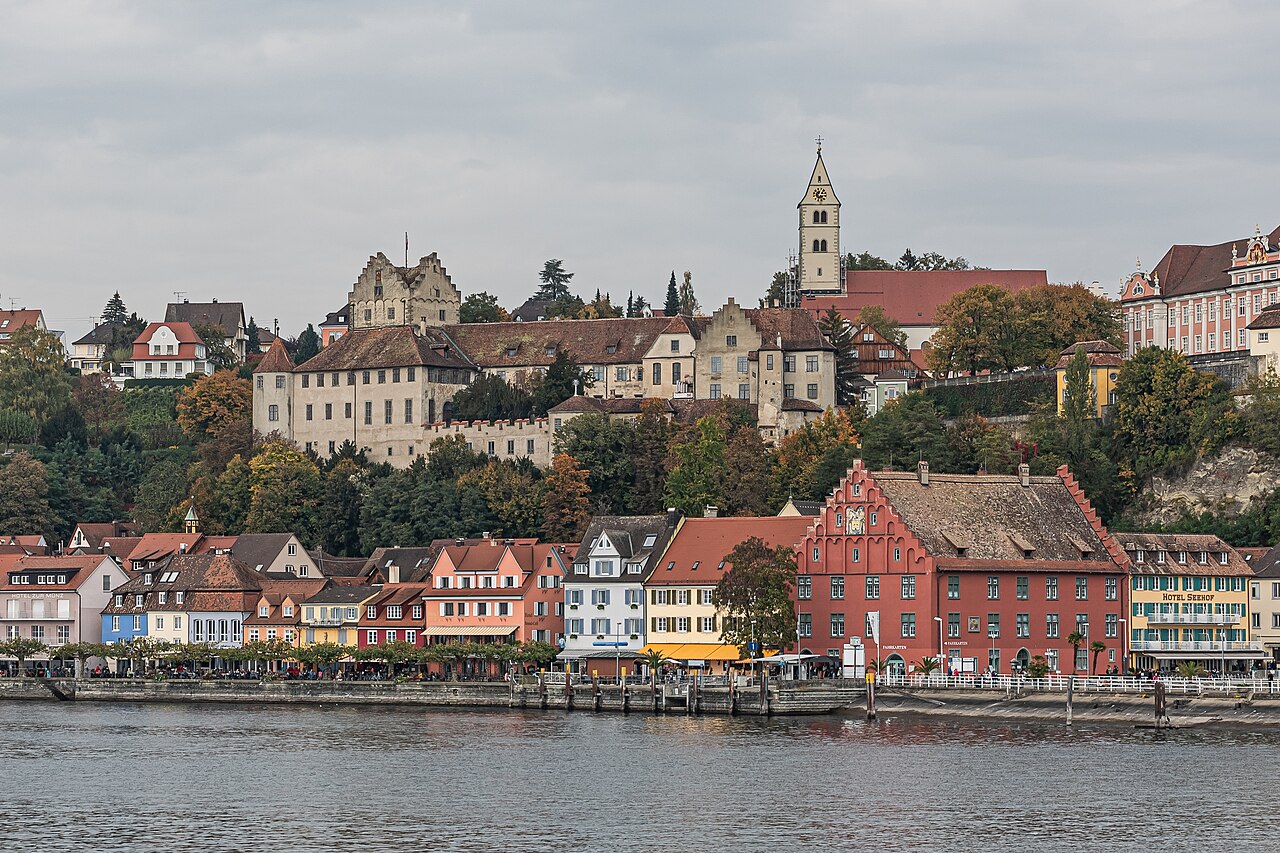
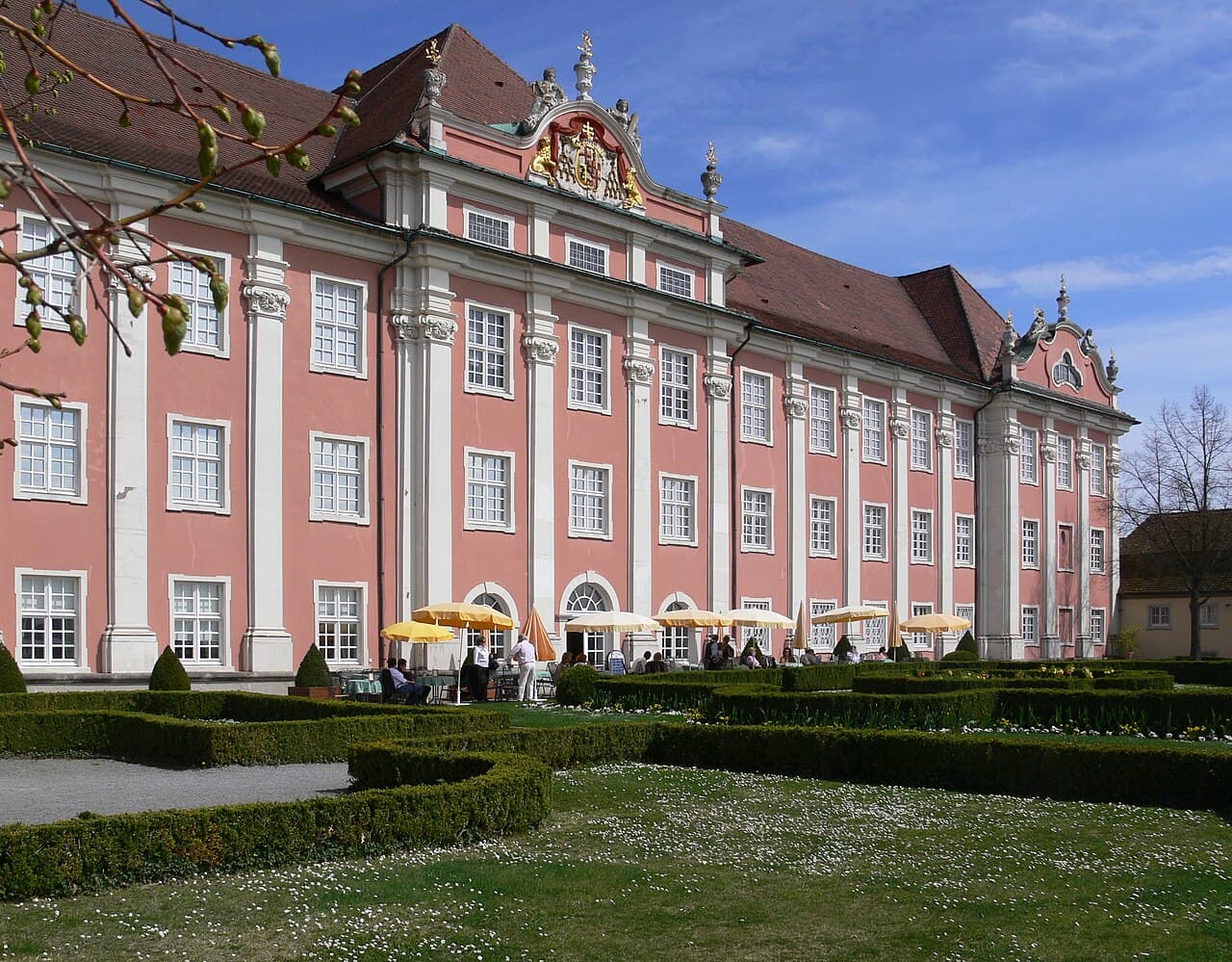
The Neues Schloss in Meersburg, Germany, stands as a remarkable example of Baroque and Rococo architecture and was the prestigious seat of the Prince-Bishop of Constance from its inception in the early 18th century until the dissolution of the bishopric in 1803. This hill castle not only served as a religious and political center but also as a symbol of ecclesiastical power and cultural refinement in the region.
Construction of the Neues Schloss began in 1710 under the auspices of Bishop Johann Franz II. von Stauffenberg, with the design and supervision entrusted to the architect Christoph Gessinger. The initial phase was completed swiftly by 1712, though the building remained somewhat modest compared to grand princely residences, lacking a grand staircase and other opulent features that would later define its character. The upper story was designed to accommodate apartments for visiting nobles and church dignitaries, reflecting its primary function as a bishop's residence.
Architectural evolution and enhancements
The castle underwent significant transformation starting in 1740 when Hugo Damian von Schönborn, already Bishop of Speyer and renowned for commissioning Schloss Bruchsal, assumed the bishopric at Meersburg. Seeking to elevate the Neues Schloss to a more impressive and elegant stature, he enlisted the master builder Johann Georg Stahl from Bruchsal. Stahl worked closely with plans from the celebrated architect Balthasar Neumann, who was instrumental in Baroque architecture in southern Germany.
Between 1741 and 1743, the castle chapel was constructed following Neumann's designs, featuring exquisite Baroque elements. The interior decoration was enriched by the fresco painter Gottfried Bernhard Göz from Augsburg and the sculptor Joseph Anton Feuchtmayer, both prominent artists of the period. Their work contributed significantly to the chapel's artistic and spiritual ambiance.
Baroque to Rococo facade transformation
By 1759, under the patronage of Prince-Bishop Cardinal Franz Konrad von Rodt, the castle underwent further renovations directed by master builder Franz Anton Bagnatos. The stairway, which had fallen into disrepair, was restored, and the castle's exterior was transformed from its original Baroque style to a more ornate Rococo facade. This included enlarged windows, intricate decoration surrounding the windows, and the addition of new gables, enhancing the castle's elegance and visual appeal.
The interior saw contributions from the Mainz artist Giuseppe Appiani and sculptor Carlo Luca Pozzi. Appiani's monumental paintings, completed in 1761 and 1762, adorn the walls above the grand staircase and ballroom, respectively, adding to the castle's artistic grandeur.
Historical roles and adaptive reuse
Following the secularization and the end of the bishopric in 1803, the Neues Schloss experienced various functional transformations reflecting the changing social and political landscape. Throughout the 19th century and well into the 20th century, the castle served diverse roles including a girls' school, a local prison, a sailors' school, and a secondary school. From 1865 to 1937, it housed the Baden Institution for Deaf-mutes, before the institution relocated to Gengenbach.
After World War II, the castle was repurposed as barracks for French troops, illustrating its strategic and utilitarian value beyond its original ecclesiastical function.
Current status and cultural significance
Today, the Neues Schloss is a well-preserved cultural landmark offering visitors a rich glimpse into the history and art of the region. It houses several museums, including the Town Gallery and the Dornier Museum on the second floor, which showcase local art and aviation history respectively. The third floor is dedicated to the Palace Museum of the Prince Bishops (Fürstbischöfliche Schlossmuseum), where visitors can explore the residential and representative rooms of the prince-bishops, refurnished with authentic period furnishings and decorations.
The castle's combination of architectural grandeur, artistic masterpieces, and historical significance makes it a vital destination for enthusiasts of Baroque and Rococo architecture, ecclesiastical history, and German cultural heritage.
Architectural highlights
- Grand staircase: Designed by Johann Georg Stahl based on Balthasar Neumann's plans, a centerpiece of the castle's interior.
- Castle chapel: A Baroque masterpiece with frescoes by Gottfried Bernhard Göz and sculptures by Joseph Anton Feuchtmayer.
- Rococo facade: Featuring enlarged windows, decorative window surrounds, and elegant gables added during the 1759 renovation.
- Artistic works: Large-scale paintings by Giuseppe Appiani and sculptures by Carlo Luca Pozzi enhancing the interior's aesthetic appeal.
Visiting and cultural experience
Visitors to Neues Schloss can immerse themselves in the rich history and artistic heritage of the region. The castle's museums provide a multifaceted cultural experience, from historical exhibitions to art galleries and aviation displays. The preserved residential quarters offer a rare insight into the lifestyle of the prince-bishops during the 18th century.
The castle's location atop a hill in Meersburg affords scenic views of the surrounding landscape, including Lake Constance, enhancing the visitor experience with natural beauty alongside cultural enrichment.
Frequently asked questions (FAQ)
- How do I get to Neues Schloss?
- Neues Schloss is located in Meersburg, Germany, easily accessible by car and public transport. If you are traveling by train, the nearest station is in Meersburg, followed by a short walk to the castle. Additionally, there are parking facilities available nearby for those arriving by car.
- What is the historical significance of Neues Schloss?
- Neues Schloss, built in the 18th century, is a prime example of Baroque architecture and served as a residence for the Prince of Hohenzollern. Its rich history reflects the political and cultural changes in the region, showcasing the grandeur of the time. The castle also houses important art collections and historical artifacts that tell the story of its past.
- When was Neues Schloss completed?
- Construction of Neues Schloss began in 1719 and was completed in 1740. The castle was designed by architect Johann Georg Haffner and has since undergone various restorations to preserve its beauty. Its completion marked a significant achievement in the architectural landscape of the time.
- Can I take guided tours of Neues Schloss?
- Yes, guided tours of Neues Schloss are available and provide an in-depth exploration of the castle's history and architecture. These tours are led by knowledgeable guides who share fascinating stories and insights about the castle's significance. It is recommended to book in advance during peak tourist seasons.
- Why is the architecture of Neues Schloss noteworthy?
- The architecture of Neues Schloss is noteworthy for its exquisite Baroque style, featuring ornate facades and beautifully designed interiors. The castle's layout, including grand staircases and lavish rooms, exemplifies the opulence of the era. Its design not only served functional purposes but also symbolized the power and prestige of its inhabitants.
- Is it possible to host events at Neues Schloss?
- Yes, Neues Schloss offers facilities for hosting various events, including weddings, corporate gatherings, and cultural activities. The enchanting surroundings and historical ambiance provide a unique backdrop for any occasion. For more information on event hosting, it is advisable to contact the castle's administration directly.
- What are the opening hours of Neues Schloss?
- Neues Schloss is typically open to visitors from 9:00 AM to 6:00 PM, with extended hours during the summer months. It is advisable to check the official website for any seasonal changes or special closures. Planning your visit during the weekdays can often help you avoid larger crowds.
- What are the ticket prices for Neues Schloss?
- Ticket prices for Neues Schloss vary based on age and type of tour, with discounts available for students and seniors. Generally, adult tickets range around 8-10 euros, while children under a certain age may enter for free. It is best to purchase tickets in advance online or at the entrance to ensure availability.
- When is the best time to visit Neues Schloss?
- The best time to visit Neues Schloss is during the spring and early autumn months when the weather is pleasant, and gardens are in full bloom. Additionally, visiting mid-week can help you avoid the weekend crowds. Special events and exhibitions are also often held during these seasons, enhancing the experience.
- Are there any nearby attractions to visit along with Neues Schloss?
- Yes, there are several nearby attractions, including the picturesque Meersburg Castle and the beautiful Lake Constance. Visitors can also explore the charming town of Meersburg, known for its historic buildings and quaint streets. These attractions make for a well-rounded day of sightseeing in the region.
Photo gallery

Information
Sources & official resources
Verify the information above using these authoritative references.
Loading map...
Visitor reviews
No reviews yet. Been here? Write the first review and help other travelers!
Write the first reviewVisited this castle? Share your experience
Your review helps other travelers and adds first-hand knowledge to our encyclopedia.