Neuburg Castle
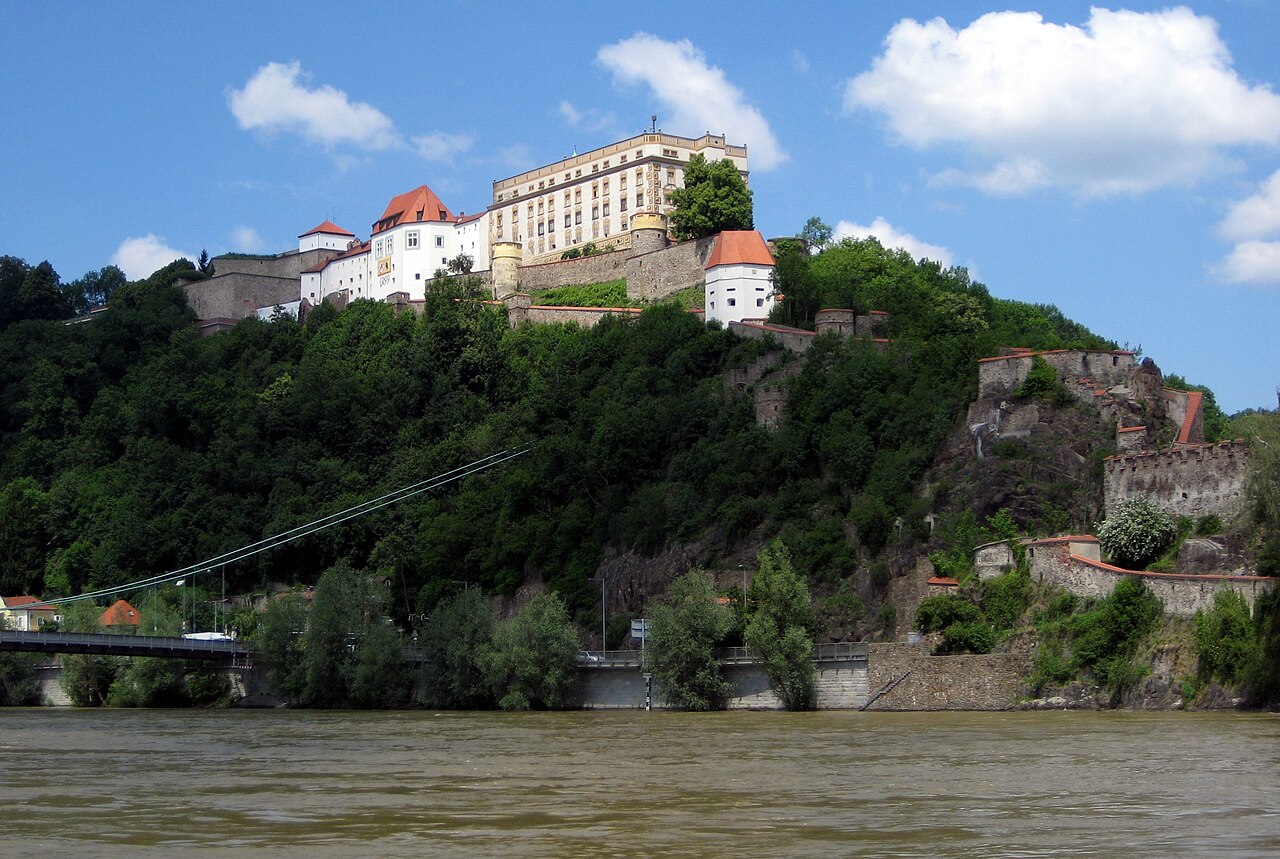
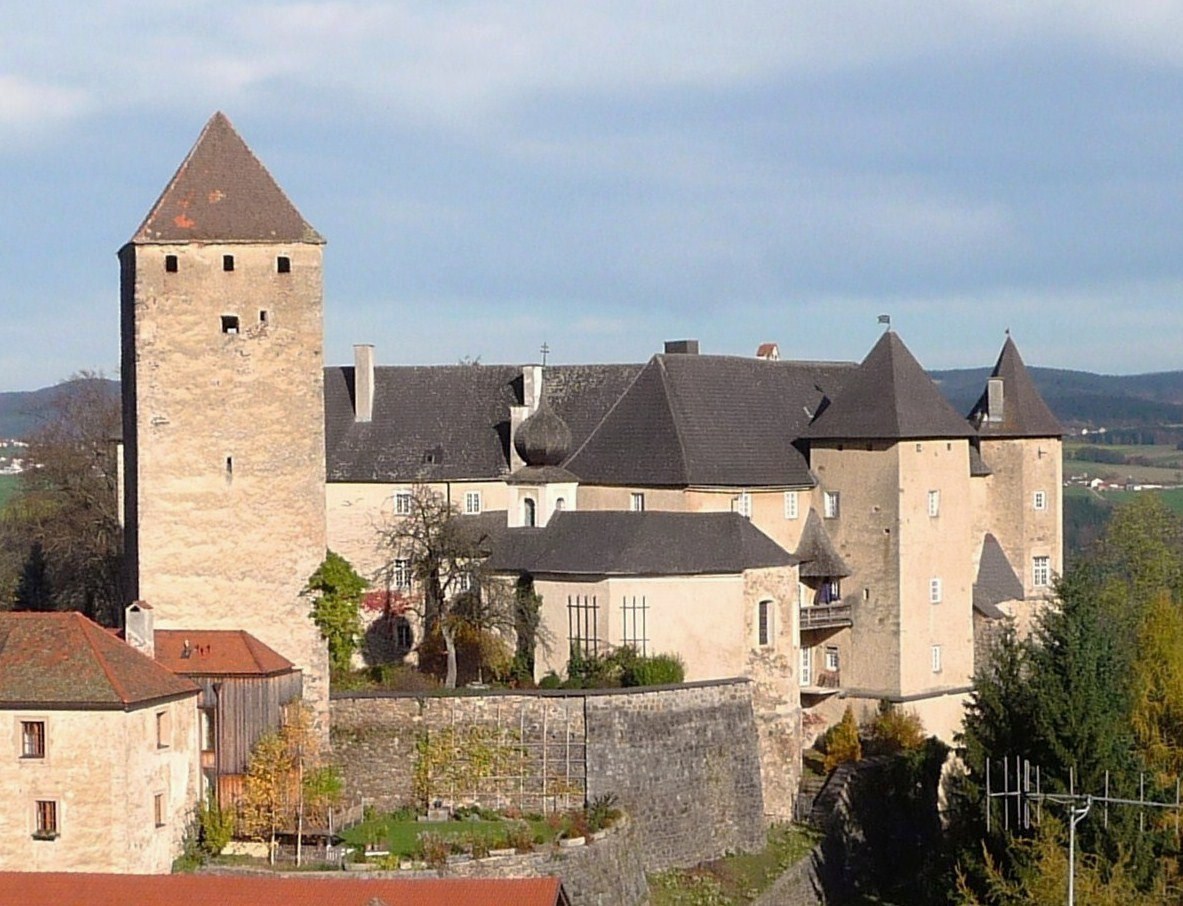
Neuburg castle stands prominently overlooking the Inn River in Neuburg am Inn, Germany. Originally constructed around 1050, this castle has evolved through centuries, reflecting the architectural and historical transformations of the region. Its current outer appearance largely dates from a reconstruction following its destruction in 1310, embodying elements from the High Medieval period onward.
Early origins and medieval transformations
The castle's foundation is attributed to the noble Agilolfings family in the early Middle Ages. By 1247, it came under the possession of the Wittelsbach dukes, a significant ruling dynasty in Bavaria. Neuburg castle initially served as a fortified stronghold, typical of medieval defensive architecture, designed to control the surrounding territory and the vital Inn River trade route.
After its destruction in 1310, the castle was rebuilt, preserving its medieval character while adapting to new defensive needs. The castle's strategic location and robust fortifications underscored its importance during the turbulent medieval period in Bavaria.
Renaissance transformation under count palatine otto henry
In 1522, Count Palatine Otto Henry began his rule over the Duchy of Palatinate-Neuburg and found the castle lacking the grandeur expected of a royal residence. Between 1527 and the late 1530s, he initiated a substantial redesign of Neuburg castle, transforming it into a Renaissance palace. This renovation aimed to elevate the castle's artistic and architectural status, making it one of the most important palatial residences in Germany during the first half of the 16th century.
A significant addition was the west wing, including the castle chapel, constructed from 1537. The chapel is notable for being the oldest Protestant church in Bavaria, decorated with exquisite frescoes by the Salzburg church painter Hans Bocksberger the Elder. These frescoes reflect an antique-style Italian pictorial program painted in 1543, illustrating the cultural influences permeating the castle's design.
Otto Henry's conversion to Lutheranism in 1541 influenced the chapel's decoration, aligning it with Protestant doctrine. However, financial difficulties and Otto Henry's bankruptcy in 1544 slowed construction progress.
Later renaissance enhancements
Wolfgang, Count Palatine of Zweibrücken, Otto Henry's successor, continued the castle's embellishment. In 1562, he commissioned elaborate sgraffito decorations on the west wing facing the courtyard, adding to the castle's Renaissance artistic heritage.
The Knights' Hall, located in the north building's lower panel room, was completed in 1575. Crafted by Hans Pihel, it features an original coffered ceiling and rotating timber wall panels, showcasing Renaissance craftsmanship and design sophistication.
Baroque modifications and later uses
In 1665, Philip William, Elector Palatine, undertook significant Baroque-style renovations, rebuilding the impressive east wing and adding two distinctive round towers. These changes introduced the Baroque architectural style to the castle, blending with its Renaissance elements and enhancing its grandeur.
Following a damaging fire in 1810, the castle's function shifted from a noble residence to industrial use, serving as a brewery and malthouse. Despite these changes, the structure retained much of its architectural integrity.
Modern adaptations and cultural significance
Today, Neuburg castle is a multifaceted complex housing the Rural District Museum (Landkreisgalerie) of Passau, a district hall for conferences, rooms for Passau University, a hotel, and the historic court tavern. The castle has undergone elaborate refurbishments to restore its former splendor, allowing visitors to experience its rich historical ambiance.
A circular trail leads visitors to the viewpoint at the south dungeon, offering panoramic views of the Inn valley and the surrounding landscape, enhancing the castle's appeal as a cultural and tourist destination.
The castle also preserves a gallery of Baroque paintings under the supervision of the Bavarian State Picture Collection, further cementing its role as a cultural repository.
Architectural features and layout
Neuburg castle's architecture reflects a complex layering of styles and periods. The original medieval fortifications, Renaissance expansions, and Baroque modifications coexist, creating a unique architectural ensemble. Key features include the robust round towers, the coffered ceilings in the Knights' Hall, and the intricately decorated chapel with its frescoes.
The castle's layout includes multiple wings arranged around courtyards, defensive walls, and a south dungeon, emphasizing both residential comfort and military defense.
Historical context and ownership
Throughout its history, Neuburg castle has been a seat of regional power and cultural activity. Its transition from the Agilolfings to the Wittelsbach dukes marked its integration into Bavarian noble domains. The castle's evolution under Count Palatine Otto Henry reflects broader Renaissance trends in German princely courts, emphasizing art and religion.
Later Baroque renovations under Philip William aligned with the era's architectural tastes and the consolidation of electoral power in the Palatinate.
Visiting information and cultural role today
Neuburg castle is accessible to the public, offering museum exhibitions, university facilities, and hospitality services. Its preserved architectural elements and art collections provide insight into Bavarian history and castle architecture.
The castle's location in Neuburg am Inn situates it within a scenic region rich in cultural heritage, making it a significant destination for visitors interested in medieval and Renaissance history.
Frequently asked questions (FAQ)
- What is the historical significance of Neuburg Castle?
- Neuburg Castle, located in Neuburg am Inn, Germany, dates back to the 16th century and reflects the Renaissance architectural style. It played a crucial role in the region's history, serving as a residence for various noble families and a center for administrative activities.
- When was Neuburg Castle built?
- Construction of Neuburg Castle began in 1568 and was completed in the early 17th century. The castle's design and architecture represent the transition from medieval fortifications to more elegant Renaissance structures.
- Can I visit Neuburg Castle?
- Yes, Neuburg Castle is open to visitors throughout the year. Guided tours are available, allowing guests to explore its rich history and stunning architecture.
- What are the opening hours of Neuburg Castle?
- Neuburg Castle typically opens at 10 AM and closes at 6 PM during the summer months. In the winter, the hours may vary, so it's best to check the official website for the most current information before your visit.
- Is it possible to access Neuburg Castle with a wheelchair?
- Yes, Neuburg Castle is equipped with accessibility features to accommodate visitors with mobility challenges. However, some areas may have limited access due to the castle's historic architecture, so it's recommended to inquire in advance.
- What is the best time to visit Neuburg Castle?
- The best time to visit Neuburg Castle is during the spring and early autumn months when the weather is mild, and the surrounding gardens are in full bloom. These seasons also tend to attract fewer tourists, allowing for a more enjoyable experience.
- Are there any nearby attractions to visit along with Neuburg Castle?
- Yes, visitors can explore nearby attractions such as the picturesque town of Passau, known for its beautiful baroque architecture, and the scenic Danube River. Additionally, hiking trails in the surrounding area offer stunning views of the landscape.
- How much are the ticket prices for Neuburg Castle?
- Ticket prices for Neuburg Castle are generally affordable, with discounts available for students and seniors. It's advisable to check the official website for the latest pricing and any special offers.
Information
Website
Visit websiteSources & official resources
Verify the information above using these authoritative references.
Loading map...
Visitor reviews
No reviews yet. Been here? Write the first review and help other travelers!
Write the first reviewVisited this castle? Share your experience
Your review helps other travelers and adds first-hand knowledge to our encyclopedia.