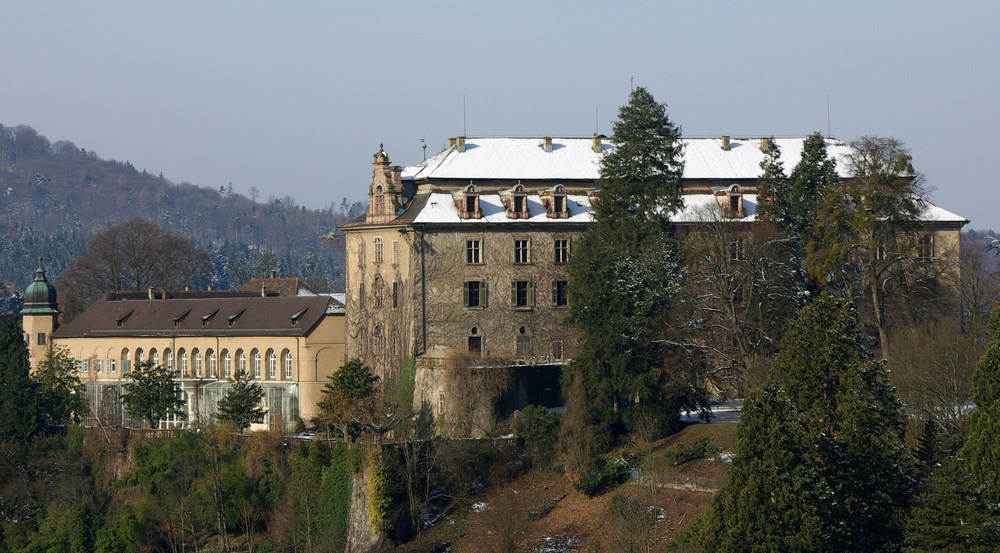
Neu-Windeck Castle stands as a significant Gothic hill castle ruin located in the municipality of Lauf, Germany. Constructed around the year 1300 by the noble Lords of Windeck, the castle represents a classic example of late medieval military architecture combined with residential functions typical of the Late Medieval period.
This hill castle was strategically positioned to oversee and control the surrounding landscape, taking advantage of its elevated location. The castle's design and construction reflect the turbulent political and social conditions of the region during the 14th and 15th centuries, serving both as a noble residence and a defensive fortress.
Historical context and family legacy
The Lords of Windeck, a noble family of considerable local influence, were responsible for the establishment of Neu-Windeck Castle. This family eventually divided into two branches: Alt-Windeck and Neu-Windeck. The castle first appears in historical records in 1371, emphasizing its importance in regional affairs.
In 1377, a chapel dedicated to the Three Wise Men within the castle was documented, indicating the castle's role not only as a military site but also as a center of religious and cultural life. The two family branches, despite sharing a coat of arms, were often in conflict, culminating in the Schleglerkrieg (1394-1396), a civil war where Neu-Windeck sided with the Strasbourg faction against Alt-Windeck's alliances.
The prolonged family rivalry ended in 1466 through the marriage of Berthold of Neu-Windeck and Anna of Alt-Windeck, uniting the two lines and stabilizing the family's holdings. The last heir, Jakob von Windeck, died in 1592 in Venice after extensive travels, marking the end of the direct family line. Subsequently, the family's fiefs reverted to imperial control and later to the Margrave of Baden, while private properties were divided between Ursula and Elisabeth, heirs to Alt- and Neu-Windeck respectively.
Architectural features and defensive design
Neu-Windeck Castle was designed as a compact fortress with a trapezoidal layout, typical of Gothic military architecture. The castle's most prominent feature is its bergfried, a tall keep approximately 20 meters high, which served as a stronghold and lookout point. This bergfried contained three separate dungeons, emphasizing its defensive and punitive functions.
The castle complex included a three-story palas, the main residential building providing living quarters and administrative space for the lords. Adjacent to the palas was a smaller residential structure supporting domestic needs.
Surrounding the living quarters and stables was a robust ring wall, reinforced akin to a shield wall designed to absorb and deflect attacks. Beyond this wall lay a zwinger, an outer ward creating a narrow enclosed corridor that served as an additional defensive barrier against attackers attempting to breach the main walls.
Defensive elements and strategic layout
- The bergfried functioned as the last line of defense and remains accessible today, offering panoramic views of the surrounding terrain.
- The ring wall and zwinger illustrate advanced medieval defensive strategies, with layered fortifications to slow and repel invaders.
- The curtain walls enclosed the castle's core structures, creating a secure courtyard and protecting the inner buildings from direct assault.
Decline and current condition
By 1580, Neu-Windeck Castle was already described as a ruin, though the exact circumstances leading to its decline remain unclear. Its deterioration likely resulted from a combination of political changes, military conflicts, and shifting noble residences that rendered the castle obsolete.
Today, the castle remains a Gothic ruin with key structures such as the 20-meter-high bergfried, dungeons, and curtain walls still standing. These remnants provide valuable insight into medieval castle construction and defensive design. The site is accessible to visitors, with the bergfried serving as a lookout point offering expansive views of the surrounding landscape.
Cultural and historical significance
Neu-Windeck Castle is a testament to the complex feudal relationships and architectural advancements of the Late Medieval period in Germany. Its history reflects the internal conflicts of noble families, the evolution of military architecture, and the socio-political dynamics of the region.
The castle's ruins contribute to the cultural heritage of Lauf and the wider region, attracting historians, architects, and tourists interested in medieval fortifications and noble residences. Preservation efforts focus on maintaining the structural integrity of the remaining walls and towers, ensuring the site remains a valuable educational and cultural resource.
Visitor experience and accessibility
Visitors to Neu-Windeck Castle can explore the surviving architectural features, including the bergfried and curtain walls. The elevated position of the castle provides scenic views, making it a popular destination for history enthusiasts and hikers alike. Informational signage on-site helps contextualize the castle's historical and architectural importance.
While the castle is a ruin, it offers a tangible connection to the medieval past and the noble lineage of the Lords of Windeck. Its preservation as a historical monument allows for ongoing study and appreciation of Gothic castle design and feudal history in southern Germany.
Frequently asked questions (FAQ)
- What is Neu-Windeck Castle known for?
- Neu-Windeck Castle is known for its stunning medieval architecture and its picturesque location overlooking the town of Lauf. It played a significant role in the region's history, serving as a defensive fortification and a noble residence during the Middle Ages.
- When was Neu-Windeck Castle built?
- Neu-Windeck Castle was constructed in the 13th century, around 1240. It showcases the typical architectural features of its time, including sturdy stone walls and a strategic layout designed for defense.
- How do I get to Neu-Windeck Castle?
- You can reach Neu-Windeck Castle by car, with parking available nearby, or by taking public transportation to Lauf. The castle is located a short walk from the town center, making it easily accessible for visitors.
- What are the opening hours for Neu-Windeck Castle?
- Neu-Windeck Castle is generally open to visitors from April to October, with specific opening hours varying by season. It’s recommended to check the official website for the most up-to-date information before planning your visit.
- Can I take photos inside Neu-Windeck Castle?
- Yes, visitors are welcome to take photos inside Neu-Windeck Castle, as long as it doesn't interfere with the experience of other guests. Capturing the impressive interiors and breathtaking views is highly encouraged!
- Is it possible to book guided tours at Neu-Windeck Castle?
- Yes, guided tours are available at Neu-Windeck Castle, providing deeper insight into its history and architecture. It is advisable to book in advance, especially during peak tourist seasons, to ensure your spot.
- What is the best time to visit Neu-Windeck Castle?
- The best time to visit Neu-Windeck Castle is during the late spring and early fall, when the weather is pleasant and the surrounding landscape is particularly beautiful. Additionally, visiting during these times may help you avoid the larger crowds typical of summer.
- Are there any nearby attractions to visit while at Neu-Windeck Castle?
- Yes, there are several nearby attractions, including the charming town of Lauf itself, with its historic market square and other medieval buildings. You can also explore nearby hiking trails that offer stunning views of the surrounding countryside.
- What are the ticket prices for Neu-Windeck Castle?
- Ticket prices for Neu-Windeck Castle are generally affordable, with discounts available for students and seniors. Check the official website for the latest pricing details and any special promotions that may be offered.
Information
Website
Visit websiteSources & official resources
Verify the information above using these authoritative references.
Loading map...
Visitor reviews
No reviews yet. Been here? Write the first review and help other travelers!
Write the first reviewVisited this castle? Share your experience
Your review helps other travelers and adds first-hand knowledge to our encyclopedia.