Neues Schloss Baden-Baden
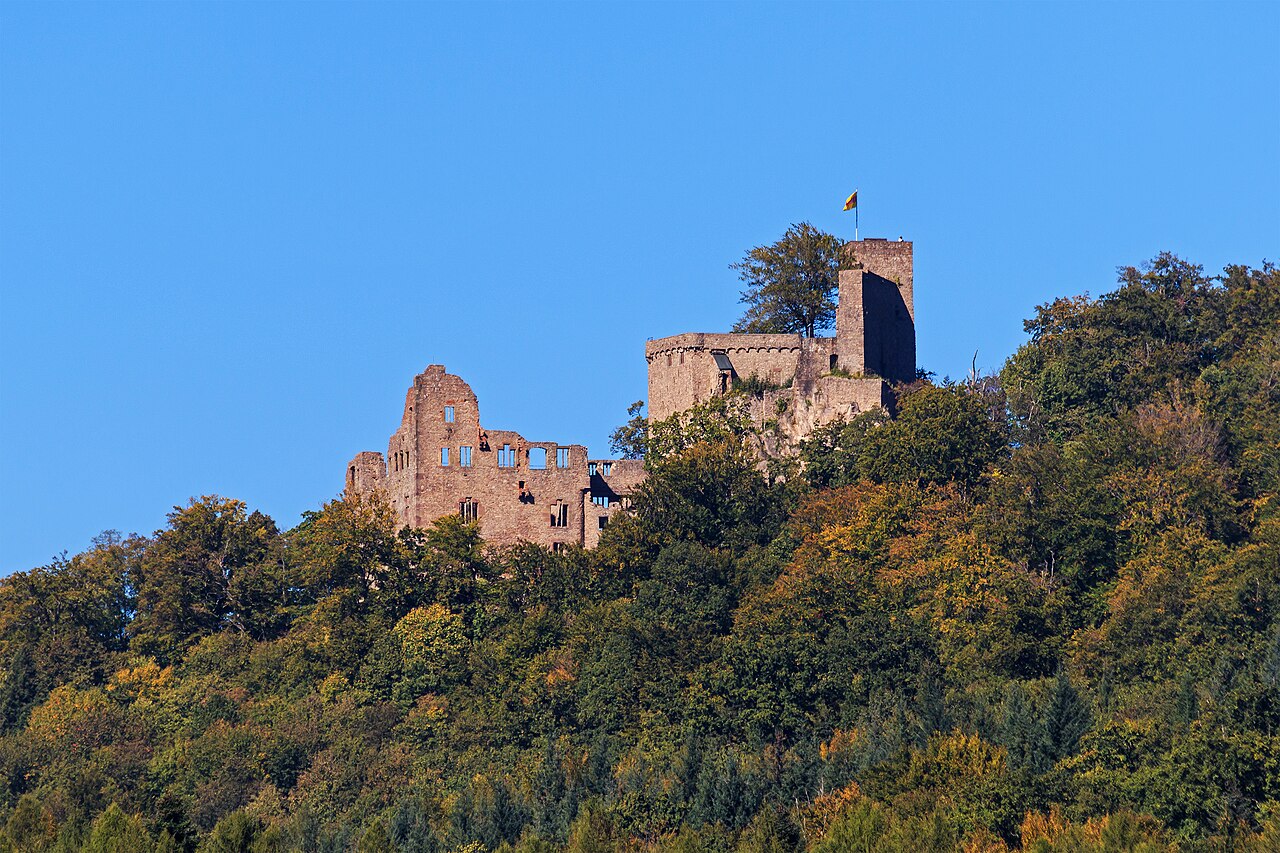
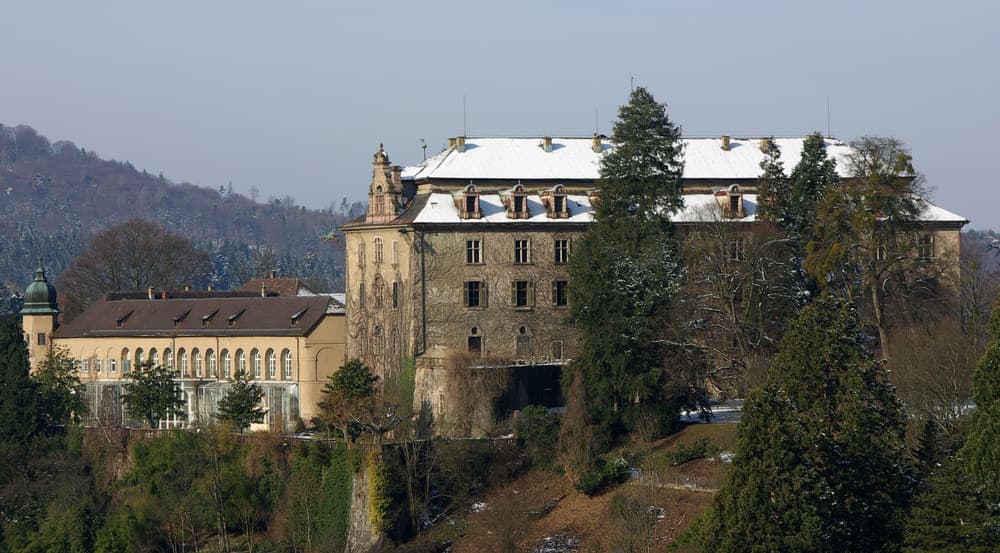
The Neues Schloss Baden-Baden, also known as the New Castle, is a prominent example of a late medieval hill castle located on the Florentinerberg hill in Baden-Baden, Germany. This castle complex served as the principal residence of the Margraves of Baden from the late 15th century until the end of the 17th century, and from 1535 it was the seat of the Margraves of Baden-Baden. It stands as a significant historical monument reflecting the political and architectural developments of the region during the Late Middle Ages.
Historical background and significance
The castle was originally constructed in the 14th century, a period marked by feudal conflicts and territorial consolidation in southwestern Germany. As a hill castle, it was strategically positioned on the Florentinerberg, providing a commanding view over the town of Baden-Baden and the surrounding landscape. This location was chosen for both defensive advantages and symbolic assertion of power by the ruling margraves.
Throughout its history, the Neues Schloss underwent several phases of rebuilding and extension, reflecting changes in military technology, residential needs, and aesthetic preferences. Its role as the seat of the margraves made it a center of political administration, military organization, and courtly life in the region. The castle witnessed significant historical events and transitions, including the shifting allegiances and territorial divisions within the House of Baden.
Architectural features and style
The Neues Schloss Baden-Baden exhibits characteristics typical of late medieval castle architecture, with adaptations made over time to suit evolving functions and tastes. The castle complex includes fortified walls, towers, residential buildings, and courtyards arranged to maximize defense and habitation comfort.
Fortifications and defensive structures
The castle's fortifications include thick stone walls and strategically placed towers that allowed defenders to monitor and repel attackers effectively. The elevated position on the hill enhanced these defensive capabilities, making the castle difficult to besiege successfully. Over time, modifications were made to improve defenses in response to advances in siege weaponry.
Residential and ceremonial areas
The interior of the castle was designed to accommodate the margraves and their court, featuring great halls for gatherings and ceremonies, private chambers, and service areas. Architectural elements such as vaulted ceilings, large windows, and ornate fireplaces reflected the status and wealth of its occupants. Renaissance influences may have been incorporated during later renovations, blending with the original medieval structure.
Later history and current status
By the end of the 17th century, the castle's role as a primary residence diminished, and it underwent various changes in ownership and function. In modern times, the Neues Schloss has been recognized as a listed historic building, highlighting its cultural and architectural importance. It is currently owned by Kuwaiti investors who have expressed intentions to convert the castle into a luxury hotel, although these plans have yet to be realized.
The castle remains a significant landmark in Baden-Baden, attracting interest from historians, architects, and visitors intrigued by its rich heritage and imposing structure. Preservation efforts focus on maintaining the integrity of the castle's medieval fabric while adapting it for contemporary use.
Cultural impact and tourism
Neues Schloss Baden-Baden contributes to the cultural landscape of the region, representing the legacy of the margraves and the historical evolution of castle architecture in Germany. It is part of the broader heritage tourism circuit in Baden-Württemberg, drawing visitors interested in medieval history, architecture, and the aristocratic past of the area.
Visitors to the castle can explore its exterior fortifications and appreciate the panoramic views from the Florentinerberg hill, although access to the interior may be limited depending on ongoing restoration or development projects. The castle's presence enriches the historical narrative of Baden-Baden and serves as a tangible connection to the region's medieval past.
Frequently asked questions (FAQ)
- When was Neues Schloss Baden-Baden built?
- Neues Schloss Baden-Baden was originally built in the 14th century and served as the margraves' seat from the late 15th century.
- What architectural style characterizes Neues Schloss Baden-Baden?
- The castle primarily features late medieval architecture with some Renaissance influences from later renovations.
- Can visitors tour Neues Schloss Baden-Baden?
- Access to the interior is limited due to private ownership and ongoing plans for conversion, but visitors can view the exterior and enjoy views from Florentinerberg hill.
- Why is Neues Schloss Baden-Baden historically important?
- It was the residence of the Margraves of Baden and Baden-Baden, playing a key role in regional politics and military defense during the Late Middle Ages.
- What is the current condition of Neues Schloss Baden-Baden?
- The castle is partially preserved and listed as a historic building, with efforts to maintain its medieval structure ongoing.
Photo gallery

Information
Current owner
Private owner
Loading map...
Visitor reviews
No reviews yet. Been here? Write the first review and help other travelers!
Write the first reviewVisited this castle? Share your experience
Your review helps other travelers and adds first-hand knowledge to our encyclopedia.